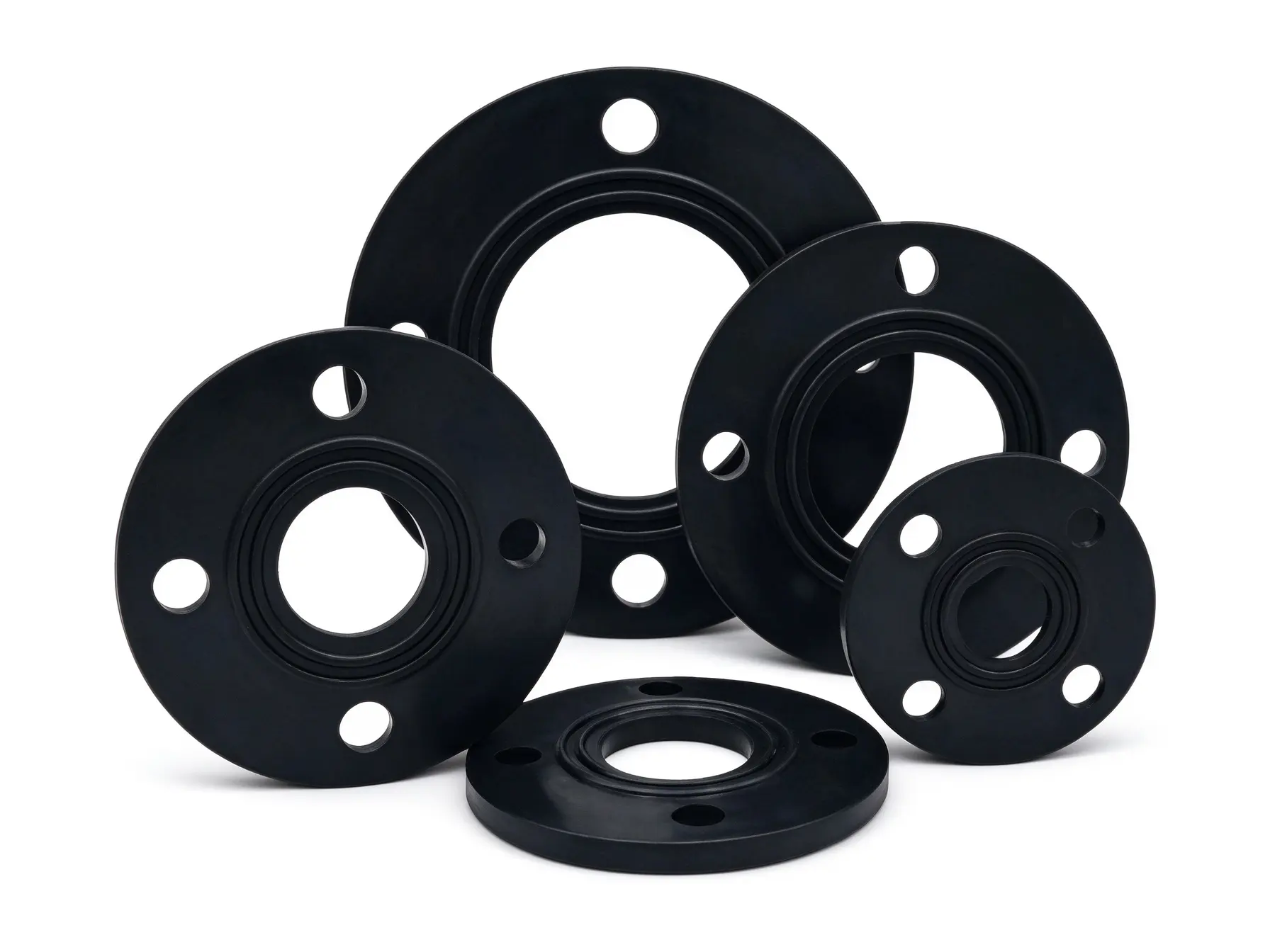
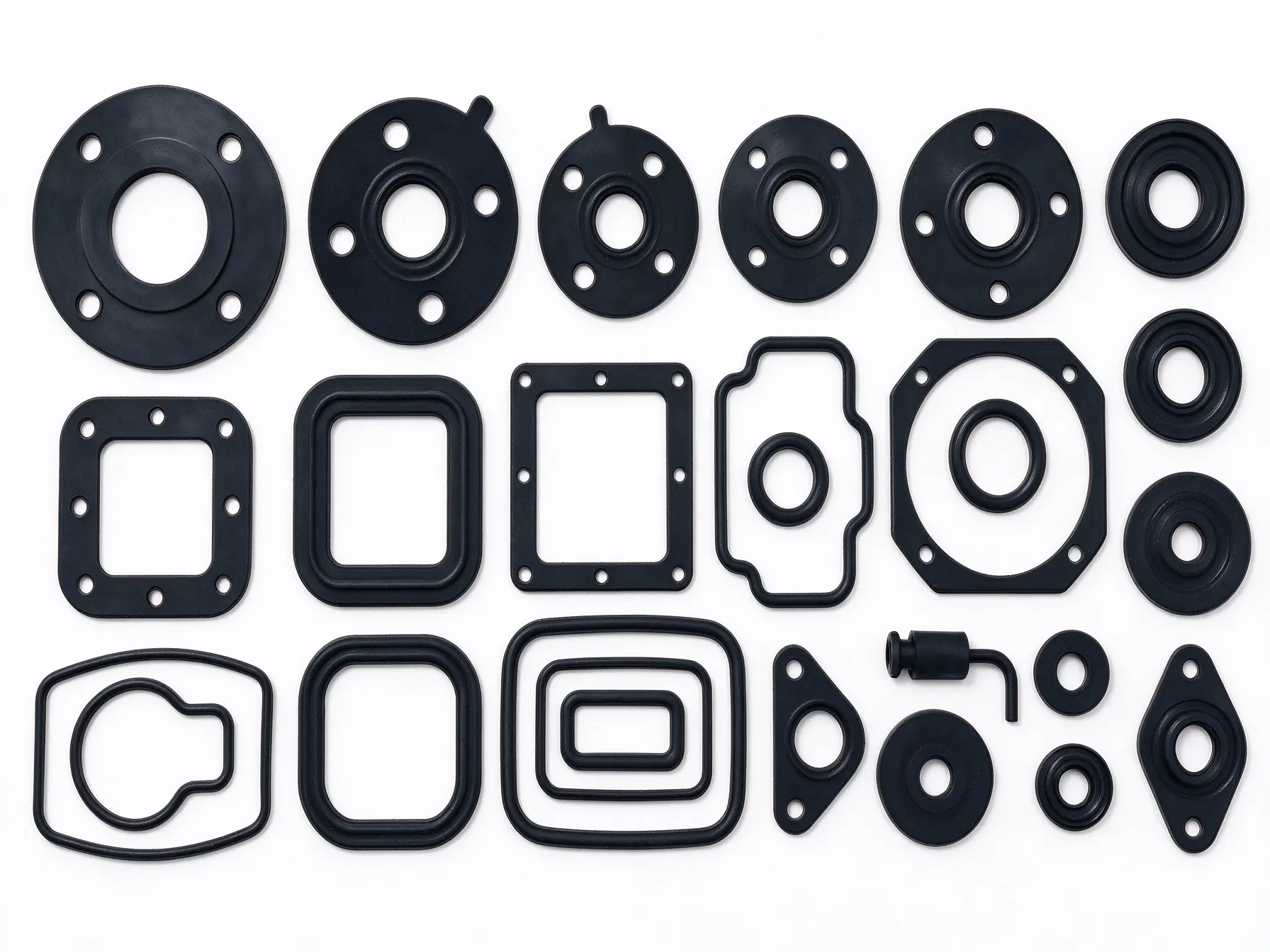
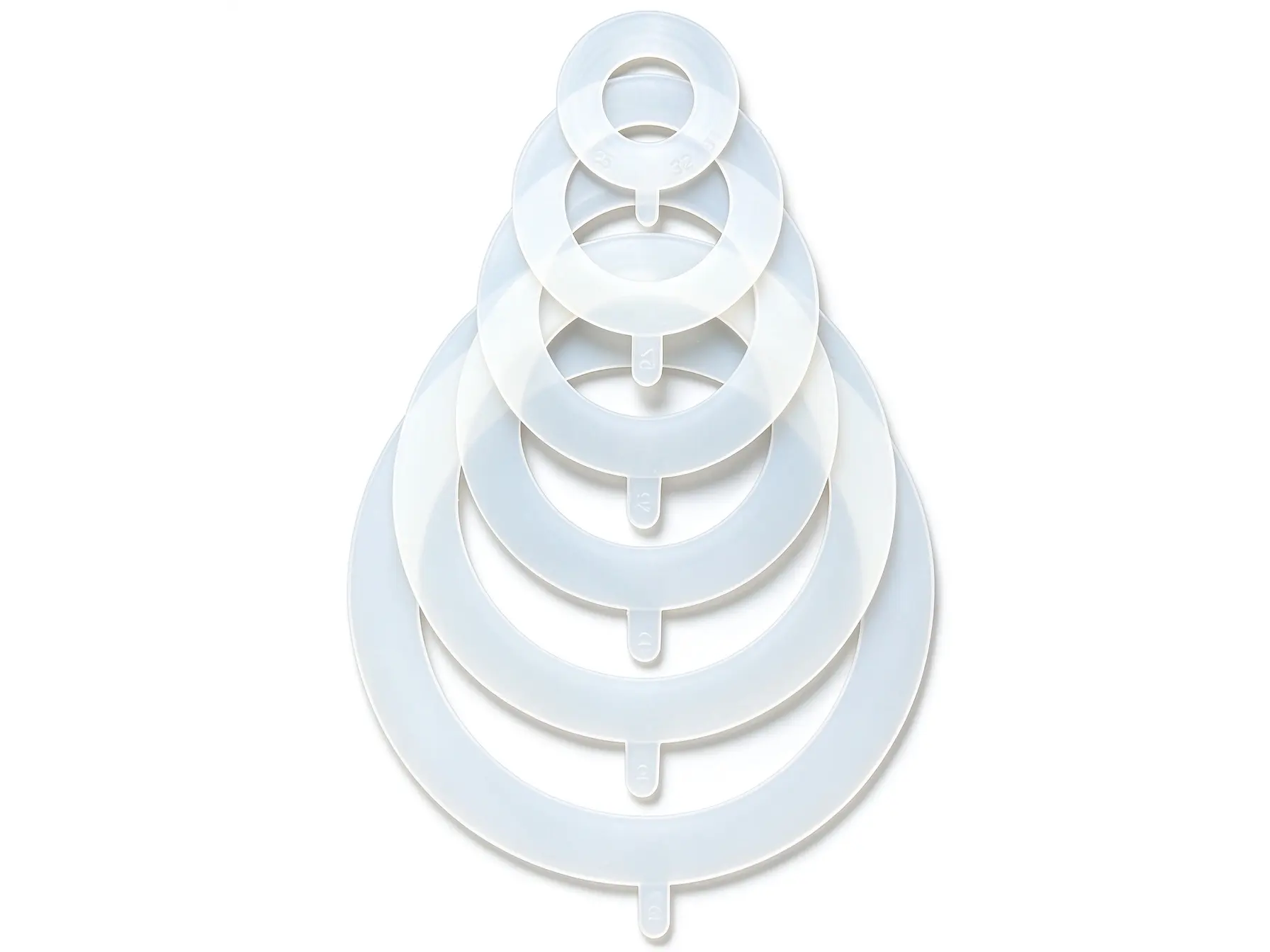
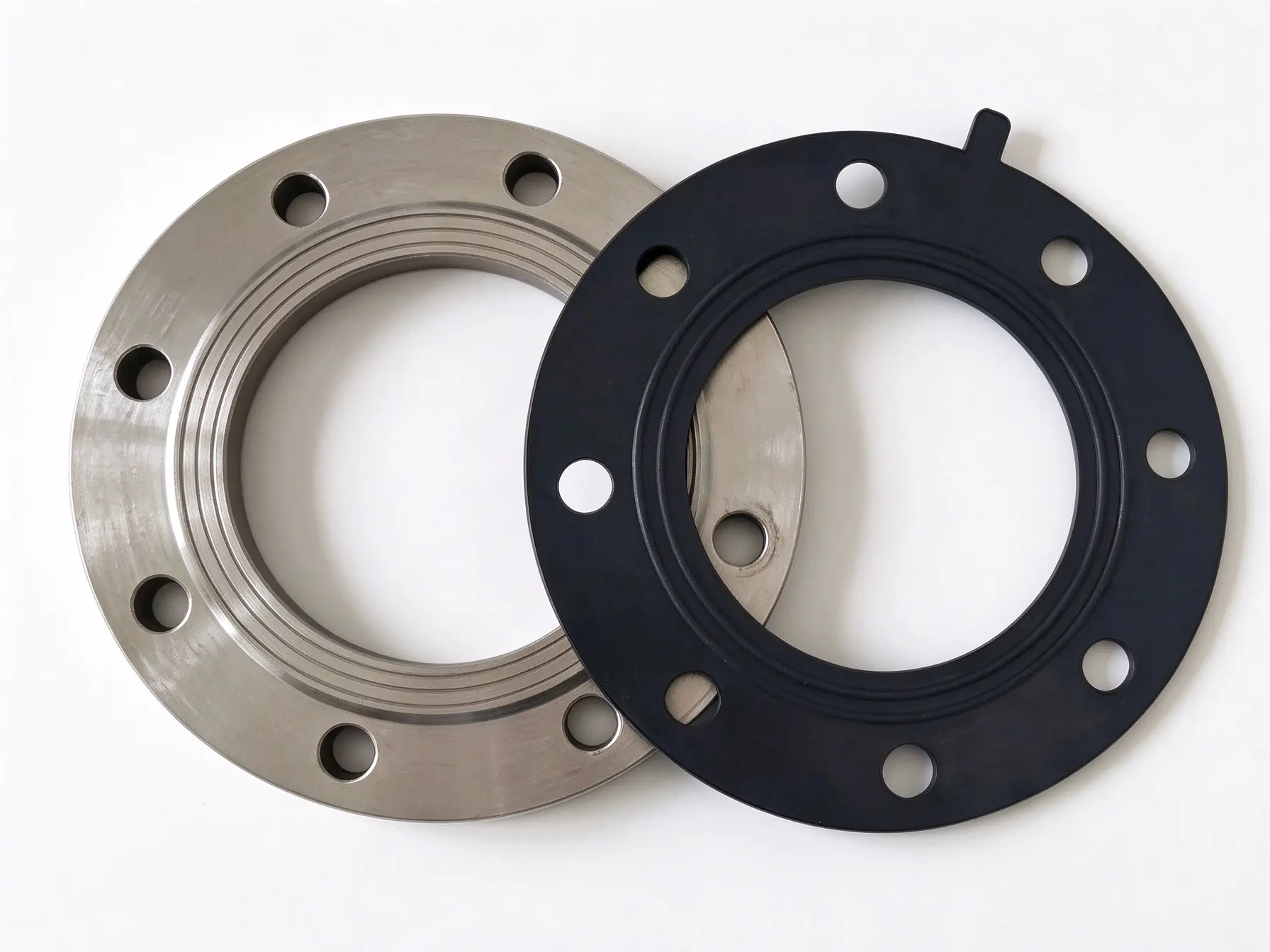
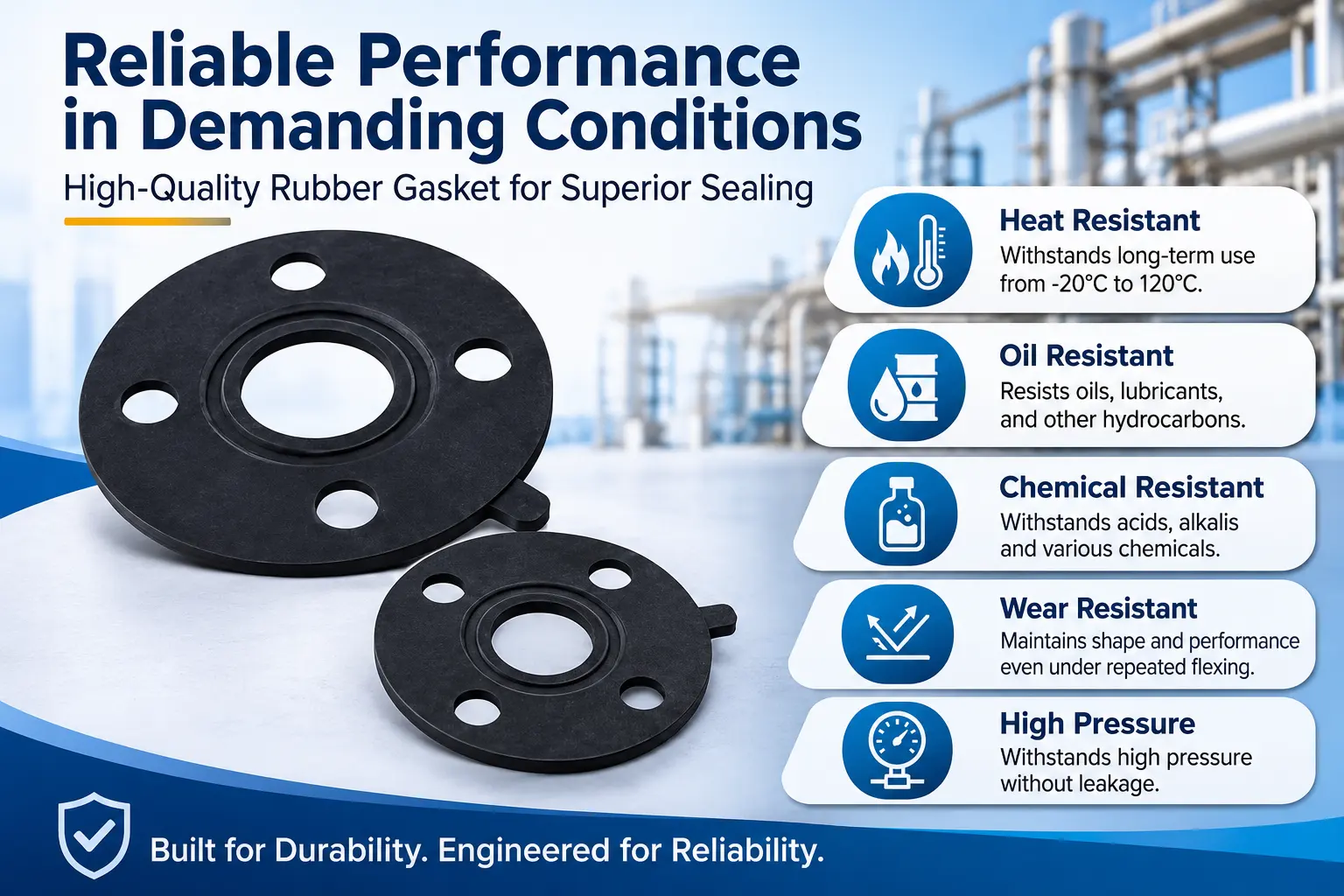
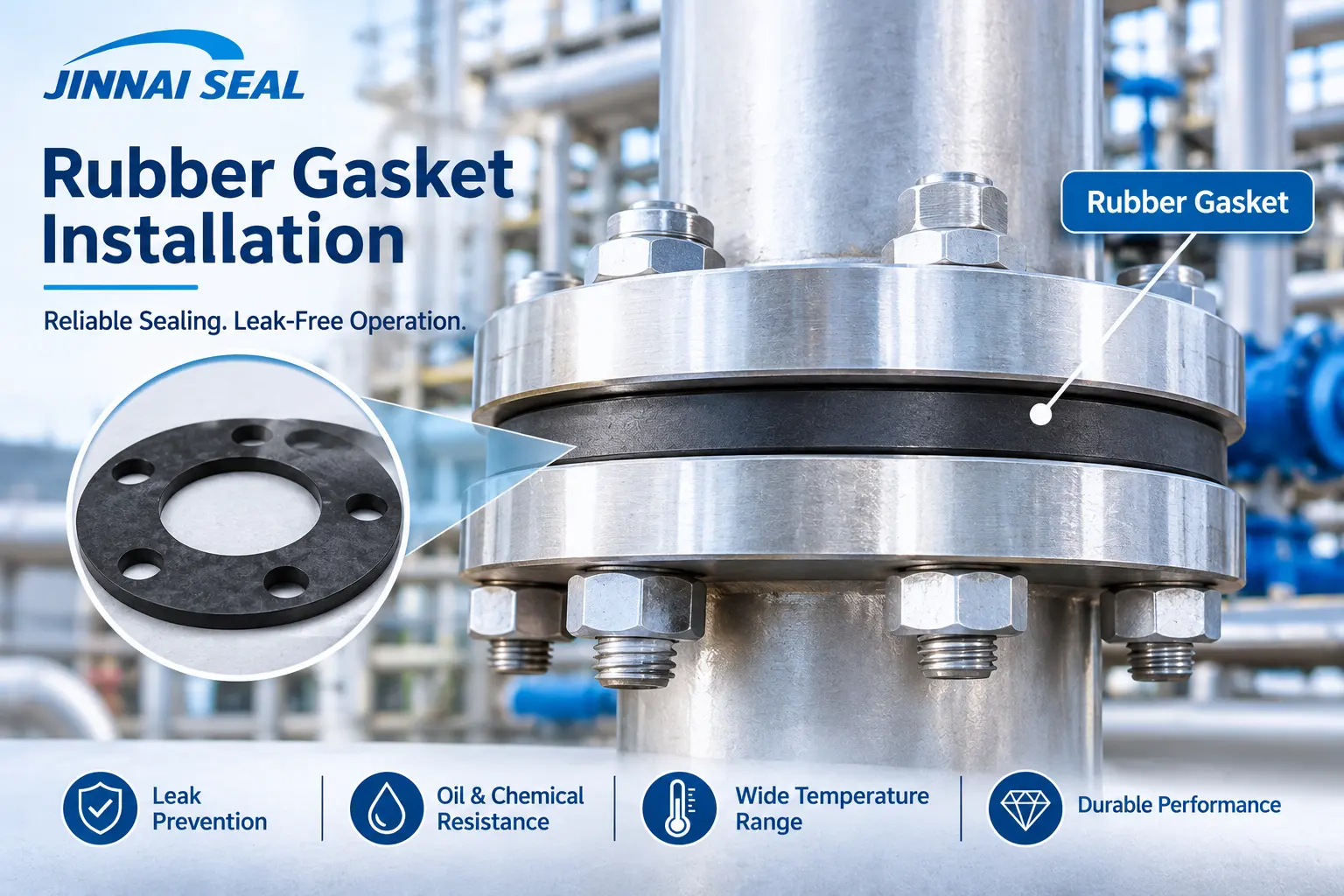
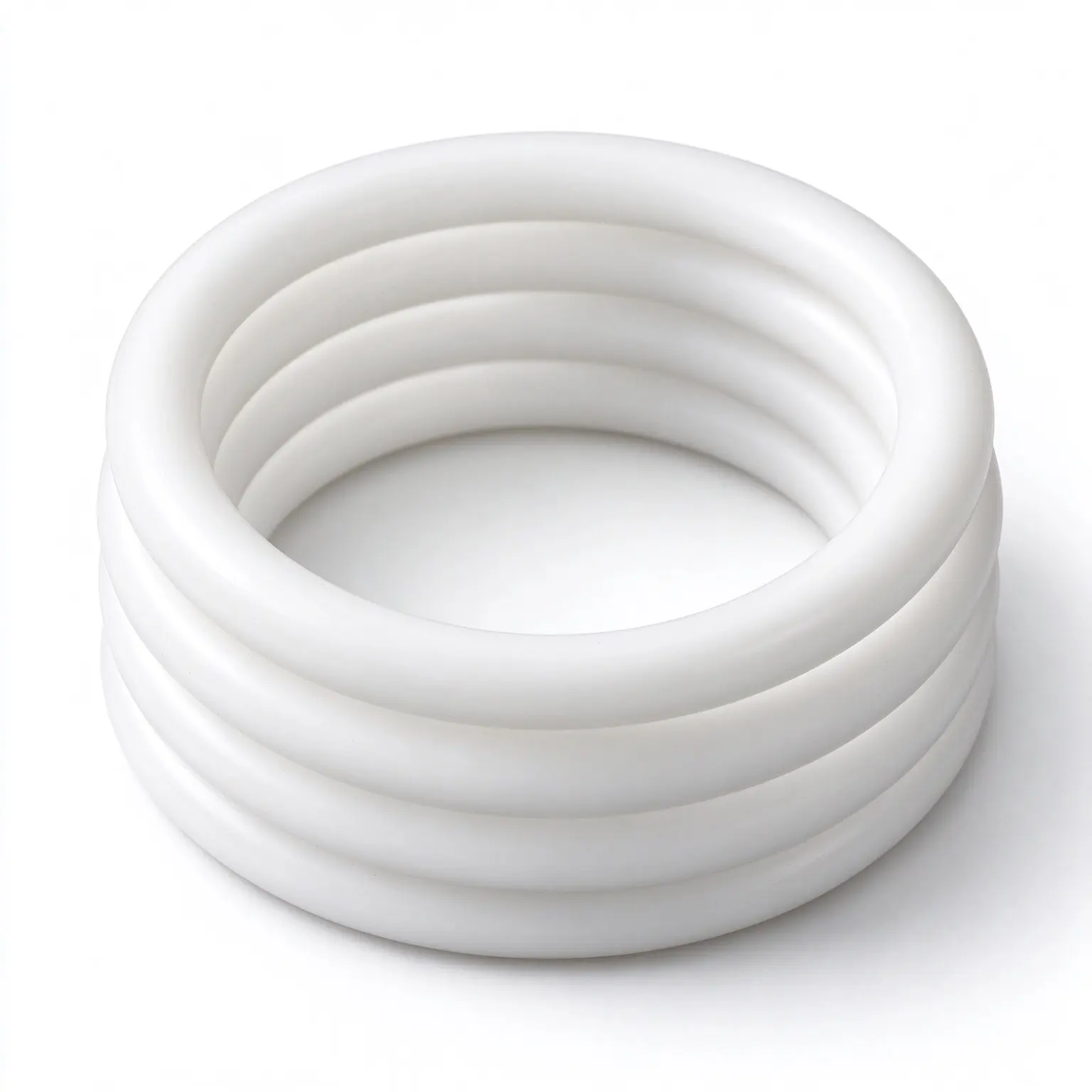
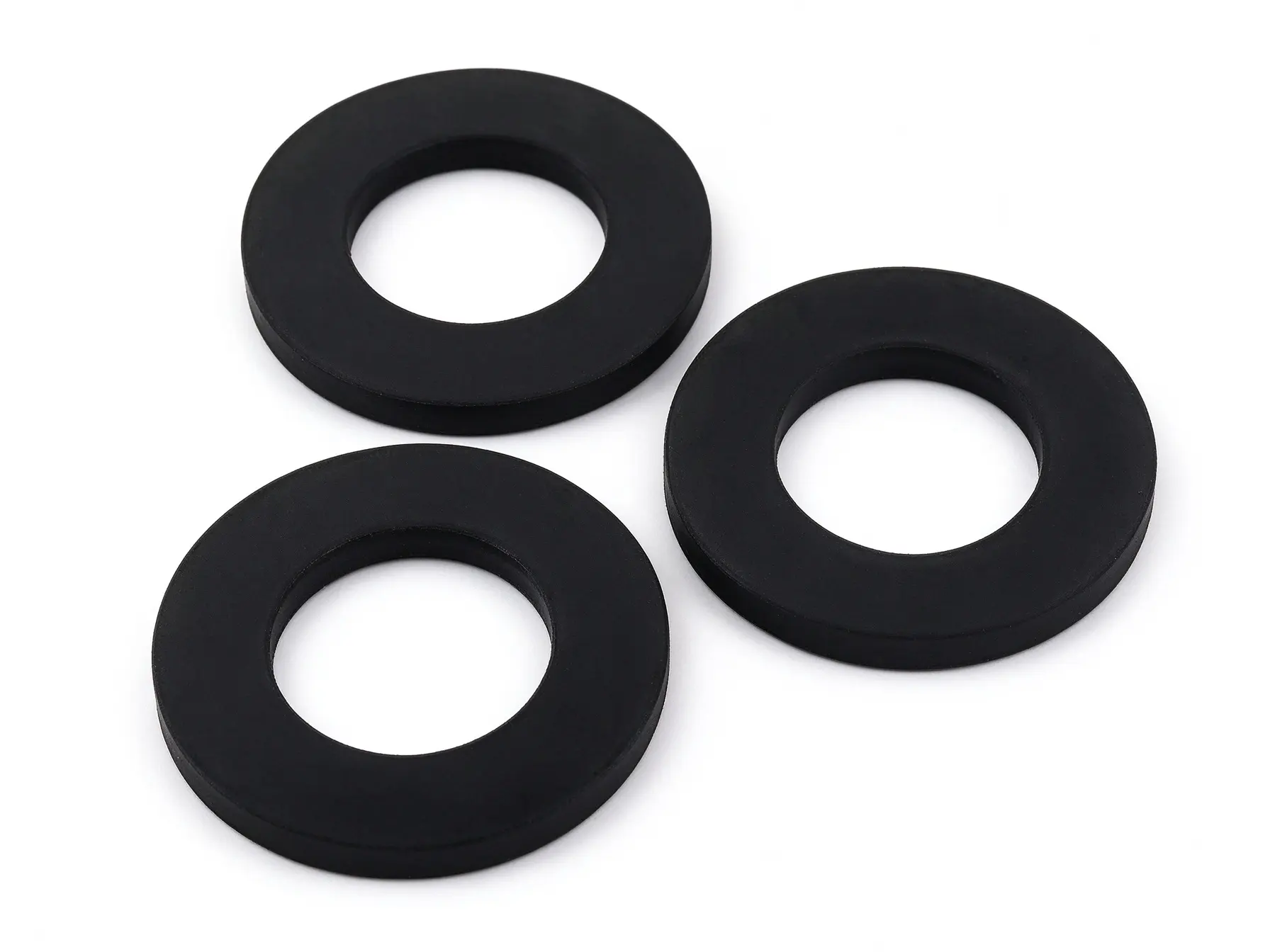
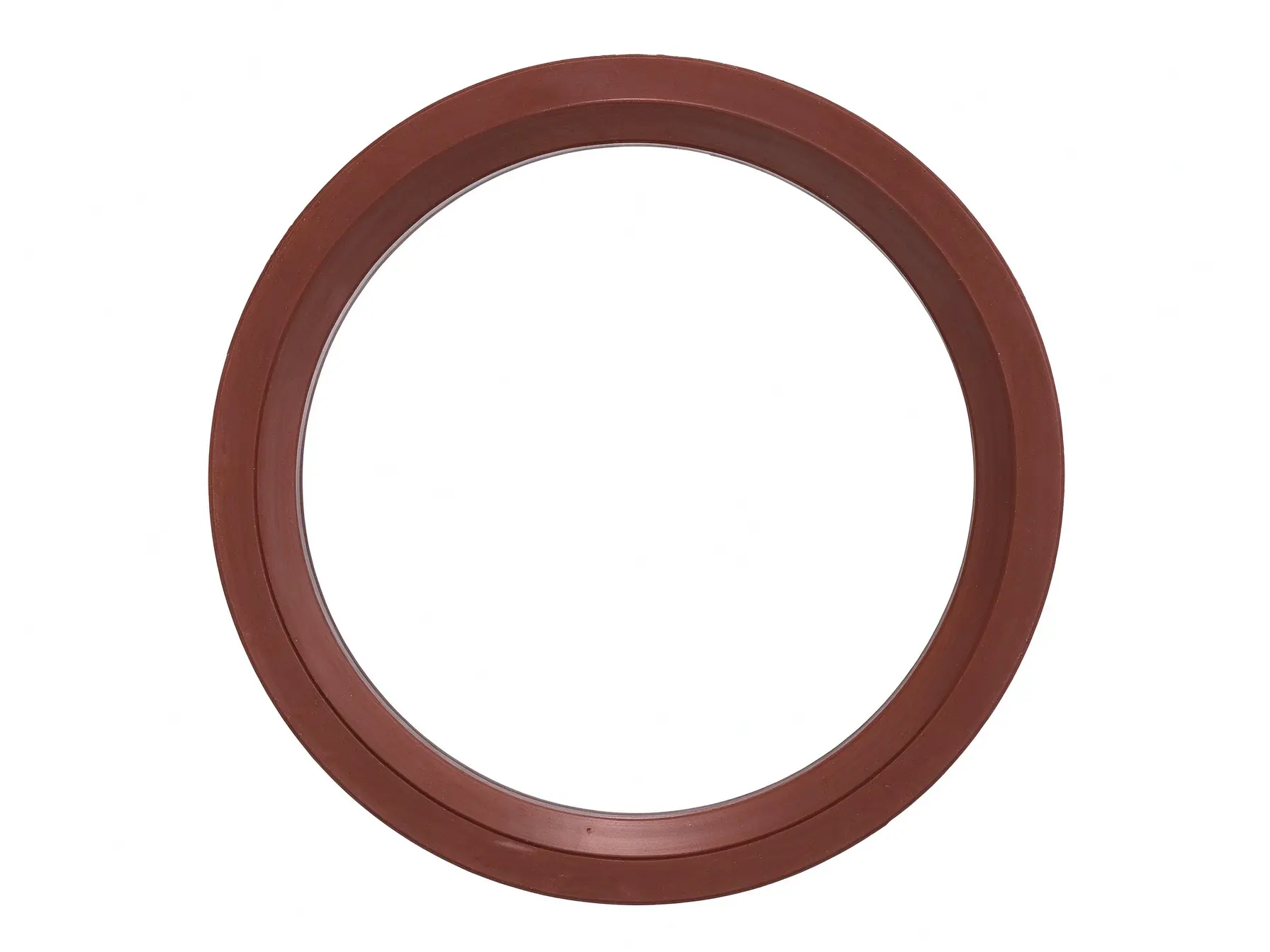
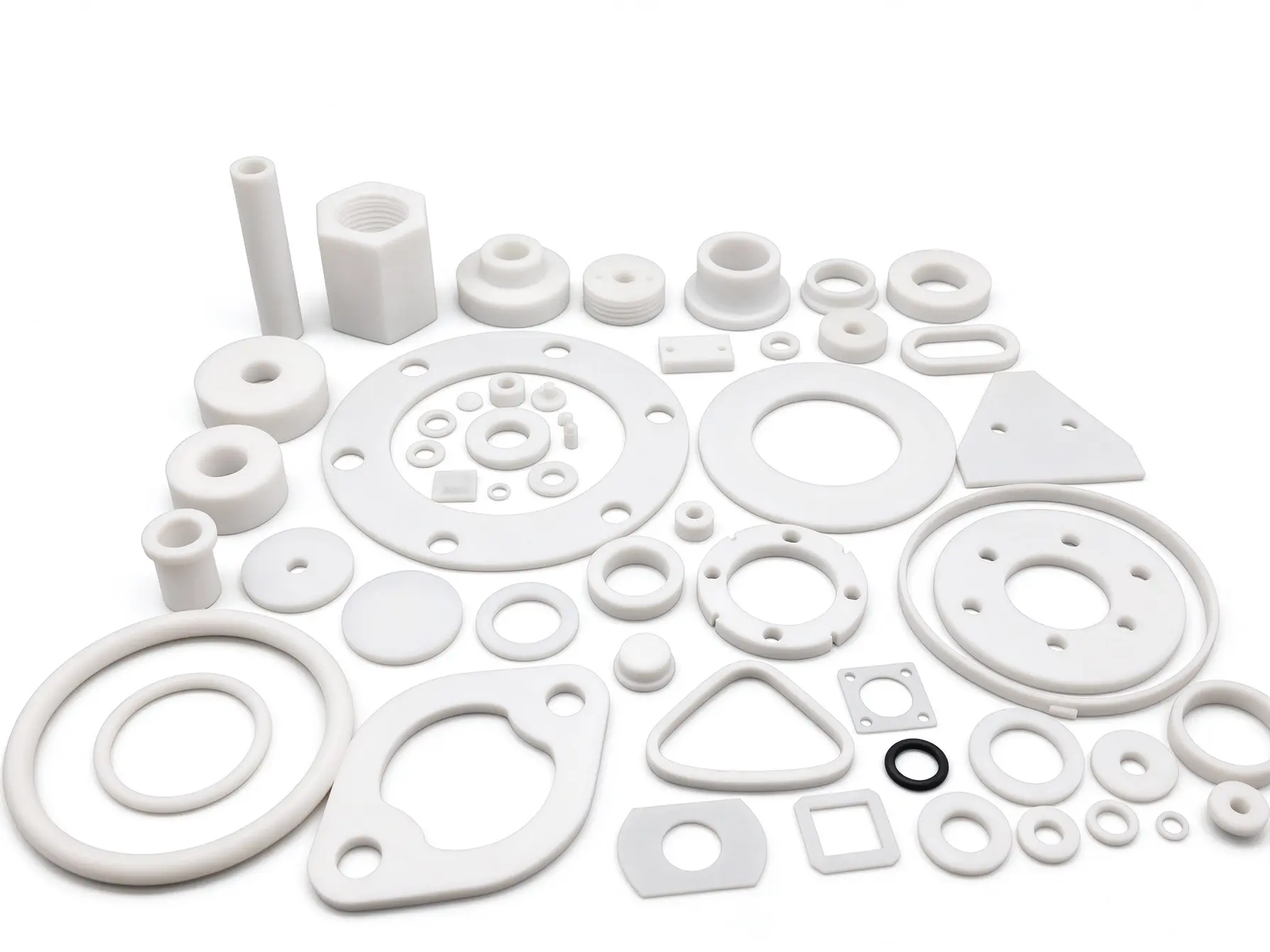
A rubber gasket is a sealing component made from elastomeric materials, designed to create a tight seal between two mating surfaces. When compressed during installation, it fills small gaps and surface irregularities to help prevent the leakage of liquids, gases, dust, and other contaminants.
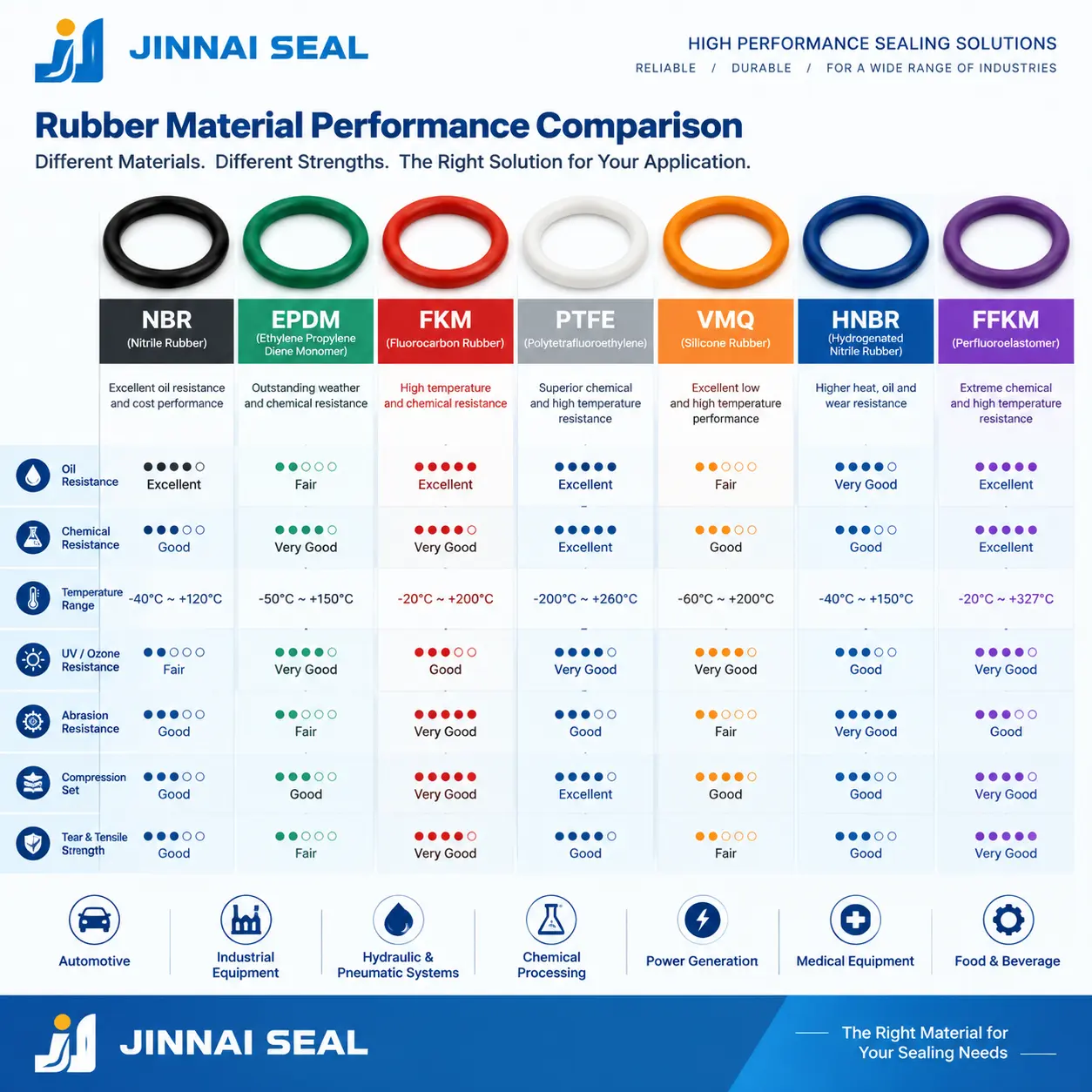
Rubber gaskets are available in various shapes, sizes, thicknesses, and materials, including NBR, EPDM, FKM, silicone, and other elastomers. Each material offers different properties to suit specific temperatures, media, and operating conditions.
Commonly used in industrial machinery, automotive systems, pumps, valves, pipelines, and fluid connections, rubber gaskets provide reliable sealing, vibration absorption, and protection for connected components. Custom rubber gaskets can also be manufactured according to drawings, samples, or application requirements.
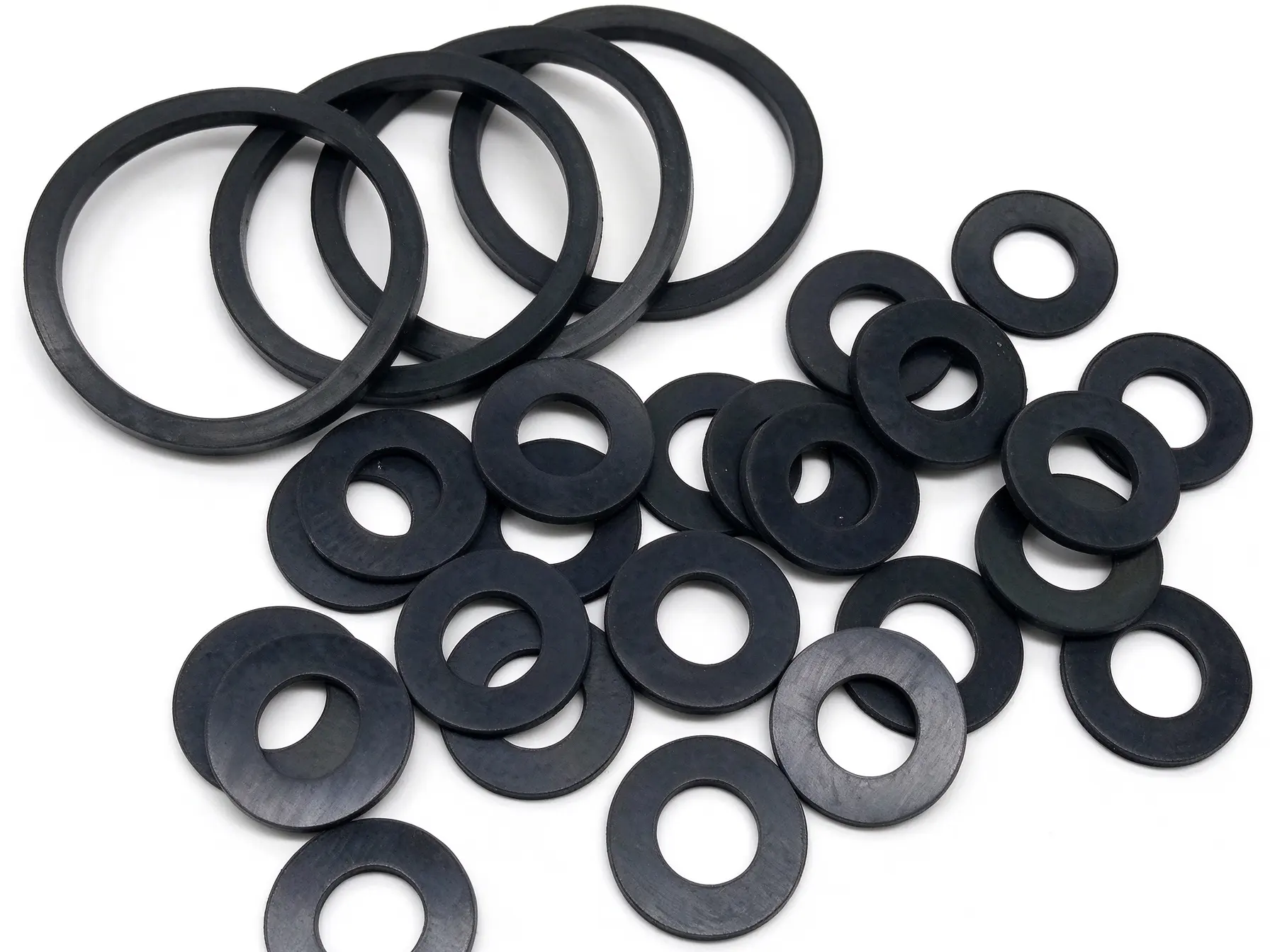
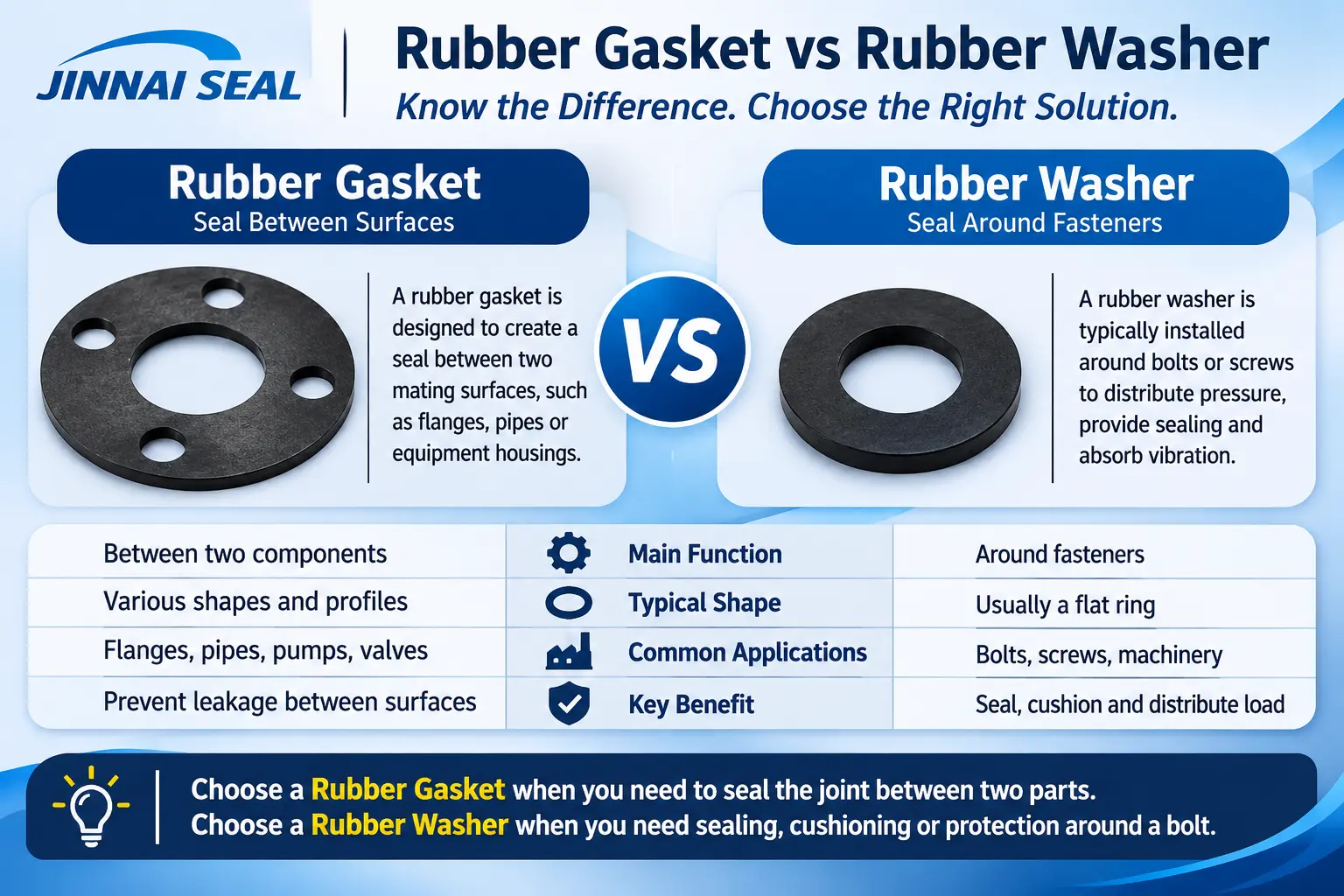
Rubber gaskets and rubber washers are both sealing components made from elastomeric materials. Although they may look similar, they differ mainly in their design, installation position, and intended applications.
Rubber gasket VS Rubber Washer
1. Rubber Gasket
A rubber gasket is primarily designed to create a seal between two mating surfaces. It is commonly installed between flanges, pipe connections, equipment housings, and other components to prevent the leakage of liquids or gases.
Key Features:
Designed for sealing between two mating surfaces.
Available in various shapes, sizes, and thicknesses.
Helps prevent liquid, gas, dust, and moisture leakage.
Commonly used in pumps, valves, pipelines, and industrial equipment.
2. Rubber Washer
A rubber washer is typically a small, flat ring with a central hole, installed around a bolt or screw. It is used to distribute fastening pressure, provide sealing under fastener heads, absorb vibration, and protect contact surfaces.
Key Features:
Usually installed around bolts, screws, or fasteners.
Helps distribute clamping force and reduce surface damage.
Provides sealing beneath bolt or screw heads.
Helps absorb vibration and prevent water or oil leakage.
Key Differences
Comparison
Rubber Gasket
Rubber Washer
Main Function
Sealing between mating surfaces
Sealing and cushioning around fasteners
Typical Shape
Various shapes and profiles
Usually a flat ring
Installation
Between two connected components
Around bolts or screws
Main Applications
Flanges, pipes, pumps, and valves
Bolts, screws, and mechanical fasteners
Available Materials
NBR Rubber – Good resistance to oils, fuels, and many industrial fluids.
EPDM Rubber – Suitable for water, steam, weather, and ozone exposure.
FKM Rubber – Offers excellent resistance to many oils, fuels, and chemicals.
Silicone Rubber – Provides flexibility and good performance across a wide temperature range.
HNBR Rubber – Offers improved heat, oil, and mechanical resistance compared with standard NBR.
Applications of Rubber Gaskets
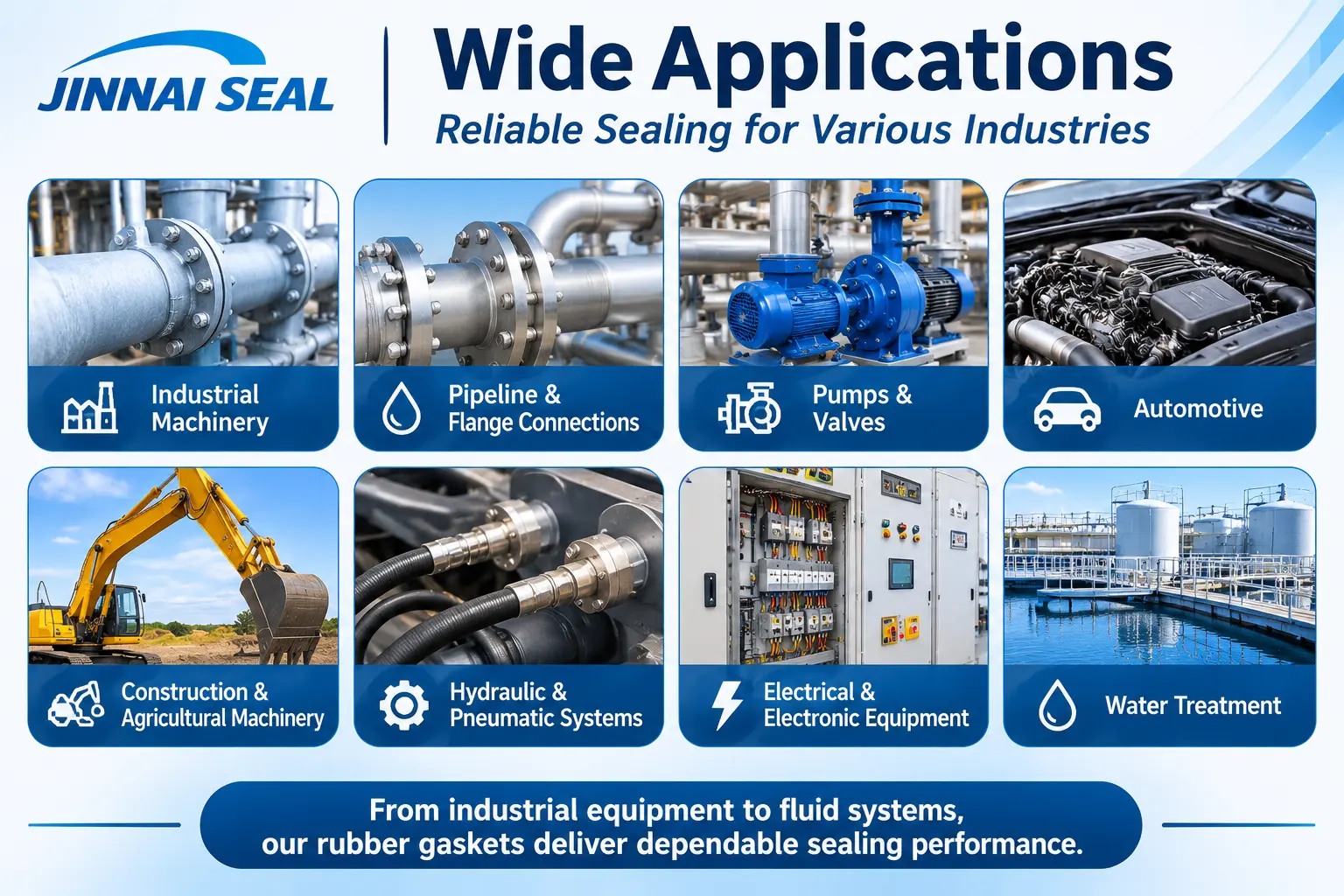
Rubber gaskets are widely used in industrial equipment, fluid handling systems, automotive components, and mechanical assemblies. They are installed between mating surfaces to create a reliable seal, helping prevent liquid and gas leakage while protecting equipment from dust, moisture, and external contaminants.
1. Industrial Machinery and Equipment
Rubber gaskets are commonly used in industrial machinery to seal joints between machine housings, covers, enclosures, and connecting components. They help prevent oil and fluid leakage, reduce the entry of dust and contaminants, and maintain stable equipment operation.
Typical Applications:
Industrial machine housings
Equipment covers and access panels
Mechanical joints and connections
Hydraulic and lubrication systems
2. Pipeline and Flange Connections
In pipeline systems, rubber gaskets are installed between flange faces to create a tight seal. Their elastic properties allow them to adapt to minor surface irregularities, helping prevent water, oil, air, and other fluid leakage.
Typical Applications:
Water supply and drainage pipelines
Industrial fluid transfer systems
Pipe flange connections
Pump and valve connections
Water treatment equipment
3. Pumps and Valves
Rubber gaskets are used in pumps and valves to seal static connection points, including covers, housings, inspection ports, and flange joints. They help maintain fluid containment and reduce leakage during equipment operation.
Typical Applications:
Centrifugal pumps
Industrial water pumps
Hydraulic pumps
Control valves
Pipeline valves and valve housings
4. Automotive and Transportation
Rubber gaskets are used in automotive and transportation equipment to seal component connections and protect internal parts from water, oil, dust, and other contaminants. Material selection depends on the operating temperature and the type of fluid involved.
Typical Applications:
Engine and transmission components
Oil system connections
Cooling system components
Automotive housings and covers
Commercial vehicles and heavy-duty equipment
5. Hydraulic and Pneumatic Systems
In hydraulic and pneumatic equipment, rubber gaskets provide static sealing between connected components. They help prevent hydraulic oil or compressed air leakage and support stable system operation.
Typical Applications:
Hydraulic power units
Hydraulic manifolds
Cylinder end covers
Pneumatic equipment connections
Hydraulic fittings and adapters
6. Electrical and Electronic Equipment
Rubber gaskets are used in electrical enclosures and electronic equipment to help prevent the entry of dust and moisture. They can also provide cushioning and vibration isolation for certain assemblies.
Typical Applications:
Electrical control cabinets
Junction boxes
Equipment enclosures
Electronic housings
Outdoor electrical equipment
7. Agricultural and Construction Machinery
Heavy-duty machinery often operates in environments involving vibration, dust, moisture, oil, and changing temperatures. Rubber gaskets help seal equipment housings and fluid connections, protecting internal components and supporting reliable operation.
Typical Applications:
Excavators and loaders
Agricultural tractors
Hydraulic attachments
Construction equipment housings
Agricultural machinery fluid systems
8. Food Processing and Water Treatment Equipment
Depending on the material grade and applicable compliance requirements, rubber gaskets can be used in water handling and food processing equipment. They help seal pipelines, tanks, pumps, and other fluid-contact connections.
Typical Applications:
Water filtration systems
Water treatment equipment
Food processing machinery
Fluid storage tanks
Industrial processing pipelines
Customization Options
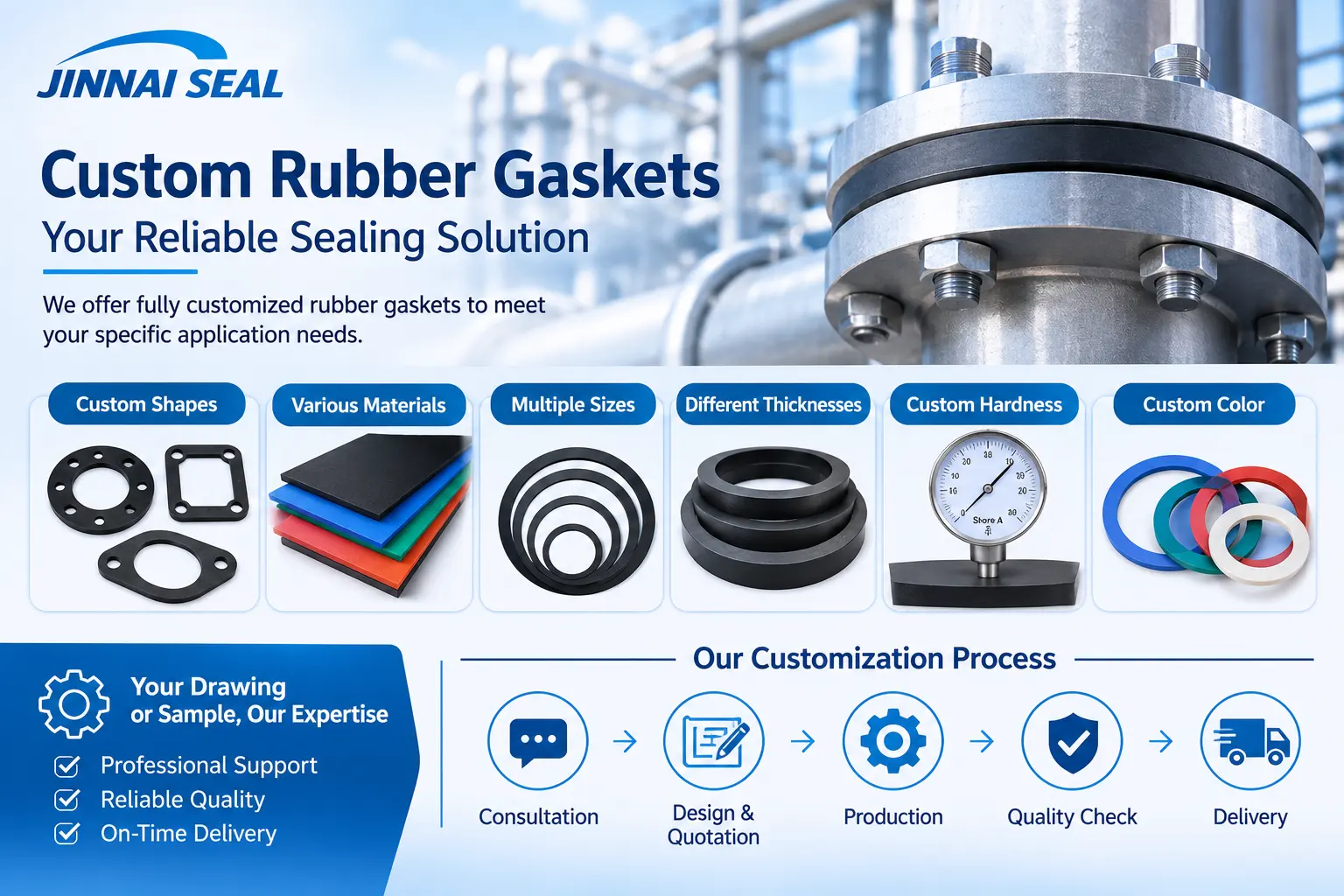
JINNAI SEAL provides custom rubber gasket solutions for different industrial sealing requirements. Products can be manufactured according to customer drawings, samples, dimensions, material specifications, and operating conditions.
Available material options include NBR, EPDM, FKM, silicone, and other elastomers, subject to application requirements.
Custom shapes and dimensions
Different thicknesses and hardness levels
Multiple rubber material options
Custom colors and surface finishes
Production based on drawings or samples
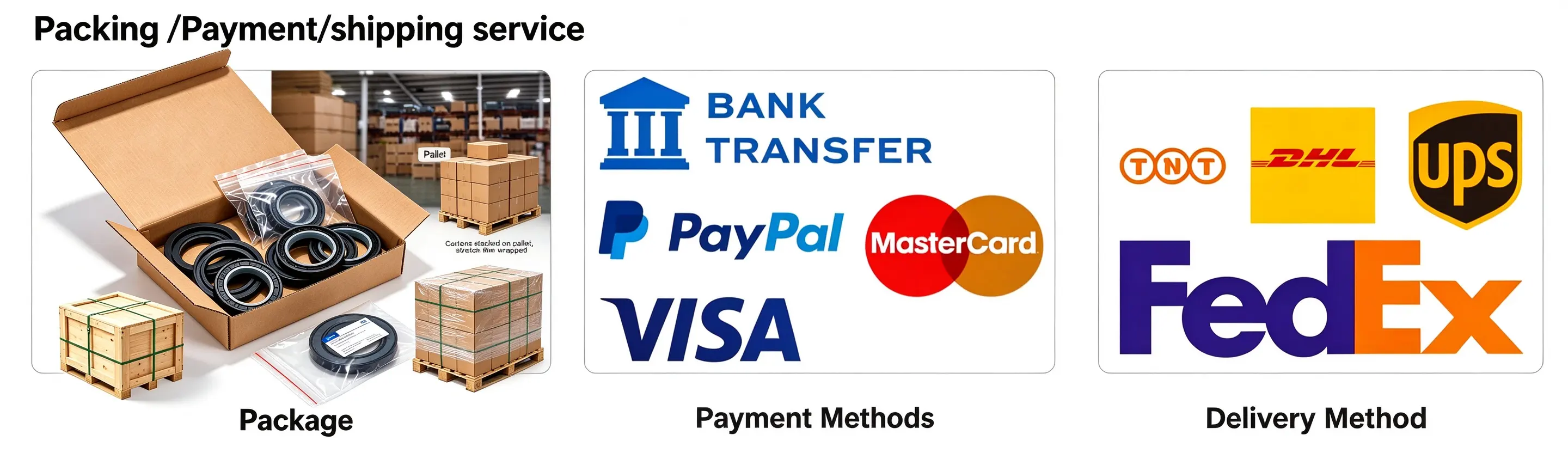
Packing /Payment/Shipping service
Package:We provide standard cartons, pallets and wooden cases. Custom packaging is available upon request to protect goods well for different shipments.
Payment Methods:Multi-currency settlement (CNY, USD, EUR, etc.). Multiple payment options including T/T, PayPal. Local bank transfer is available for some countries for faster transactions.
Delivery Method:We offer international express, air freight, sea freight and railway transport. You can also appoint your own forwarder for flexible delivery arrangements.
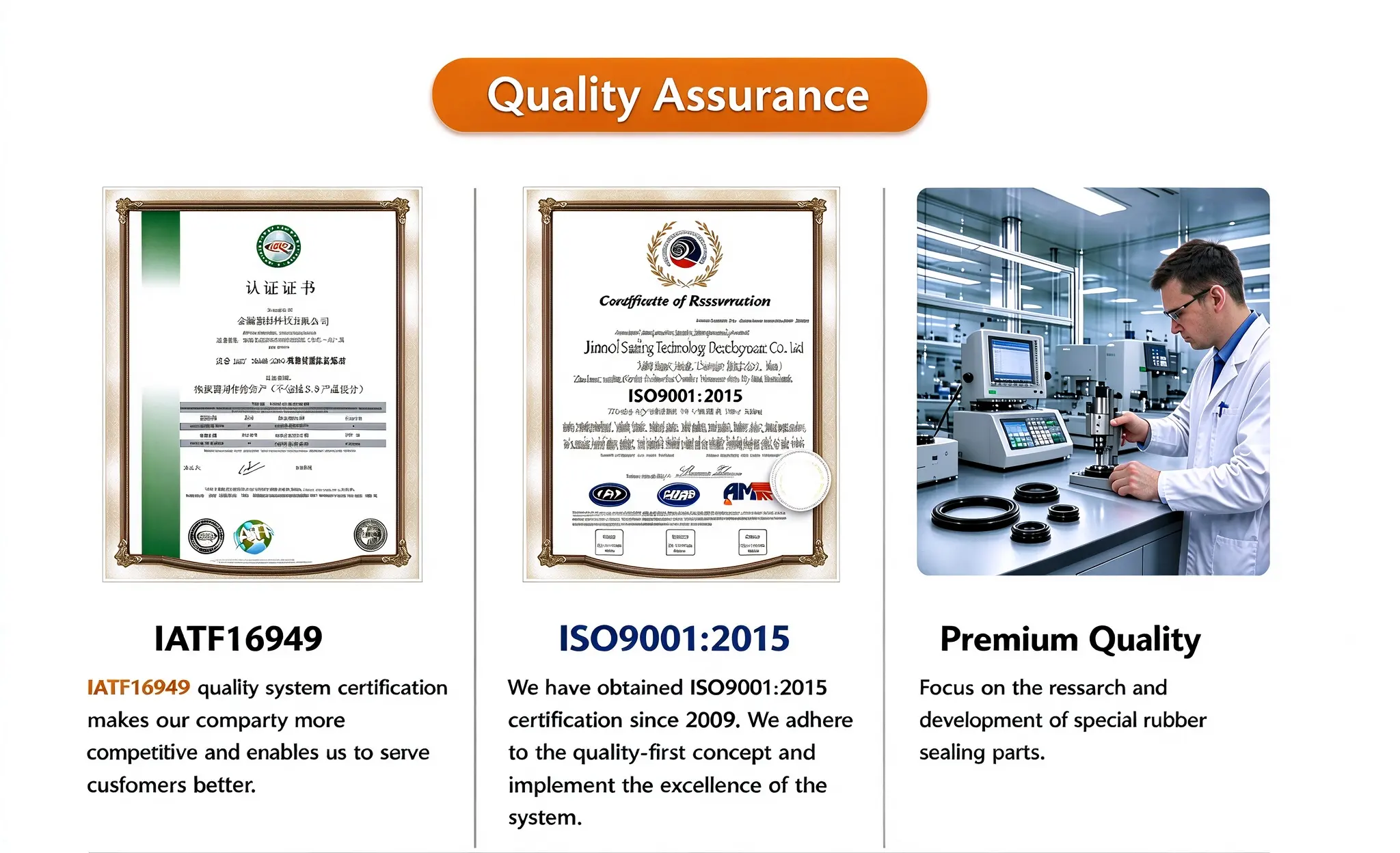
Quality Assurance
IATF16949 IATF16949 quality system certification makes our company more competitive and enables us to serve customers better.
ISO9001 We have obtained ISO9001 certification since 2009. We adhere to the quality-first concept and implement the essence of the system.
Premium Quality Focus on the research and development of special rubber sealing parts.
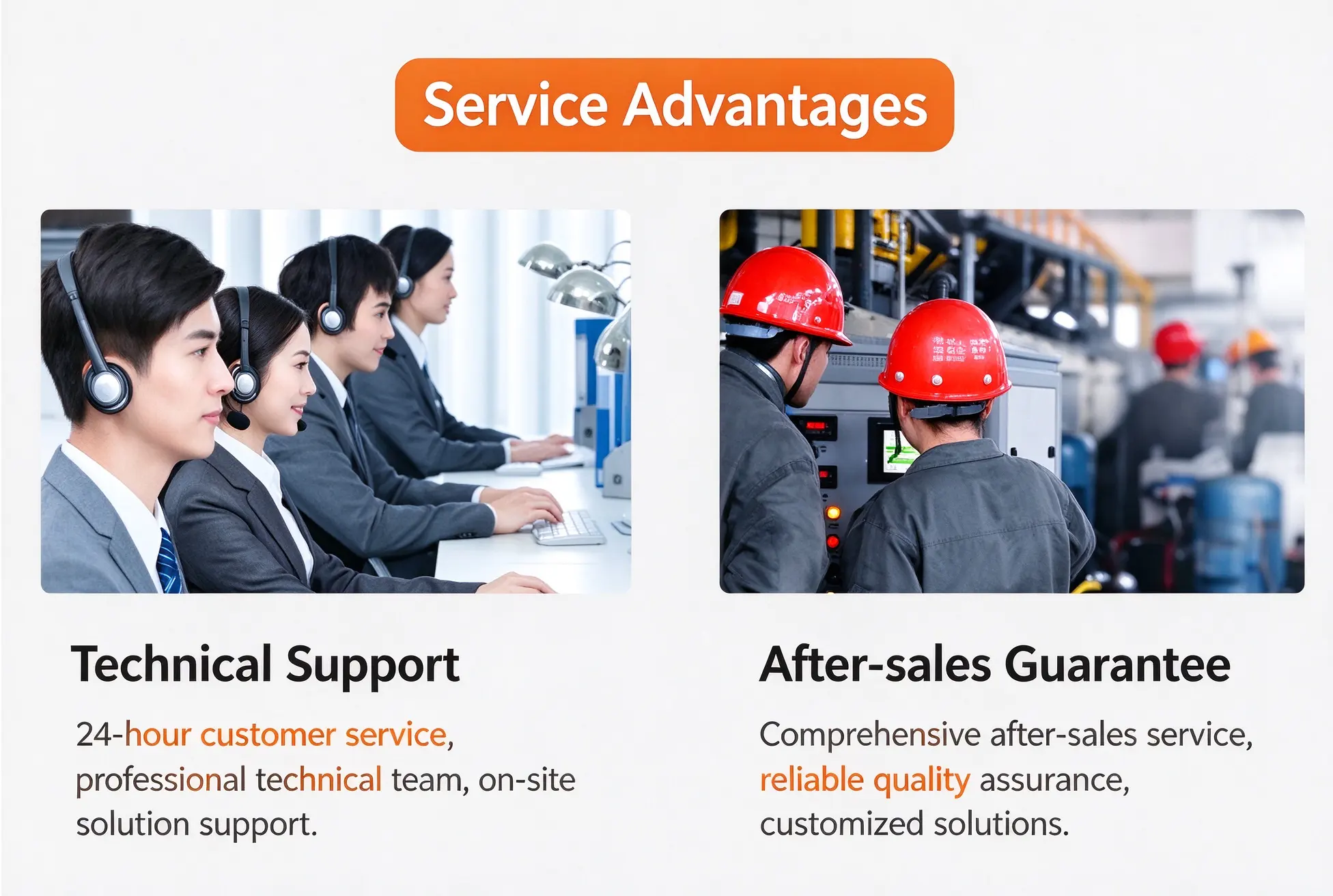
Service Advantages
Technical Support 24-hour customer service, professional technical team, on-site solution support.
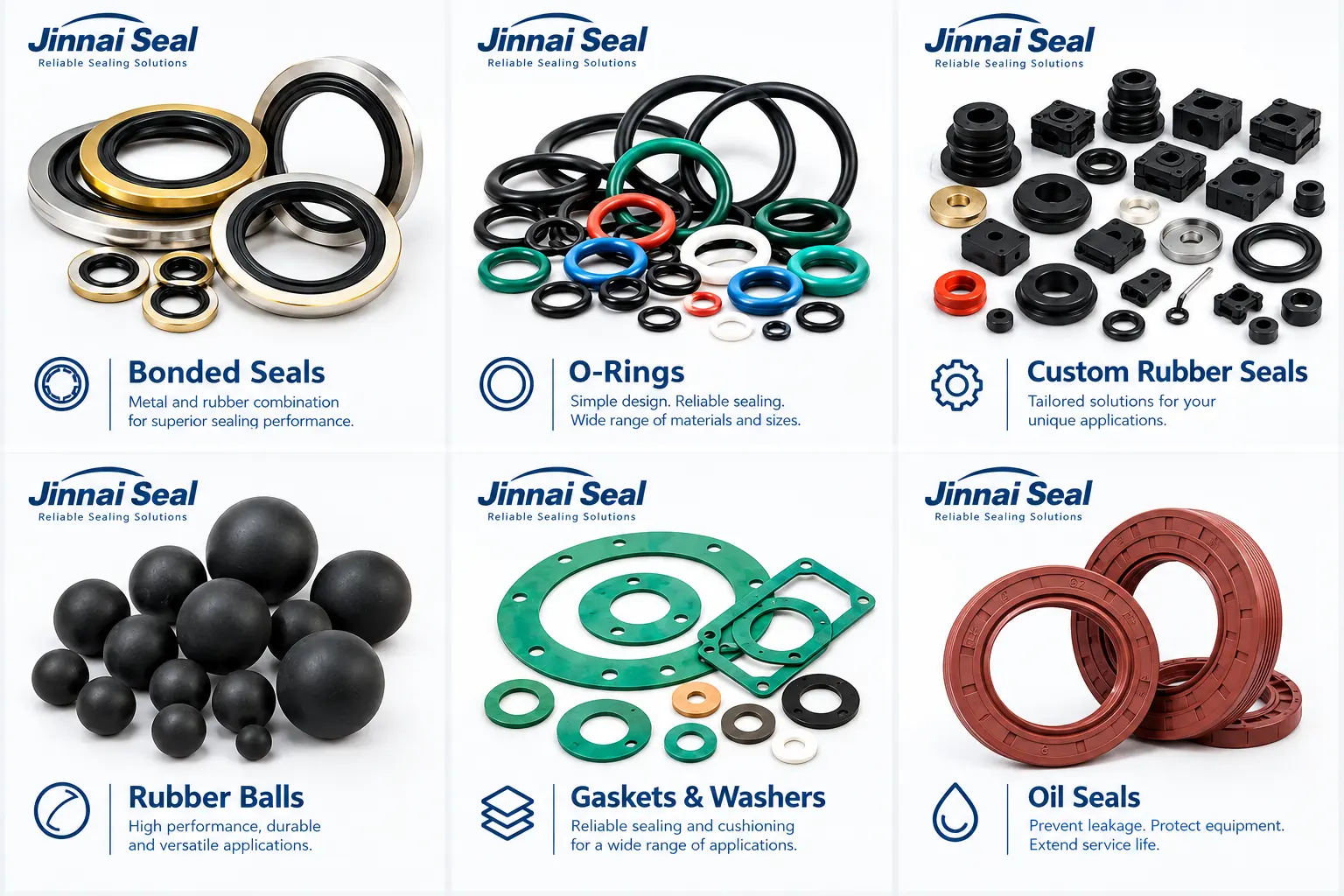
Jinnai Seal specializes in manufacturing a wide range of sealing products, including bonded seals, rubber O rings, custom rubber seals, rubber balls, gaskets and washers, and oil seals. We offer various materials, sizes, colors, and hardness options to meet diverse industrial requirements. With flexible customization and a focus on product quality, we provide reliable sealing solutions for automotive systems, hydraulic and pneumatic equipment, pumps, valves, chemical processing, and general industrial applications. Standard sizes and customized products are available to meet your specific needs.
FAQs
What materials are available for rubber gaskets?
Common materials include NBR, EPDM, FKM, silicone, and HNBR. Each material offers different properties to suit specific sealing conditions and operating environments.
How do I choose the right rubber gasket material?
Material selection depends on the working temperature, contact medium, pressure, and operating environment. For example, NBR is commonly used for oil sealing, while EPDM is suitable for water and weather exposure.
Can rubber gaskets be used for flange sealing?
Yes. Rubber gaskets are widely used between flange faces to help prevent leakage of liquids and gases. The gasket material, thickness, and design should match the flange structure and operating conditions.
What is the operating temperature range of rubber gaskets?
The temperature range depends on the rubber material and compound formulation. Different materials offer different temperature capabilities, so selection should be based on the actual application requirements.
Can you manufacture custom rubber gaskets according to drawings or samples?
Yes. JINNAI SEAL provides custom rubber gasket manufacturing based on customer drawings, samples, or specifications, including custom shapes, dimensions, thicknesses, hardness, and materials.
What causes gasket leakage or creep relaxation?
Common causes are uneven or insufficient compression, over-compression, damaged flange faces, wrong material, and creep under sustained load or thermal cycling.