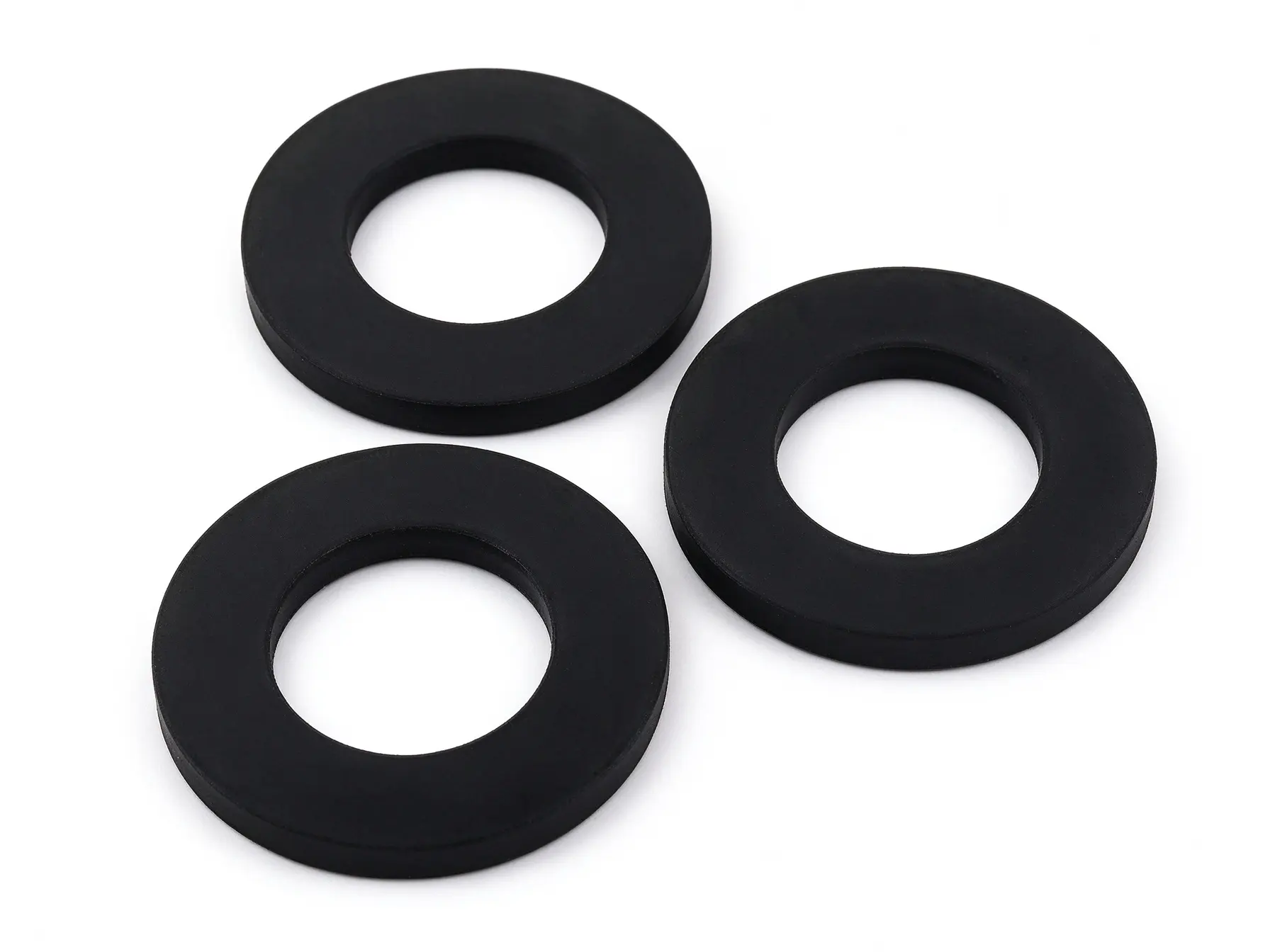
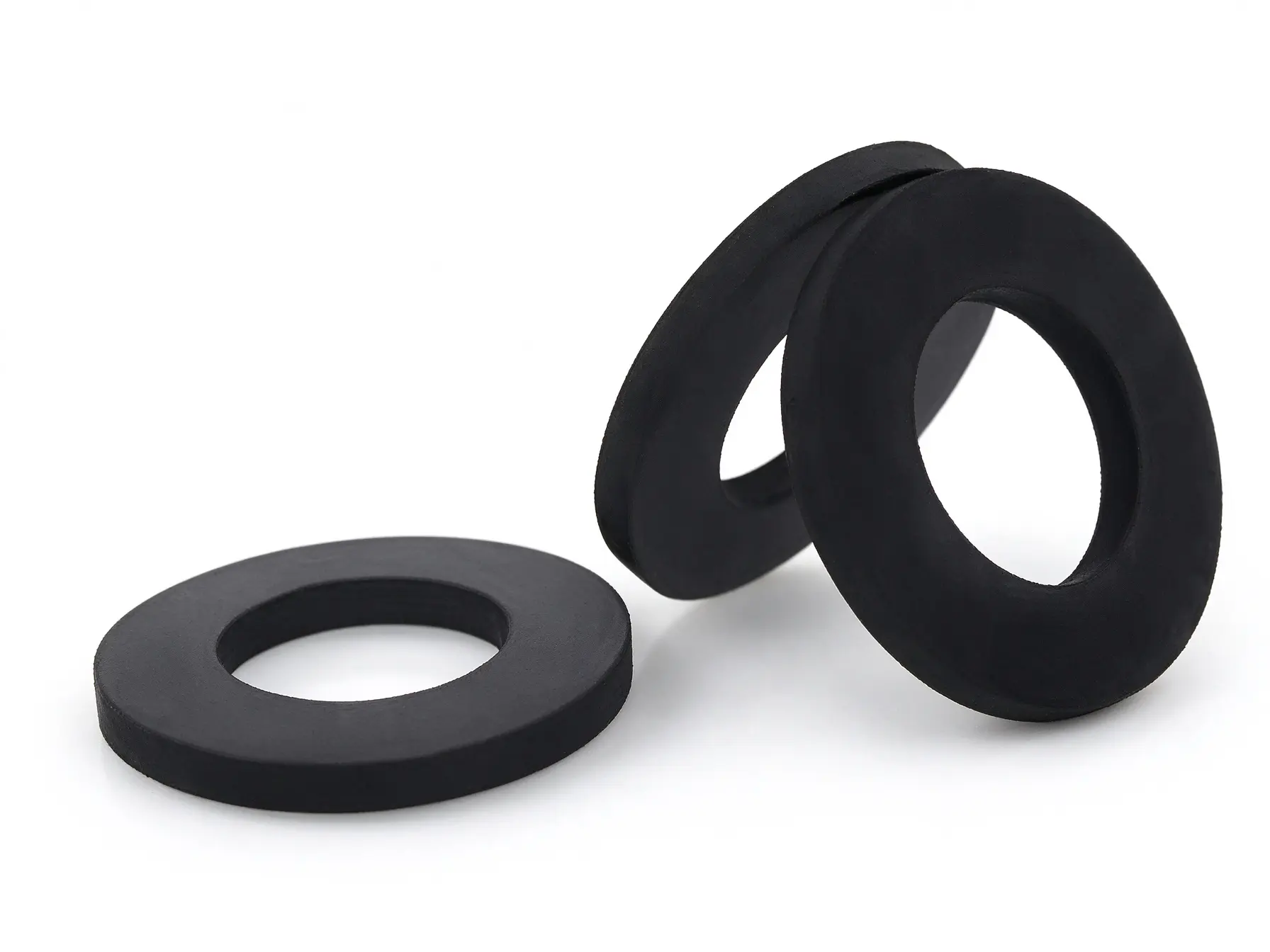
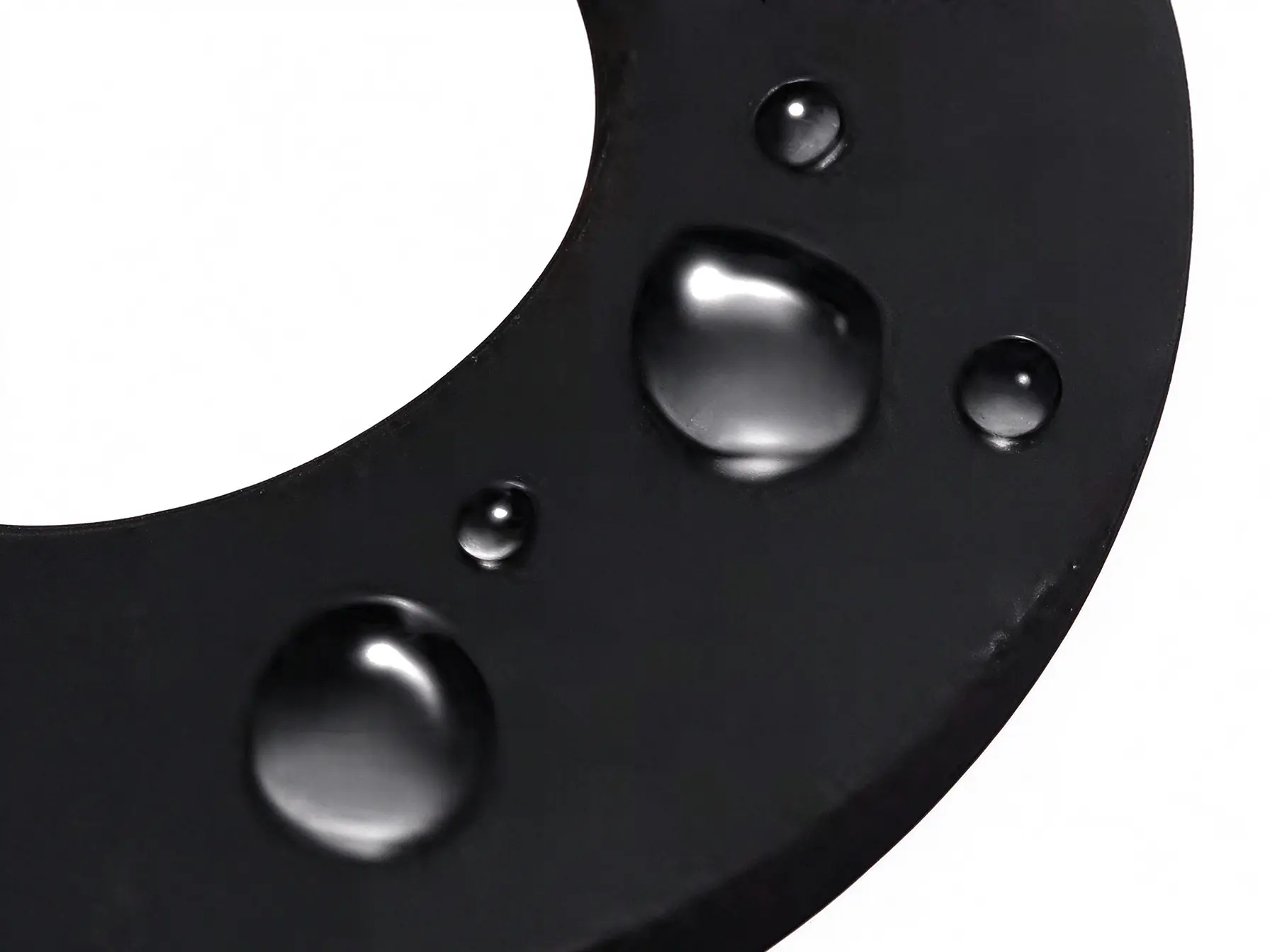
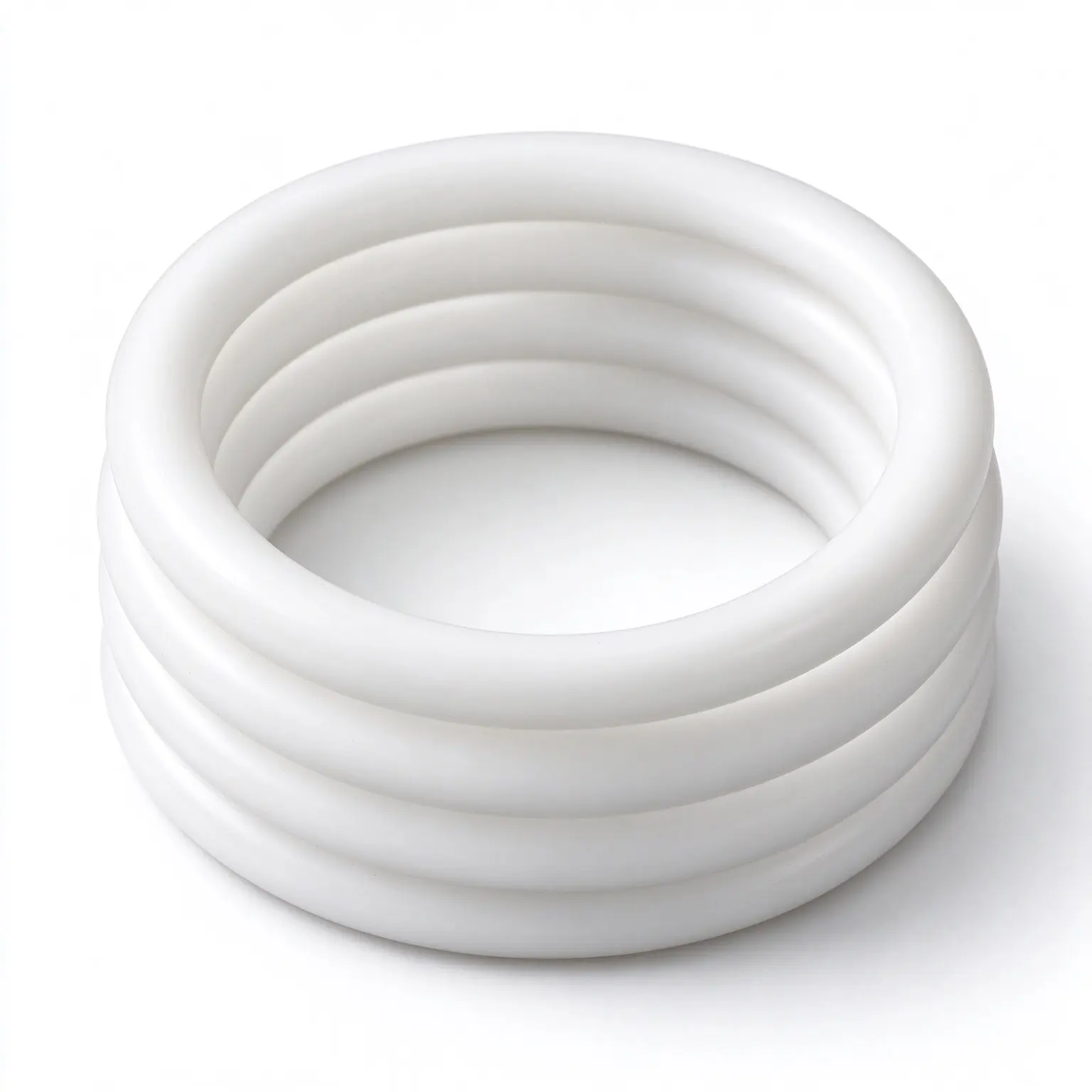
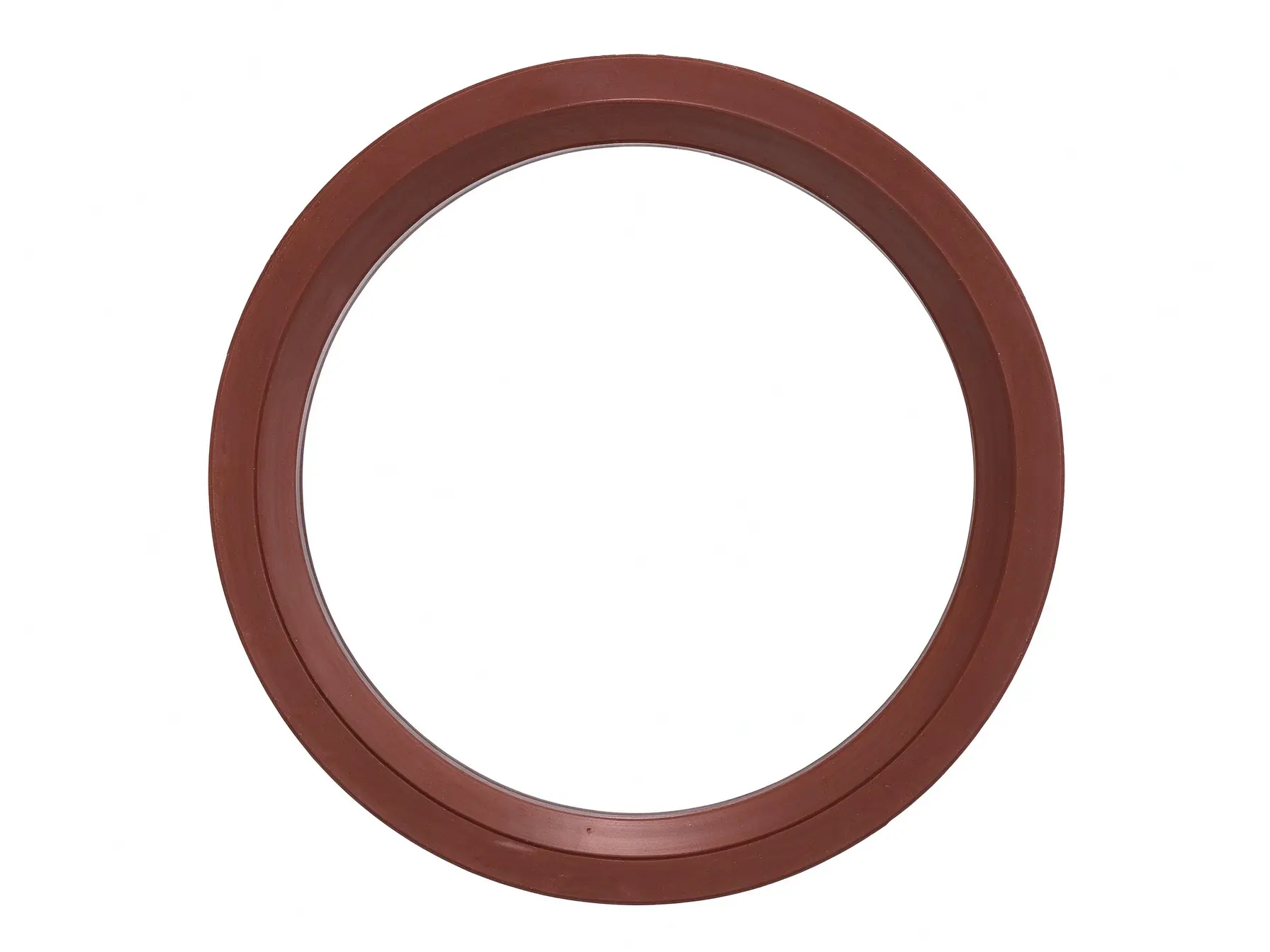
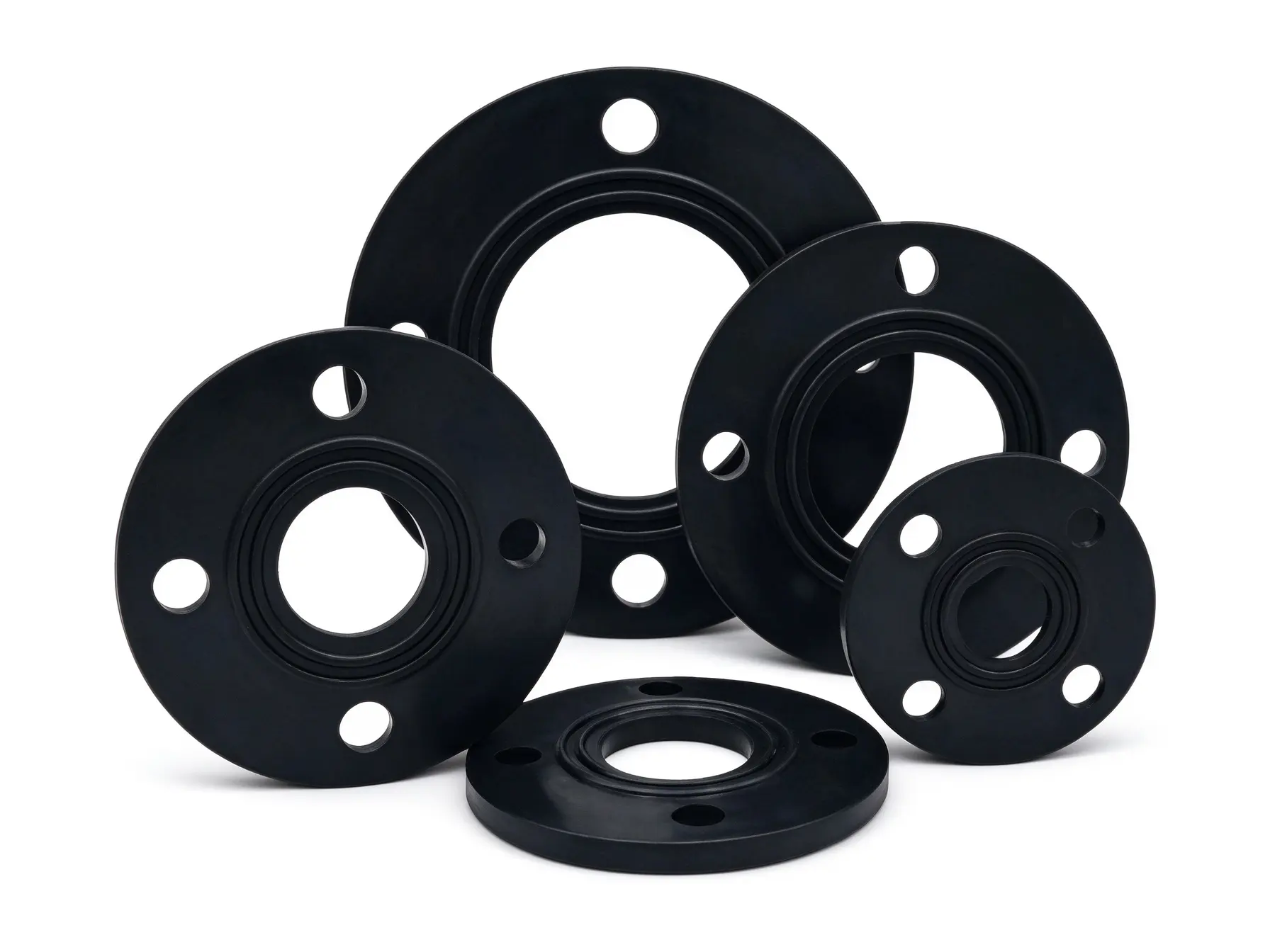
Made from durable, wear-resistant rubber, this gasket delivers reliable insulation, waterproofing, and anti-slip performance for everyday sealing applications.
The shock-absorbing and cushioning design helps reduce vibration, protect mating surfaces, and maintain a stable fit under repeated use.
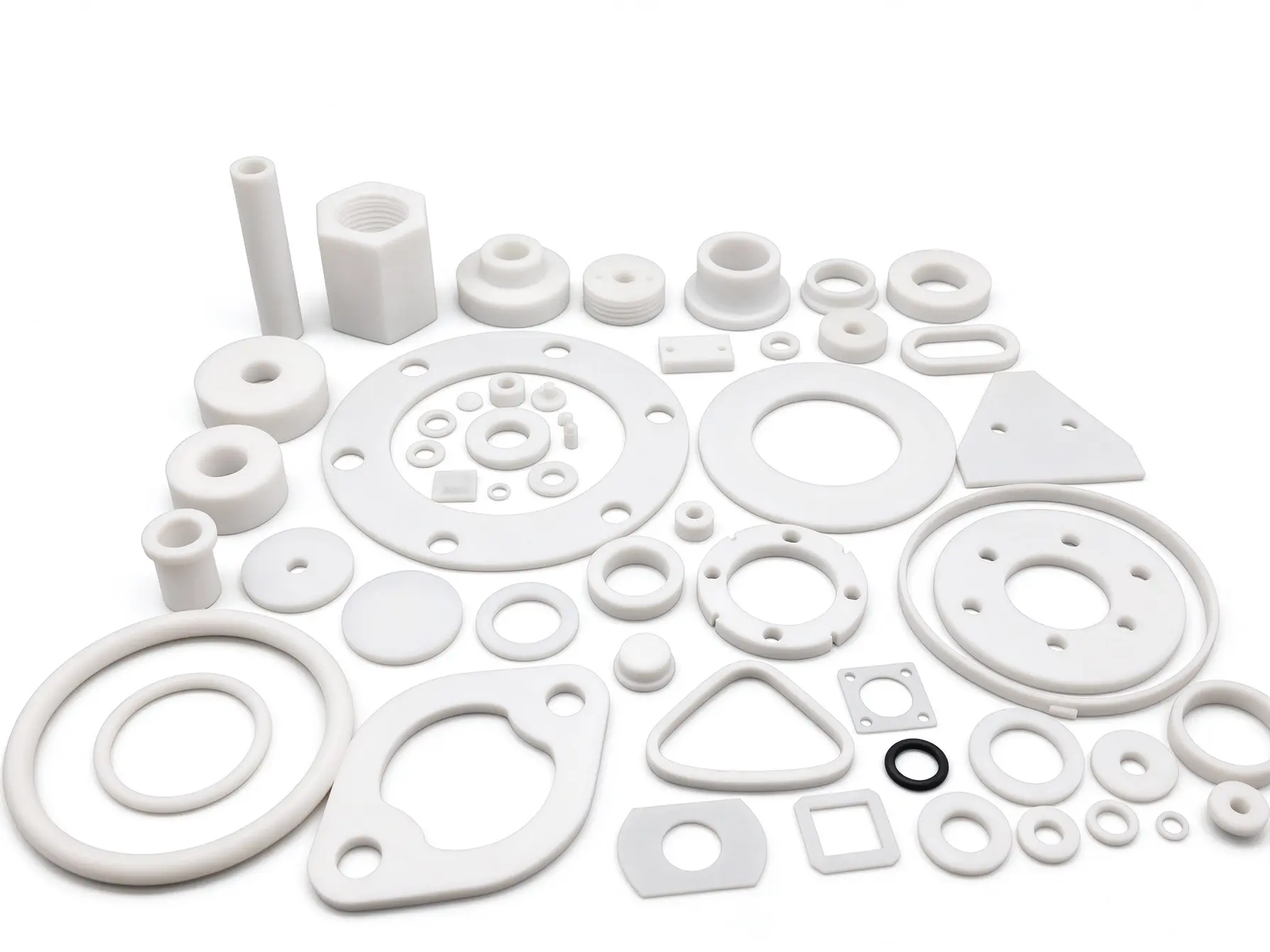
Designed for effective sealing in industrial and equipment applications, with custom sizes and specifications available to meet different installation needs.
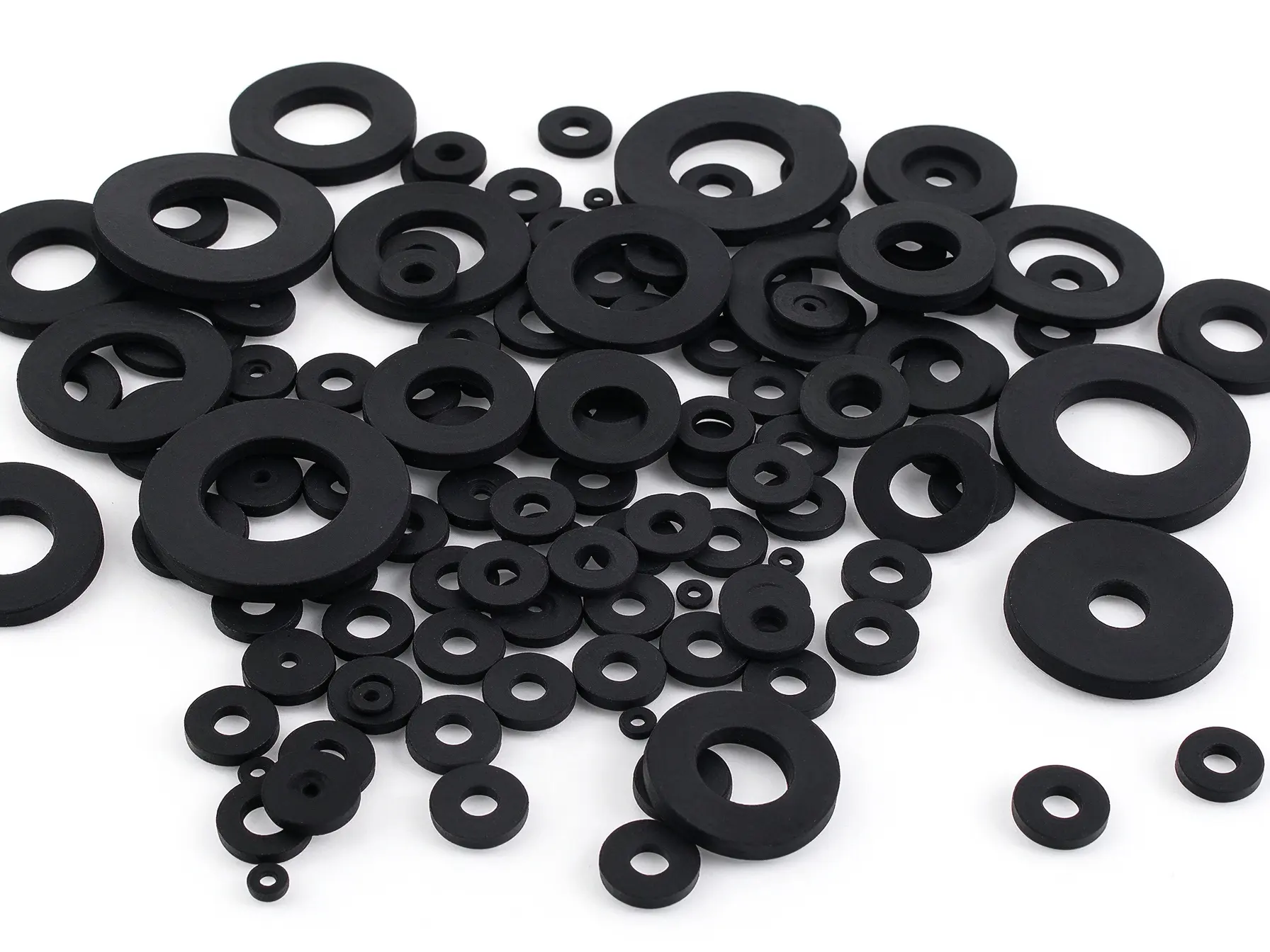
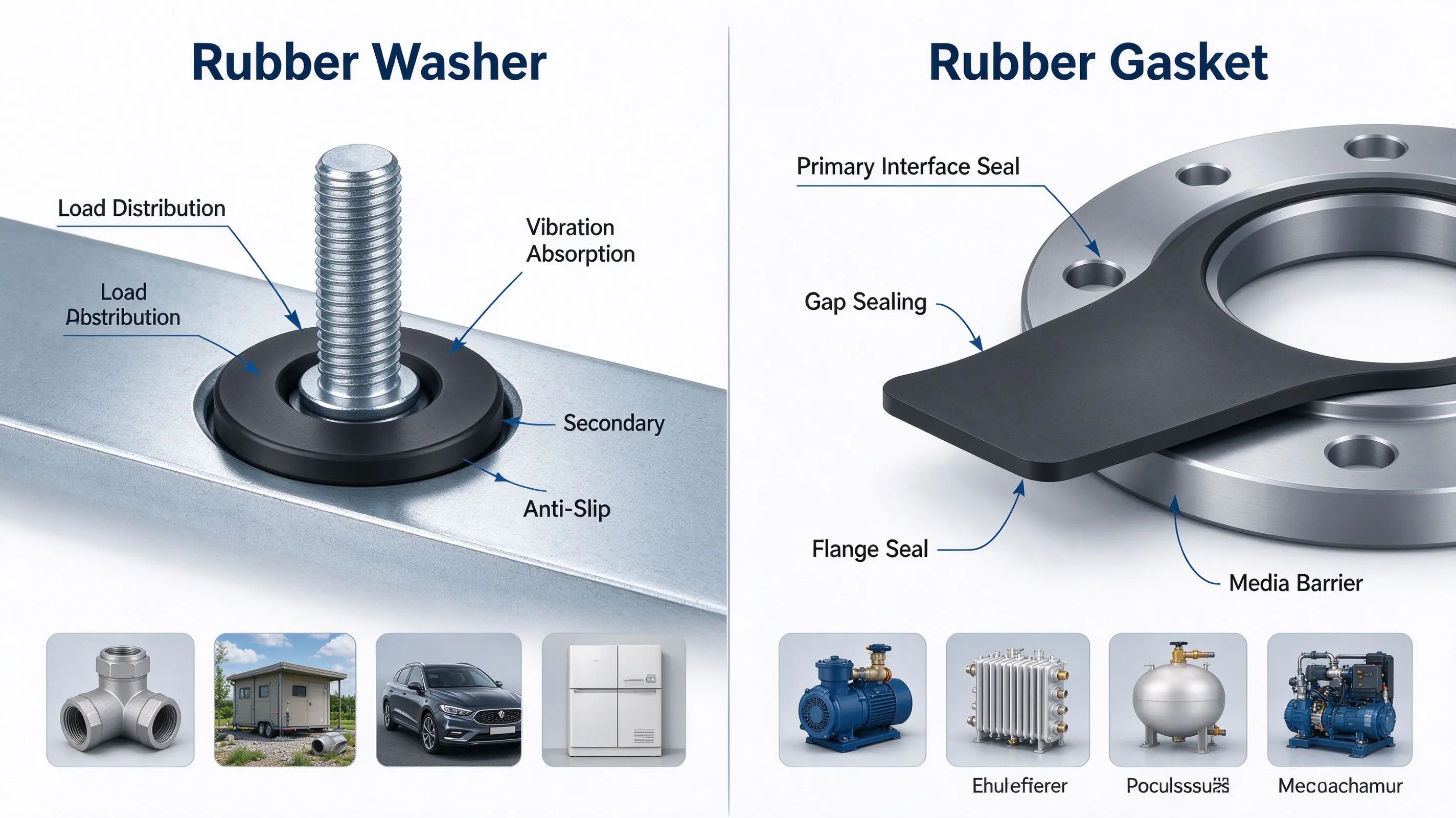
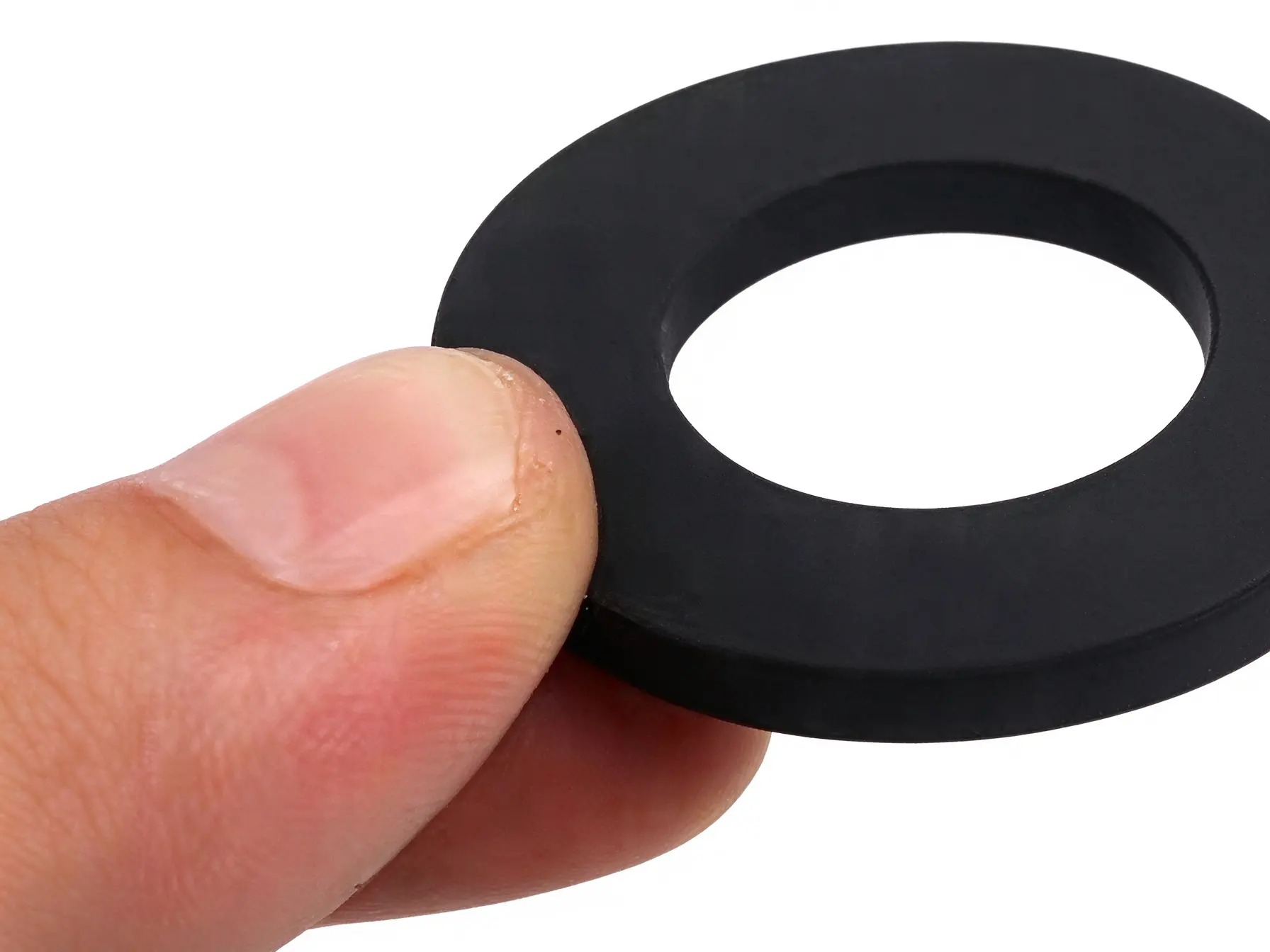
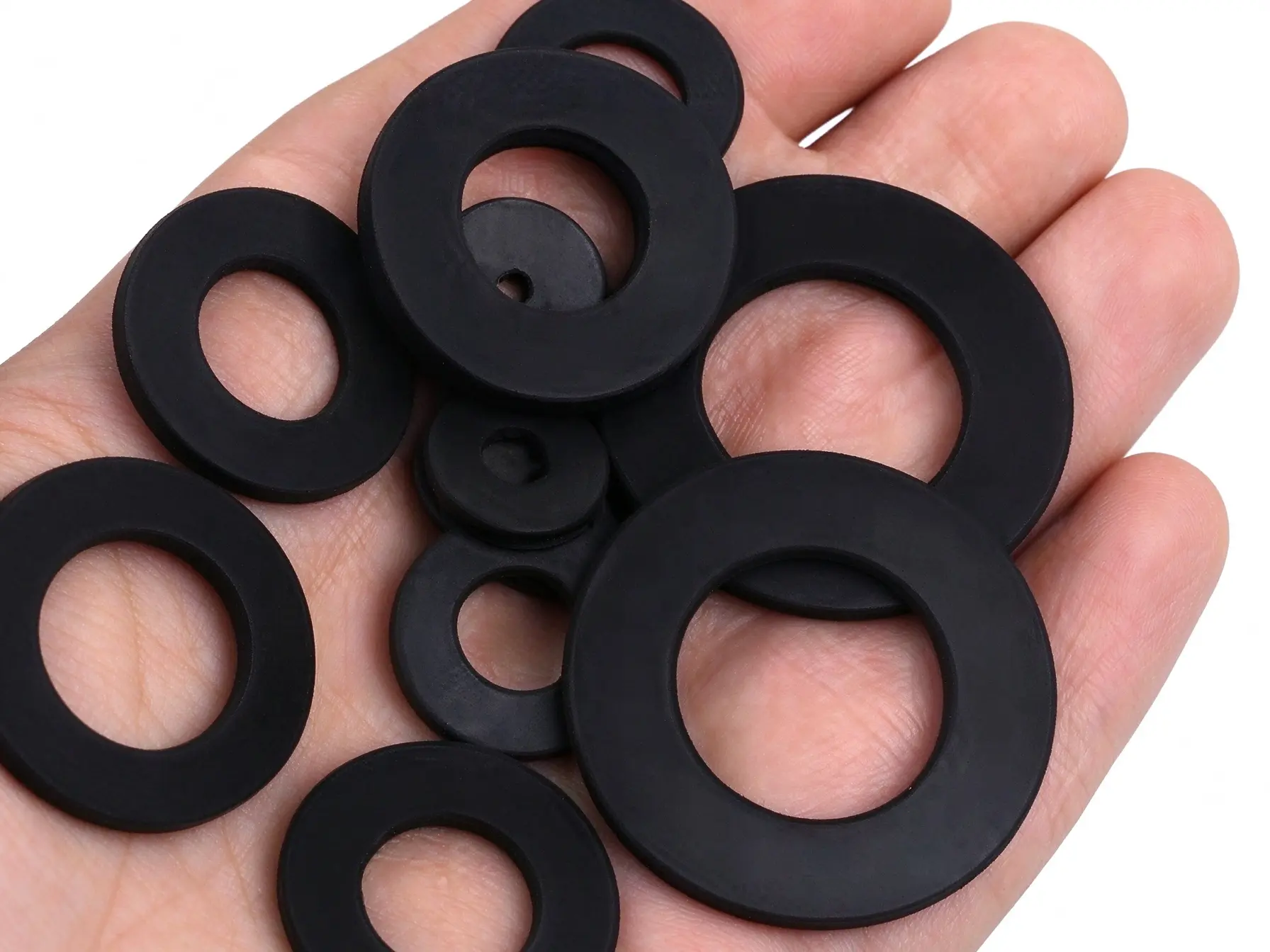
A rubber washer is a usually circular rubber ring with a center hole, designed to be used with bolts, nuts, or threaded fittings. Its main role is not to provide primary sealing pressure, but to distribute fastener load, protect the mating surface, absorb vibration, prevent slipping, and offer secondary water and dust sealing. Common materials include NBR, EPDM, and silicone. Rubber washers are widely used in pipe fittings, outdoor equipment, automotive components, appliances, and general industrial assembly. Unlike a rubber gasket, which seals the entire interface between two mating surfaces, a rubber washer works primarily around a fastener.
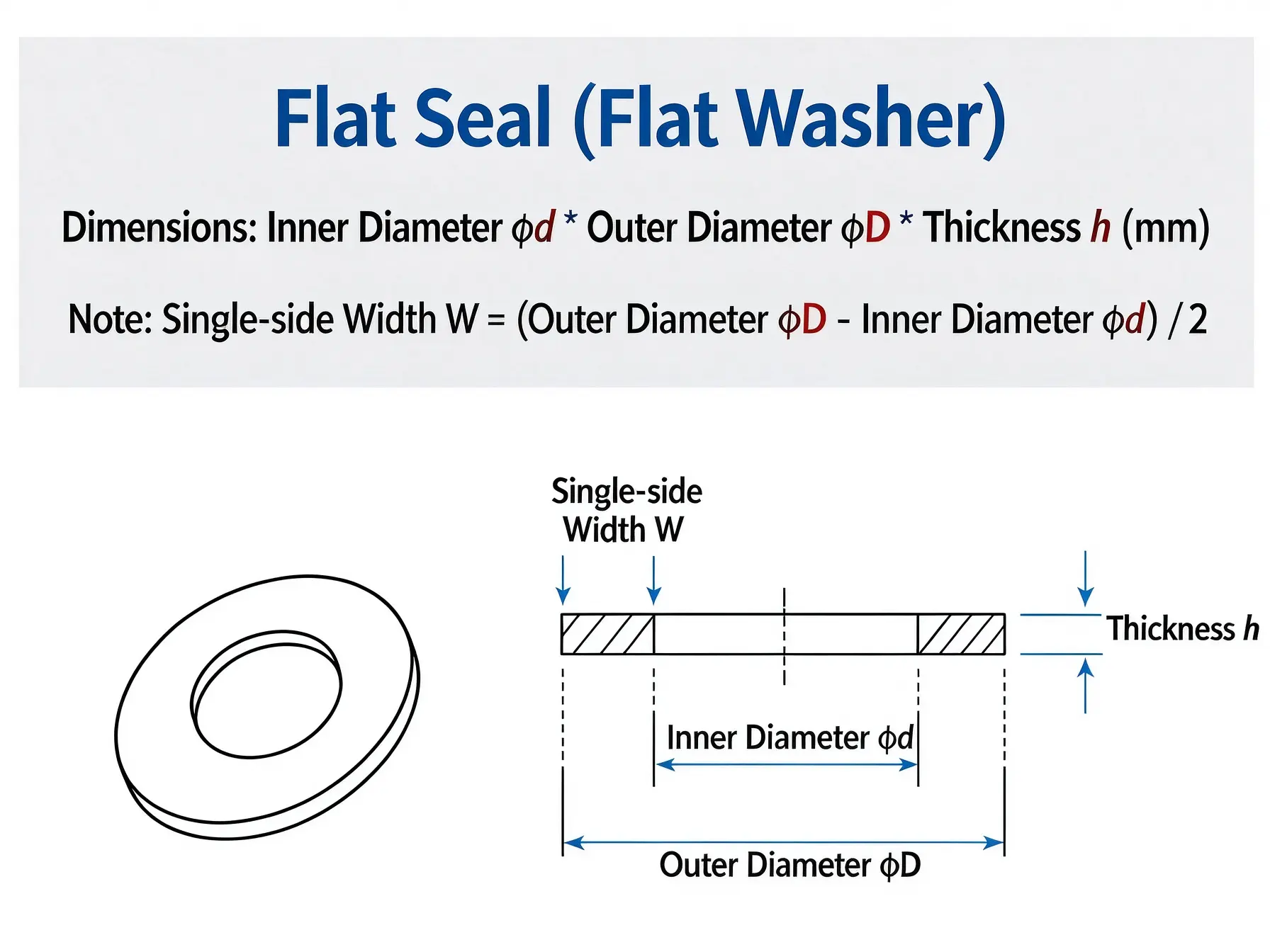
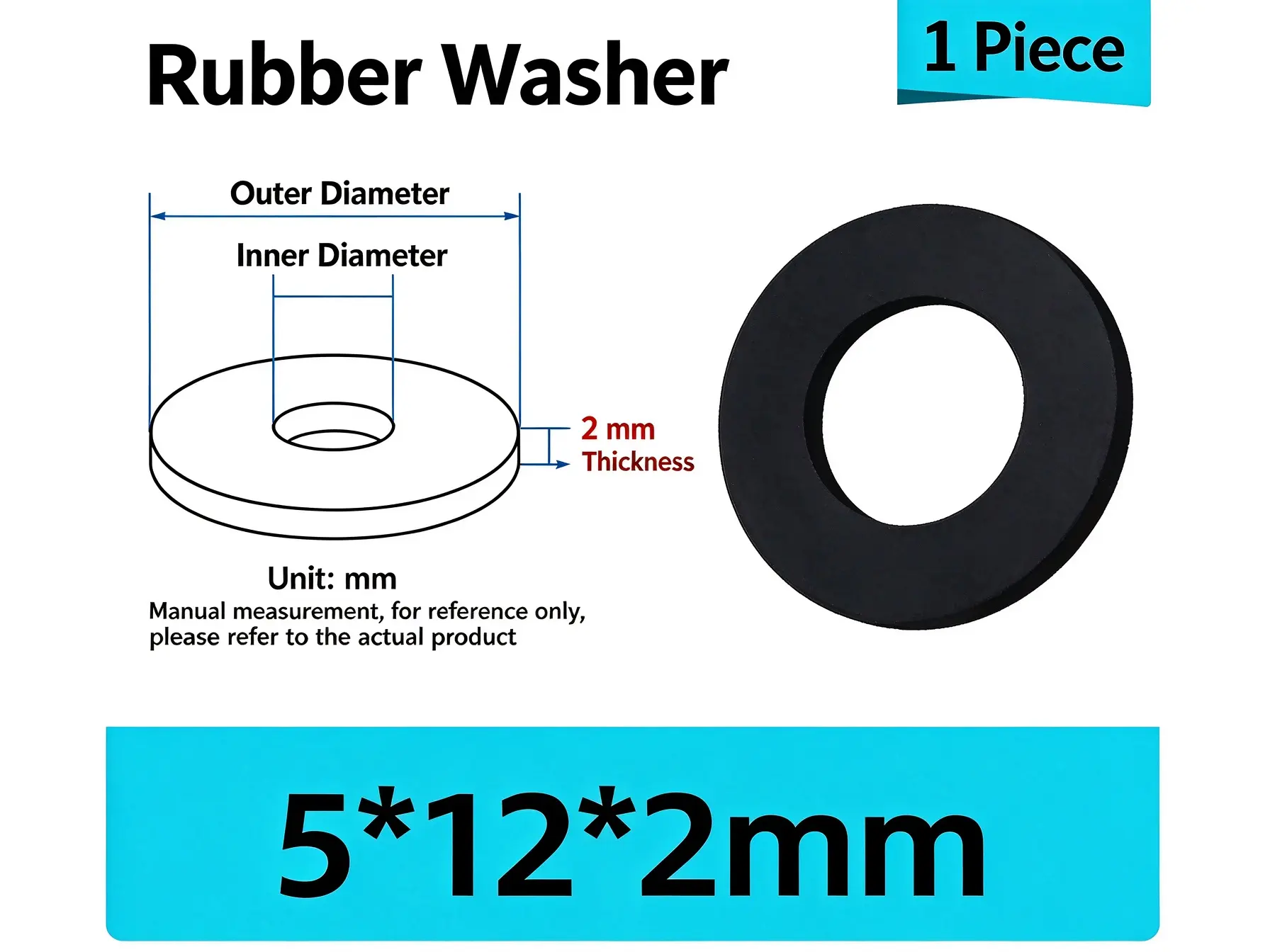
Rubber washer diameter
Specifications are expressed as ID × OD × Thickness
Note: Single-side width W = (OD − ID ) / 2
Rubber Washers – Size Range and Customization
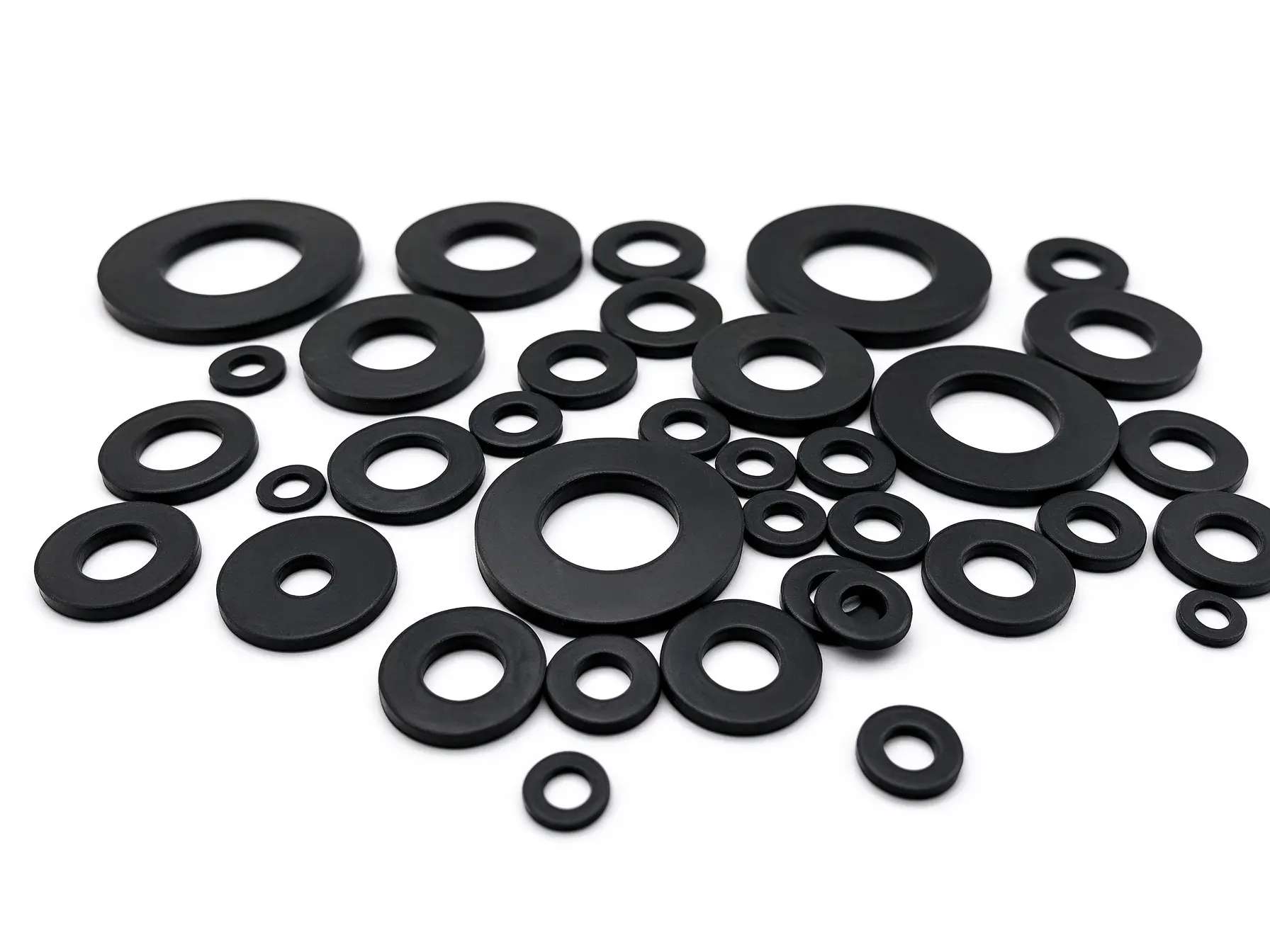
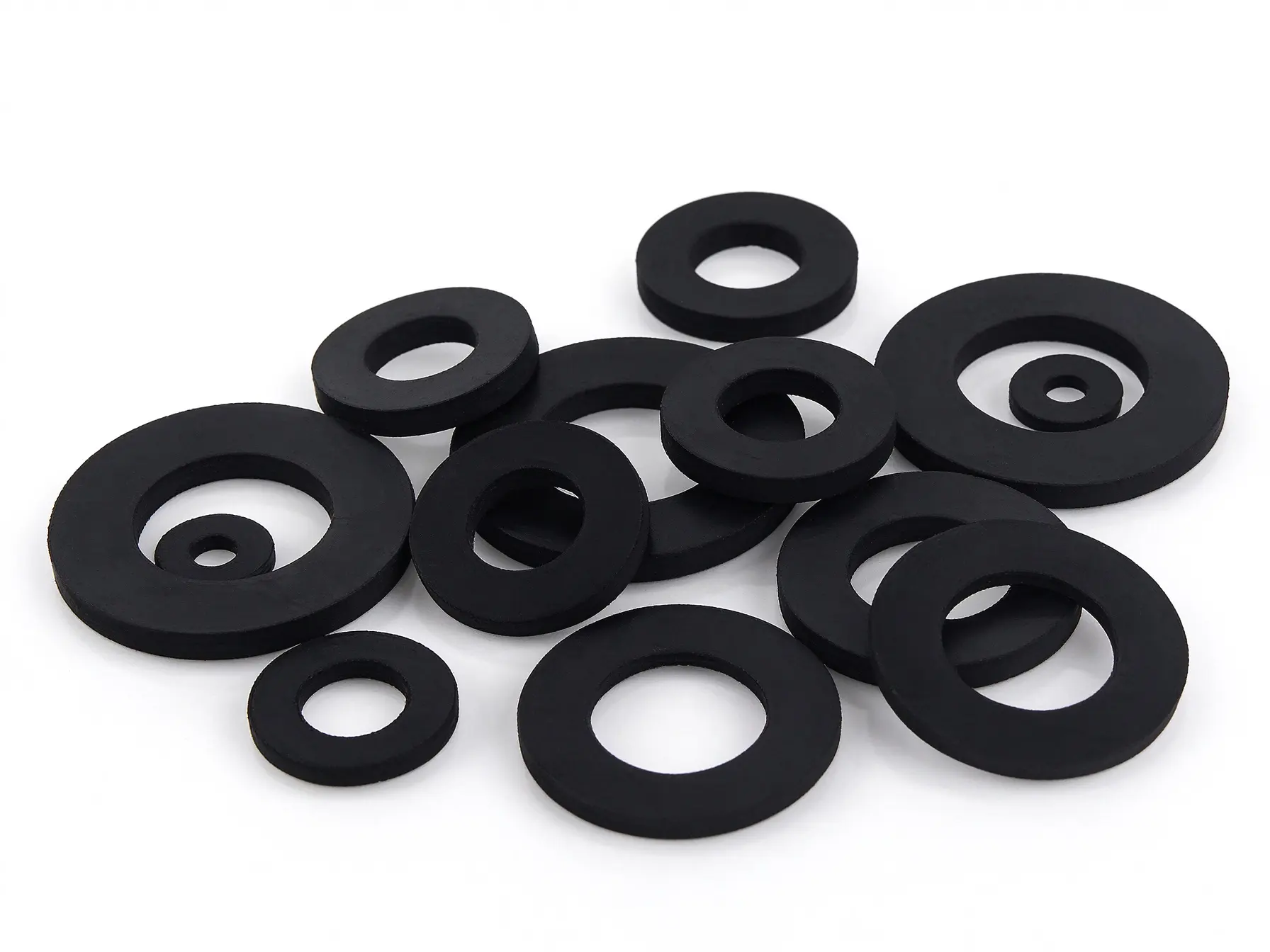
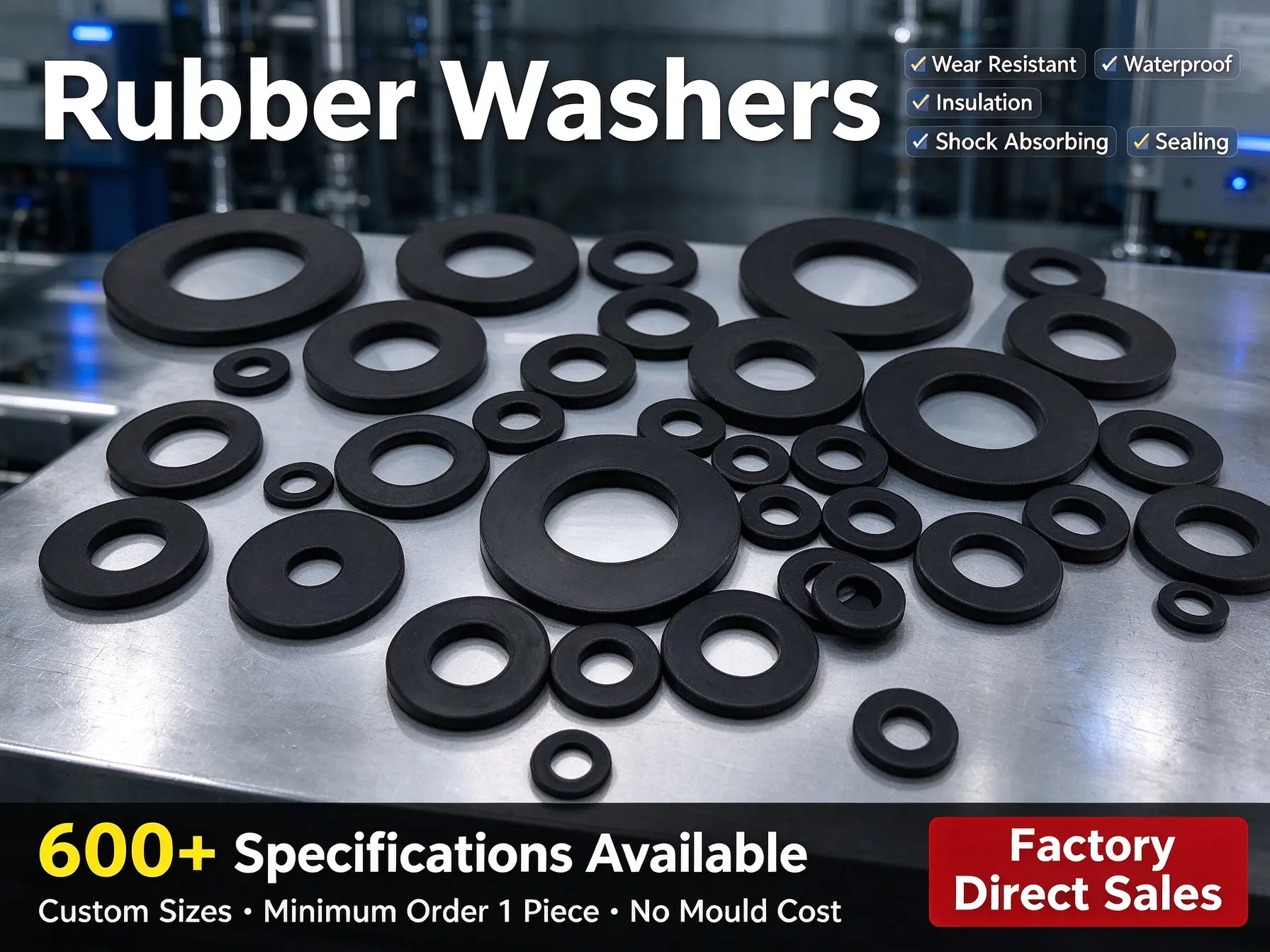
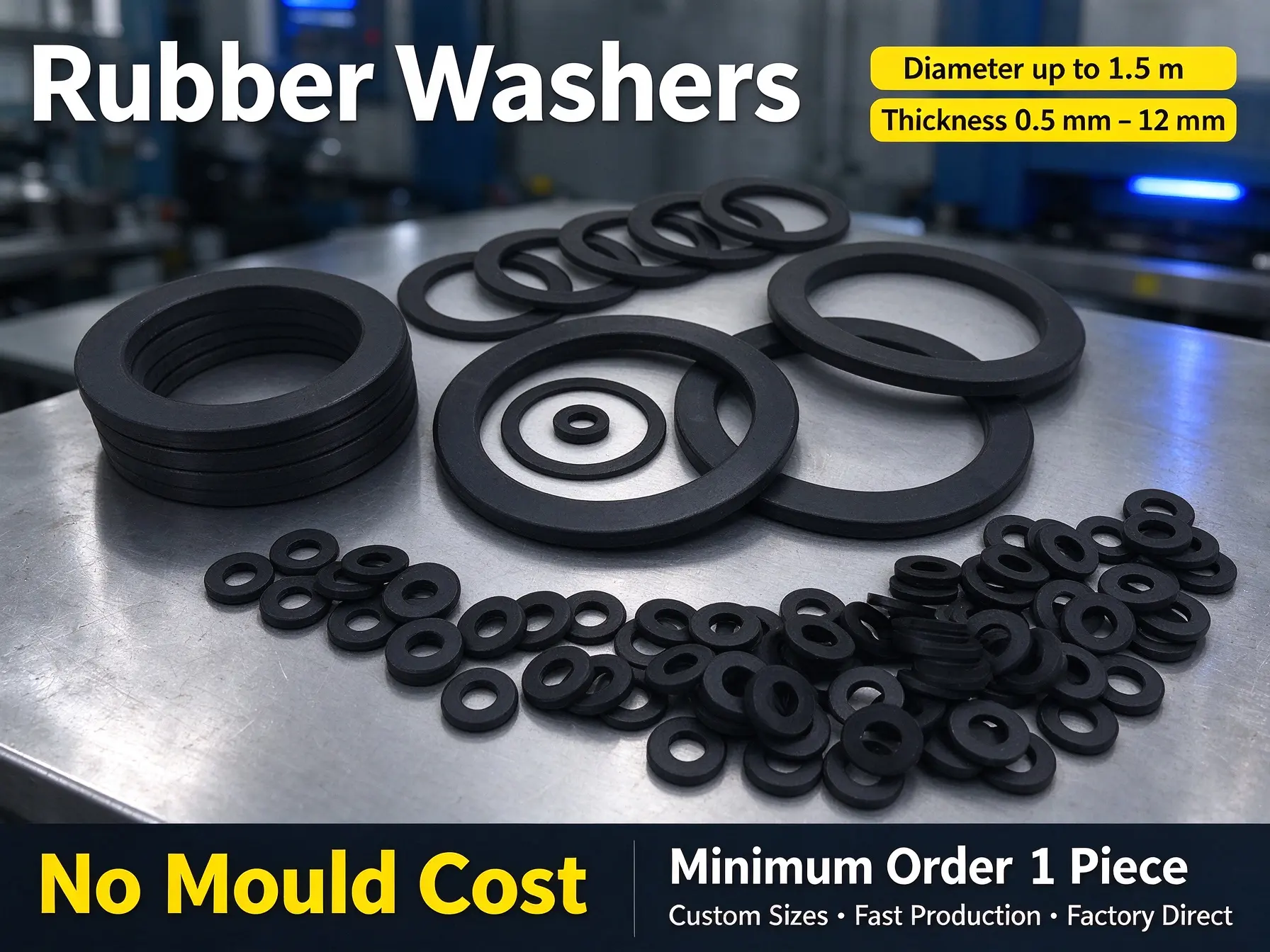
Our rubber washers are available with dimensions up to 1500 mm and thicknesses from 0.5 mm to 12 mm.
We offer more than 600 standard specifications, and non-standard sizes can be customized without opening a mold.
Minimum order quantity starts from just 1 piece, making it easy to meet both standard and custom sealing requirements.
Products Features
Shock Absorption and Cushioning
Excellent performance: Rubber offers high elasticity. Its coiled long-chain molecular structure and the relatively weak secondary forces between molecules give rubber its unique elastic behavior, resulting in good vibration damping, sound insulation, and cushioning performance.
Excellent Wear Resistance
With strong wear resistance, it maintains reliable performance during long-term use under friction and wear conditions.
Excellent Waterproof Performance
With good water resistance, it is widely used across many industries.
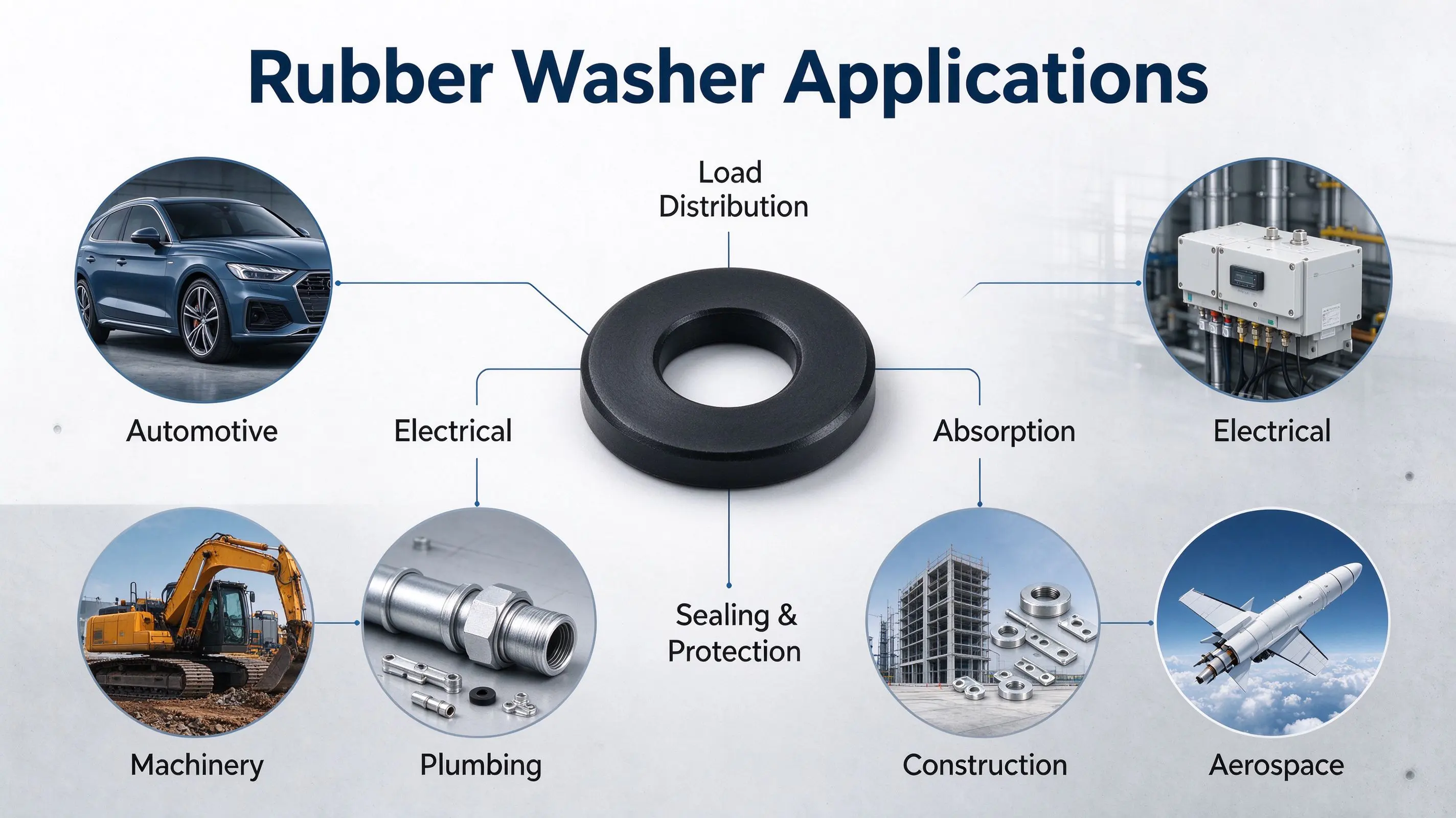
Applications of Rubber Washers
Rubber washers are used under bolts, nuts, threaded fittings, and hose connections to provide waterproofing, anti-slip performance, vibration damping, electrical insulation, surface protection, and secondary sealing. Typical applications include automotive components and assembly fastening, plumbing and sanitary fitting seals, HVAC equipment vibration isolation, electrical enclosures and electronic equipment insulation and dust protection, bolt sealing on industrial machinery and outdoor equipment, anti-slip and shock-absorbing mounting for appliances and sports equipment, construction hardware, and agricultural equipment protection. Available in NBR, EPDM, silicone, and other materials, with sizes up to 1500 mm, thicknesses from 0.5 mm to 12 mm, more than 600 standard specifications, and custom non-standard sizes without tooling, starting from one piece — meeting the sourcing needs of customers for waterproof washers, shock-absorbing washers, insulating washers, sealing washers, and custom rubber washers.
Rubber Washer Selection Guide
Rubber washers are used under bolts, nuts, threaded fittings, or hose connections to distribute load, protect surfaces, absorb vibration, prevent slipping, provide water and dust sealing, and offer secondary sealing. Before selection, confirm that the washer is not intended as a large-area static seal between two flange faces; for that application, a rubber gasket is the correct choice.
1. Define the Installation Point and Function Confirm whether the washer sits under a bolt head, nut, threaded fitting, or hose connection. Identify the primary function: waterproofing, anti-slip, vibration damping, insulation, surface protection, or secondary sealing. Different functions require different materials and hardness levels.
2. Confirm Dimensions Provide inner diameter (ID), outer diameter (OD), and thickness, typically in millimeters. The ID should be slightly larger than the bolt or fitting OD; the OD must provide sufficient bearing area and coverage; thickness affects compression and shock absorption. For non-standard sizes, confirm custom availability, whether a mold is required, and the minimum order quantity.
3. Select the Material
NBR (Nitrile Rubber): Good oil resistance for general industrial, automotive, and oily environments.
EPDM: Excellent weather, water, and ozone resistance for outdoor, water-line, and steam applications.
Silicone: Wide temperature range and softness for appliances, food equipment, and broad-temperature use.
FKM (Fluor rubber): High-temperature and chemical resistance for demanding conditions.
Neoprene: Good weather and aging resistance for outdoor and general sealing use.
4. Determine Hardness and Compression Rubber hardness is usually expressed in Shore A. Softer materials compress more easily, conform better, and absorb more vibration; harder materials carry higher loads and resist extrusion. Match hardness and compression to the fastener torque to avoid permanent deformation or seal failure.
5. Check Operating Conditions Confirm operating temperature, contact media (water, oil, air, chemicals), pressure, outdoor UV exposure, and insulation requirements. The material must be compatible with the media and must not contaminate it.
6. Consider Installation and Fastening Avoid sharp edges and burrs, and keep surfaces clean during installation. Do not overtighten bolts, as excessive compression can crack the rubber or reduce elastic recovery. For repeated disassembly, choose a material with good resilience and low sticking.
7. Validate Waterproofing and Vibration Damping For waterproofing, focus on surface conformity and compression. For vibration damping, focus on thickness, hardness, and resilience. For anti-slip performance, consider friction and contact area.
8. Standard vs. Custom Parts Prefer in-stock standard sizes and confirm the size range, thickness range, material options, and certification requirements. For non-standard sizes, confirm customization, lead time, minimum order quantity, and mold requirements.
How does a rubber washer differ from an O-ring in a bolted joint, and when should I specify one over the other?
The joint geometry decides, not preference. An O-ring sits in a machined groove and seals through controlled radial or axial compression; it is a compact, low-cost solution for a defined gland. A rubber washer, often with a rectangular cross-section, seals by being compressed face-to-face between a fastener and a flat mating surface, or between two flat faces. Specify a rubber washer when the interface is a flat seating land without a groove, when you need a larger contact surface and higher groove-fill rate to resist extrusion under pressure, or when the washer must also distribute load, damp vibration, and insulate against galvanic corrosion. Do not drop a washer into a joint designed for an O-ring gland, or vice versa.
Will adding a rubber washer cause bolt preload loss or relaxation over time?
It can, if the washer is not accounted for in the joint design. Every additional interface in the clamped stack introduces a point where embedding — microscopic flattening of surface asperities under clamping force — can occur. This settling reduces the effective clamped length and can cause preload loss of up to 50% or more, depending on materials and joint geometry. Rubber washers are particularly relevant here because the elastomer itself can creep under sustained load. Mitigation options include specifying a harder compound, controlling compression, using flanged fasteners to eliminate the separate washer interface in precision joints, or accounting for relaxation in the target torque.
What compression or hardness should I specify for a sealing rubber washer?
There is no single number, but two design levers matter. Hardness (Shore A) controls how the washer conforms and resists extrusion: softer compounds seal at lower loads and absorb more vibration; harder compounds carry higher pressure without squeezing out. For general sealing washers, 70 Shore A is a common starting point, with the range typically spanning 40–90 Shore A depending on the application. Compression must be sufficient to fill surface micro-irregularities but not so high that the rubber takes a permanent set or splits. Over-compression can crush or crack a rubber washer and is sometimes mistaken for chemical attack. Match hardness and target compression to the bolt torque and the flatness of the mating faces.
What are the most common causes of rubber washer leakage in service?
Leakage usually traces back to one of three root causes before material choice is blamed. Insufficient or uneven compression prevents the rubber from filling the leak path; over-compression can split or permanently deform the washer. Extrusion occurs when the washer is pushed outward by internal pressure because the gap it bridges is too large for the compound hardness or the operating pressure. Creep relaxation reduces surface stress over time, especially under thermal cycling or sustained load. A washer that was correctly selected but installed against a scratched, warped, or poorly aligned seating face will also leak regardless of material. Root-cause analysis should start with compression measurement and seating-face condition, not a material swap.
Which material and specification should I reference for an industrial rubber washer?
For a baseline material callout, ASTM D2000 is the standard line notation used across industrial rubber washers, often paired with SAE or DIN references depending on the market. Material selection then narrows by service condition: NBR for oil and fuel resistance (roughly –40 °C to +100 °C); EPDM for weather, ozone, water, and steam (roughly –55 °C to +125 °C); FKM/Viton® for aggressive chemicals and high temperature (roughly –26 °C to +250 °C); silicone for wide temperature range and food/medical compliance. A drawing that cites only “rubber” is not a specification — hardness, tensile strength, compression set, and fluid compatibility should all be tied to a recognized standard.
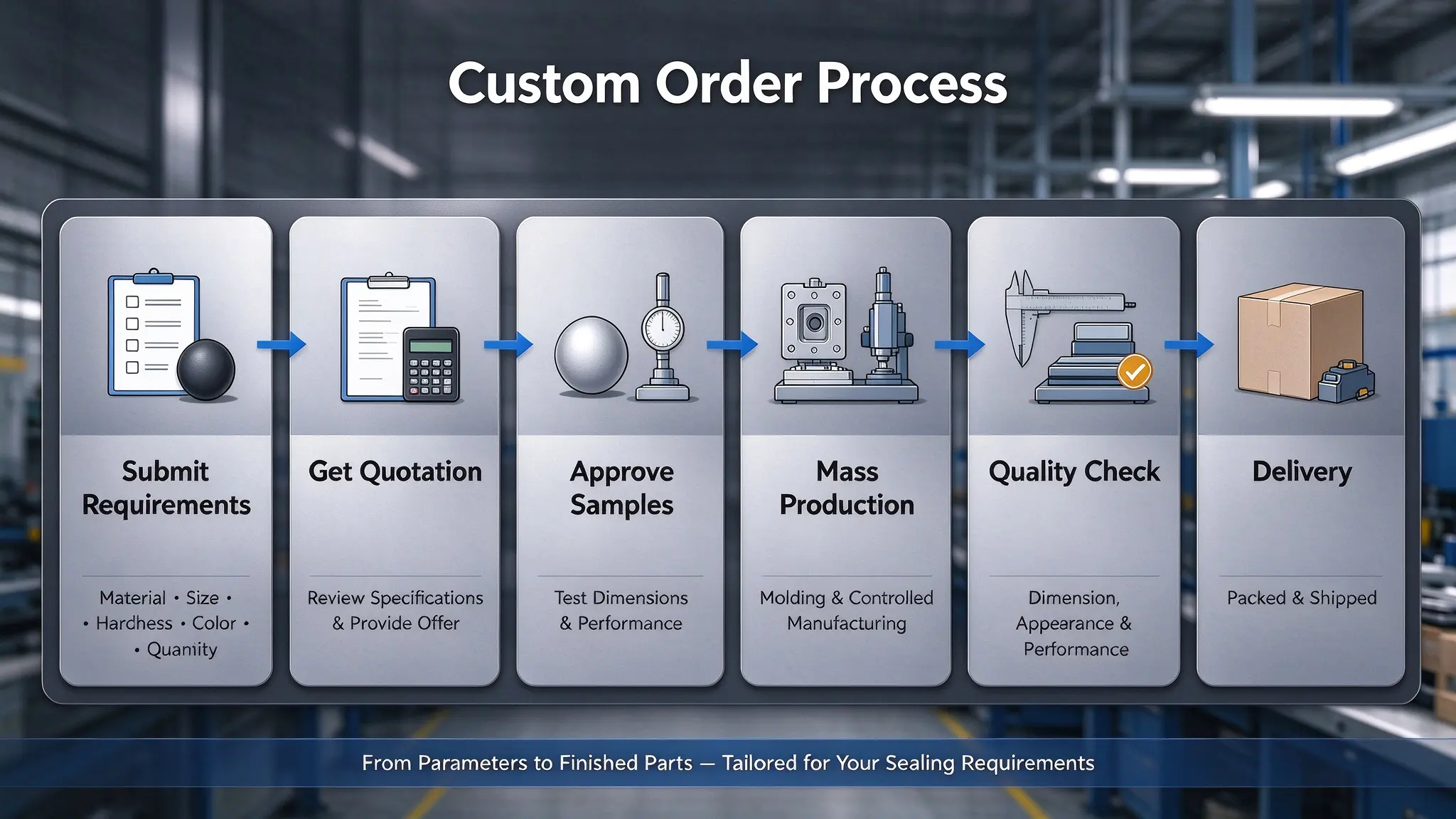
Can non-standard sizes, thin sections, or large-diameter rubber washers be supplied without a new mold, and what tolerances are realistic?
Yes, for many geometries. Rubber washers can be produced by lathe cutting, die cutting, waterjet cutting, or hand cutting depending on size, tolerance, and quantity, which means a new molded tool is not always required for non-standard dimensions. Realistic tolerances vary by process: molded parts can hold tighter dimensions, while cut parts may carry broader commercial tolerances — for reference, one molded EPDM washer listing shows OD ±0.020 in, ID ±0.015 in, thickness ±0.010 in. Large diameters are feasible; stock and custom washers are commonly offered in sizes up to 1500 mm and thicknesses from 0.5 mm to 12 mm depending on material and process. Provide a drawing with critical dimensions flagged, and confirm whether the application is sealing-critical (tighter tolerance) or load-spreading/non-critical (commercial tolerance) before quoting.