





Key Features of FEP Encapsulated O-Rings
-
Excellent Chemical Resistance
-
Low Friction Surface
-
Wide Temperature Range
-
Low Permeability
-
Reliable Sealing Performance
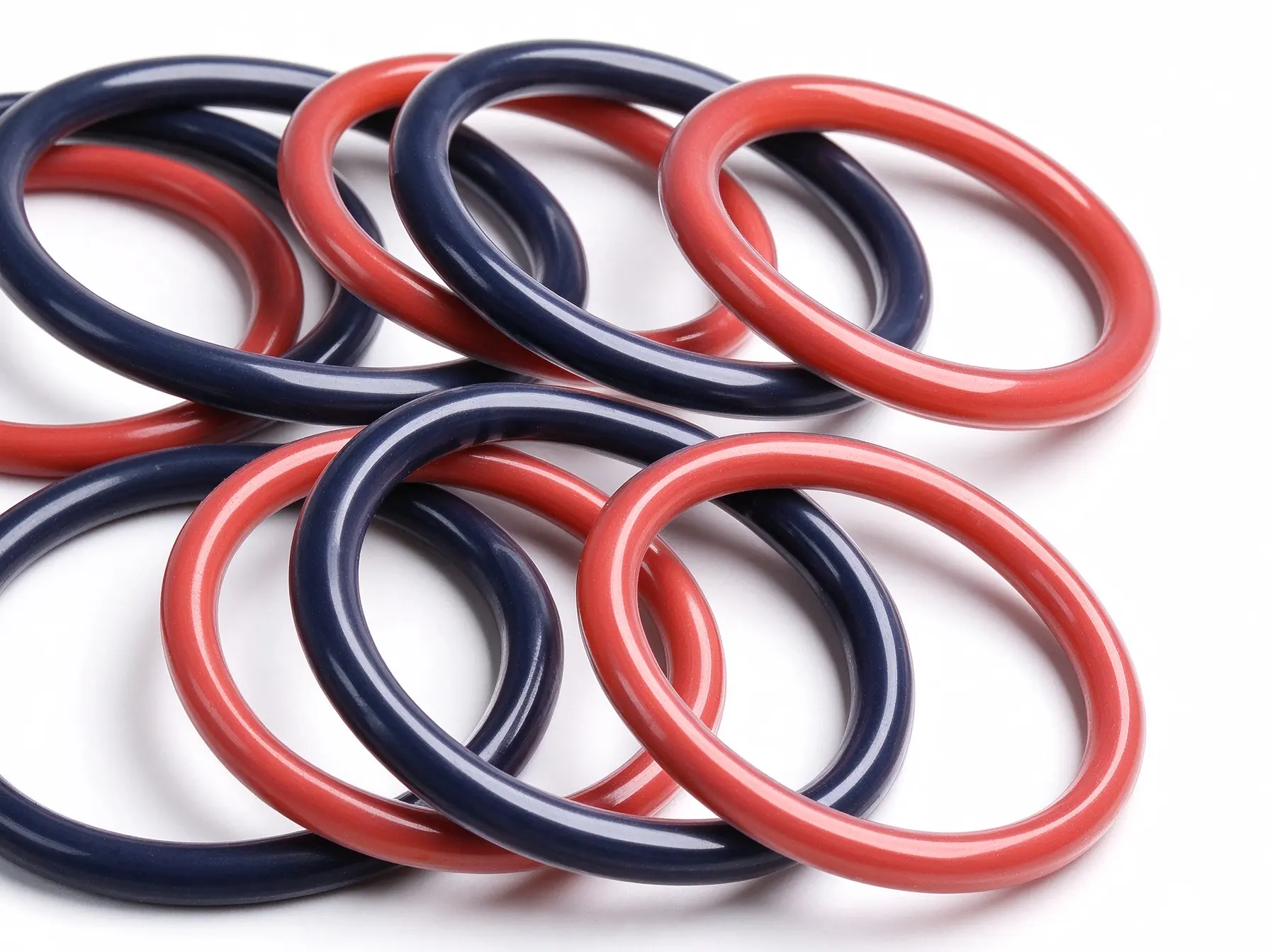
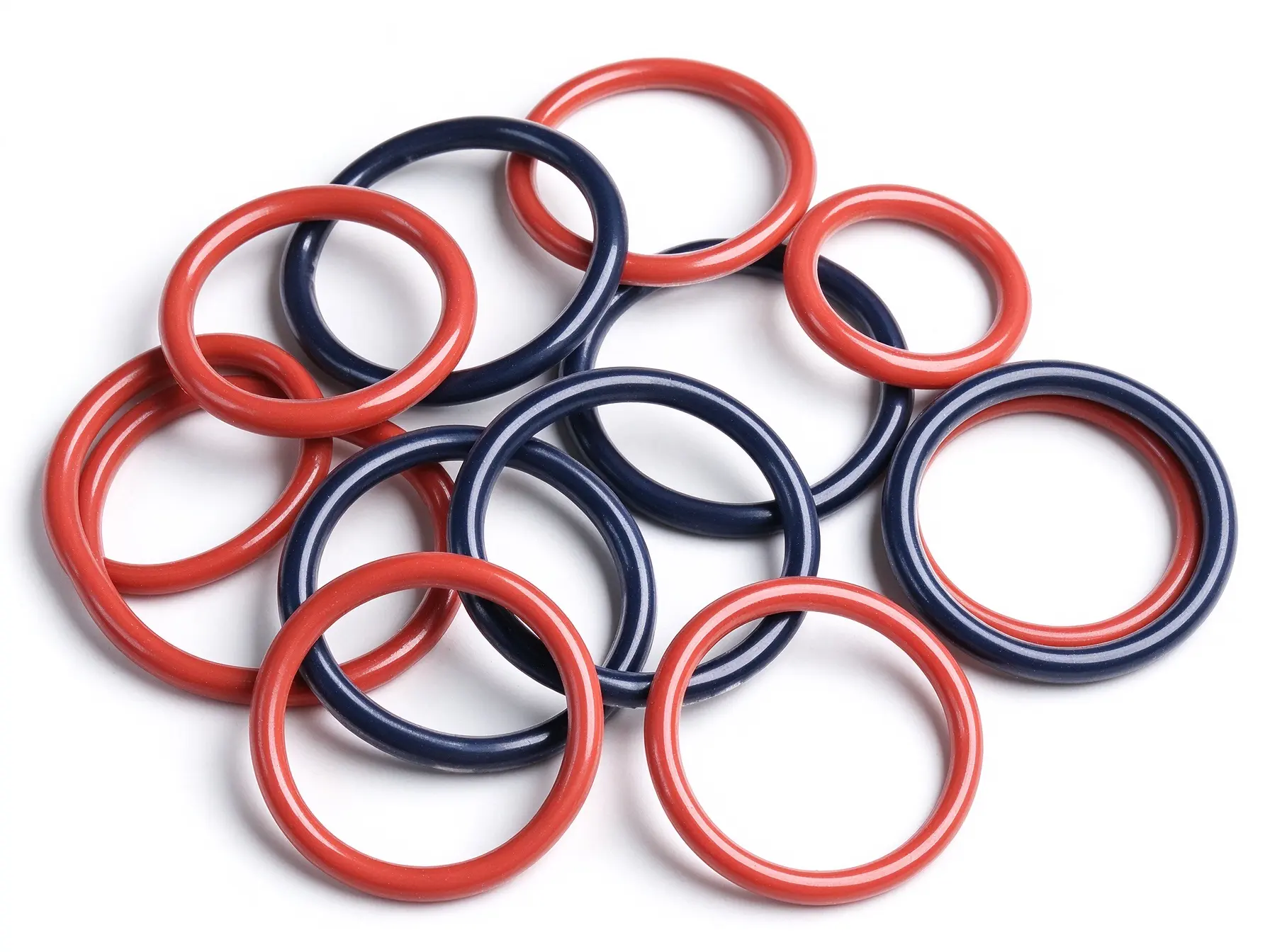
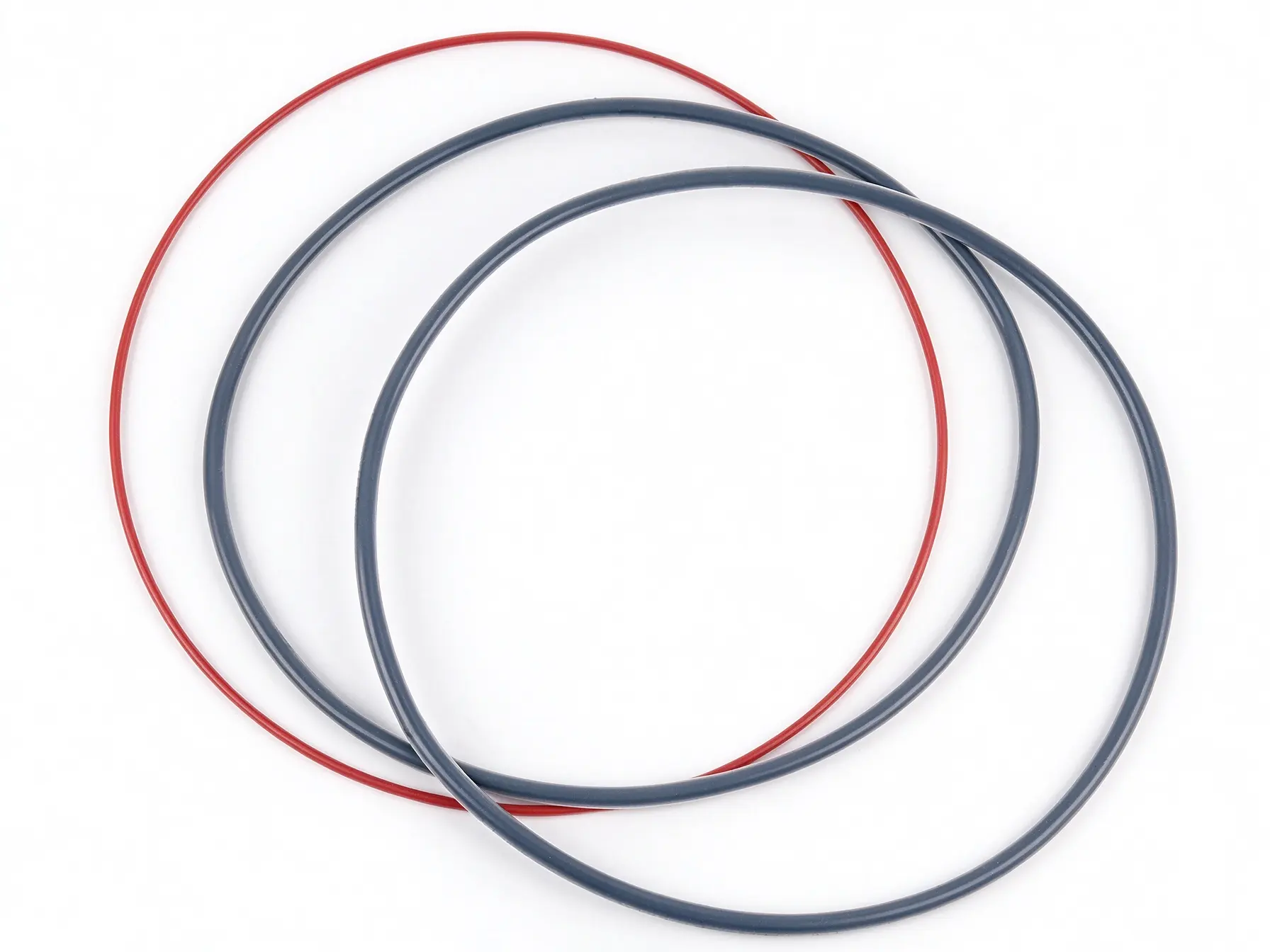
Key Features of FEP Encapsulated O-Rings
Excellent Chemical Resistance
Low Friction Surface
Wide Temperature Range
Low Permeability
Reliable Sealing Performance
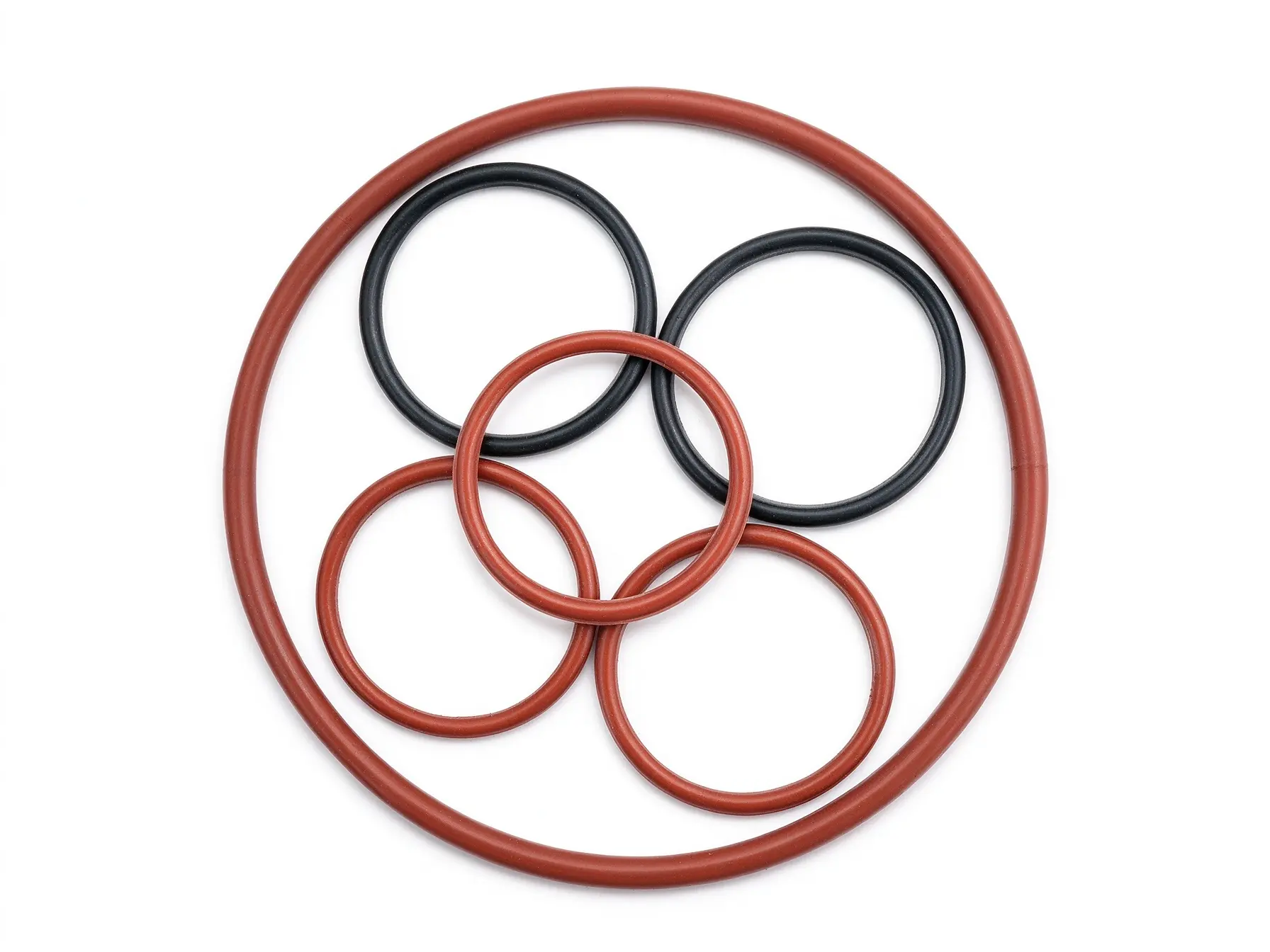
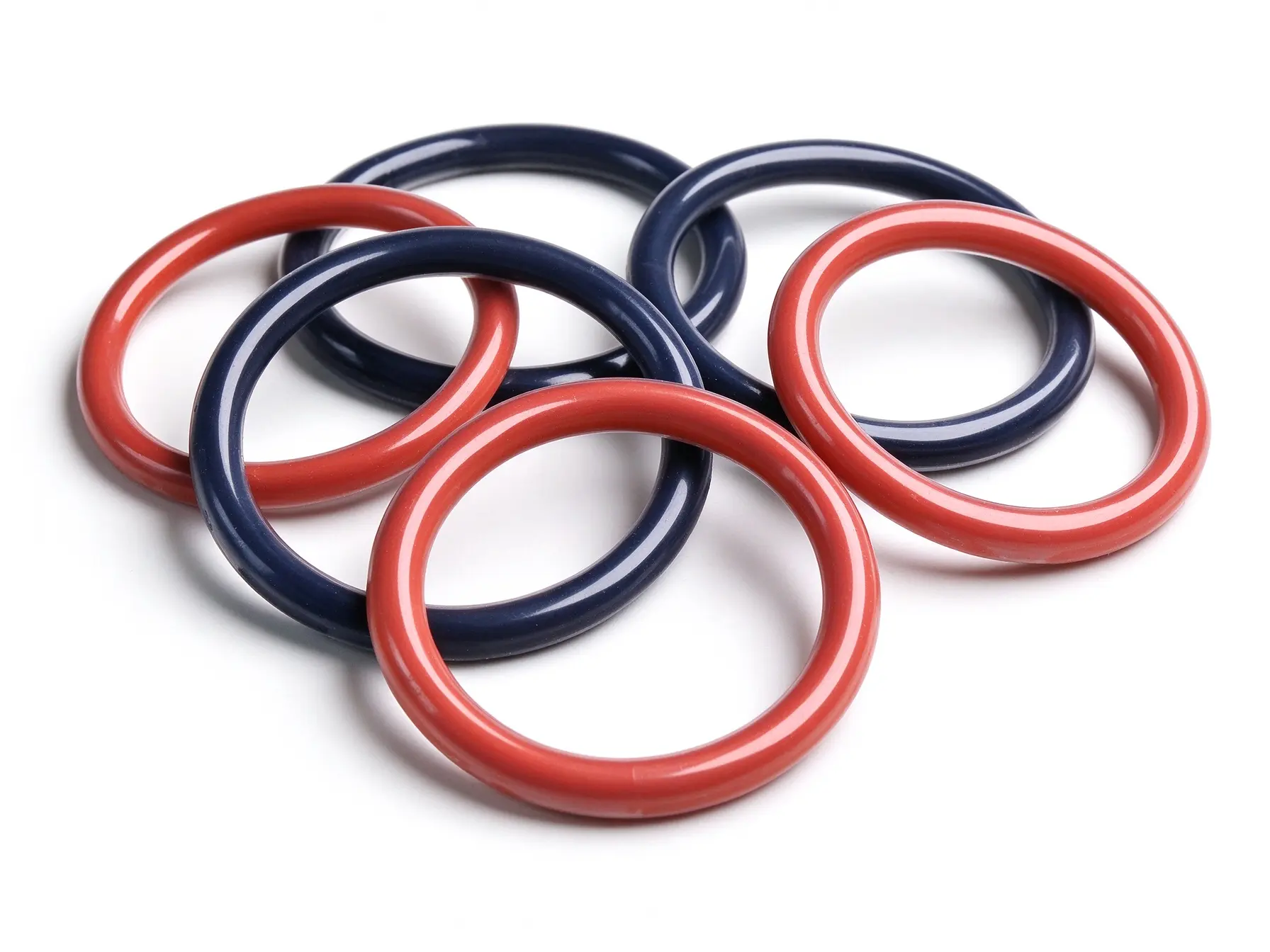
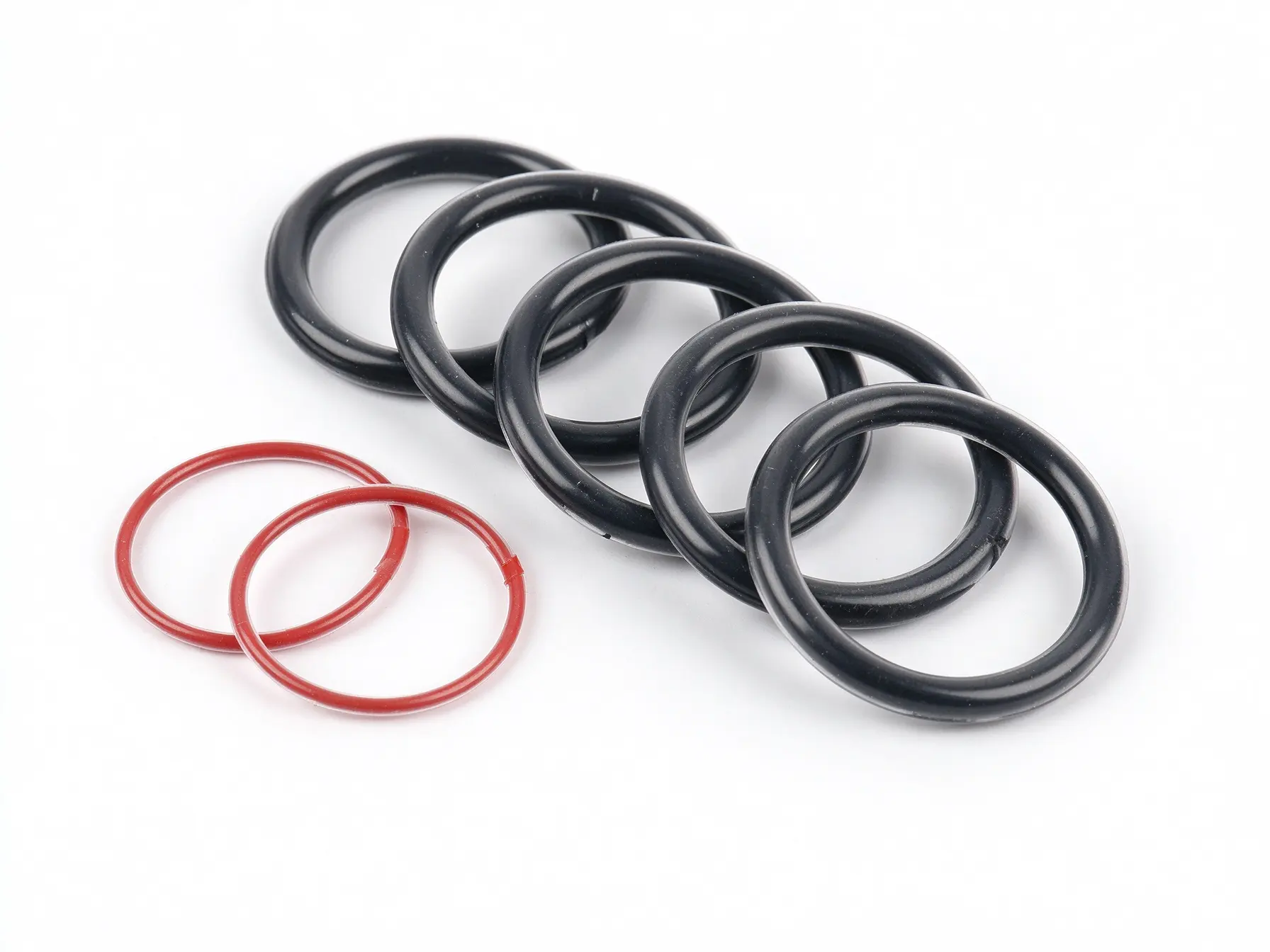
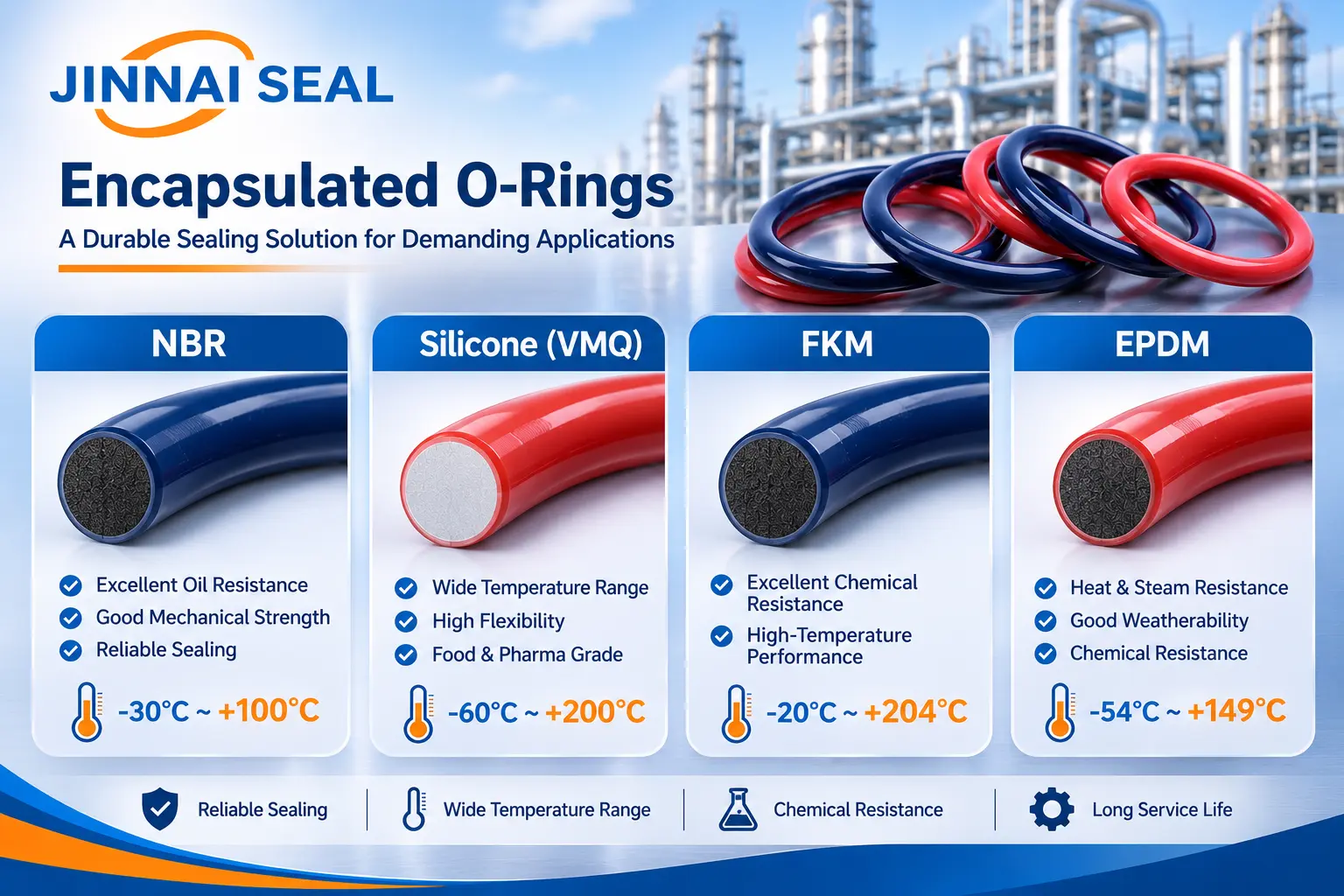
An encapsulated O-ring is a composite static seal consisting of a rubber core fully enclosed in a seamless fluoropolymer jacket, typically FEP or PFA. The rubber core provides reliable compression force and recovery, while the outer jacket delivers excellent chemical resistance, low friction, low extractables, and wide temperature performance, effectively isolating the process media from the core. Common core materials include: silicone (VMQ), offering a wide temperature range and suitable for food, pharmaceutical, and low-temperature applications; FKM/Viton®, providing balanced resistance to oils, solvents, and chemicals for demanding chemical environments; EPDM, resistant to hot water, steam, and polar chemicals, subject to encapsulation process feasibility; and NBR, available on request for general oil sealing applications. These seals are widely used in semiconductor equipment, chemical processing, pharmaceutical, and food-grade applications where cleanliness and chemical compatibility are critical. For static sealing applications only.
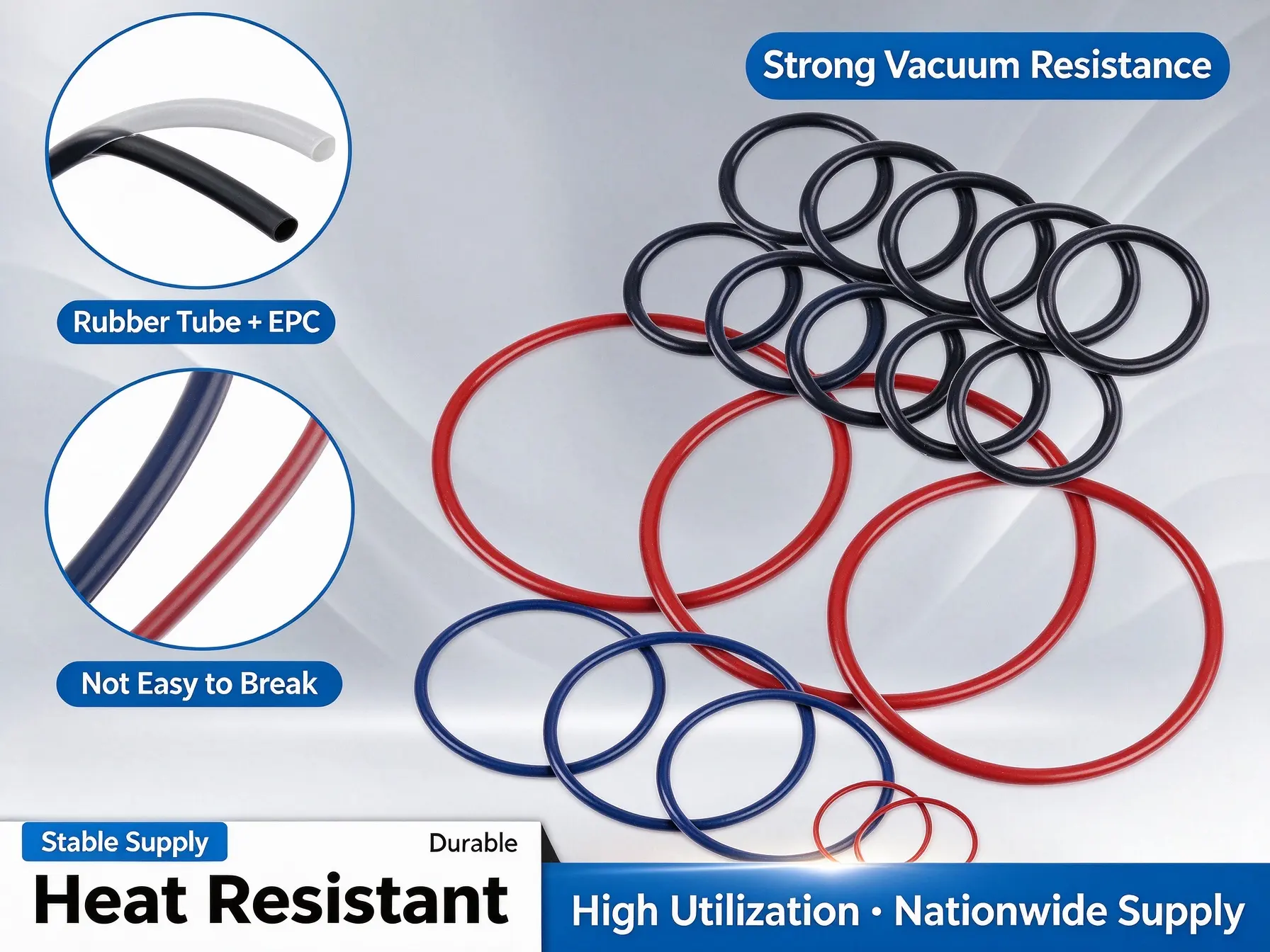
The construction is deliberately simple. The elastomeric core—typically silicone (VMQ) or FKM/Viton®, with other rubber materials such as EPDM or NBR available depending on the application—provides compression force, recovery, and dimensional stability, allowing the seal to maintain continuous contact with the sealing surfaces. The core is fully enclosed by a seamless, thin-walled FEP (fluorinated ethylene propylene) jacket, which acts as the chemical barrier between the elastomer and the process media.
The jacket is not a coating. It is a continuous fluoropolymer shell that completely isolates the core, leaving no exposed elastomer surface for aggressive media to attack. FEP itself is a melt-processable fluoropolymer with chemical resistance approaching that of PTFE, but with the advantage of being able to encapsulate a preformed elastomer core in a seamless form.
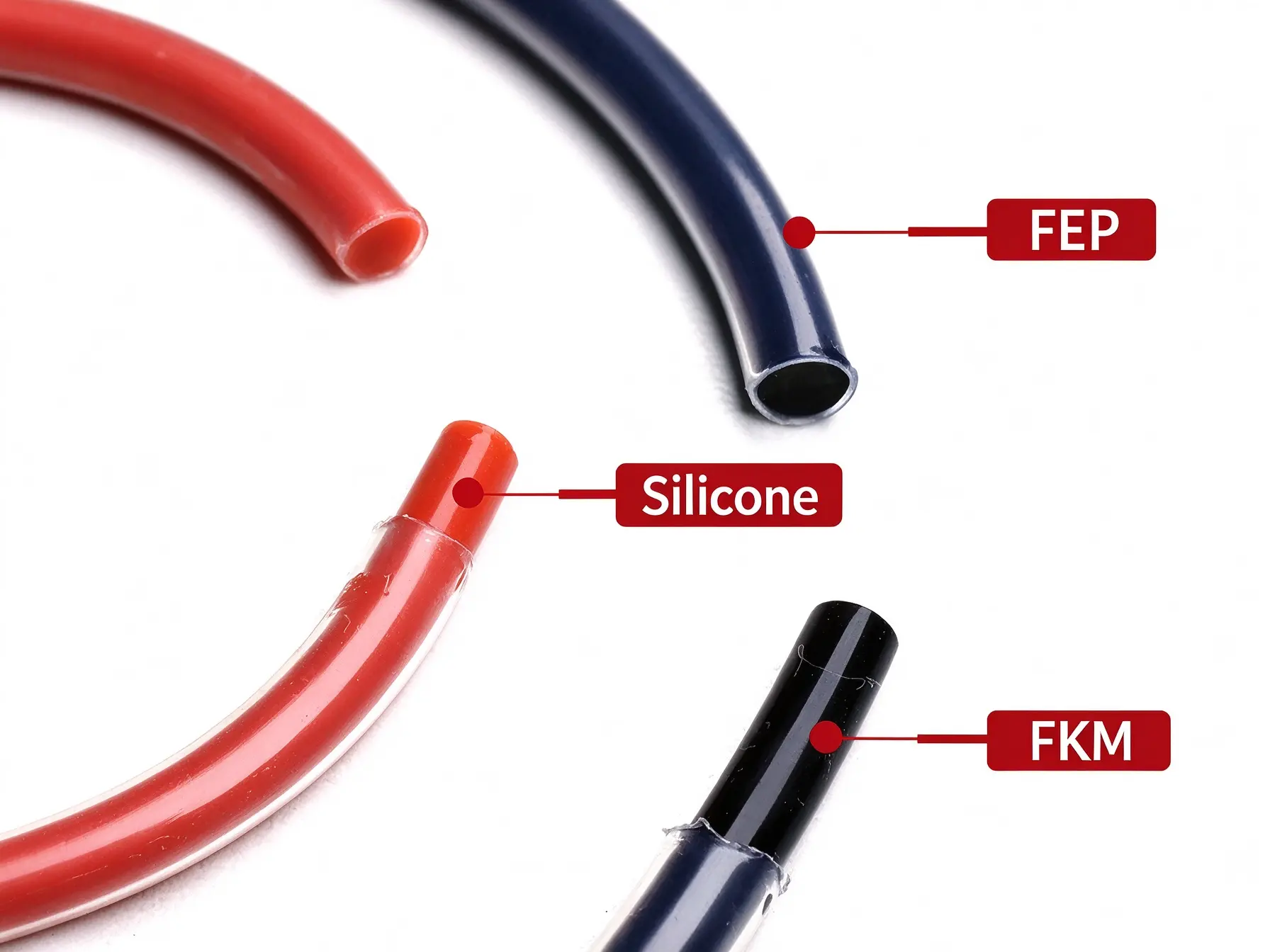
The core is fully encapsulated, and its selection primarily affects the seal's compression recovery performance and overall temperature range.
Silicone (VMQ)
The standout advantage of a silicone core is its exceptionally wide temperature range, typically from −60°C to +200°C (with a PFA jacket, the upper limit can be higher). It is well suited for food, pharmaceutical, and low-temperature applications where cleanliness is required, but its resistance to hydrocarbon oils and solvents is relatively weak.
FKM
An FKM core offers a more balanced combination of chemical resistance (particularly to acids, solvents, and hydrocarbons) and high-temperature performance, with a typical operating range of around −20°C to +204°C. When the sealing media contain oils or fuels, an FKM core is more suitable than silicone. FEP-encapsulated FKM is a classic combination for demanding chemical environments.
EPDM (Ethylene Propylene Diene Monomer)
An EPDM core (typically with an FEP jacket) provides good resistance to hot water, steam, and many polar chemicals such as ketones and alcohols, with a temperature range of approximately −54°C to +149°C. However, some sources note that EPDM may undergo changes due to heat during the encapsulation process, which can sometimes limit its suitability as a core material, and some manufacturers do not recommend its use.
NBR (Nitrile Butadiene Rubber)
An NBR core offers excellent resistance to petroleum-based oils, fuels, and greases, with a typical operating range of approximately −40°C to +120°C. It is suitable for general oil sealing applications but has limited resistance to ozone, ketones, esters, and strong polar solvents. As with EPDM, the availability of NBR as an encapsulated core depends on the specific encapsulation process and should be confirmed with the manufacturer.
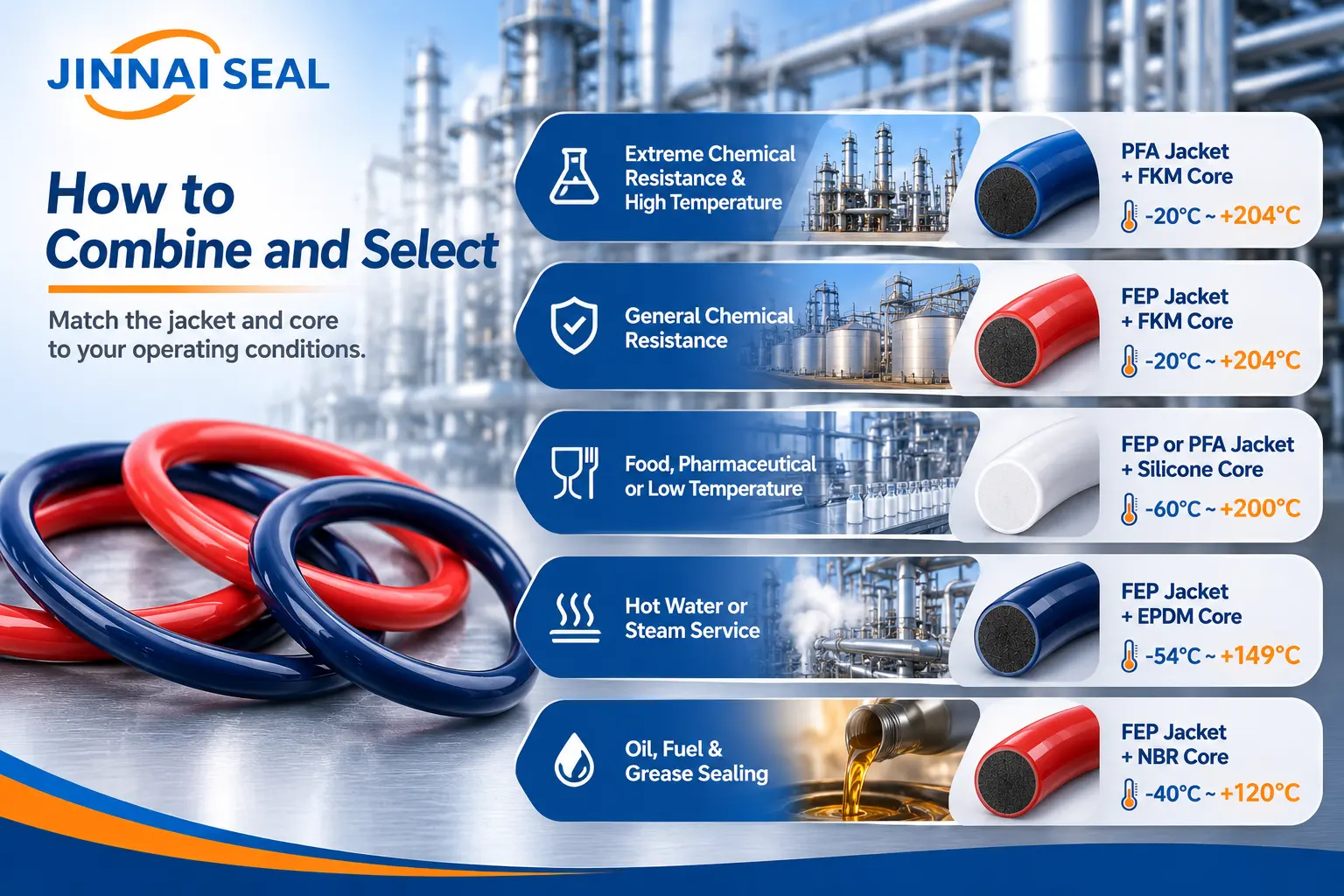
Practical selection means matching the jacket and core to the actual operating conditions:
FEP encapsulated O-rings and PTFE coated O-rings both offer excellent chemical resistance for industrial sealing applications. However, they differ in construction, flexibility, surface properties, and sealing performance. Understanding these differences helps engineers select the right sealing solution for semiconductor equipment and chemical processing systems.
| Comparison | FEP Encapsulated O-Rings | PTFE Coated O-Rings |
|---|---|---|
| Structure | Elastomer core fully enclosed by an FEP jacket | Elastomer core covered with a PTFE coating |
| Chemical Resistance | Excellent resistance to many aggressive chemicals | Excellent chemical resistance, depending on coating quality |
| Elasticity | Core provides flexibility and compression recovery | Depends on the elastomer core and coating design |
| Surface Properties | Smooth, non-stick surface | Low-friction, non-stick surface |
| Temperature Range | Depends on FEP jacket and core material | Depends on PTFE coating and core material |
| Typical Applications | Chemical systems, semiconductor equipment, fluid handling | Industrial equipment, chemical processing, low-friction sealing |
JINNAI SEAL provides encapsulated O-ring solutions with different core materials, including NBR, Silicone (VMQ), FKM, and EPDM, to meet various industrial sealing requirements.
1. Semiconductor Manufacturing Equipment
FEP encapsulated O-rings provide reliable sealing in semiconductor manufacturing equipment, protecting critical components from chemical exposure and process contamination. Ideal for semiconductor equipment seals and chemical-resistant O-rings.
2. Wafer Processing Systems
Chemical-resistant FEP O-rings are used in wafer processing systems to prevent fluid leakage and maintain reliable sealing during precision semiconductor manufacturing processes.
3. Chemical Delivery Systems
FEP encapsulated O-rings help prevent leakage in chemical supply lines, valves, and fluid handling equipment, offering excellent resistance to aggressive chemicals used in semiconductor production.
4. Wet Etching Equipment
Designed for demanding chemical environments, FEP encapsulated seals provide reliable sealing in wet etching systems exposed to acids, etching solutions, and corrosive process chemicals.
5. Cleaning & Washing Equipment
FEP encapsulated O-rings are suitable for semiconductor cleaning equipment, helping maintain leak-tight connections in wafer cleaning systems exposed to cleaning agents and chemical solutions.
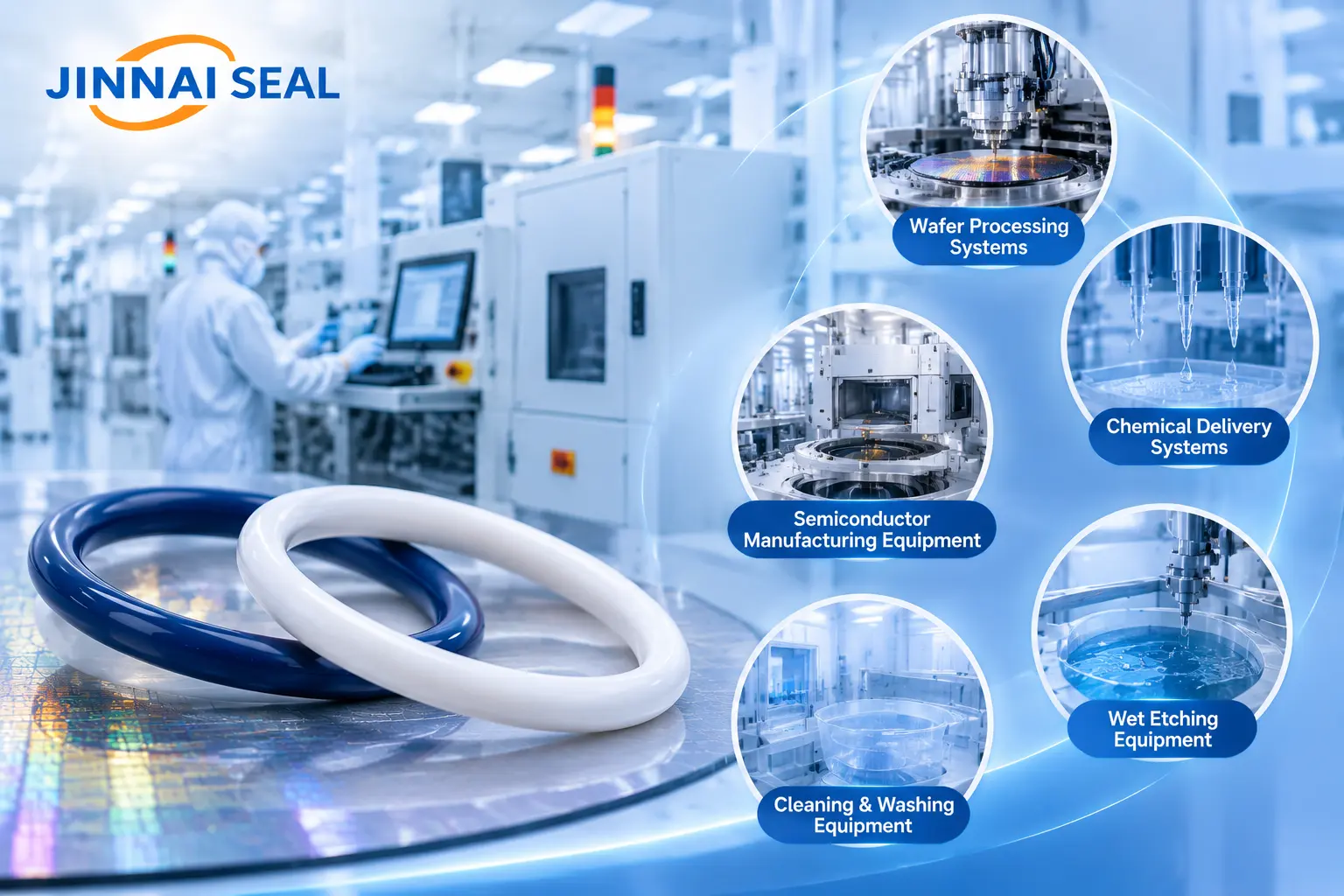
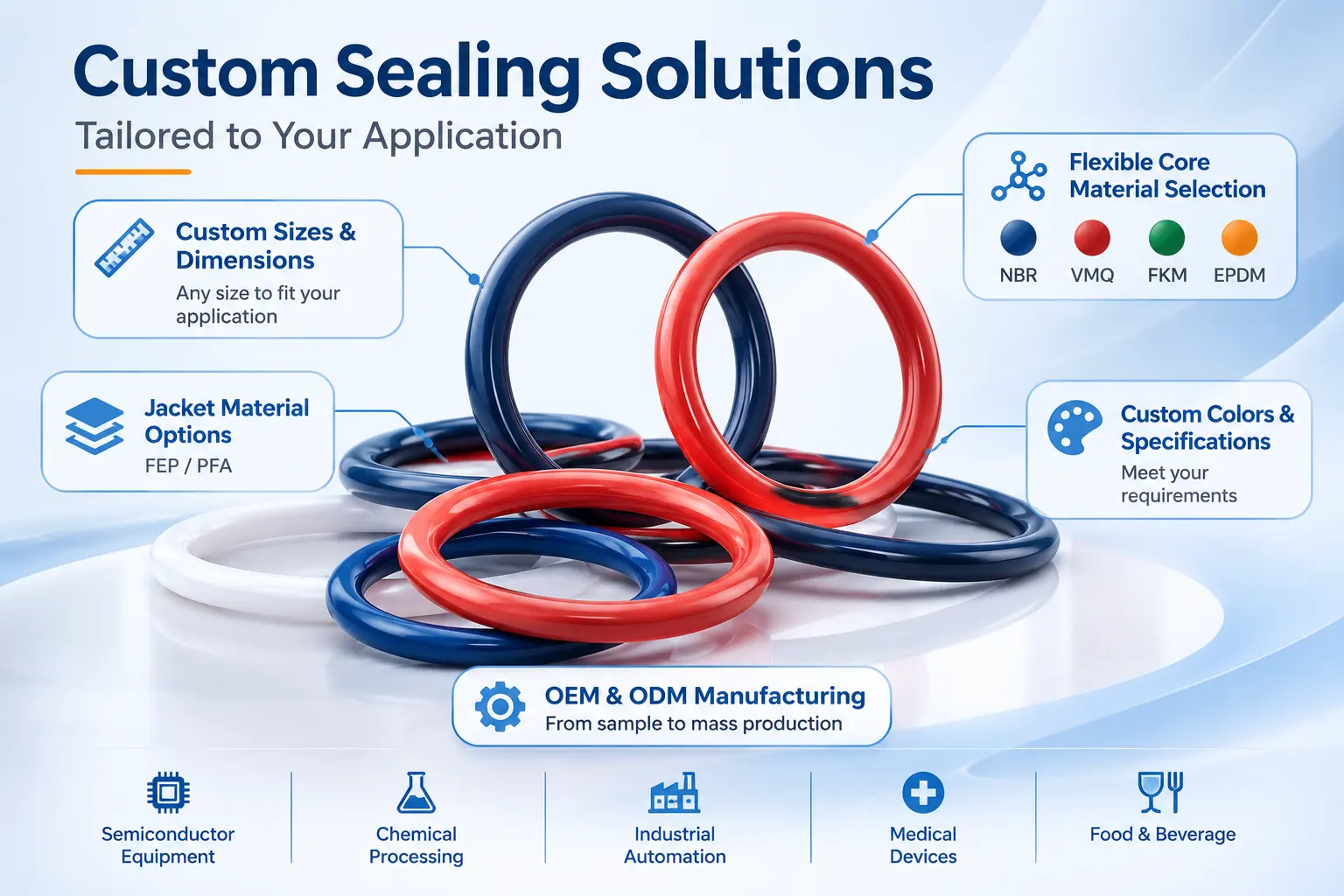
JINNAI SEAL provides customized FEP encapsulated O-rings and PTFE-coated sealing solutions for semiconductor manufacturing equipment, precision fluid handling systems, and chemical processing applications. We understand that different semiconductor processes require specific sealing materials, dimensions, and performance characteristics. Our custom solutions are developed to meet individual equipment requirements and demanding operating conditions.
1. Custom Sizes & Dimensions
We manufacture custom FEP encapsulated O-rings in various inner diameters, cross-section sizes, and specifications to ensure accurate fitting and reliable sealing in semiconductor equipment.
2. Flexible Core Material Selection
We offer different elastomer core materials to meet specific operating conditions:
3. Jacket Material Options
FEP and PFA encapsulation options are available for applications requiring excellent chemical resistance, low friction, and reliable sealing performance.
4. Custom Colors & Product Specifications
We support different jacket colors, cross-section designs, and product specifications according to customer drawings, samples, or technical requirements.
5. OEM & ODM Manufacturing
From sample development and product evaluation to mold customization and bulk production, we support OEM and ODM projects for semiconductor equipment manufacturers and industrial sealing distributors.
Related Products
We have developed a diverse portfolio of product solutions to suit different markets and needs.Welcomes