






-
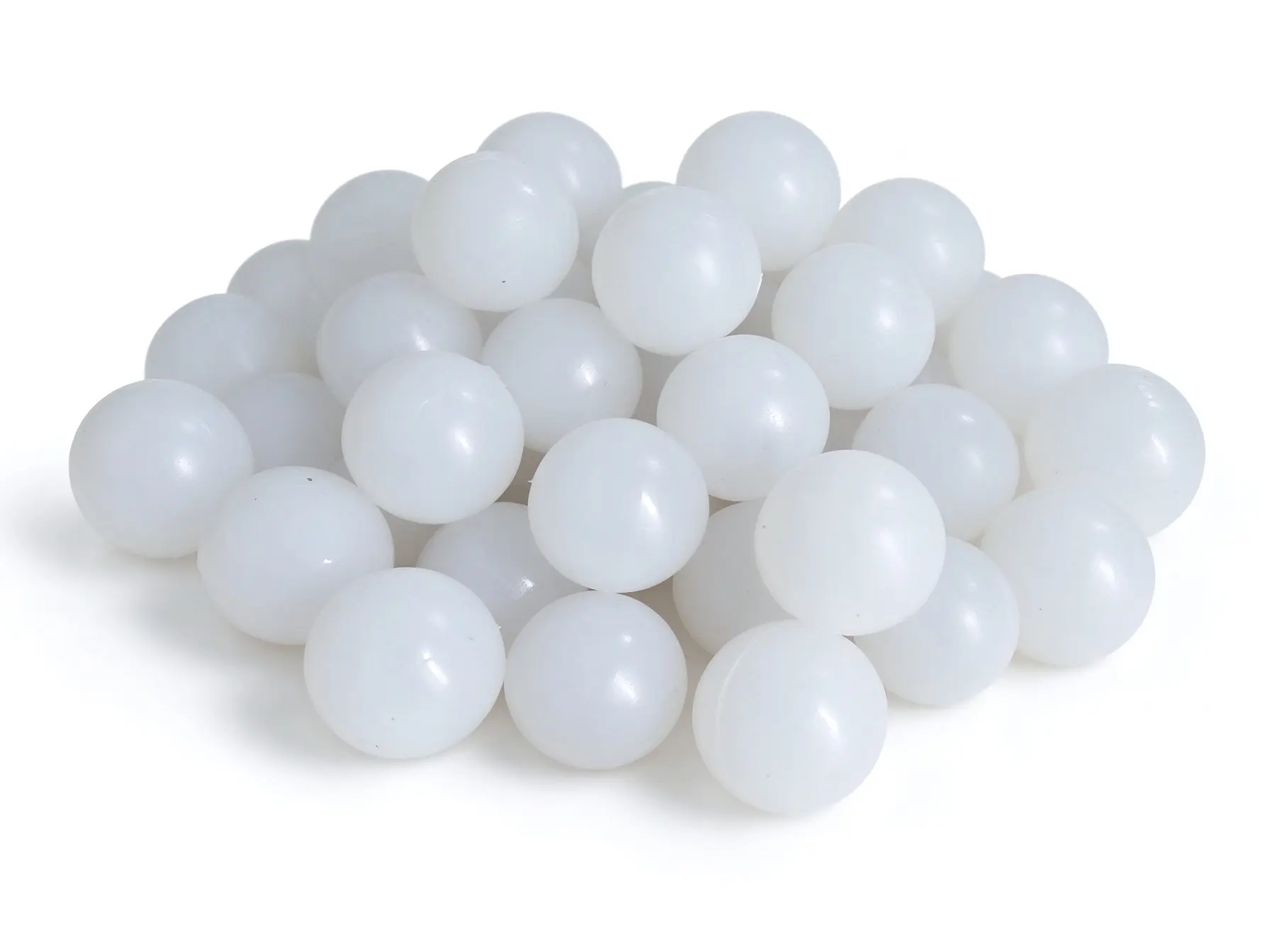
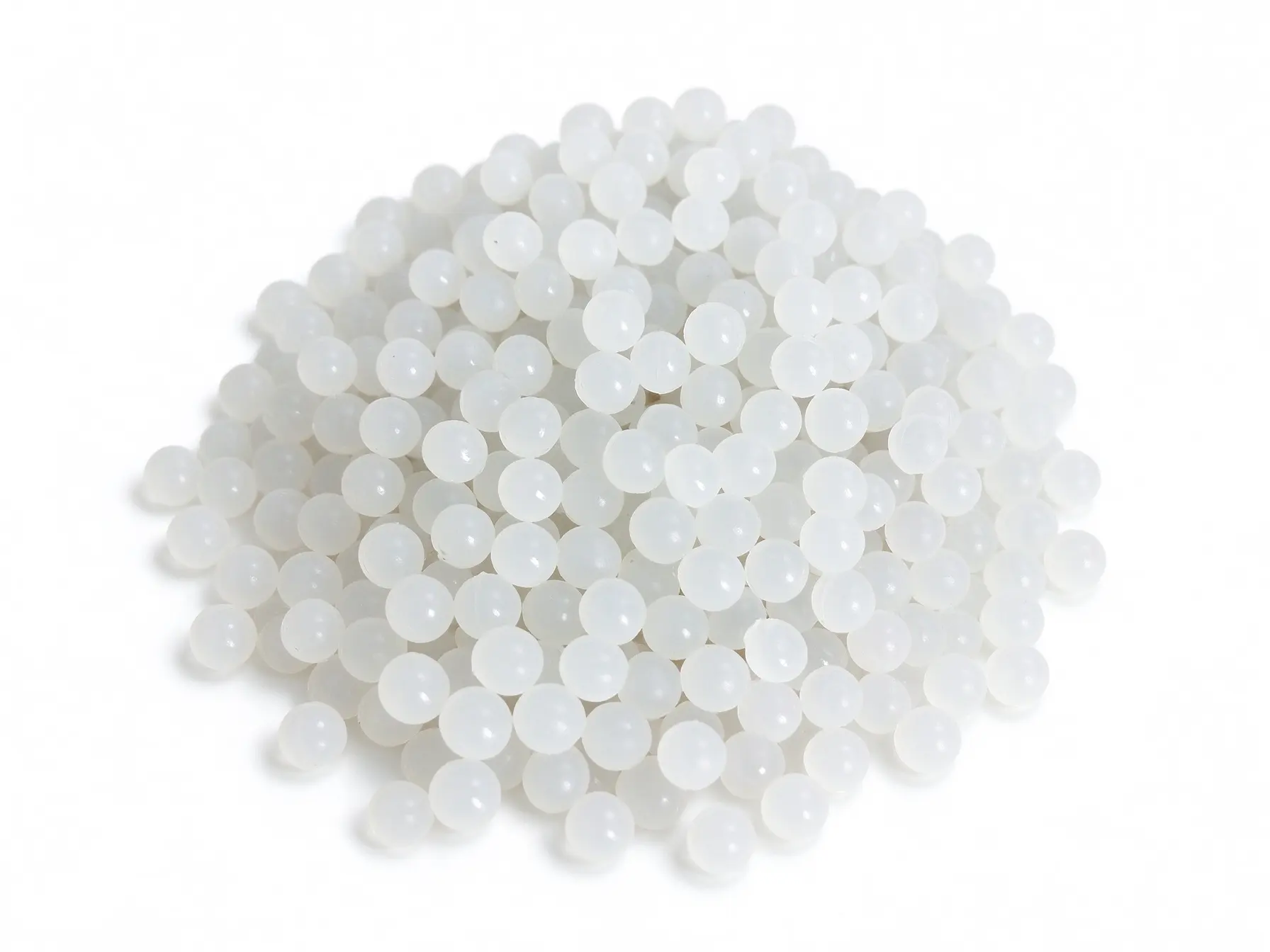
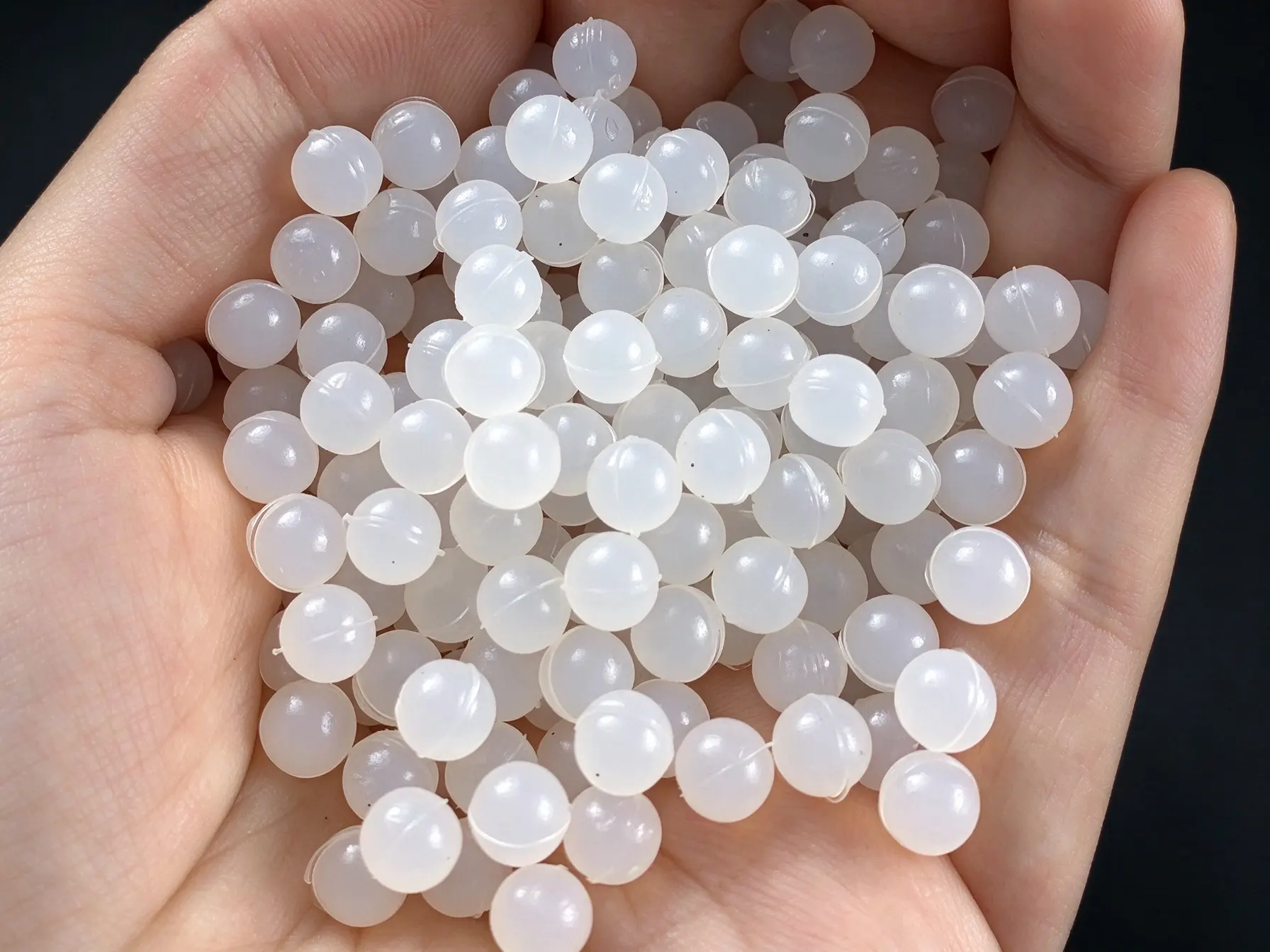
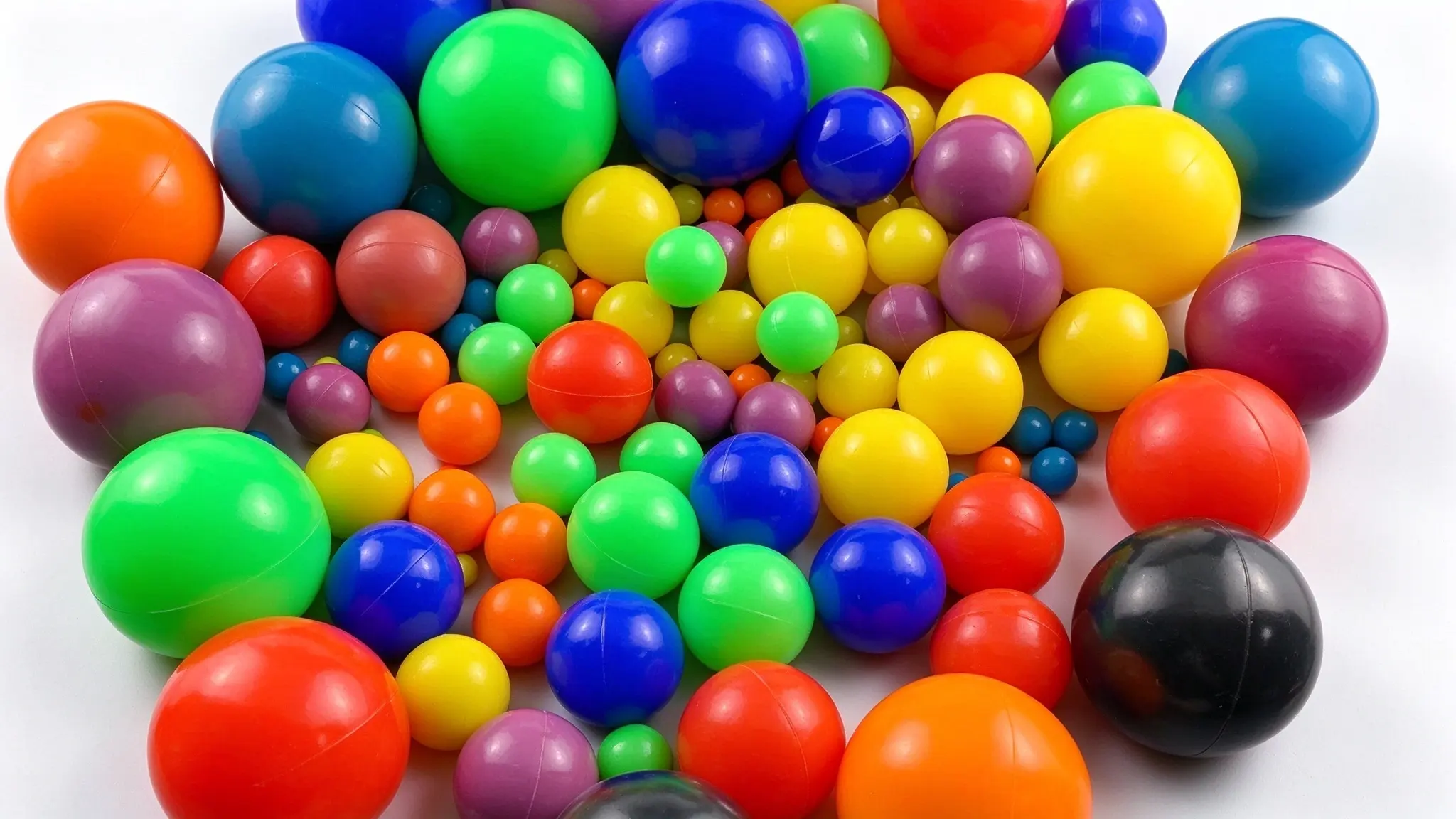
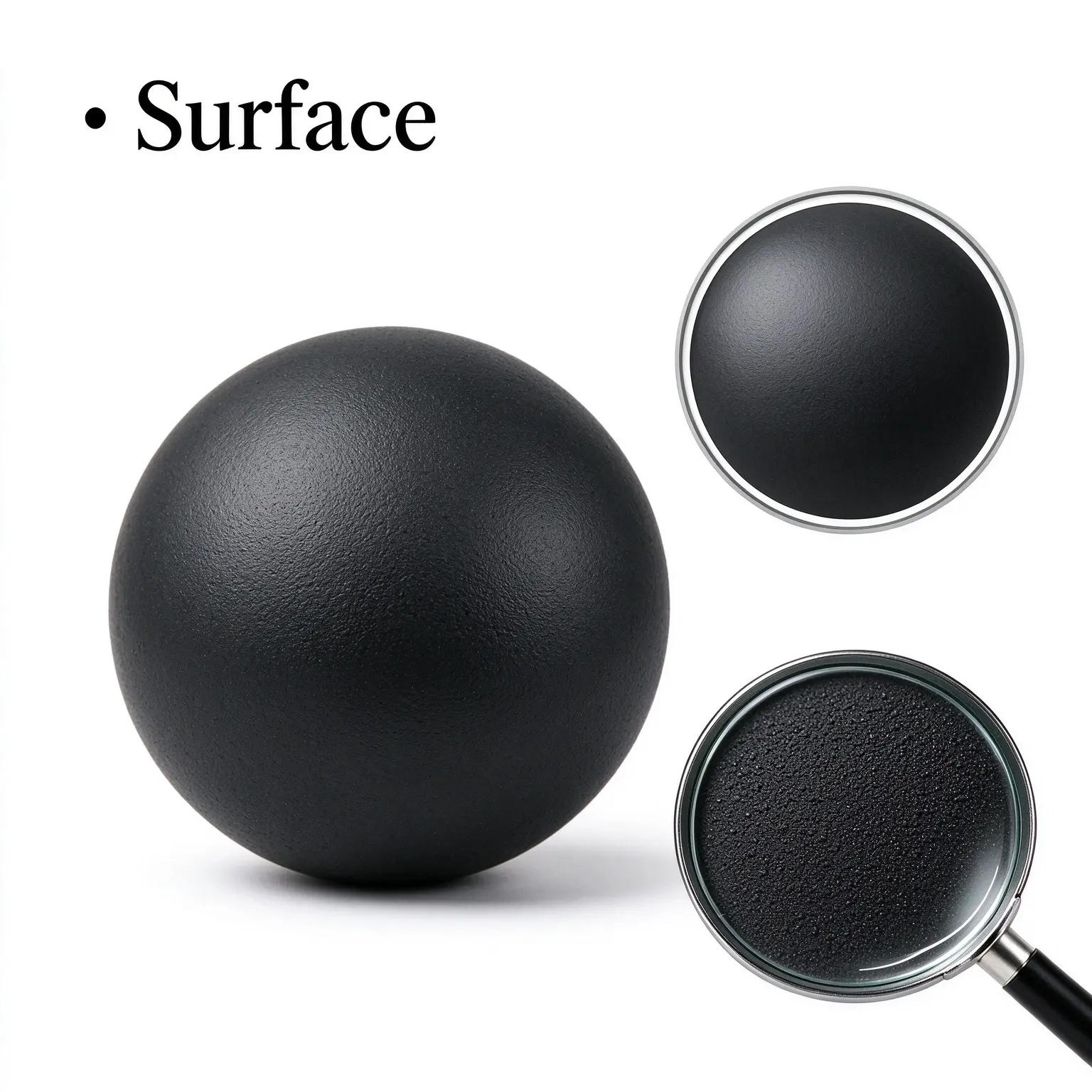
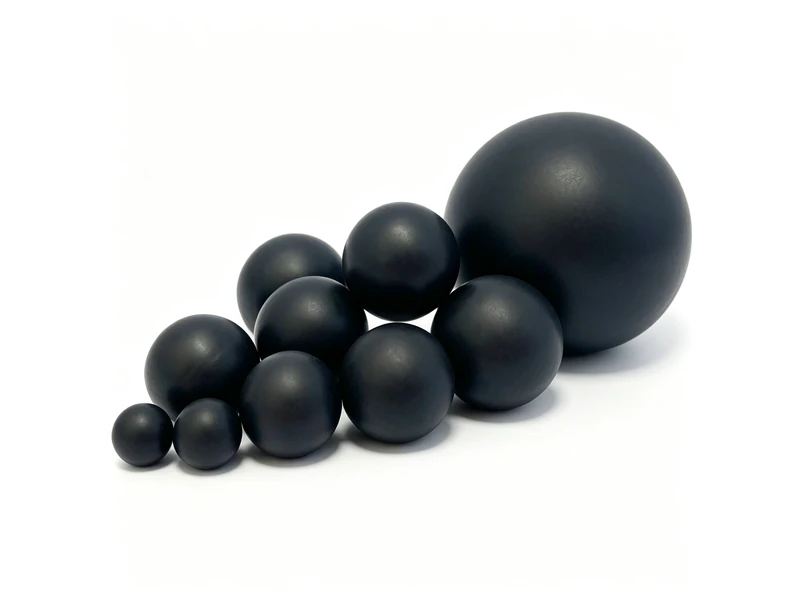
Solid high-rebound balls compression molded from food-grade silicone, with a smooth, impurity-free surface and resistance to heat, wear and deformation.
-
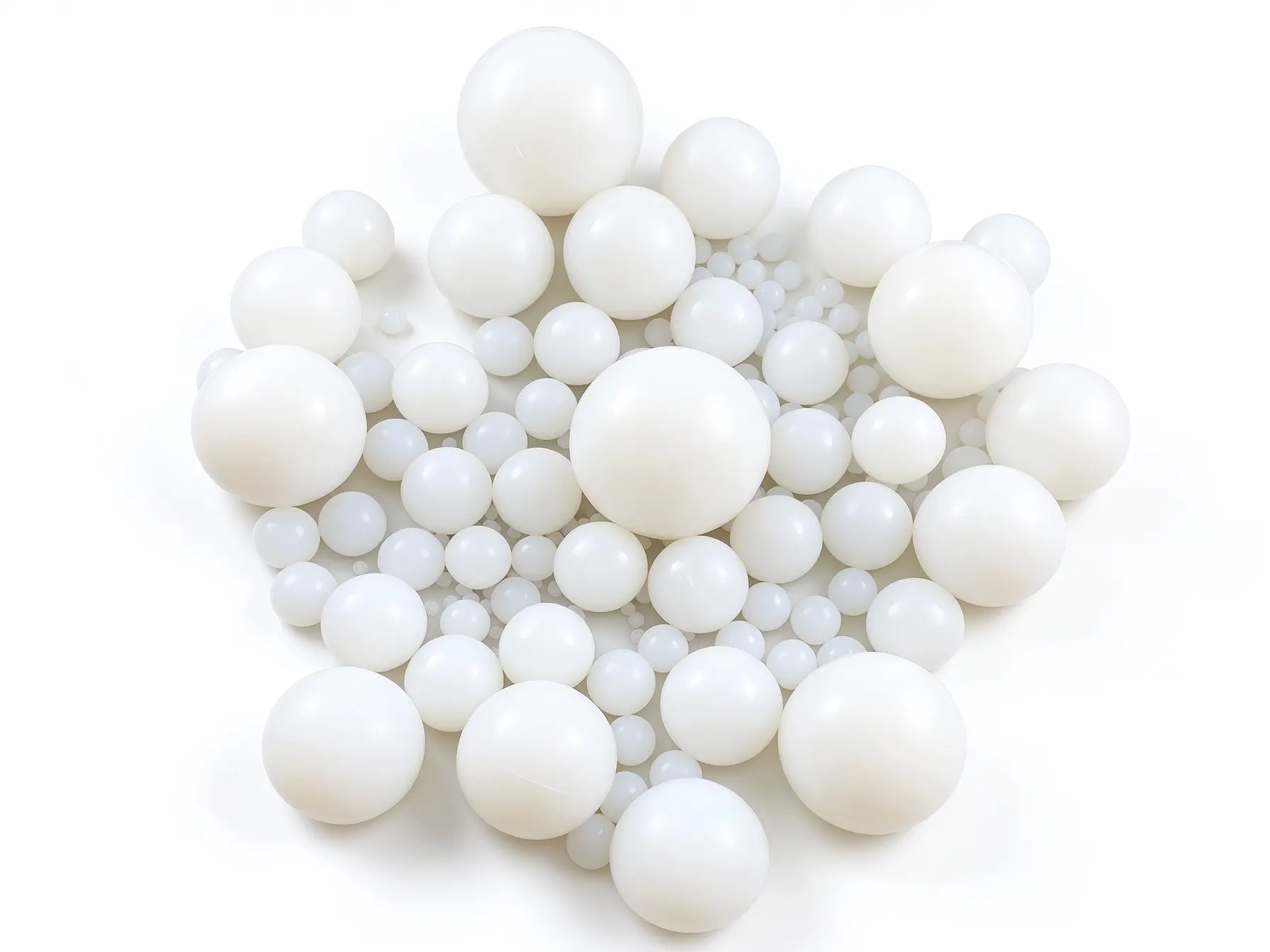
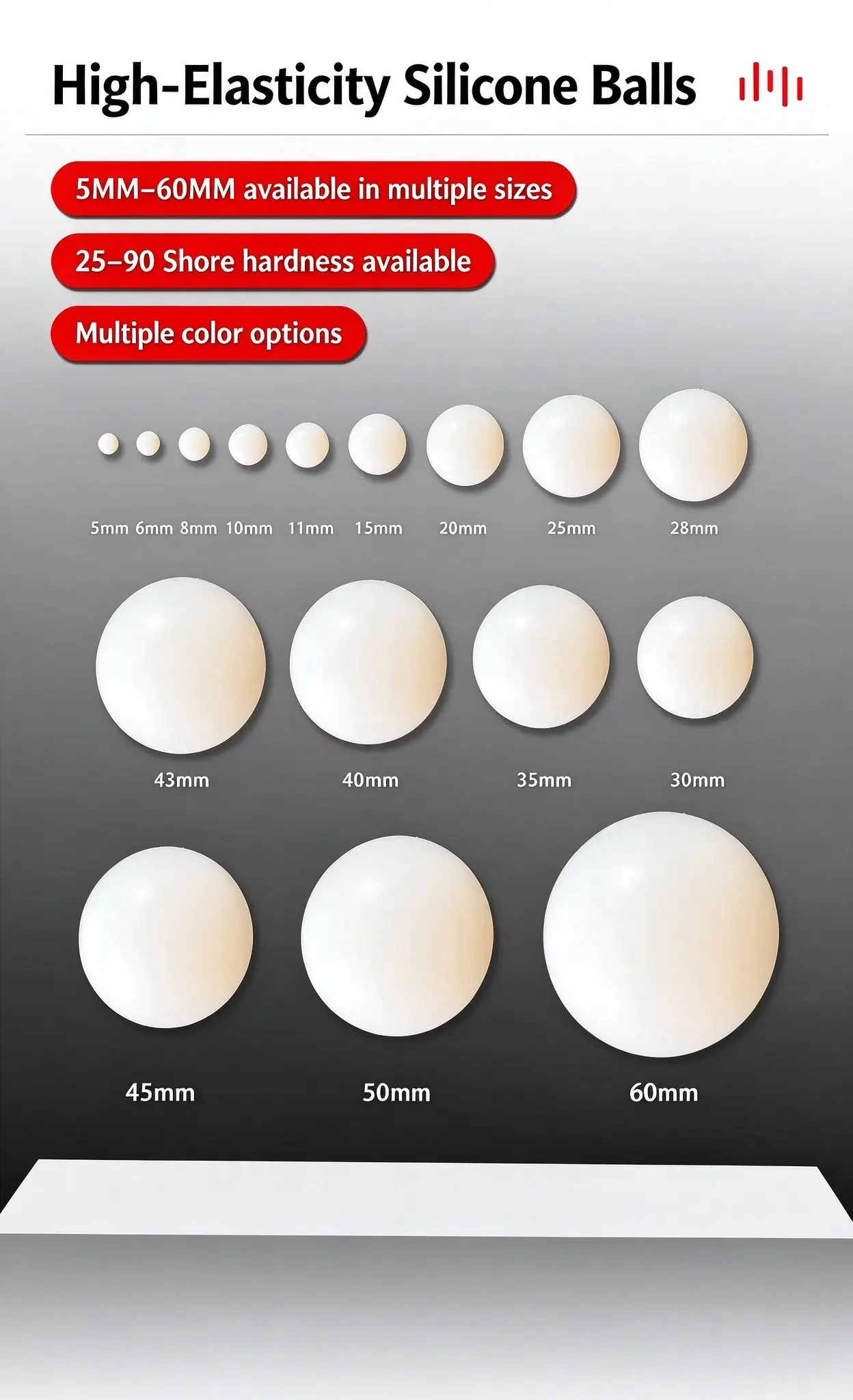
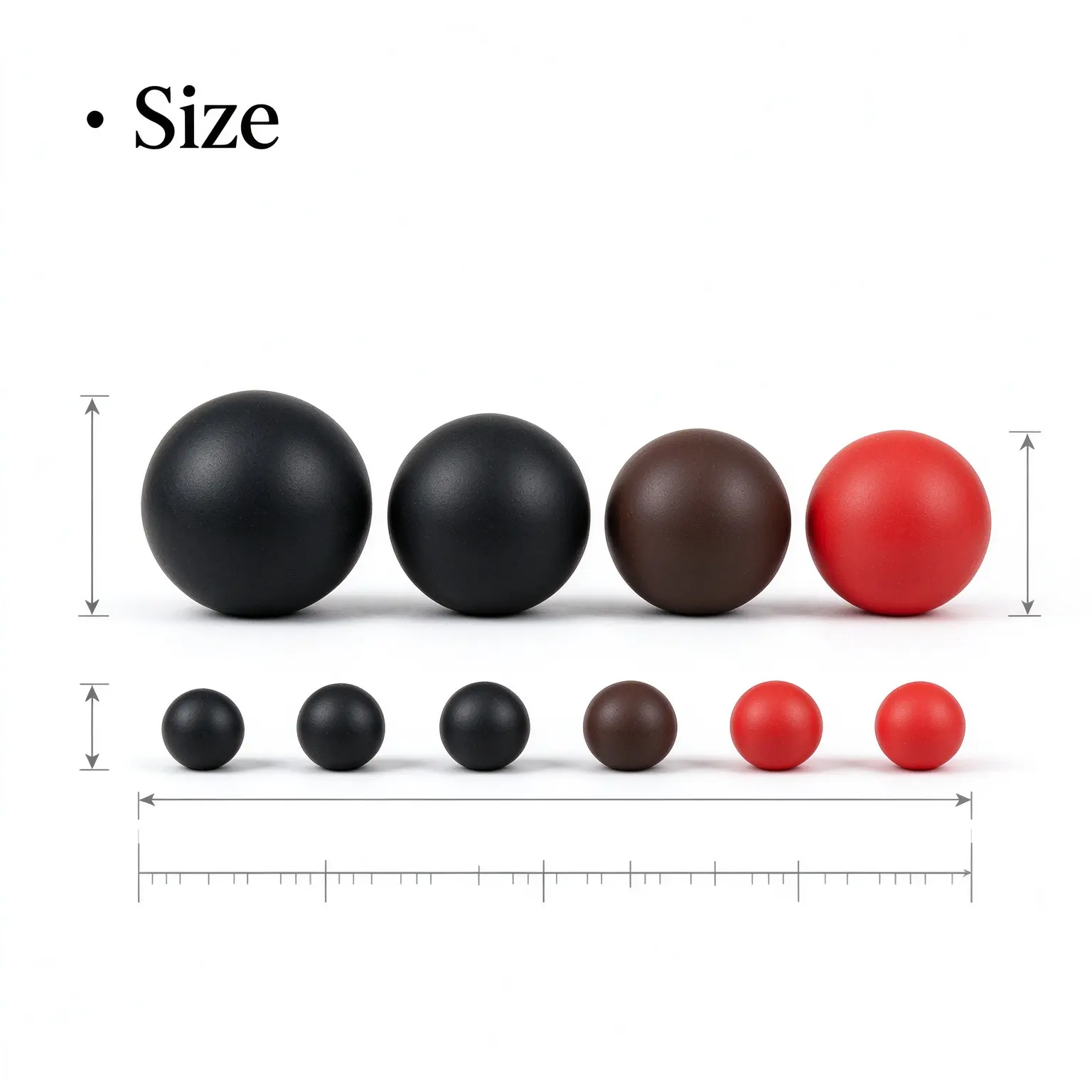
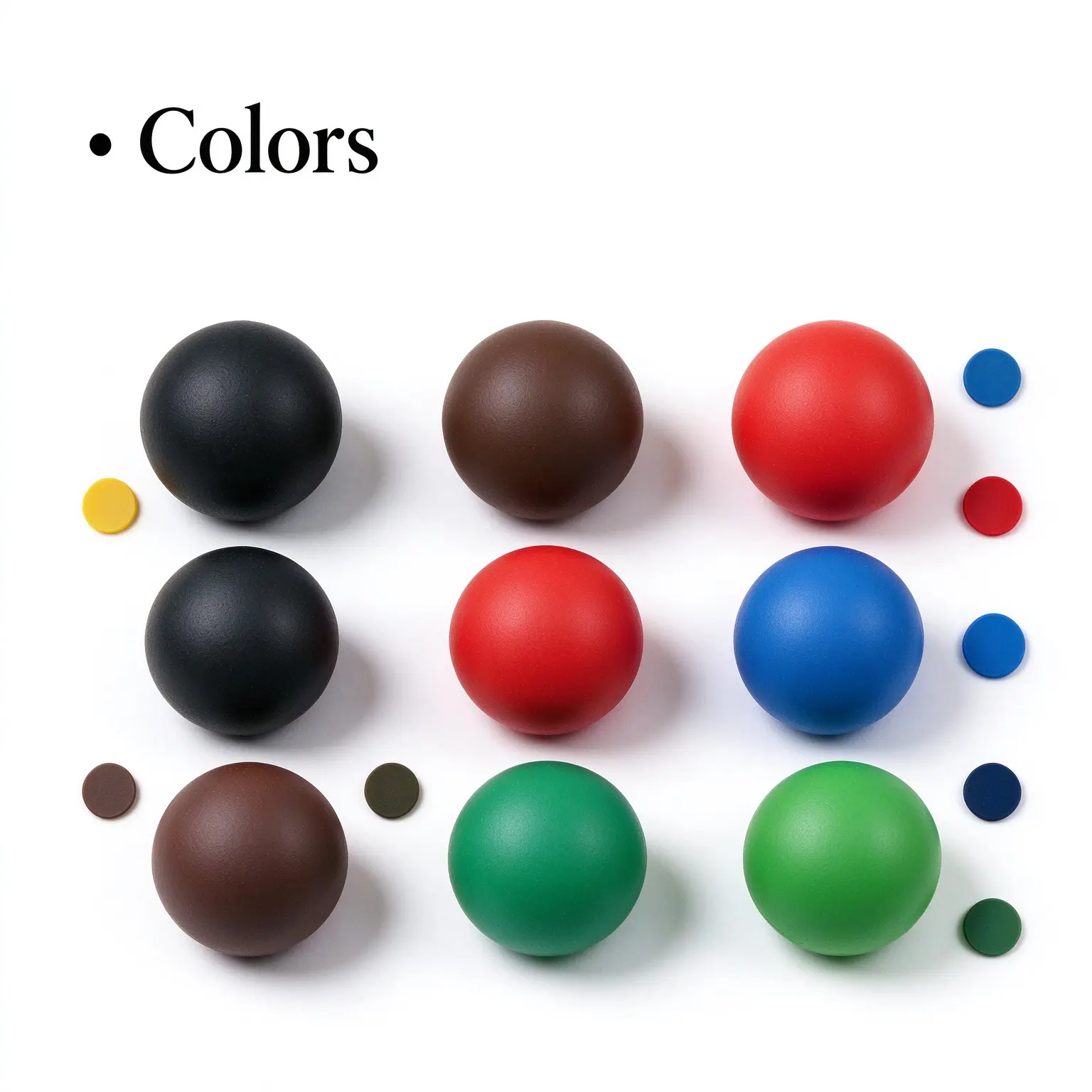
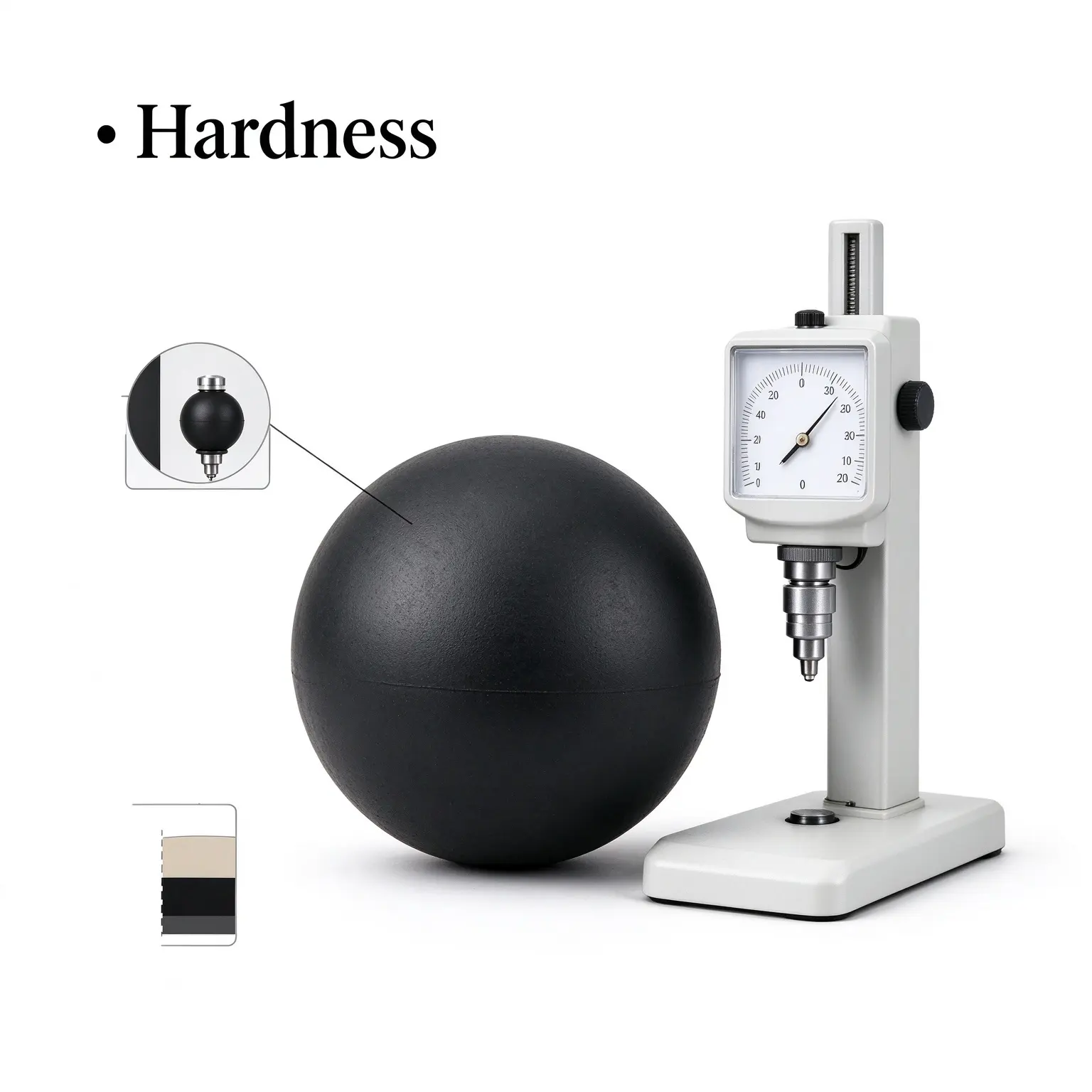
Sizes from 5mm to 60mm, Shore A hardness 25–90 optional, multiple colors, customizable on request.
-
Suitable for vibrating screen cleaning, grain cleaning, dry-cleaning dryer, leather softening and household filler applications, with factory bulk supply.
Rubber Balls
High Rebound Food Grade Silicone Rubber Balls Supplier
- Description
- Download
-
This solid high-rebound silicone ball is compression molded in one piece from food-grade silicone, featuring a smooth, impurity-free surface plus heat resistance, wear resistance and resistance to deformation. Silicone rubber balls another name is VMQ balls .The standard sizes range from 5mm to 60mm, with Shore A hardness from 25 to 90 and multiple color options; custom sizes and hardness are available to drawing or sample. Silicone balls suitable for vibrating screen cleaning balls, grain cleaning machines, dry-cleaning dryer balls, leather softening balls and household filler applications, with factory bulk supply support.
Technical Specification and Test Standard for Silicone Rubber Balls
Category Parameter Typical Value / Range Test Standard / Remarks Physical Properties Density 1.14–1.22 g/cm³ ASTM D297 / ISO 2781 Tensile strength 6–10.5 MPa ASTM D412 Elongation at break 400%–480% ASTM D412 Modulus at 100% elongation 1.8–2.8 MPa ASTM D412 Tear strength (Die B) 18–31 kN/m ASTM D624 / DIN 53507 Compression set (70 h / 175°C) Approx. 15%–25% (low-compression-set grades can be ≤10%) ASTM D395 Method B; key indicator for sealing parts Rebound behavior High resilience, suitable for repeated compression and bouncing applications Solid ball, no cavity Temperature Resistance Standard service range -50°C to +200°C General-purpose VMQ; short-term peaks up to 230°C Extended range with special compounds Down to -60°C, up to 250°C (depending on curing system and formulation) To be confirmed by specific grade Hot air aging (70 h / 225°C) Hardness change ±1–5 Shore A; tensile change approx. ±10% ASTM D573 Chemical Compatibility Polar solvents Fair Alcohols, ketones and similar polar media require validation Acids / alkalis Dilute acids and dilute alkalis: fair; concentrated acids, concentrated alkalis and hot concentrated alkalis: not recommended Immersion testing under actual concentration, temperature and time is required Oils / fuels / hydrocarbons Not resistant to aliphatic and aromatic hydrocarbons (toluene, benzene, etc.) and most oils Significant swelling; should be excluded or specifically validated for sealing use Hot water / steam Not resistant to pressurized hot water and steam (caution above 250°F / 121°C) Dry-heat static service is preferred over hot/wet conditions Ozone / weathering Excellent Typical advantage of silicone rubber Hardness Shore A range 25–90 Shore A (covered range) ASTM D2240 Common batch tolerance ±5 Shore A Controlled by hardness grade Size Range Ball diameter 5 mm – 60 mm (customizable) Compression molded in one piece Diameter tolerance Per drawing or ball grade; ISO 3290 reference: Grade G10 approx. ±0.25 μm class (precision ground) Molded balls by agreed tolerance; precision grinding available Sphericity (deviation from spherical form) ISO 3290 reference: Grade G10 Rsw ≤0.25 μm Higher roundness gives more uniform sealing contact Surface roughness ISO 3290 reference: Grade G10 Ra ≤0.02 μm (precision ground) Molded surface is typically rougher than ground surface Food Contact Compliance FDA 21 CFR 177.2600 compliant (specific compounds) Food-grade platinum-cured systems required EU LFGB / EU 1935/2004 compliant (specific compounds) To be confirmed by grade Others USP Class VI & Sanitary available for hygienic grades Certification required for pharma/sanitary applications Usage Note: The outstanding advantages of silicone balls include wide temperature range (-50°C to +200°C), high resilience, ozone & aging resistance and food-contact compliance. However, they have limited resistance to oil, hydrocarbons, concentrated acids and alkalis. When selecting materials, working conditions involving oil, fuel, aromatic hydrocarbons, concentrated acids and concentrated alkalis should be excluded first. Compression set is a critical indicator for bouncing balls and sealing balls. Bench test verification based on actual compression ratio, temperature and duration is recommended. The physical property values in this table are based on general VMQ data. Differences exist among different formulations (platinum-cured / peroxide-cured, low compression set systems, food-grade systems), and these data shall not be directly used as acceptance specifications.
Multi-Material Solid Rubber Balls Custom Sealing Solutions
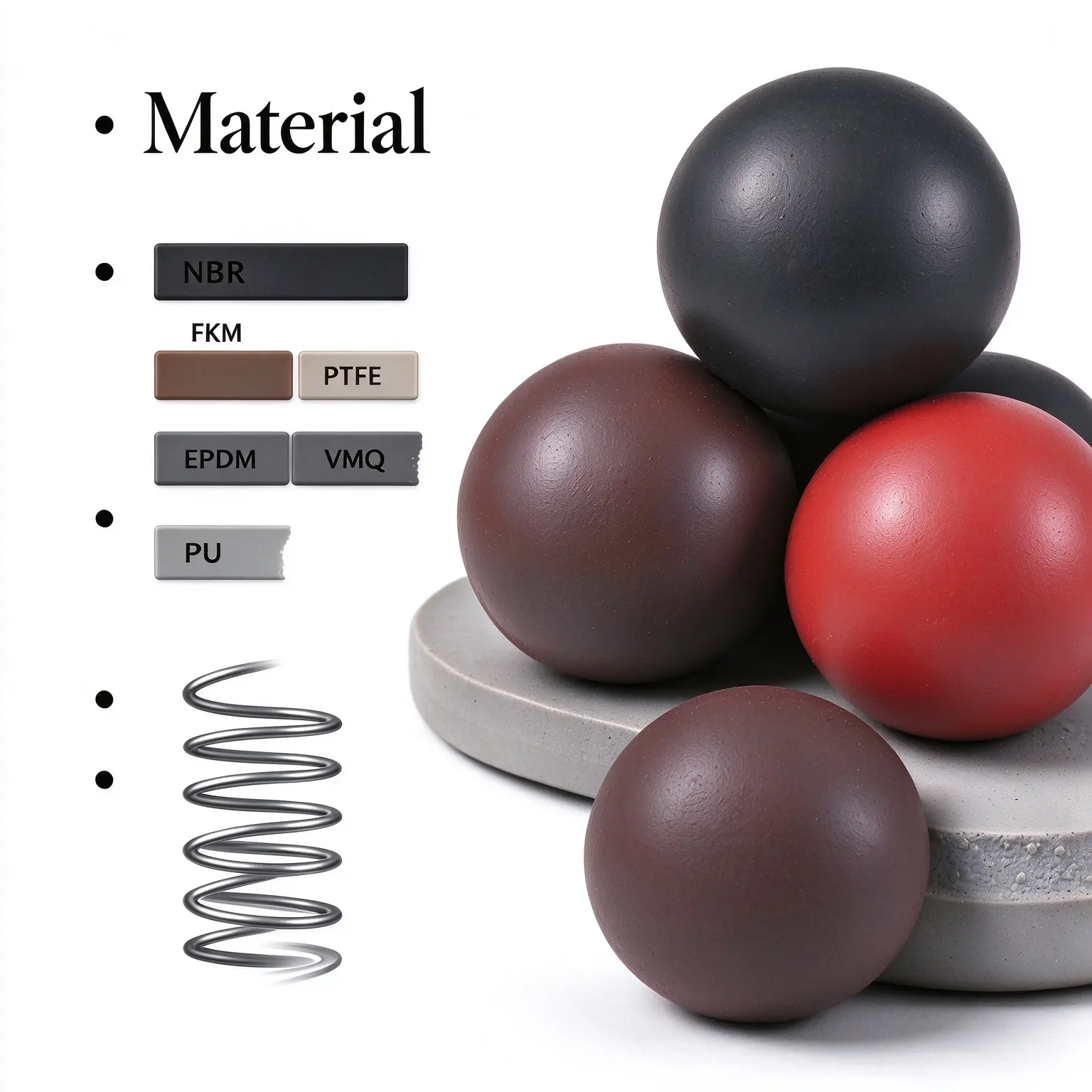
We supply solid rubber balls in multiple material grades: FKM/FPM, FFKM, PTFE, NBR, EPDM and VMQ silicone, with operating temperatures ranging from -50°C to +320°C. Each material features unique performance in oil resistance, chemical compatibility and thermal stability for both high and low temperature service. They are widely used for valve sealing, pump sealing, pipeline sealing and vibrating sieve mesh cleaning. Customization on material, dimension, hardness and tolerance is available according to your working conditions. Samples and mass production orders are welcomed.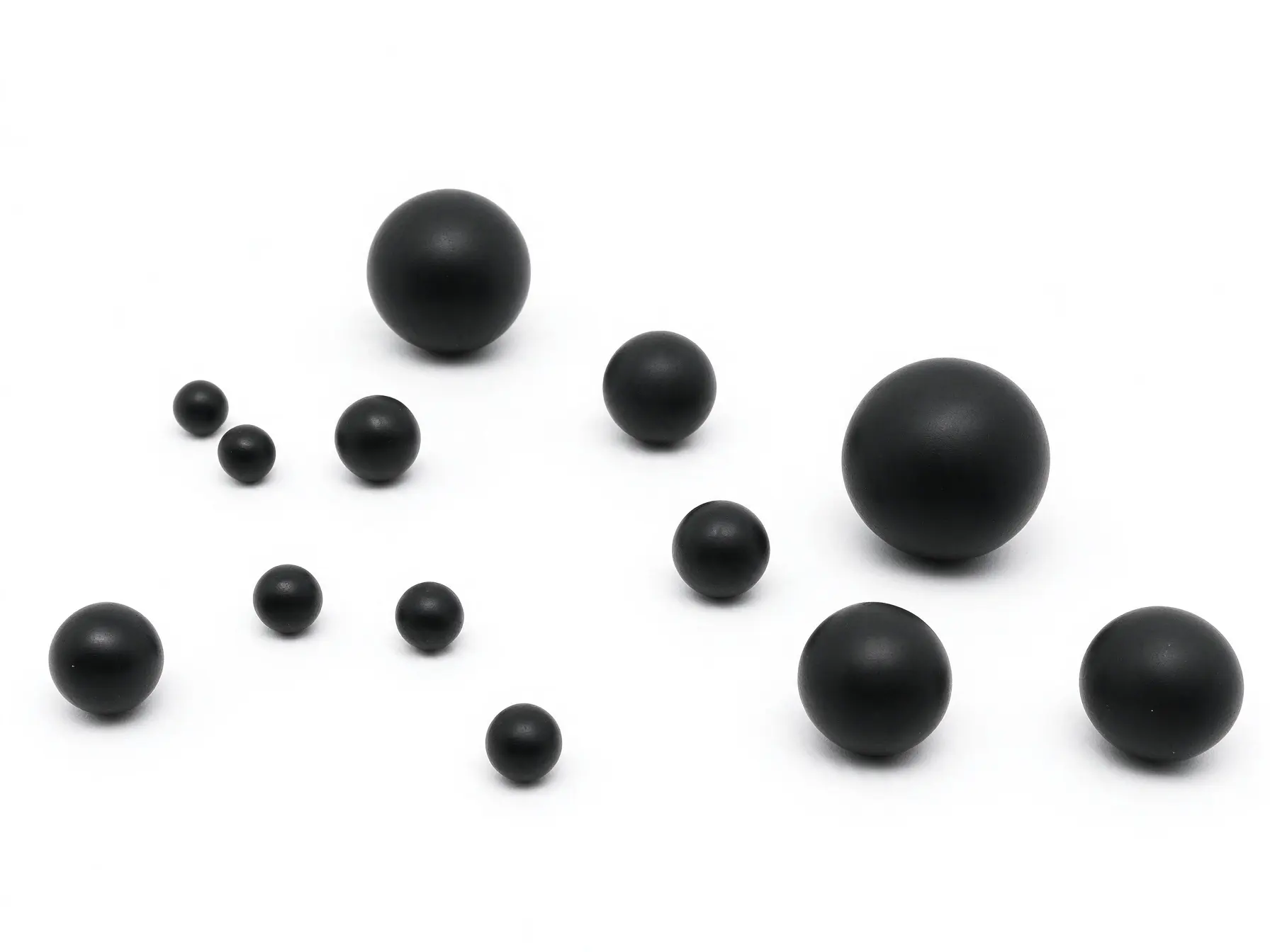
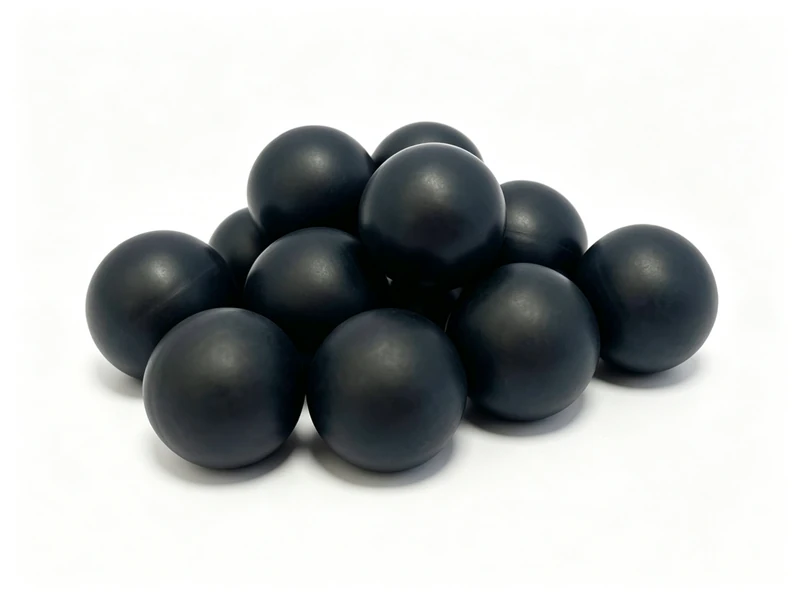
NBR(Buna-a,Niteile Rubber)
Oil&Water, Wear,Low temperature Resistance
Temp Range -40℃-120℃
Color Black
Hardness 50/60/70/80/90 Shore A
FKM (FPM,Viton,Fluoro Rubber)
Oil & Hydraulic Fluids, Chemical, High Temperature Resistance
Temp Range -20℃-220℃
Color Black Brown Green
Hardness 70/75/80/85/90 Shore A
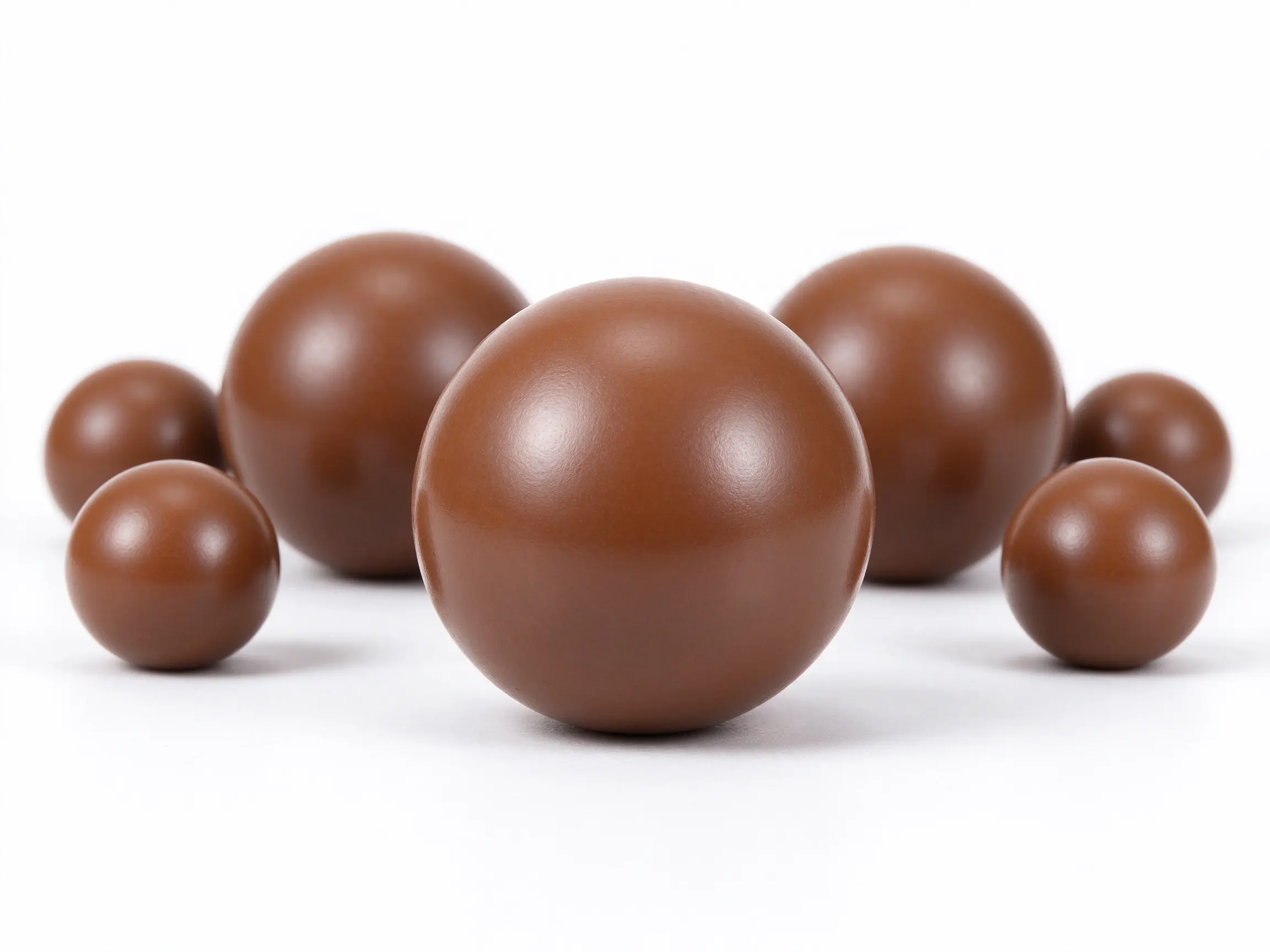
EPDM Rubber (EPM)
Cooling Liquid & Brake Fluid,Ozone,Hot Water & Steam Resistance
Temp Range -45℃-150℃
Color Black
Hardness 40/50/60/70/80/90 Shore A
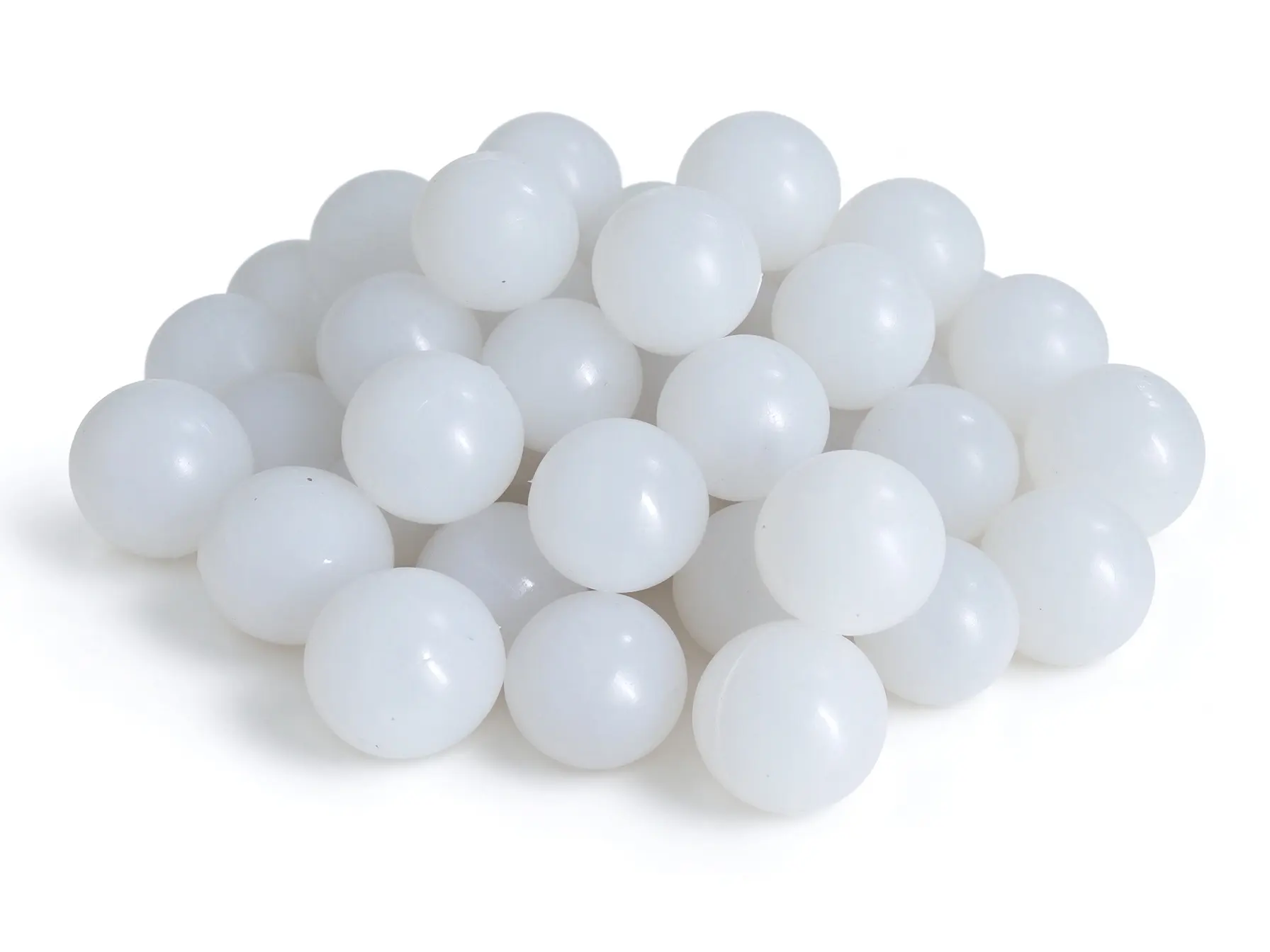
VMQ(Silicone Rubber)
Heat & Low Temperature ,Ozone ,Aging &Weather Resistance
Temp Range -55℃-204℃
Hardness 40/50/60/70 Shore A
PTFE (Teflon,Polytetrafluoroethylene)
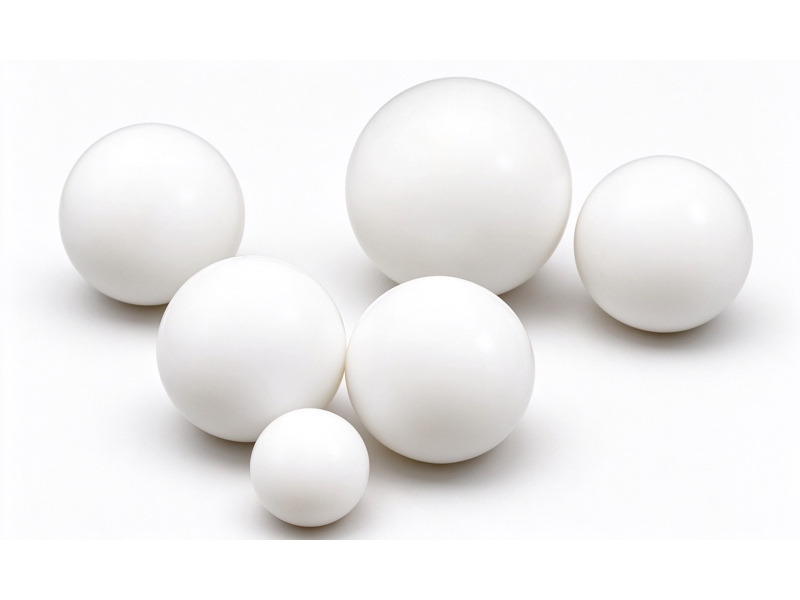
Excellent Electrical Insulation, Chemical & Corrosion Resistance, Low Friction
Temp Range -200℃-260℃
Color White
Hardness 50~65 Shore DApplication Areas of Silicone Bouncy Balls:
With high resilience, wear resistance, temperature resistance and optional food-grade compounds, silicone bouncy balls are mainly used in the following areas:
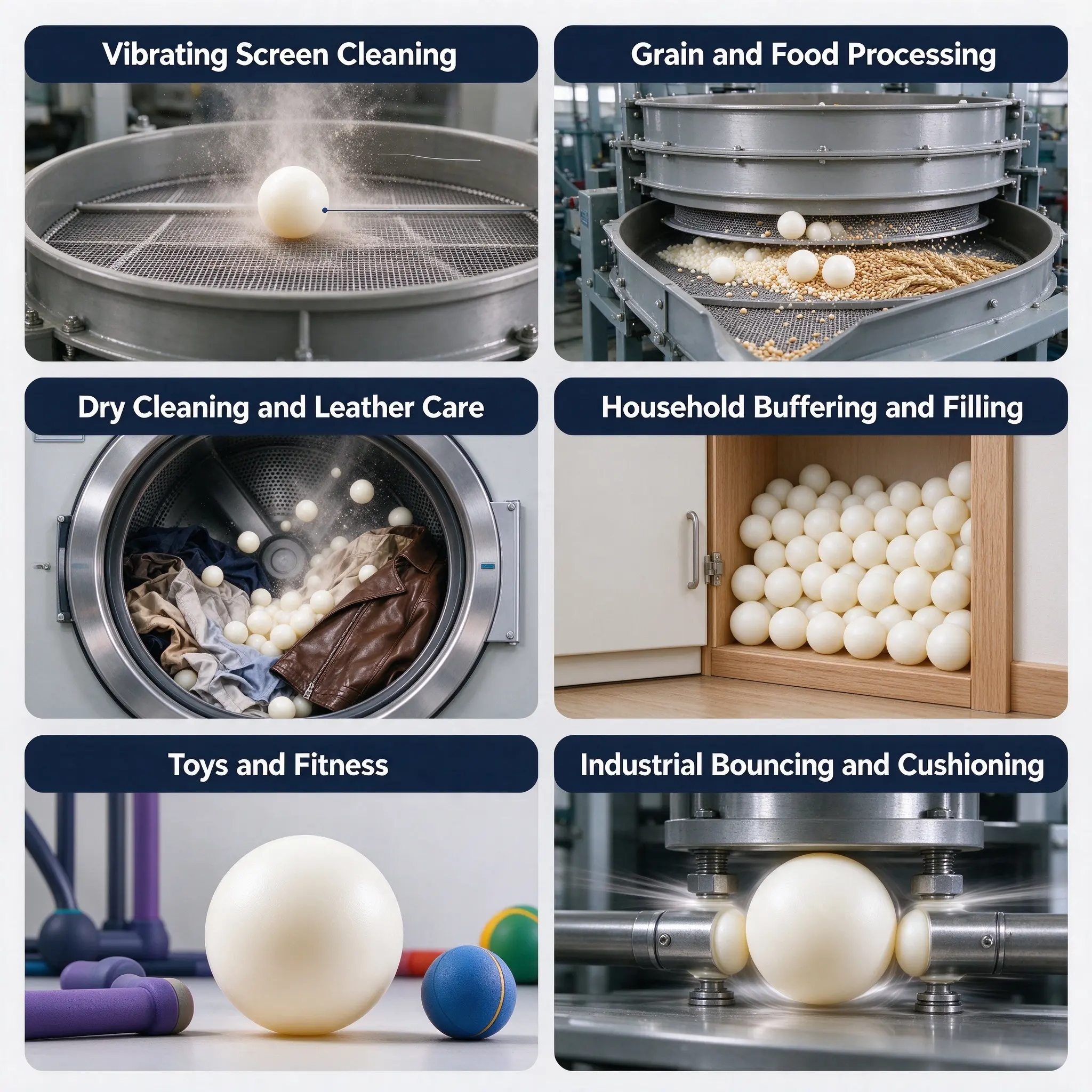
- Vibrating Screen Cleaning: Used as screen-cleaning bouncing balls in rotary, circular and linear vibrating screens for chemical, food, grain and mining applications, helping prevent screen blinding and improve screening efficiency.
- Grain and Food Processing: Used in grain cleaning machines, screening machines and food vibrating screens for screen cleaning and bouncing assistance; food-grade compounds are available for food-contact applications.
- Dry Cleaning and Leather Care: Used as dryer balls in dry-cleaning machines and as softening/beating balls for leather garments, helping restore fluffiness and softness.
- Household Buffering and Filling: Used for cabinet doors, furniture and daily-use products for filling, cushioning and anti-collision purposes.
- Toys and Fitness: Used for bouncy balls, massage balls, hand-grip balls and other toys and fitness products.
- Industrial Bouncing and Cushioning: Used in applications requiring high resilience and compression resistance for cushioning, vibration and bouncing.
Silicone Ball Diameter Tolerance Table — ISO 3302-1:2014 (Fixed Dimension, ± mm)
Tolerance Grade Applicable Diameter Range Diameter Tolerance Sphericity (Total Error) Surface Roughness Ra (Reference) Typical Process / Description Standard Molded Grade 5 – 10 ±0.10 ≤0.10 Molded surface, Ra unpolished One-piece compression molding, general industrial grade; ±0.1 mm is common tolerance for molded balls in the industry >10 – 25 ±0.15 ≤0.15 Some suppliers control ±0.15 mm for φ9–11 mm >25 – 40 ±0.20 ≤0.20 Diameter shrinkage and flash will affect tolerance range as ball size increases >40 – 60 ±0.30 ≤0.30 Large molded balls require reasonable tolerance allowance Precision Ground Grade 5 – 15 ±0.05 ≤0.05 Ra ≤0.4–0.8 μm Ground & polished after molding to remove mold parting line; can reach ±0.03 mm level >15 – 30 ±0.08 ≤0.08 For precision sealing, valve balls and other applications requiring high roundness consistency >30 – 50 ±0.10 ≤0.10 Process stability needs confirmation for large-diameter precision balls >50 – 60 Negotiated per drawing Negotiated per drawing Beyond conventional economical range for precision grinding; special evaluation recommended Additional Tolerances for Silicone Balls
Item Tolerance / Value Standard / Note Hardness ±5 Shore A ASTM D2240; by hardness grade (25A–90A) Sphericity (molded) ≤0.15 mm (Ø≤25); ≤0.25 mm (Ø25–60) Internal control; molded balls cannot reach ISO 3290 G-grades Surface roughness (molded) Ra 1.6–3.2 µm Post-cure molded finish; flash removed Concentricity / parting line flash ≤0.05 mm (M2); ≤0.10 mm (M3) Flash trimmed after demolding Lot diameter variation Within ±0.10 mm for same batch For consistent sieve bouncing performance OEM & ODM Service
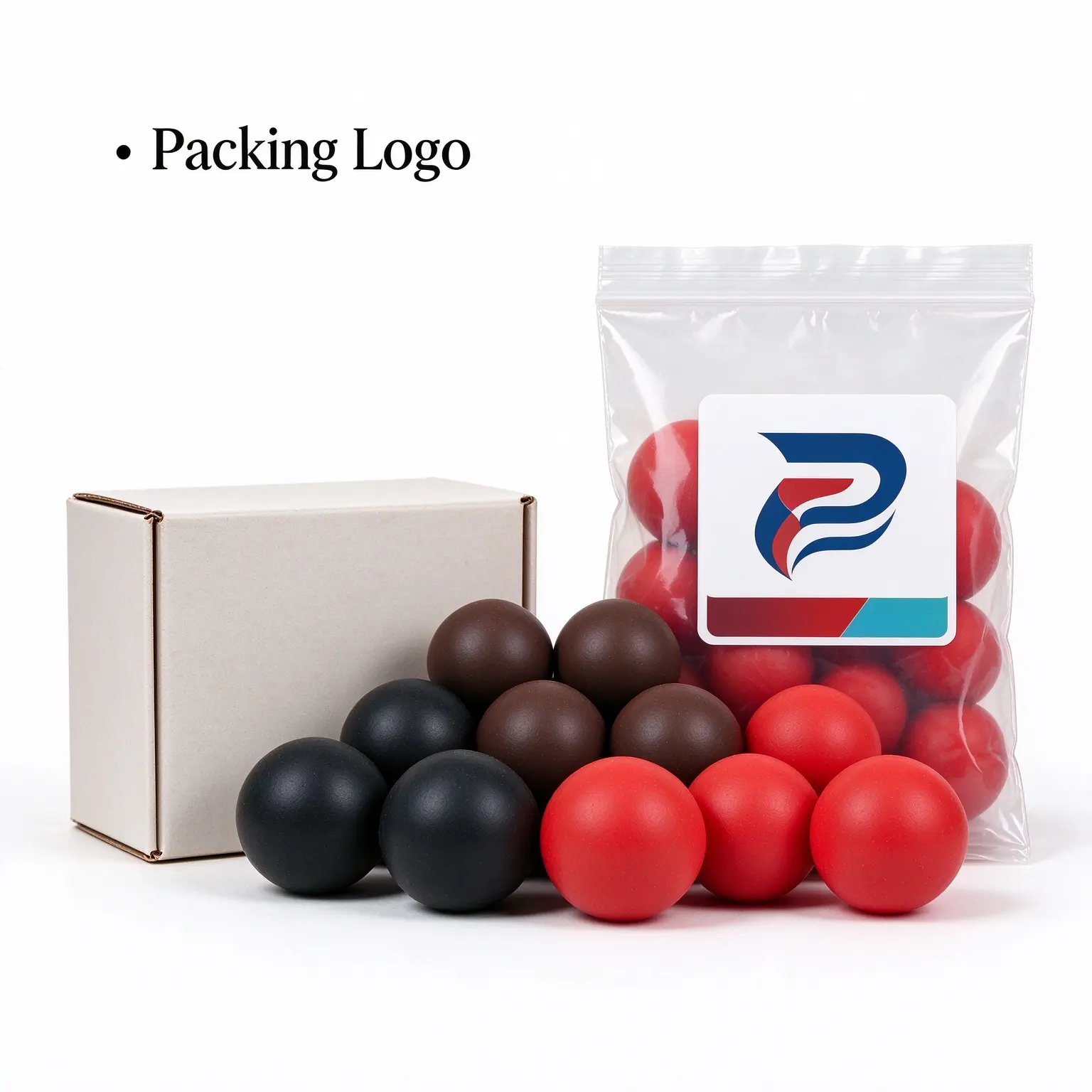
We provide professional OEM and ODM services for our rubber balls, offering comprehensive customization to meet your specific project requirements.
Silicone Ball Inspection Content
Silicone ball inspection should cover appearance, dimensional accuracy, elastic performance, heat aging, hygiene compliance and application performance. The specific items can be adjusted according to the product application, such as vibrating screen cleaning balls, food-grade bouncy balls or sealing balls.
- Visual Inspection
Check the ball surface for smoothness, bubbles, cracks, impurities, dents, scratches and obvious mold lines. Color should be uniform, and food-grade products should be free of odor and visible contamination. - Dimension and Sphericity Inspection
Measure diameter, roundness and diameter tolerance using calipers, an optical comparator or non-contact measurement. Because silicone balls are soft, contact measurement force should be controlled to avoid compression deformation affecting readings. - Hardness Test
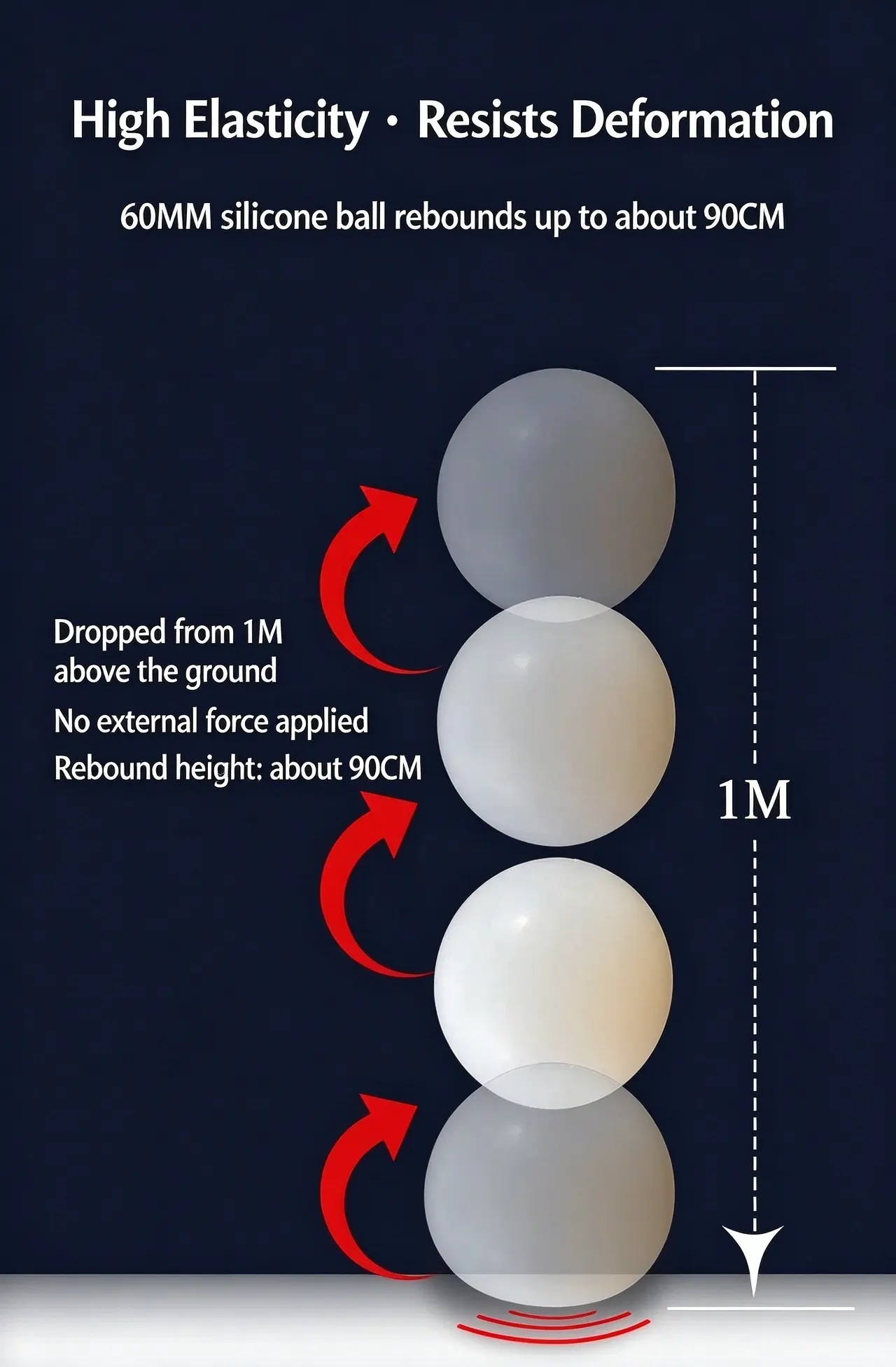
Measure Shore A hardness per ASTM D2240. The standard range is 25–90 Shore A, with batch tolerance generally controlled at ±5 Shore A. - Rebound Resilience Test
Evaluate rebound rate and elastic recovery after repeated compression, suitable for bouncy balls, screen-cleaning balls and cushioning balls.
Packing & Payment & Shipping
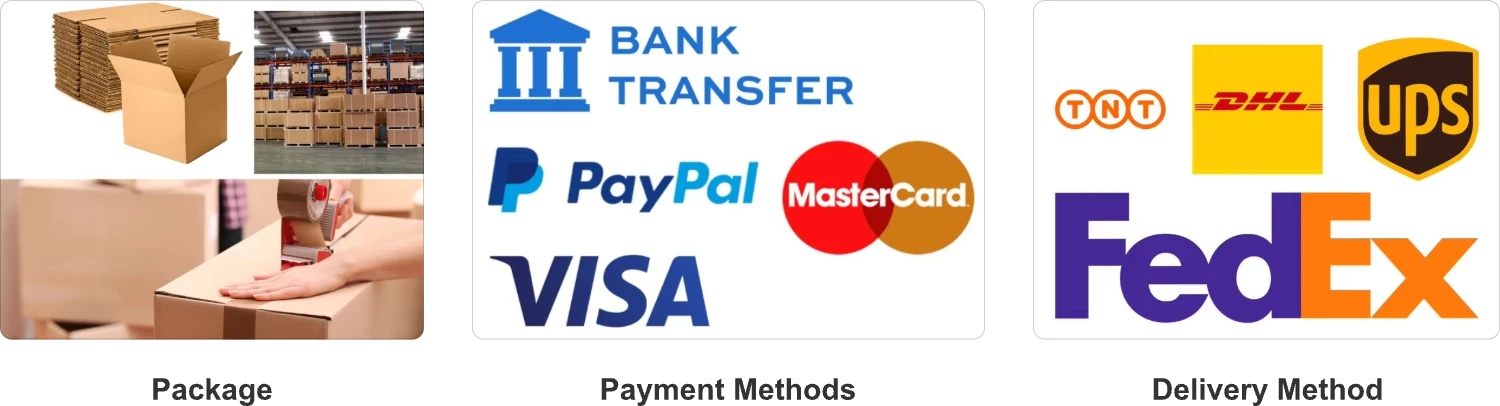
- Package:We provide standard cartons, pallets and wooden cases. Custom packaging such as custom logo print is available upon request to protect goods well for different shipments.
- Payment Methods:Multi-currency settlement (CNY, USD, EUR, etc.). Multiple payment options including T/T, PayPal. Local bank transfer is available for some countries for faster transactions.
- Shipping Ways:We offer international express, air freight, sea freight and railway transport. You can also appoint your own forwarder for flexible delivery arrangements.
Products Type
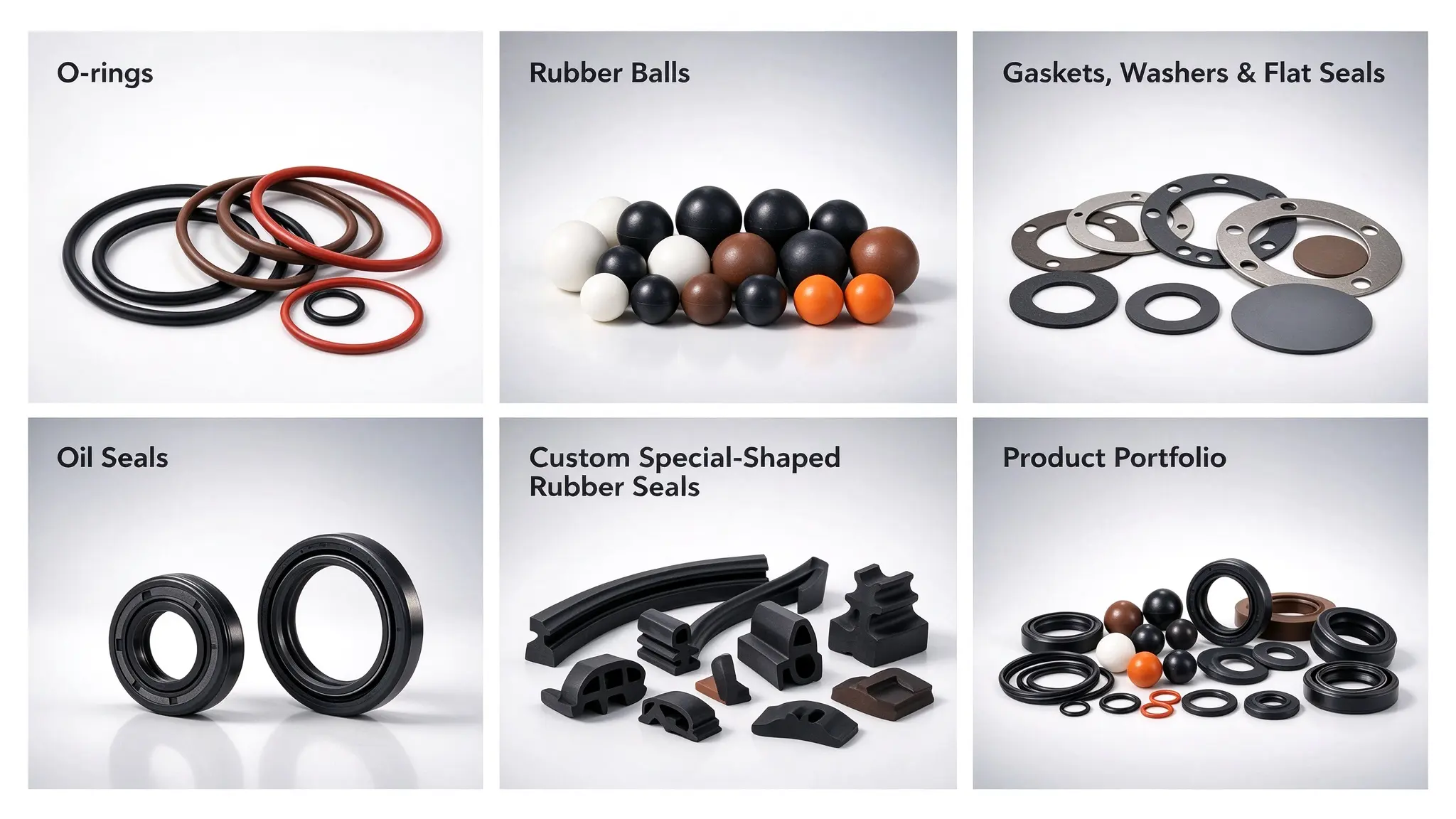
As a professional manufacturer of rubber sealing and transmission components, we are dedicated to providing global customers with high-quality, diversified rubber products and customized solutions. Our core production lines comprehensively cover the following six major categories:
· Rubber Balls: Featuring excellent elasticity and wear resistance, widely used in various pumps, valves, and mechanical transmission systems.
· ED rings: Specifically designed for demanding working conditions, providing outstanding static and dynamic sealing performance.
· Oil seal: Effectively prevents lubricant leakage and external contaminant intrusion, ensuring the safe operation of machinery.
· Special and OEM seal: Equipped with strong R&D and tooling capabilities, we support non-standard customization to precisely meet your specific drawings and sample requirements.
· O-Rings: Available in a complete range of specifications and diverse materials (such as NBR, FKM, EPDM, etc.), making them the ideal choice for basic sealing applications.
· Bonded Seals: Perfectly combining the sealing properties of rubber with the strength of metal, offering high-pressure resistance and anti-deformation characteristics.From mass production of standard parts to highly complex customized requirements, we strictly control the production process to ensure that every product leaving our factory possesses exceptional quality and reliability.
 FAQs
-
What tolerance grades are available for silicone balls?
We offer Standard Molded Grade and Precision Ground Grade. Standard grade is directly compression molded for cost efficiency. Precision grade is ground and polished after molding with better sphericity and tighter tolerance, ideal for precision sealing valve balls.
-
Are silicone balls suitable for vibrating screens in food industry?
Food-grade silicone is available.
-
Will silicone balls change size under high temperature or in contact with oil media?
Yes. Silicone expands under heat and may swell with certain solvents. For sealing service, dimension stability testing under actual working conditions is recommended.
-
Can I get samples? What are the lead times for samples and bulk orders?
Samples are available for standard sizes. Custom samples depend on mold and specs. Sample lead time: 3–7 working days; bulk production: 7–15 working days, subject to order quantity.
-
How should the wear resistance and service life of FKM rubber balls be evaluated in reciprocating air pump operation?
A bench life test should be run with the actual compression ratio, stroke, frequency, medium and temperature, checking wear, permanent set, cracking and leakage. FKM offers good heat and media resistance, but dry friction or high-speed reciprocating conditions require a wear-resistant compound validation.
-
How is the life of high-resilience silicone balls evaluated under repeated compression, and how do they compare with NBR and EPDM?
Repeated compression or bench life testing should be run under the actual compression ratio, frequency, temperature and medium, observing rebound rate, permanent set, cracking and surface wear. Silicone's advantages are wide temperature range, high resilience, weathering resistance and food-grade options; NBR offers better oil resistance but limited heat and weather resistance, while EPDM offers good water and weather resistance but poor oil resistance. Selection should be based primarily on media compatibility and application testing.
Related Products
We have developed a diverse portfolio of product solutions to suit different markets and needs.-
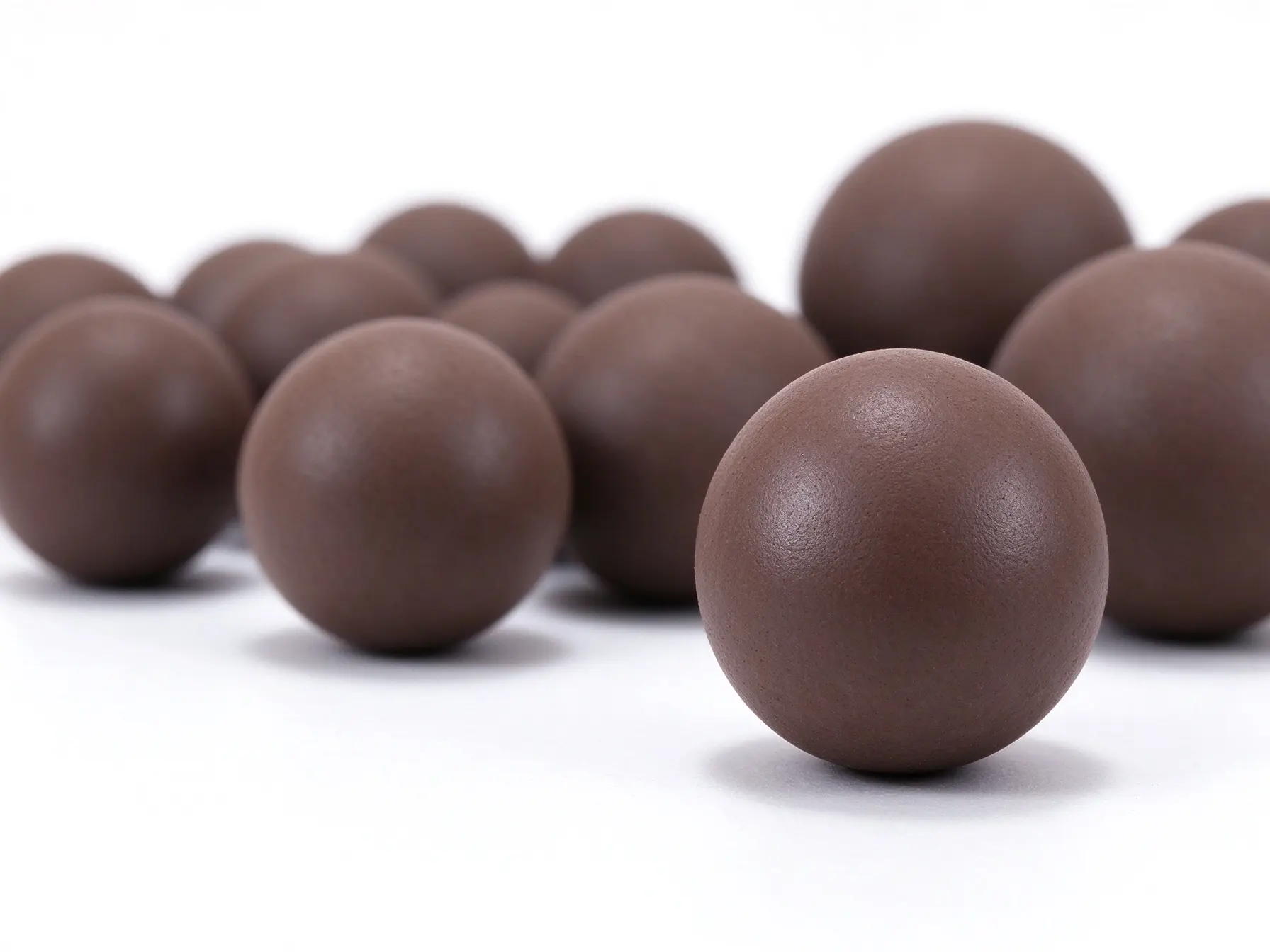
FKM Solid Rubber Balls with 75 Shore A Heat and Acid Resistance Supplier
Learn More

-
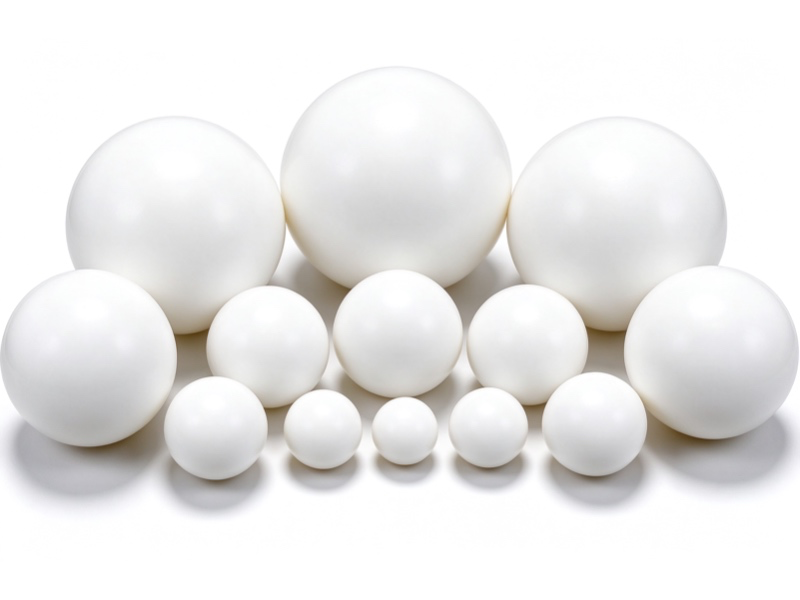
Wear Resistant Custom PTFE Balls for Diaphragm Pumps Manufacture
Learn More
-
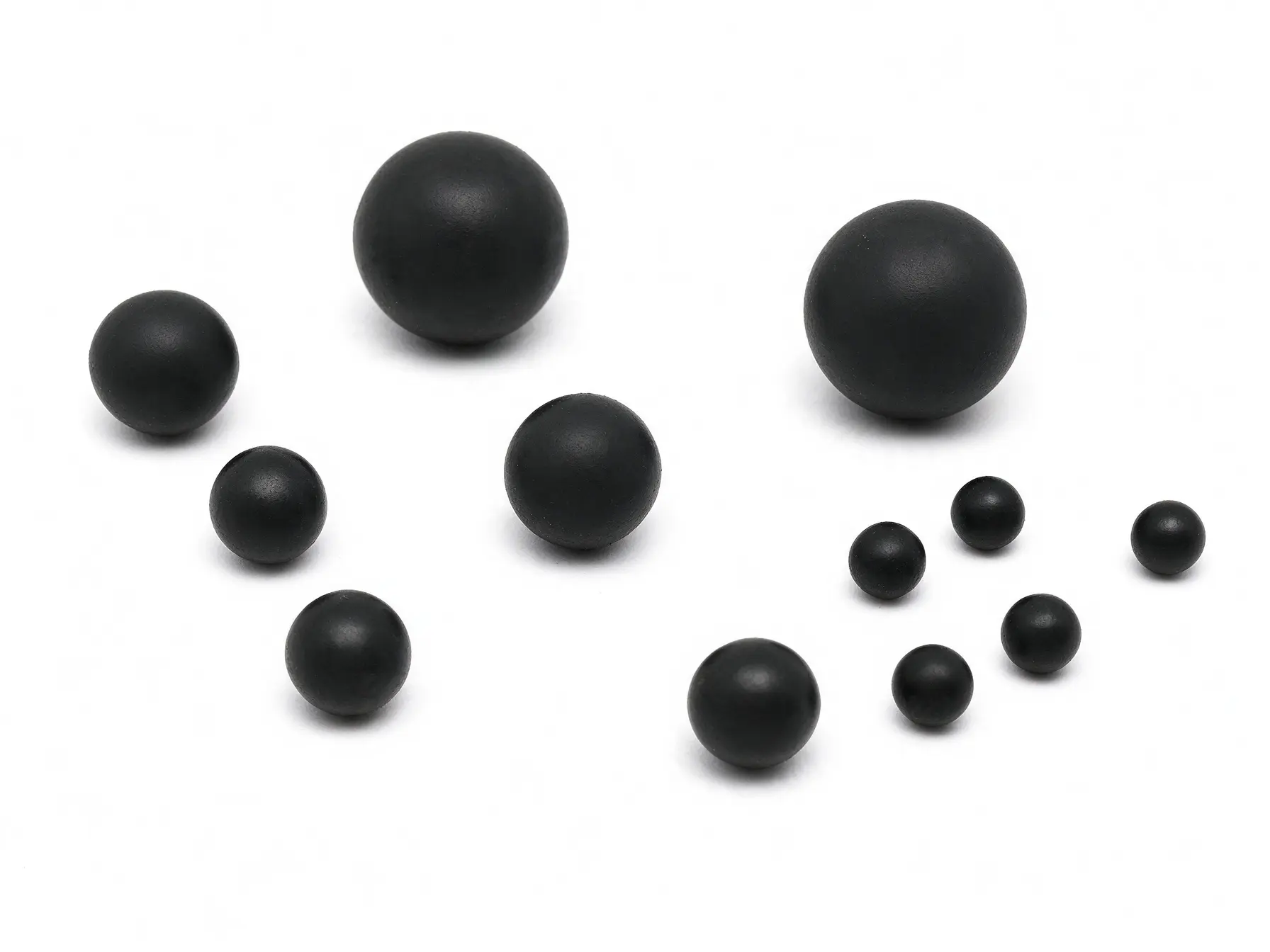
Industrial Solid NBR Rubber Balls for Valves in 4.5mm to 10mm Sizes
Learn More
-
Wholesale black Solid EPDM rubber balls 3.18mm 70 Shore A for Sealing
Learn More
Welcomes