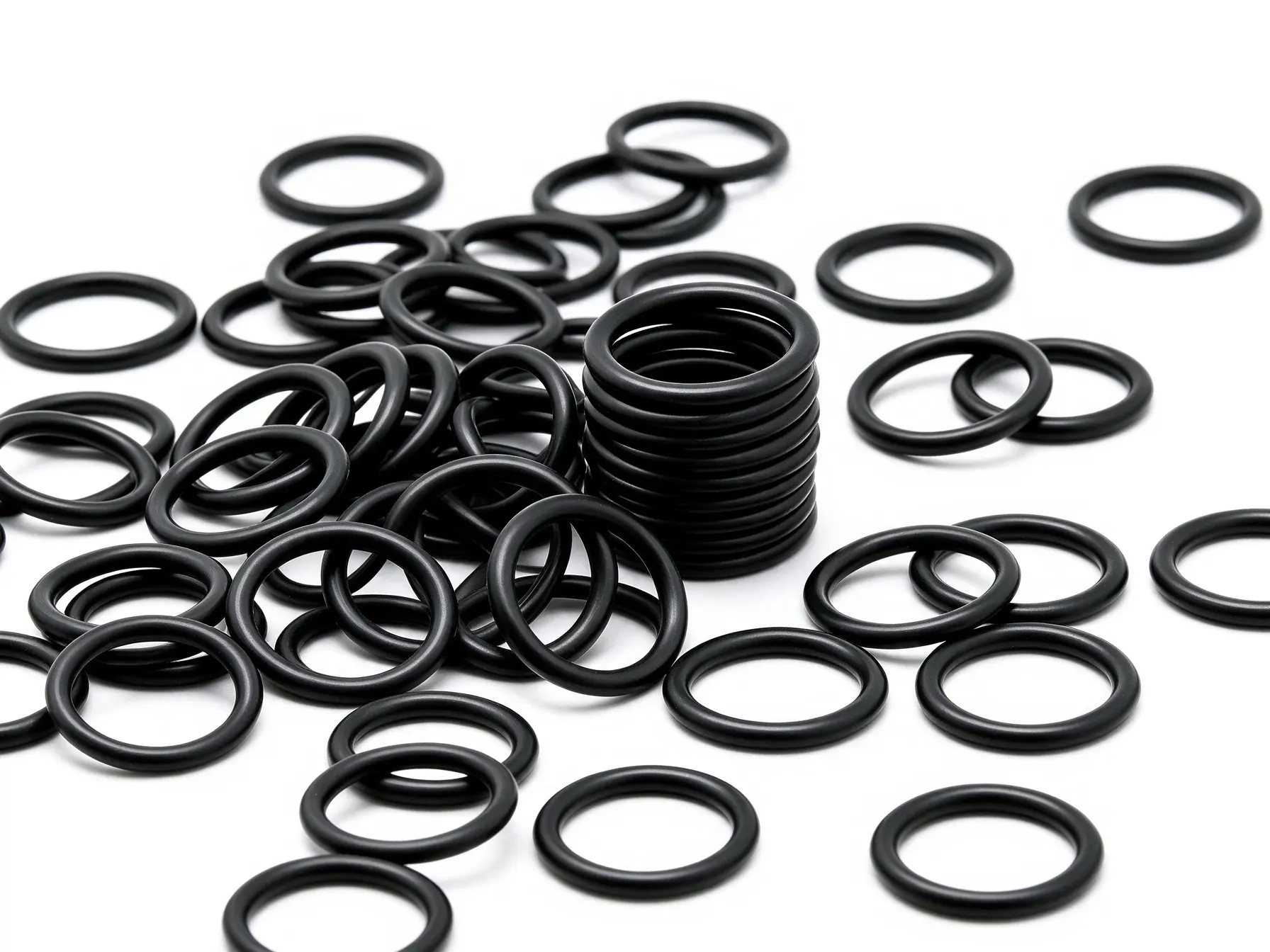
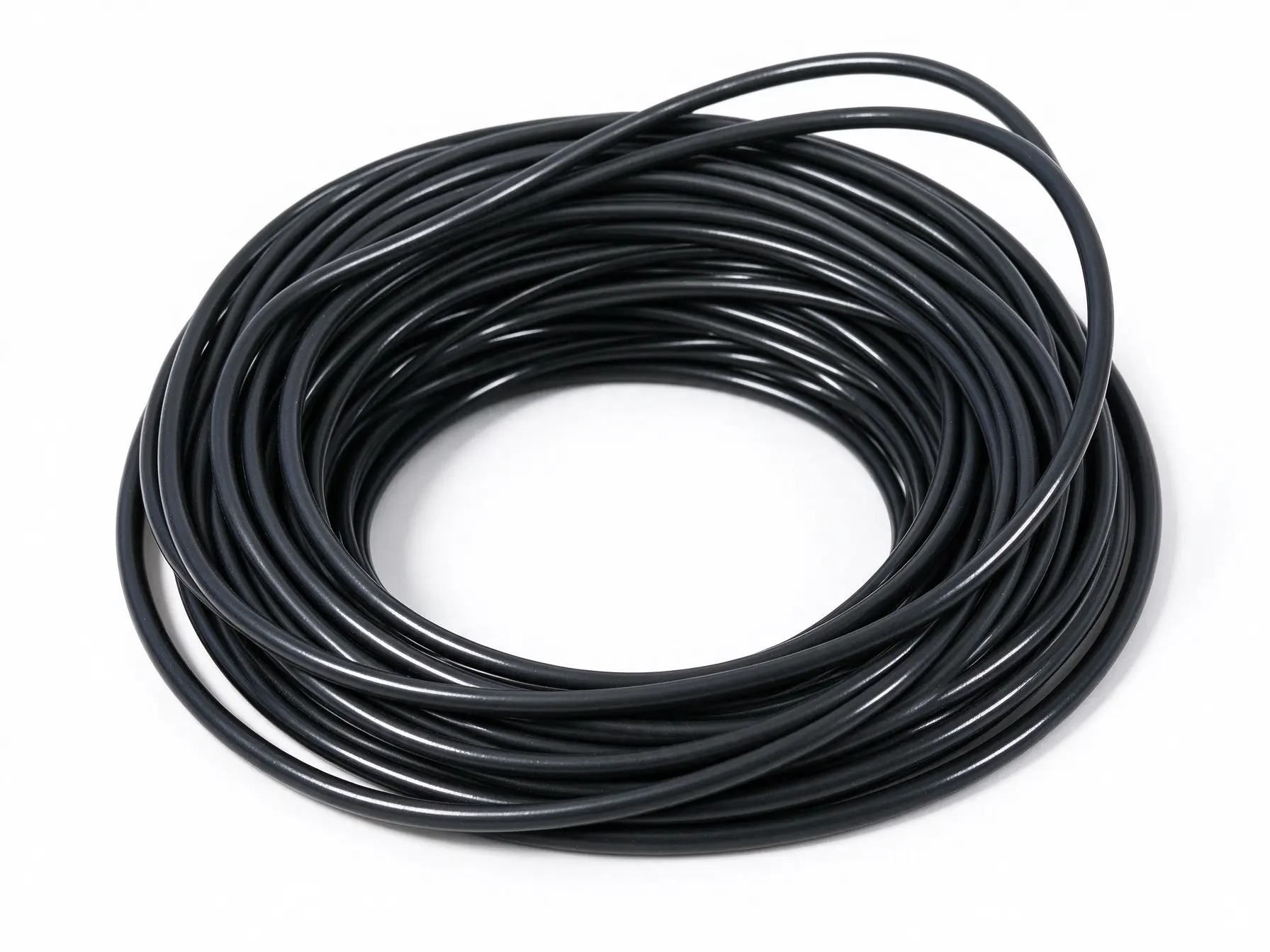
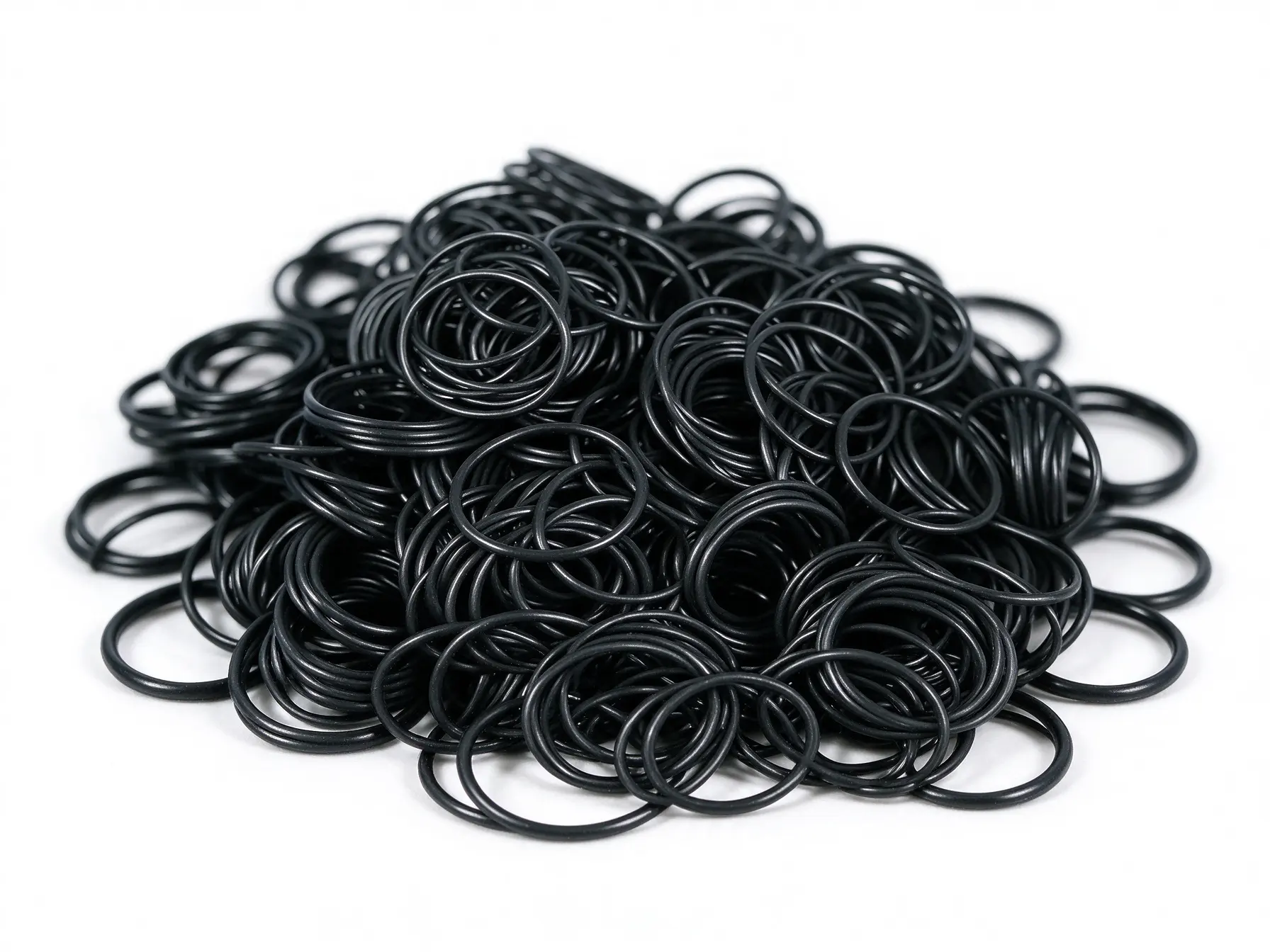
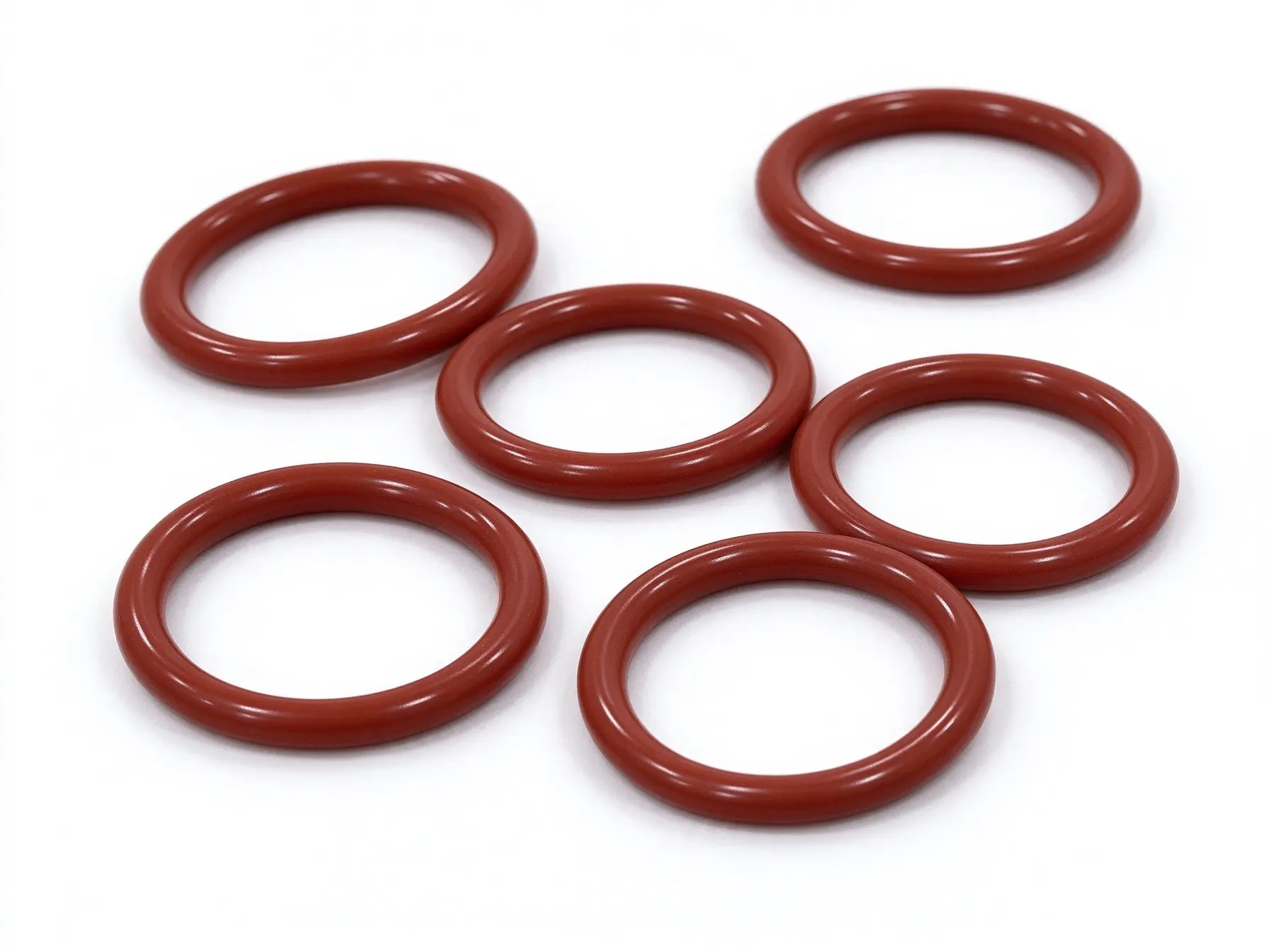
Oil and Ozone Resistant HNBR O Rings for Automotive Sealing
1. Excellent Heat and Oil Resistance: HNBR O-rings offer excellent heat, oil, and oxidation resistance for demanding sealing applications.
2. Superior Mechanical Properties: Featuring excellent wear resistance, tear strength, and mechanical durability for reliable, long-term sealing performance.
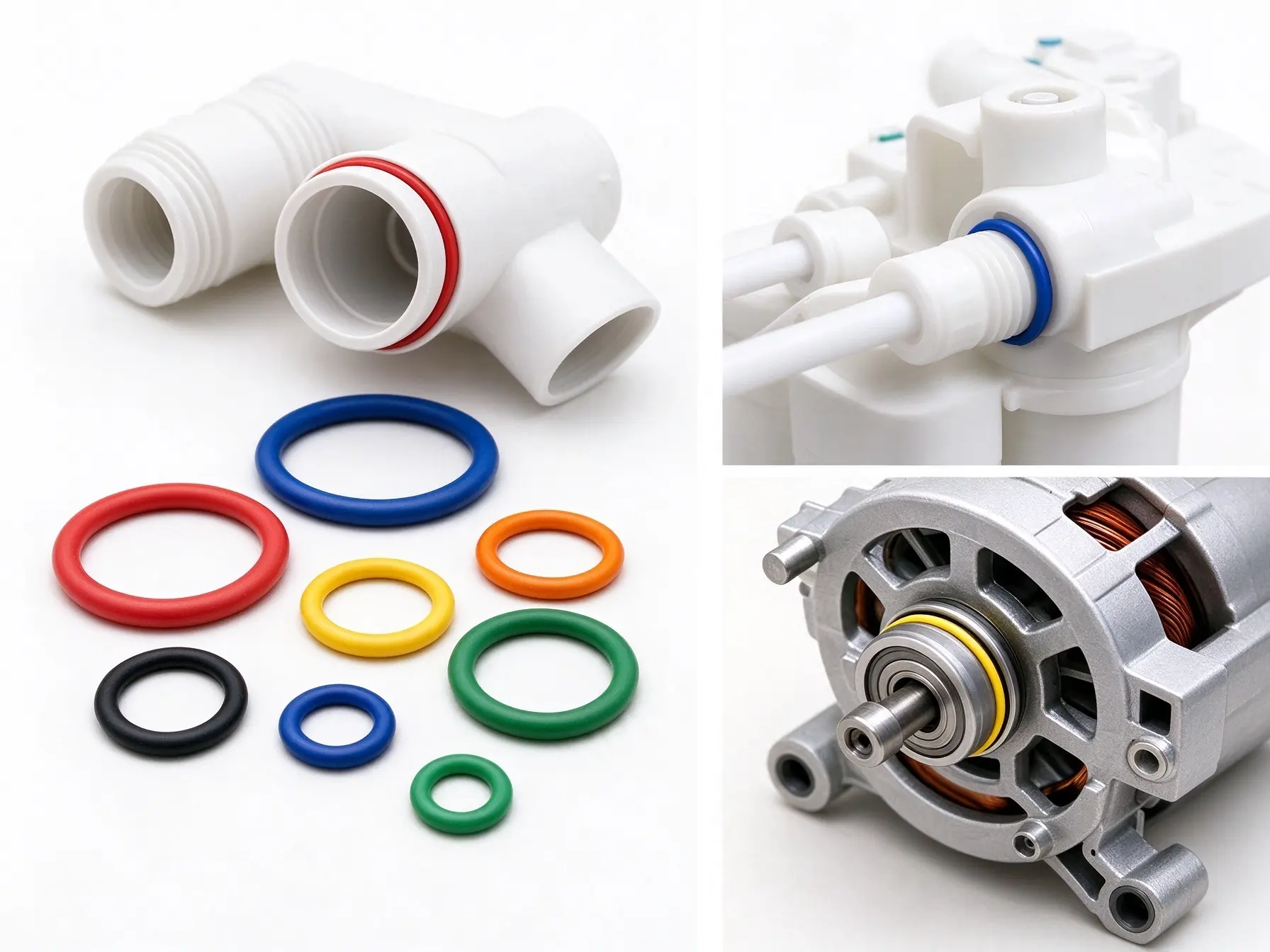
3. Wide Range of Industrial Applications: Widely used in automotive, hydraulic, oil and gas, and industrial machinery applications to meet diverse sealing requirements.
Hydrogenated nitrile butadiene rubber (HNBR) is a high-performance elastomer widely used in industrial sealing and mechanical components. Besides HNBR O-rings, this material is commonly used in timing belts, hydraulic hoses, and other parts that require durability and reliable performance.
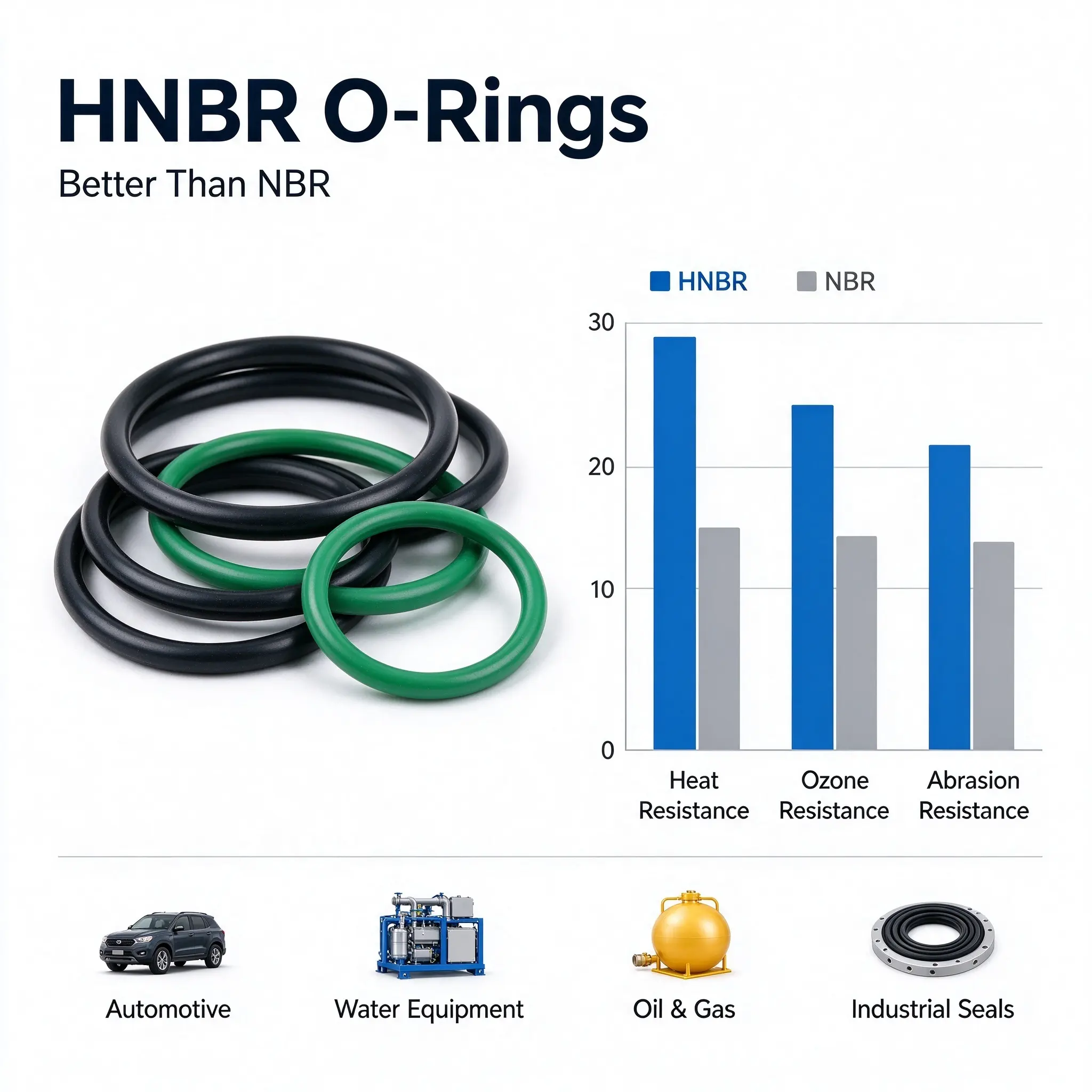
HNBR O-rings combine strong mechanical properties with improved heat resistance and excellent resistance to mineral oils. Compared with conventional NBR, hydrogenation enhances resistance to ozone, weathering, aging, and elevated temperatures, making HNBR suitable for more demanding operating environments.
Due to these advantages, HNBR O-rings are often selected as an upgrade for NBR seals exposed to higher loads or harsher conditions.
HNBR O-Rings: Enhanced Performance Compared with NBR
Hydrogenated nitrile rubber (HNBR) is an advanced version of NBR, offering improved resistance to heat, ozone, aging, and abrasion. This article explores the key properties of HNBR O-rings, their compatibility with different media, and their applications in automotive systems, drinking water equipment, and gas sealing solutions.
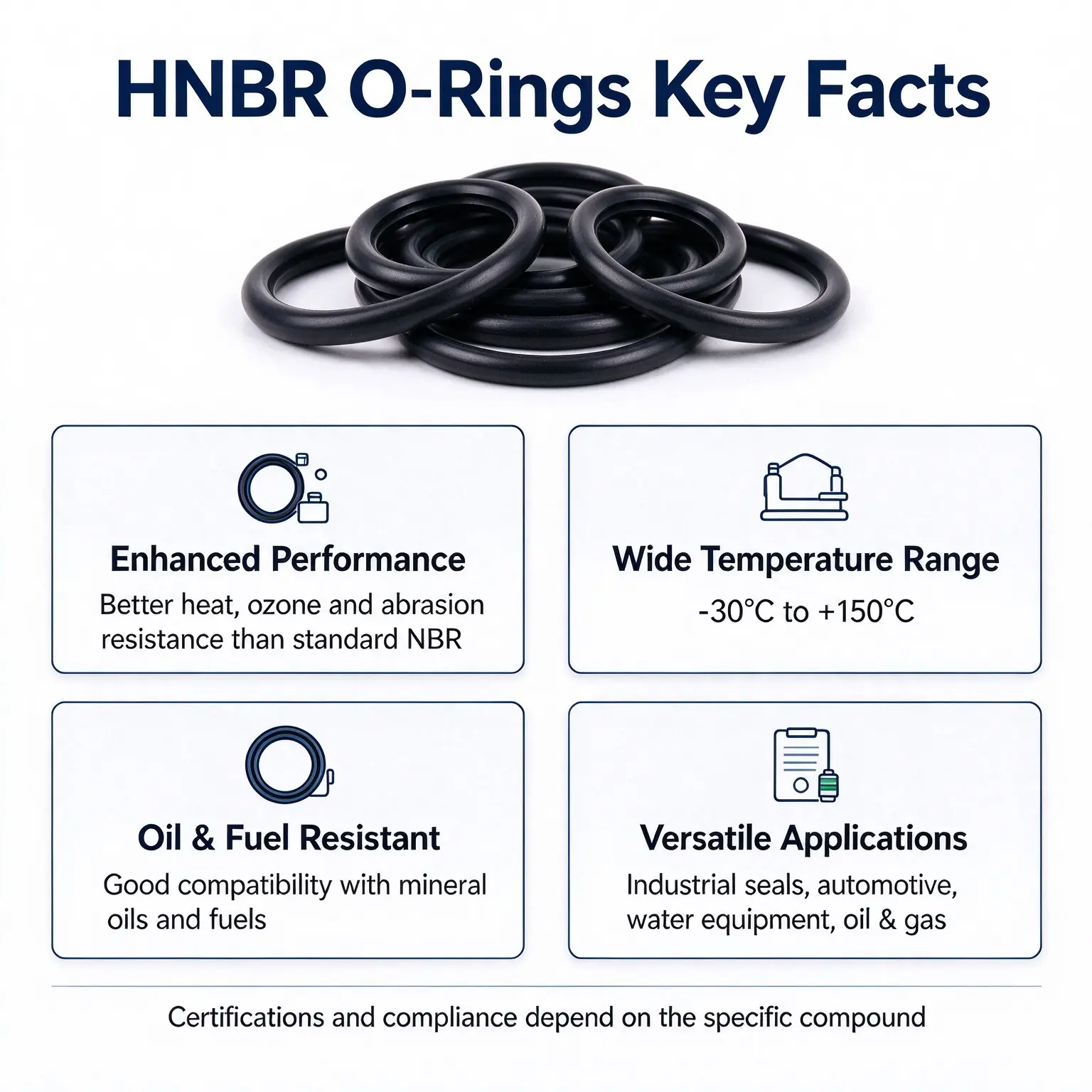
Key Facts About HNBR O-Rings
Enhanced Performance: HNBR is produced by hydrogenating NBR, improving its heat, ozone, and abrasion resistance.
Wide Temperature Range: Common HNBR grades operate from −30°C to +150°C, with certain formulations suitable for temperatures as low as −40°C.
Excellent Oil Resistance: HNBR offers good resistance to mineral oils and greases but may swell significantly when exposed to aromatic hydrocarbons.
Versatile Applications: HNBR O-rings are widely used in automotive drivetrains, approved drinking water systems, and gas-handling equipment. Certifications and compliance depend on the specific compound.
Reliable Gas Sealing: Low gas permeability and resistance to rapid gas decompression make HNBR a suitable choice for demanding oil and gas sealing applications.
What Is the Media Resistance of HNBR O-Rings?
In addition to its wider operating temperature range, hydrogenated nitrile butadiene rubber (HNBR) offers better resistance to oxidative degradation than conventional nitrile rubber (NBR). This improvement further enhances the chemical resistance and durability of HNBR O-rings in a variety of industrial applications.
HNBR O-rings generally offer good resistance to:
Aliphatic hydrocarbons
Animal and vegetable oils and greases
Water and steam at temperatures up to a continuous operating limit of 150°C, depending on the compound
Flame-resistant hydraulic fluids, including HFA, HFB, and HFC
Light heating oil and diesel fuel
Dilute acids, alkalis, and salt solutions at low temperatures
Ozone and weathering
Media That May Affect HNBR O-Rings
HNBR has limited resistance to aromatic hydrocarbons, such as benzene, and certain solvents, including trichloroethylene. Exposure to these substances can cause significant swelling and reduce the mechanical performance of HNBR O-rings. Some of these changes may be reversible after the material dries, depending on the exposure conditions and compound formulation.
Factors Affecting Oil Resistance
The oil resistance of HNBR O-rings is strongly influenced by the acrylonitrile (ACN) content of the rubber compound. A higher ACN content generally improves oil and fuel resistance but may reduce flexibility and sealing performance at low temperatures.
Therefore, selecting the right HNBR O-ring requires careful consideration of the operating temperature, sealing medium, and working conditions. Choosing a suitable compound helps achieve reliable sealing performance, longer service life, and better overall durability.
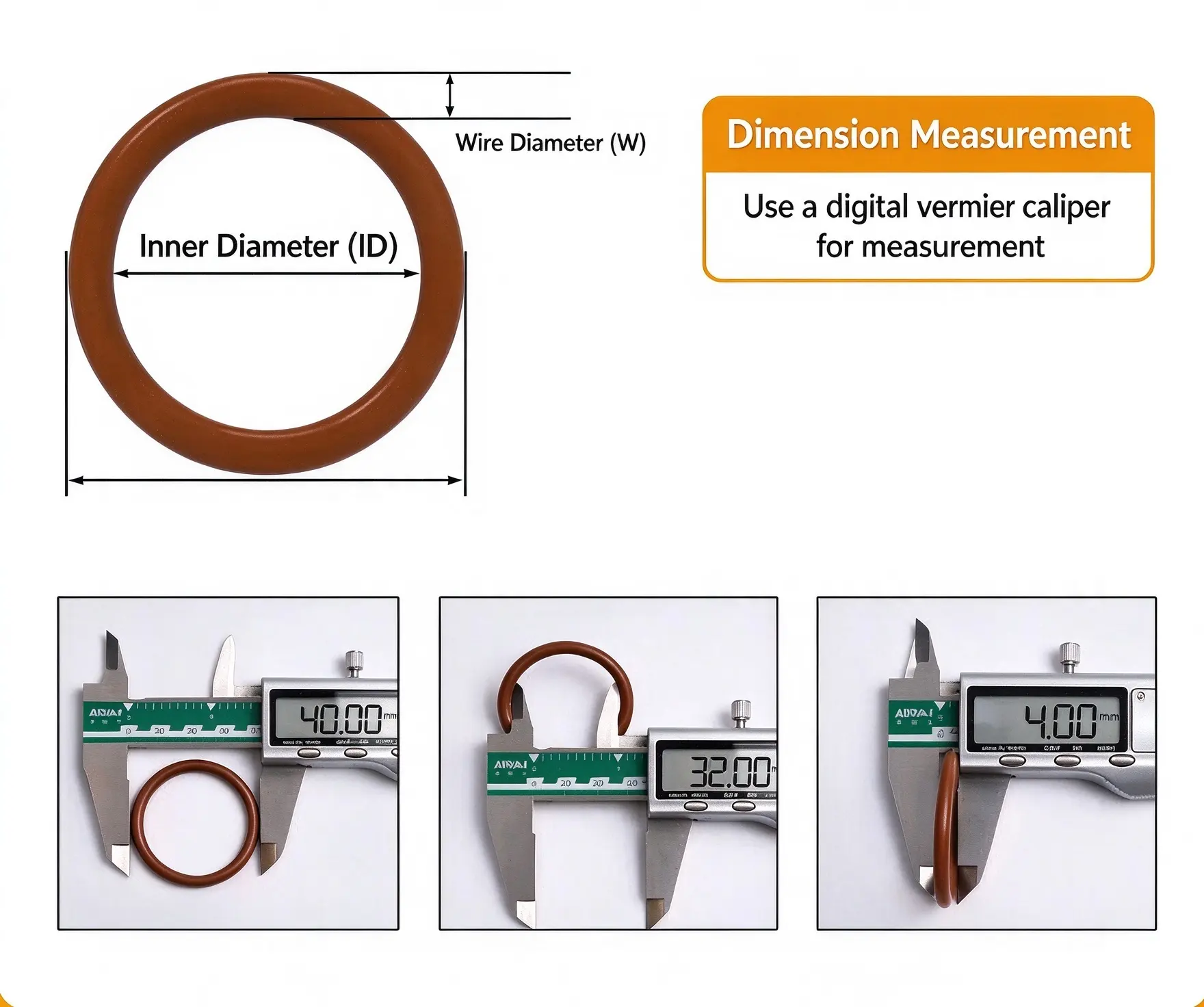
How to measure the O-Rings Size ?
1.Do not measure O-rings with a ruler.
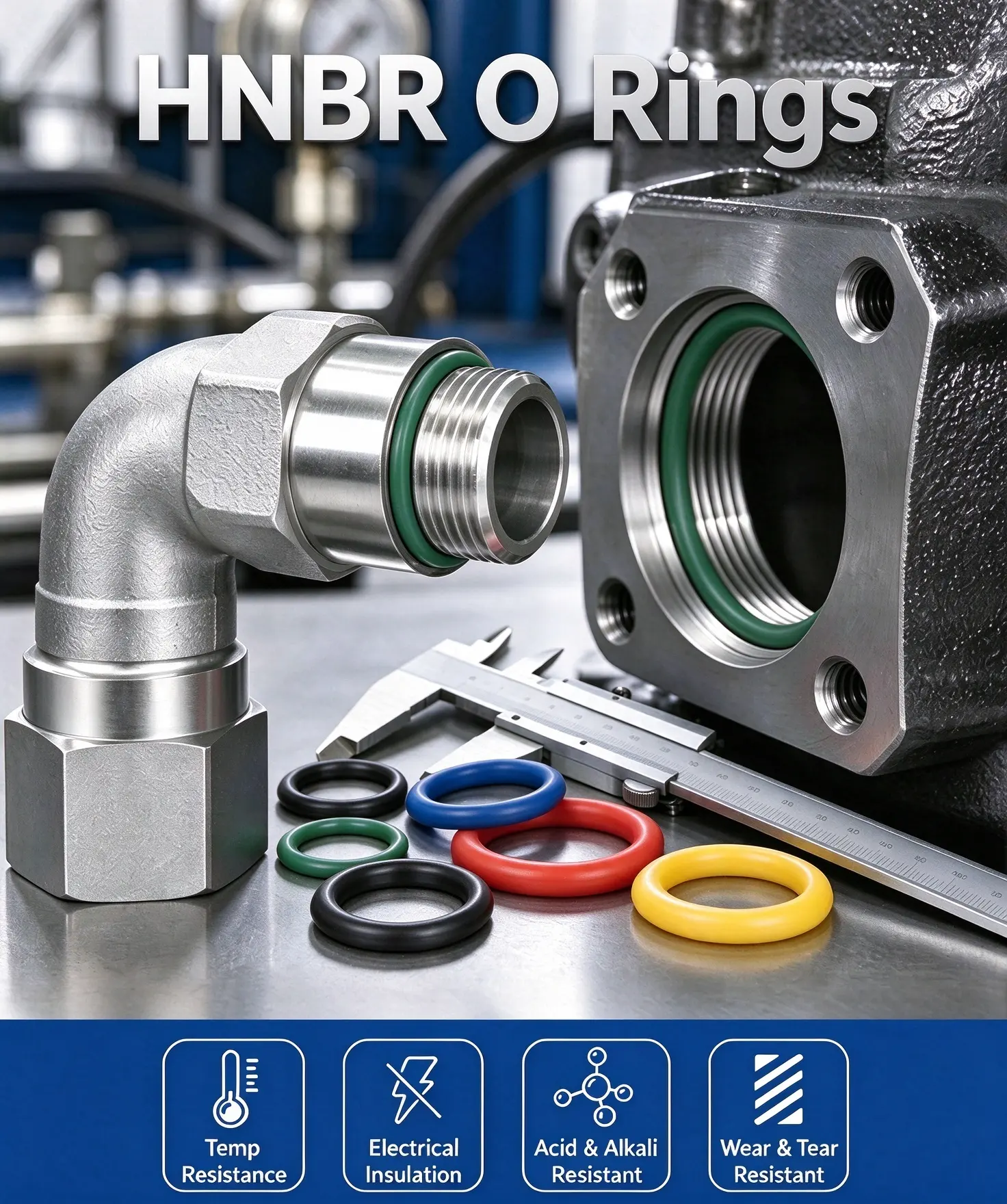
2.Use a caliper to accurately get ID, OD and cross-section CS.
3. Rubber O-rings deform easily. Accurate measurement ensures proper fit and prevents leakage.
HNBR O-Ring Applications
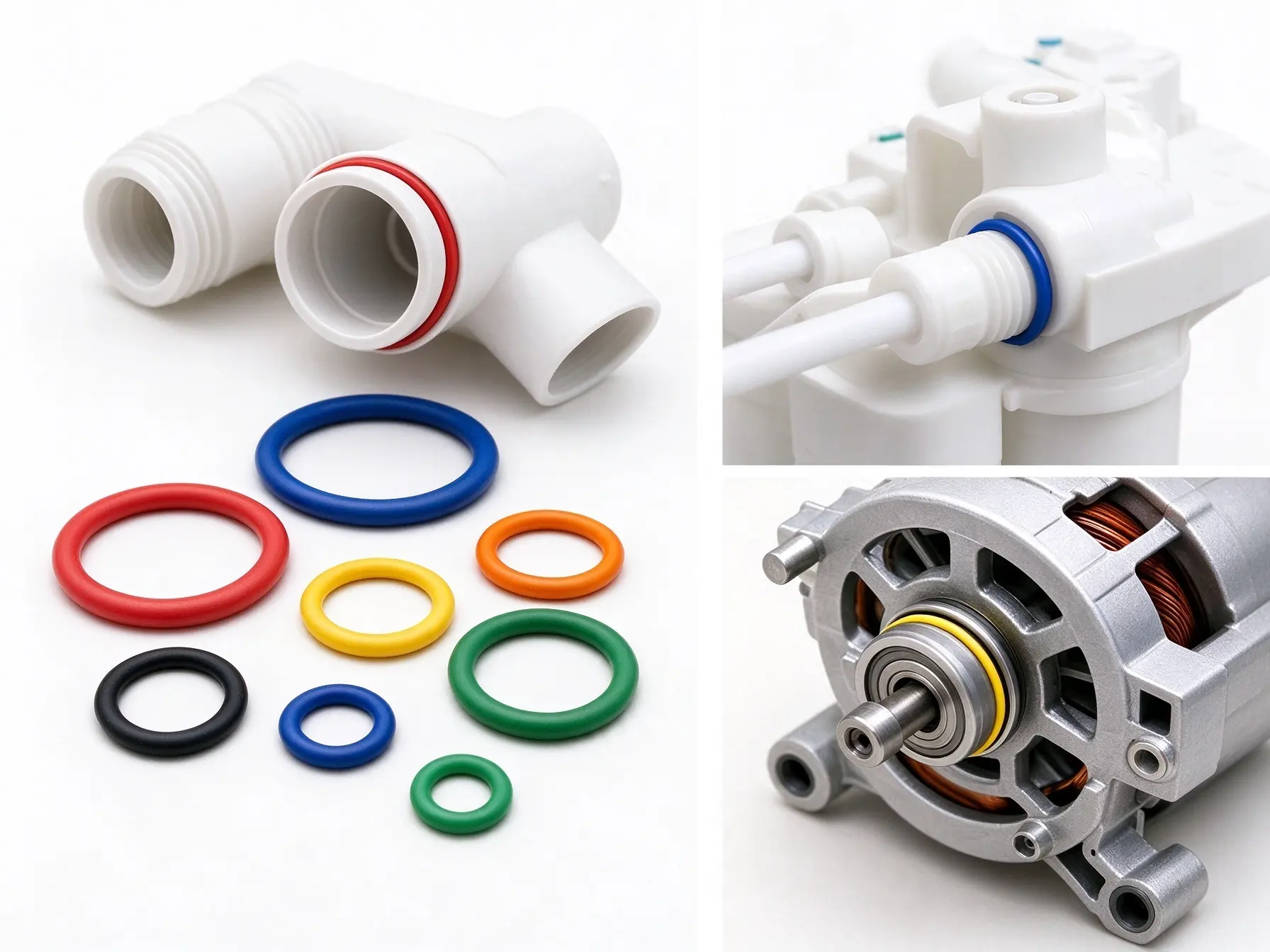
Automotive Drivetrain Systems Suitable for transmissions, power steering systems, drive shafts and engine-related sealing points, with good resistance to mineral oil-based lubricants, greases and medium-to-high temperatures.
Drinking Water and Food-Contact Systems Used in drinking water pumps, valves, pipeline connections and water treatment equipment; compliant grades can meet KTW, FDA, KIWA and WRAS requirements.
Gas Transmission Systems Ideal for natural gas, industrial gas and gas equipment sealing, where low gas permeability helps reduce leakage risk.
Oil and Gas Industry Used for wellhead equipment, valves, pipelines and downhole tool seals; oil resistance, heat resistance and explosive decompression resistance suit demanding oil and gas service.
Industrial Hydraulic and Pneumatic Systems Suitable for hydraulic valves, pumps, cylinders, compressors and gearboxes exposed to mineral oil-based hydraulic fluids and greases.
Refrigeration and Air Conditioning Systems Provides good resistance to fluorocarbon refrigerants and is used in air conditioning, refrigeration equipment and compressor-related seals.
General Industrial Equipment Sealing Used in pumps, valves, filters and transmission equipment requiring oil resistance, ozone resistance, abrasion resistance and aging resistance in static or dynamic sealing applications.
Selection Note: HNBR resists mineral oils, greases and ozone, but swells strongly in aromatic hydrocarbons. Strong polar solvents and aromatic hydrocarbon service should be evaluated separately.
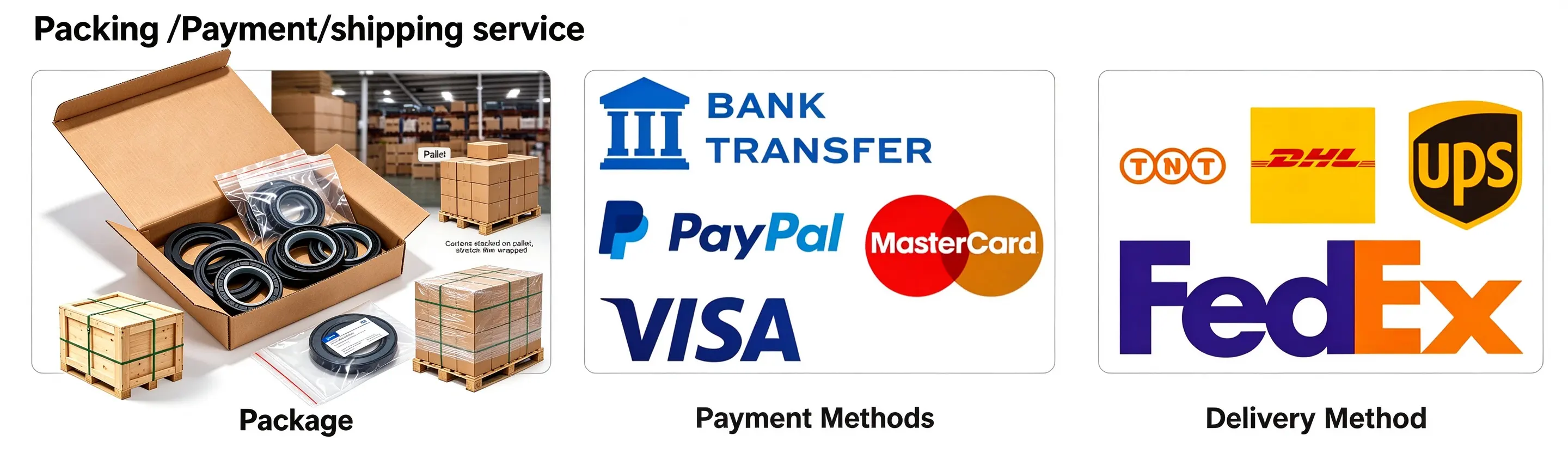
Packing /Payment/Shipping service
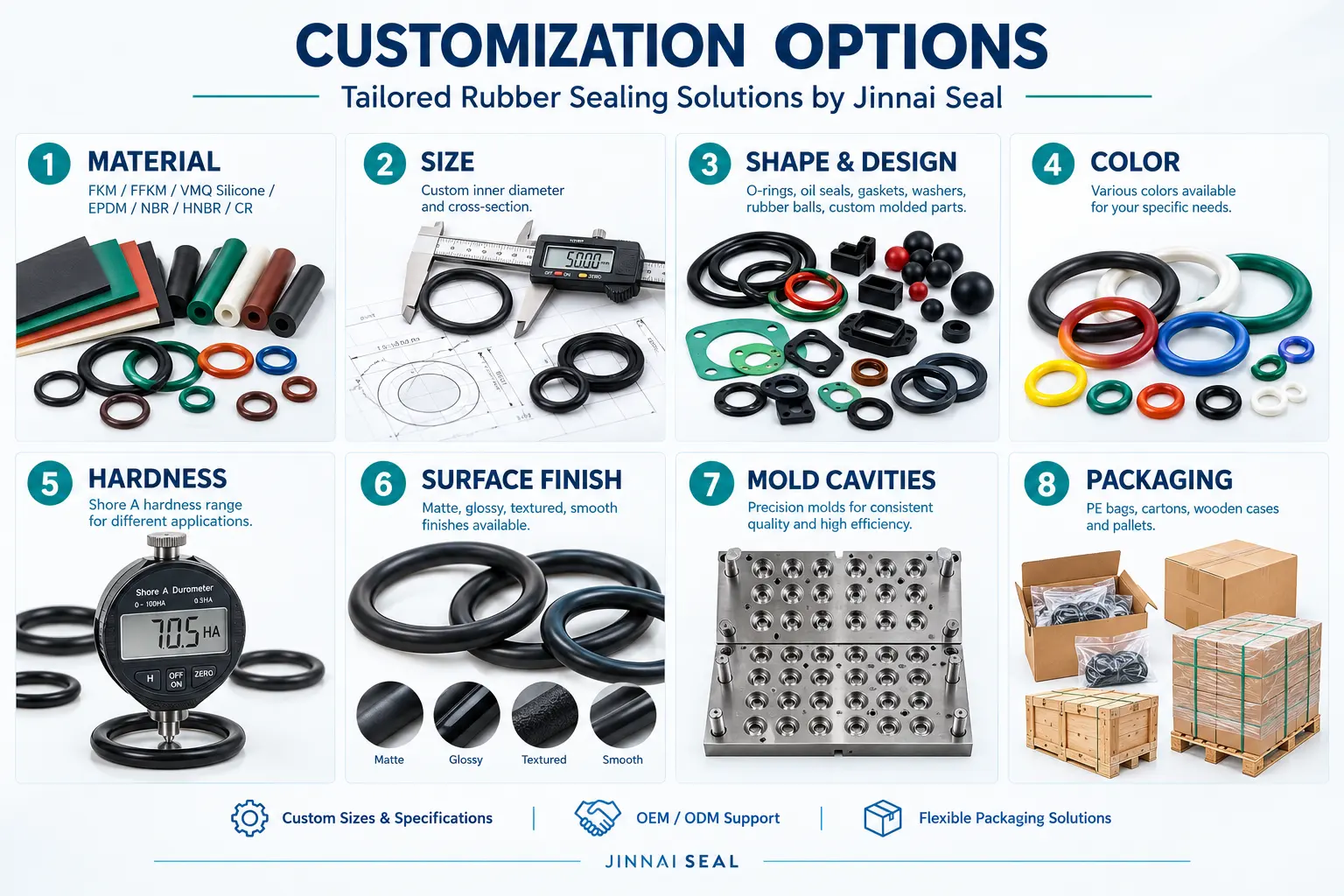
Package:We provide standard cartons, pallets and wooden cases. Custom packaging is available upon request to protect goods well for different shipments.
Payment Methods:Multi-currency settlement (CNY, USD, EUR, etc.). Multiple payment options including T/T, PayPal. Local bank transfer is available for some countries for faster transactions.
Delivery Method:We offer international express, air freight, sea freight and railway transport. You can also appoint your own forwarder for flexible delivery arrangements.
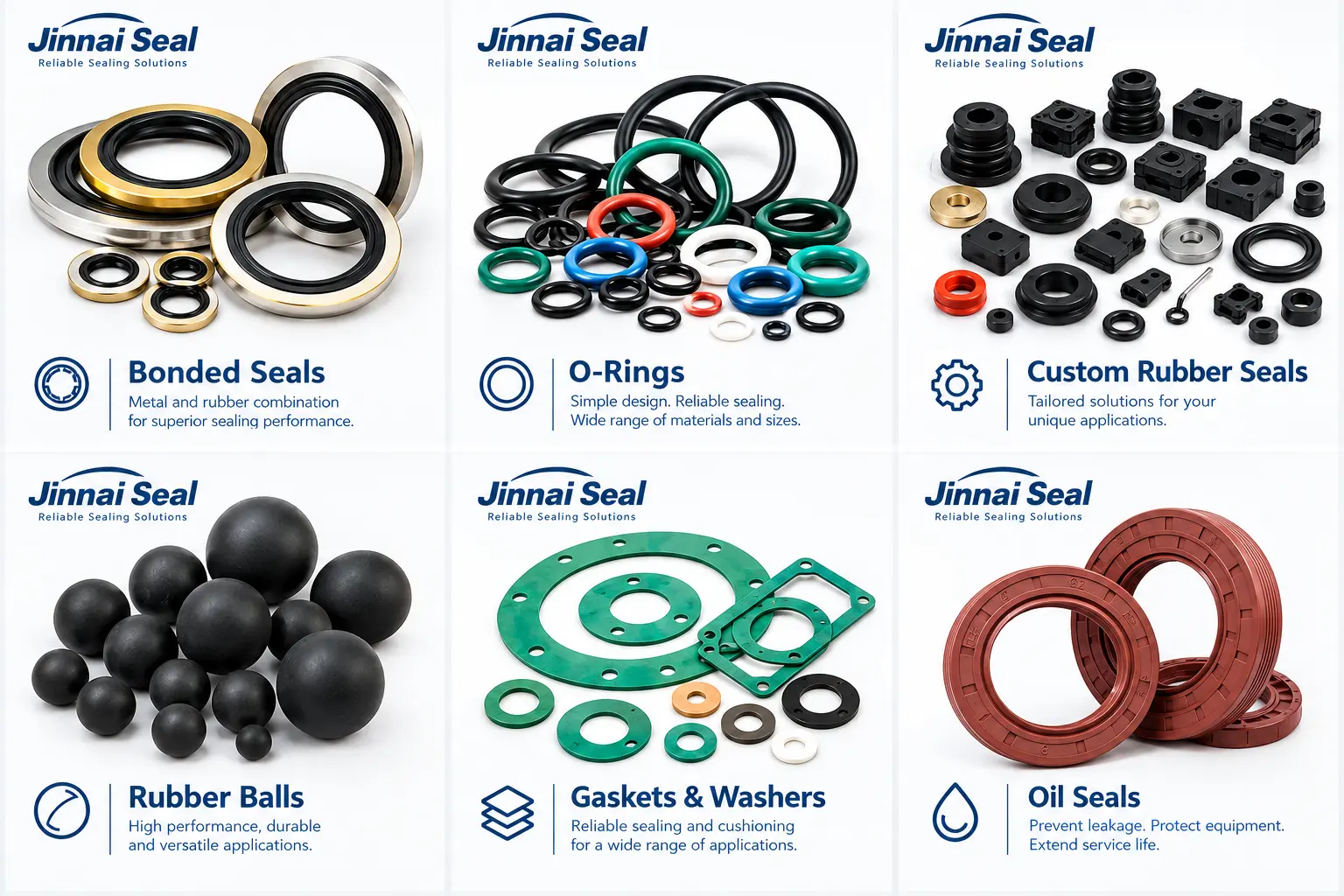
Jinnai Seal supplied different rubber seals for your choice
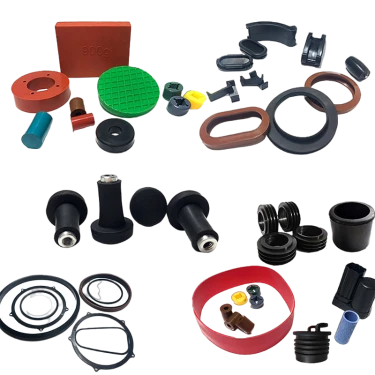
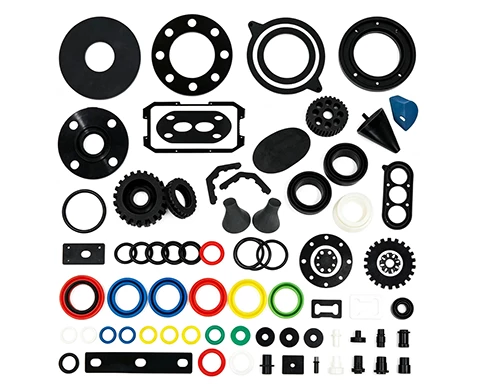
Jinnai Seal provides a comprehensive range of industrial sealing solutions, including bonded seals, O-rings, custom rubber seals, rubber balls, gaskets and washers, and oil seals. We offer a wide selection of materials, sizes, and customized designs to meet diverse application requirements.
Our products are designed to deliver reliable sealing performance, durability, and long-term reliability across industrial equipment, mechanical systems, and fluid sealing applications.
OEM and ODM Service
We support both OEM and ODM cooperation. Under OEM, customers provide drawings, samples, material and dimensional requirements, and we manufacture to specification with customer-branded packaging, suitable for orders with a clearly defined design. Under ODM, we can participate in material selection, compound adjustment, mold development, size and hardness design based on the customer's operating conditions, and provide private-label production, suitable for customers needing one-stop support from product development to mass production. Both models are available for custom rubber balls, O-rings and other rubber sealing parts, with lead time, tooling cost and MOQ confirmed per project.
FAQs
What is HNBR, and how does it differ from NBR?
HNBR (hydrogenated nitrile rubber) is produced by hydrogenating NBR. Compared with standard NBR, HNBR O-rings offer better heat resistance, ozone resistance and abrasion resistance, while retaining excellent resistance to mineral oil-based oils and greases.
What is the temperature range of HNBR O-rings?
Standard HNBR O-rings are typically rated from -30 °C to +150 °C. Depending on the compound, low-temperature performance can extend down to -40 °C.
What media are HNBR O-rings resistant to, and what should be avoided?
HNBR O-rings resist mineral oil-based oils, greases, fuels and many industrial fluids, and offer good ozone and aging resistance. However, they swell strongly in aromatic hydrocarbons and have limited resistance to strong polar solvents, so these media should be evaluated separately.
What are the typical applications of HNBR O-rings?
ypical applications include automotive drivetrain systems, drinking-water systems, gas transmission systems, oil and gas equipment, industrial hydraulic and pneumatic systems, and refrigeration/air conditioning seals.
Can you supply AS568 standard sizes and custom HNBR O-rings?
Yes. We offer AS568 standard HNBR O-rings as well as custom sizes, compounds and hardness options (typically 70 Shore A, with 50–90 Shore A available). Please provide your drawing, media and operating conditions for selection.