






| Item | Specification |
|---|---|
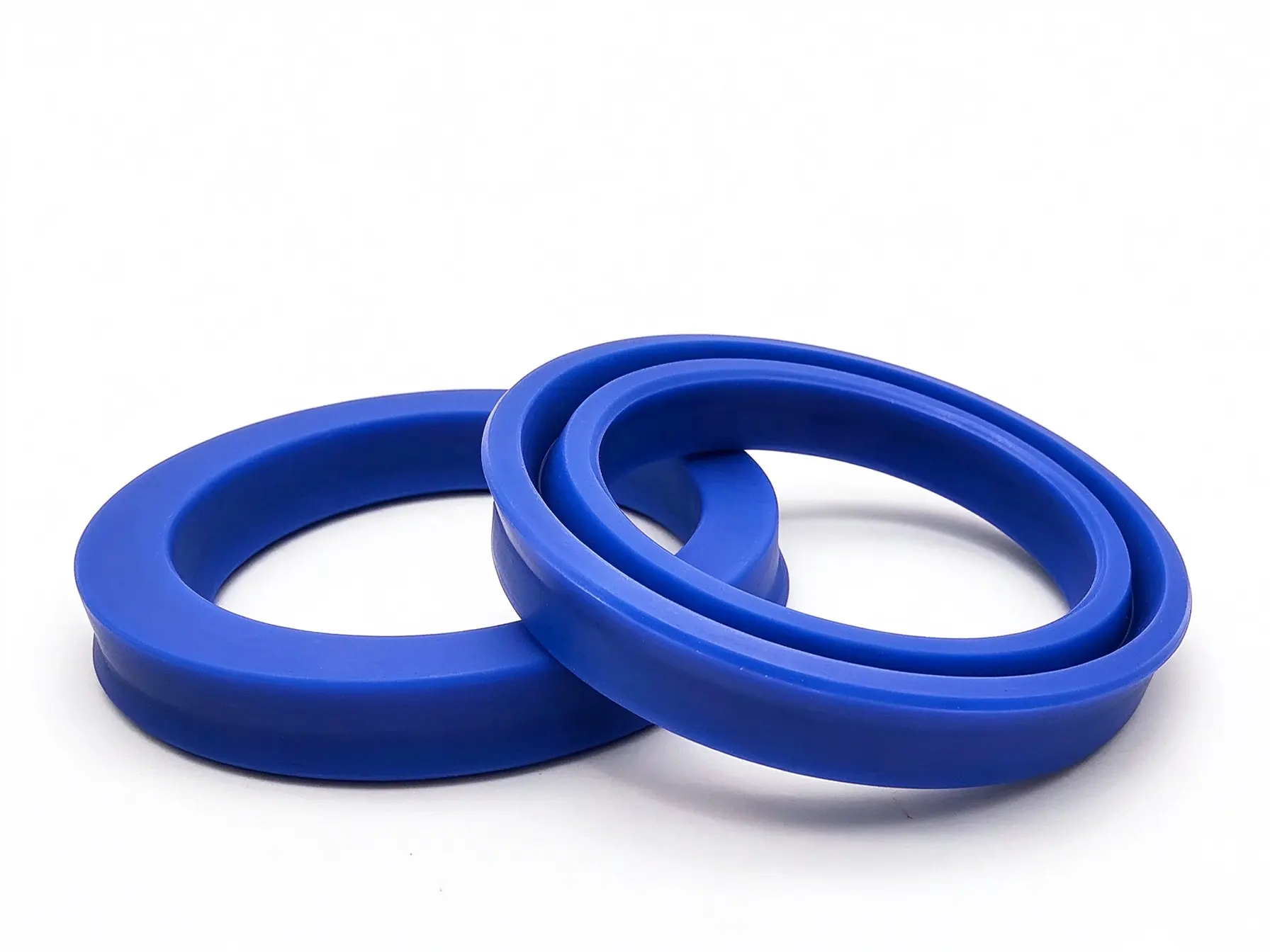
| Product Name | UN U DH DHS -Cup Seal (Piston & Rod Universal) |
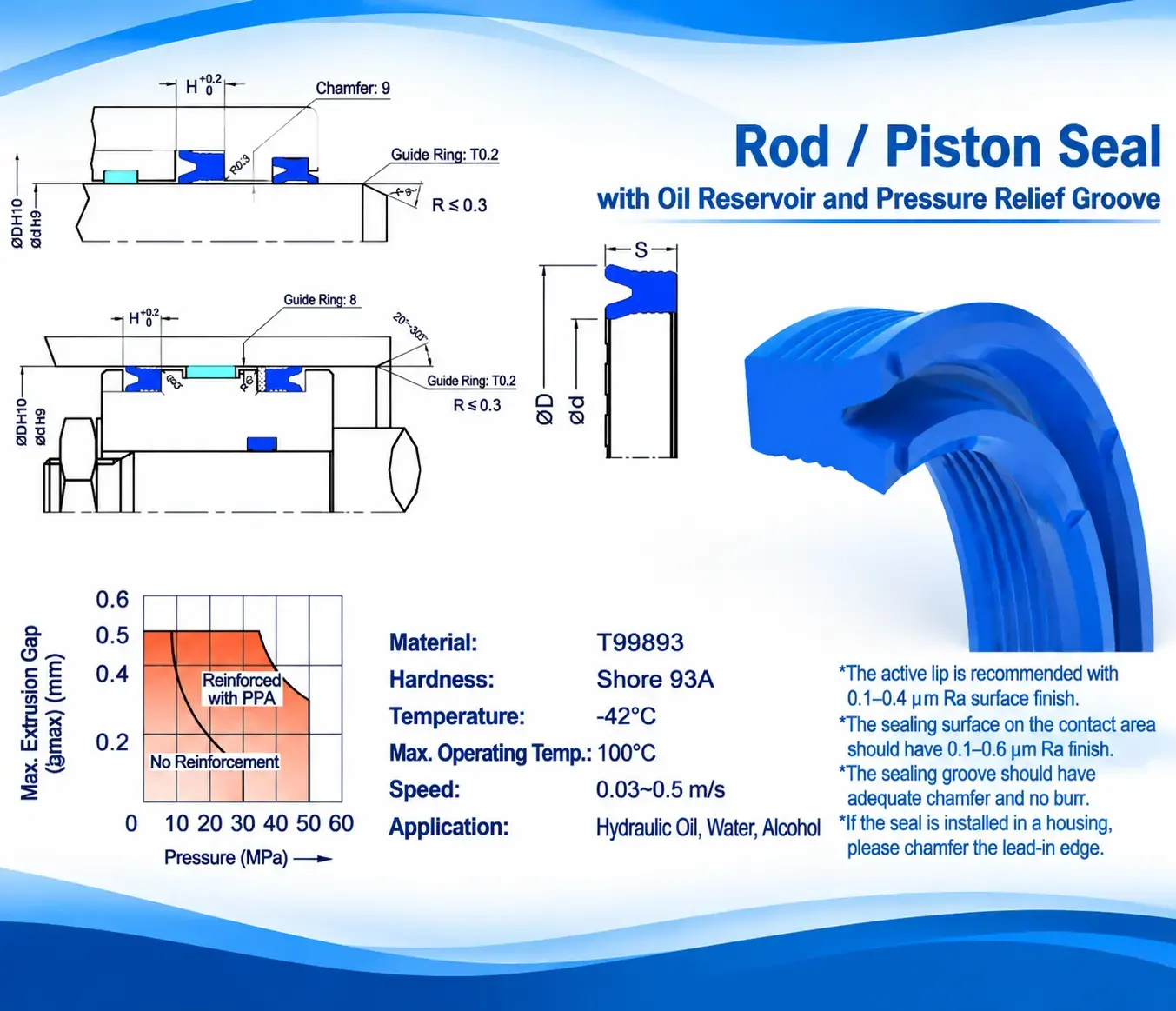
| Material | PU (Polyurethane) |
| Color | Blue |
| Working Pressure | ≤ 31 MPa |
| Working Temperature | -35℃ ~ +100℃ |
| Operating Speed | ≤ 0.5 m/s |
Hydraulic & Pneumatic Seals
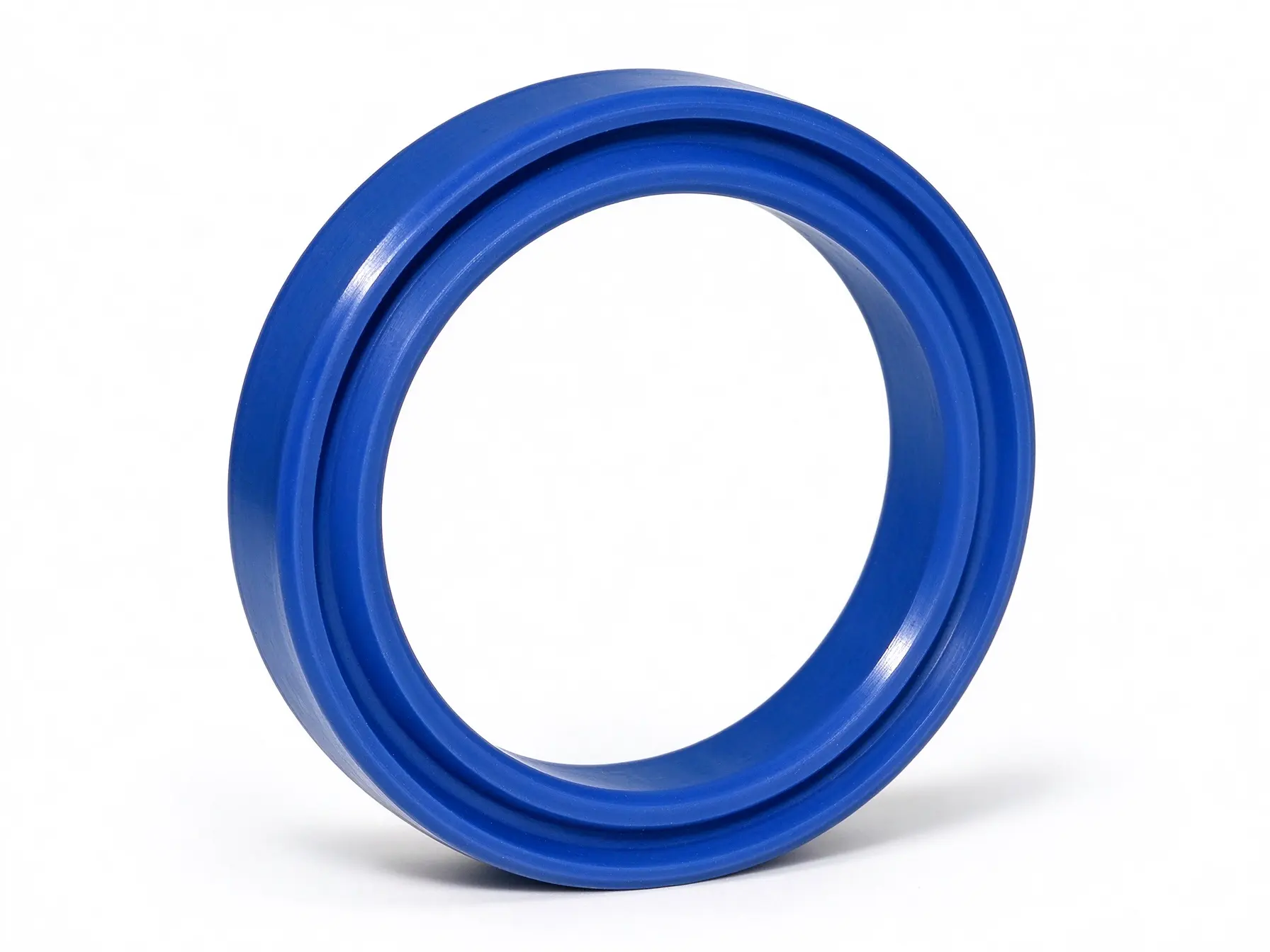
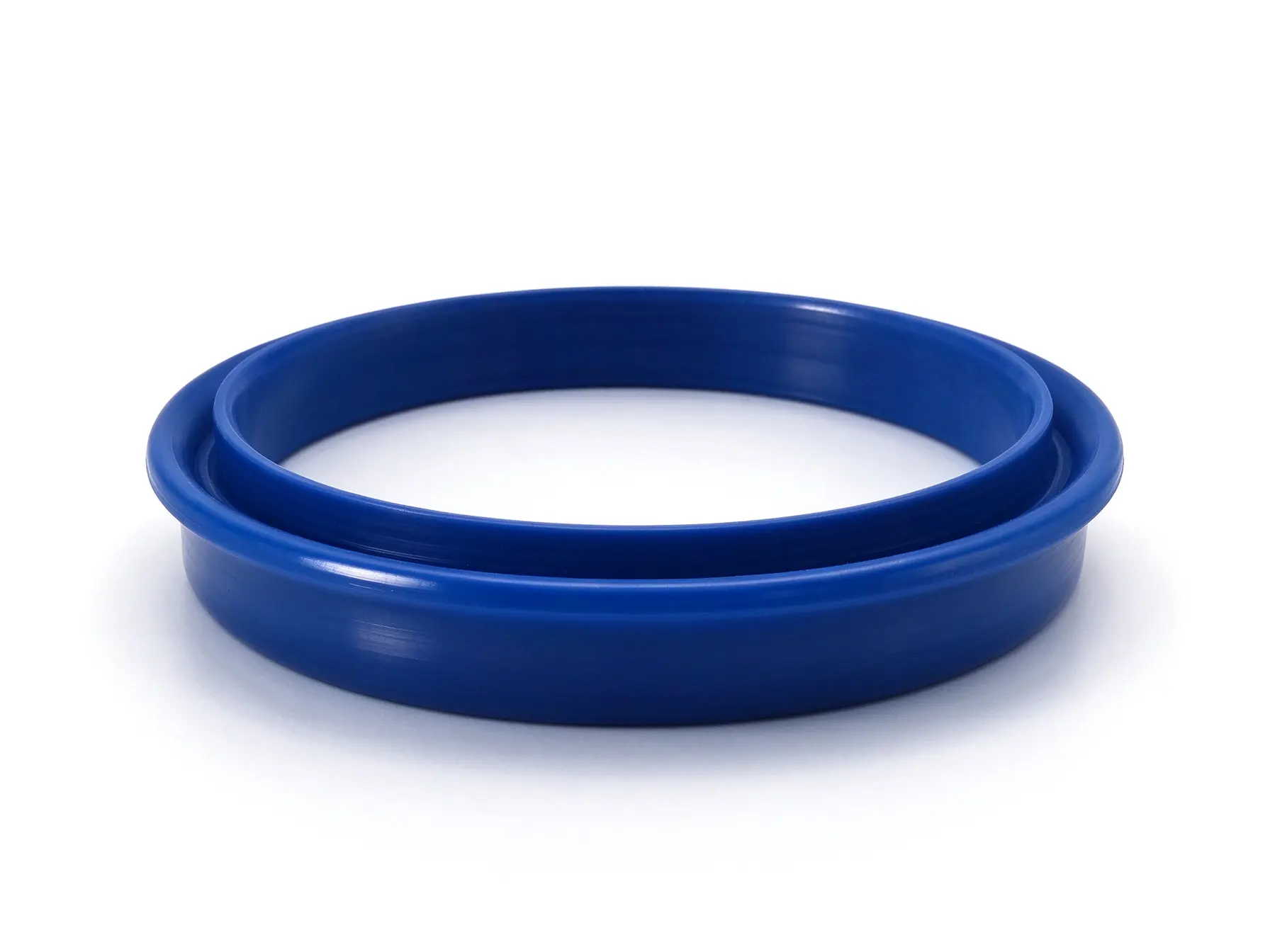
PU Hydraulic Rod Seal with Oil Retaining Grooves UN/ UHS/U and Y
- Description
- Download
-
Product Overview
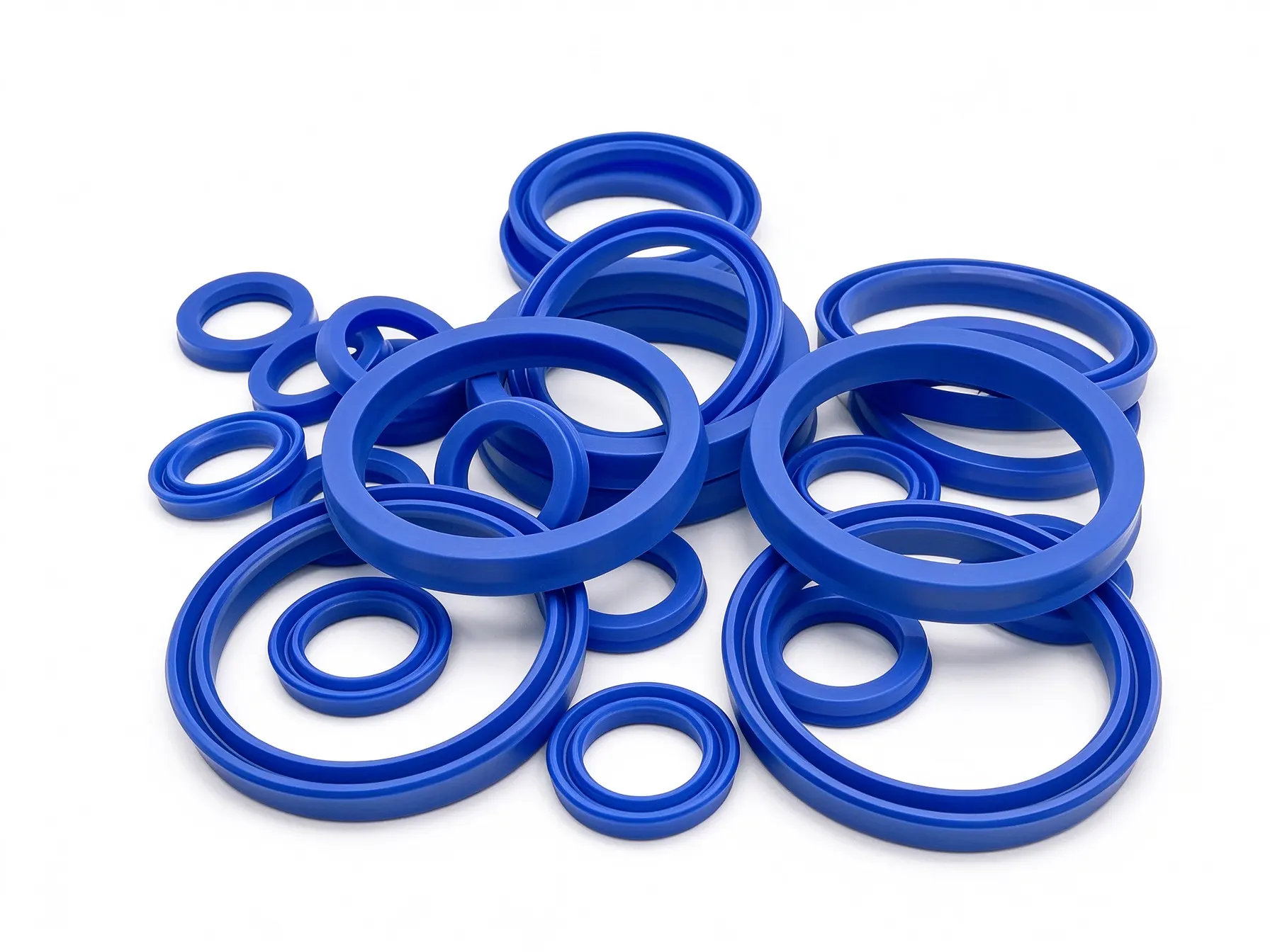
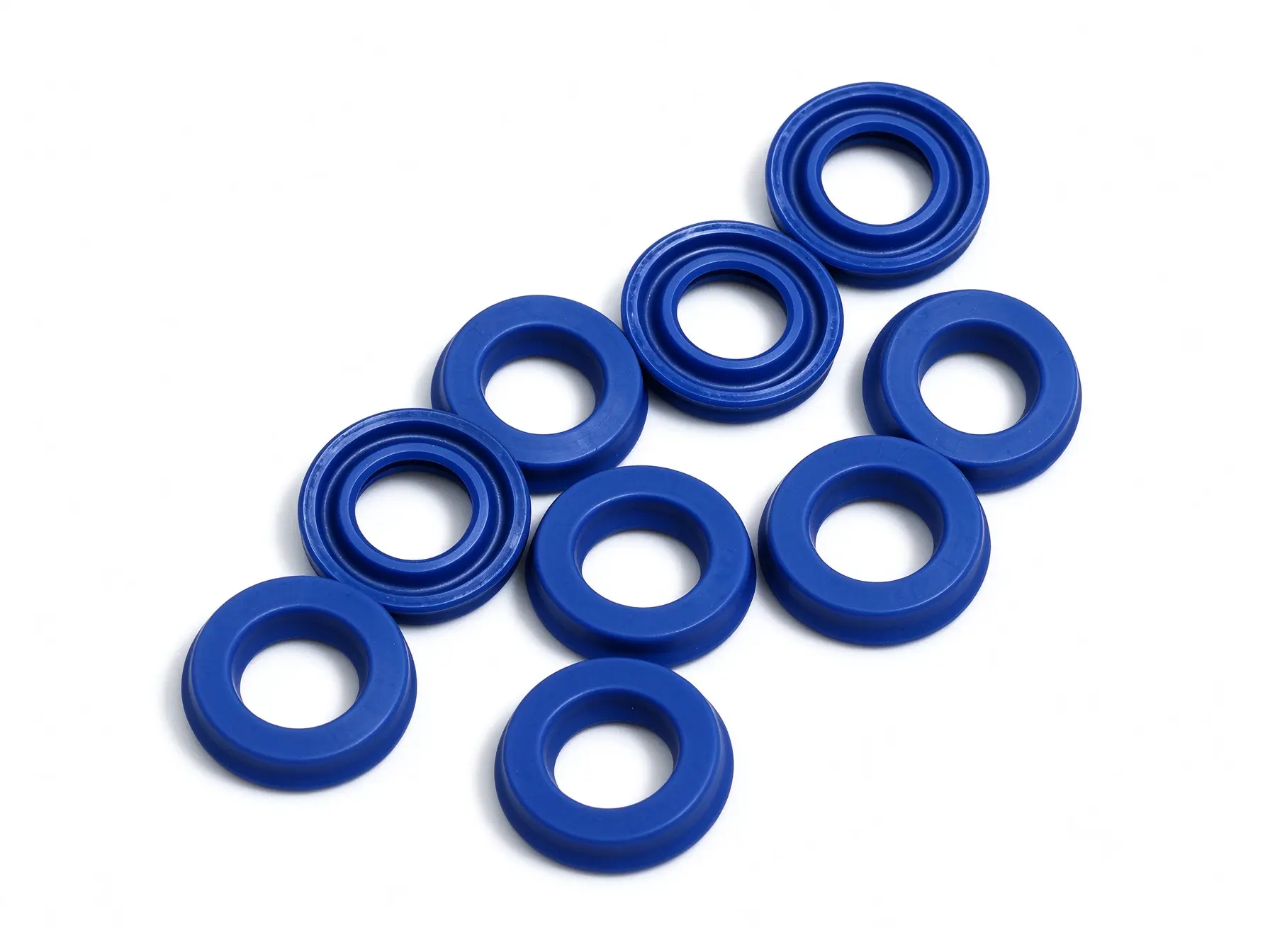
JINNAI SEAL supplies polyurethane hydraulic seals in various U-shaped profiles, including UN, UHS, U, and Y types. Designed for hydraulic cylinders and reciprocating sealing applications, these seals help prevent fluid leakage while maintaining reliable sealing performance under working pressure.
Made from wear-resistant polyurethane (PU), these hydraulic seals offer good elasticity, abrasion resistance, and resistance to hydraulic oils. Different profiles are available for rod sealing and piston sealing applications, depending on the seal design and installation requirements.
Key Features and Benefits
- Reliable Sealing Performance: Helps prevent hydraulic oil leakage in reciprocating systems.
- Multiple Seal Profiles: Available in UN, UHS, U, and Y configurations.
- Custom Size Options: Supports different dimensions and sealing requirements.
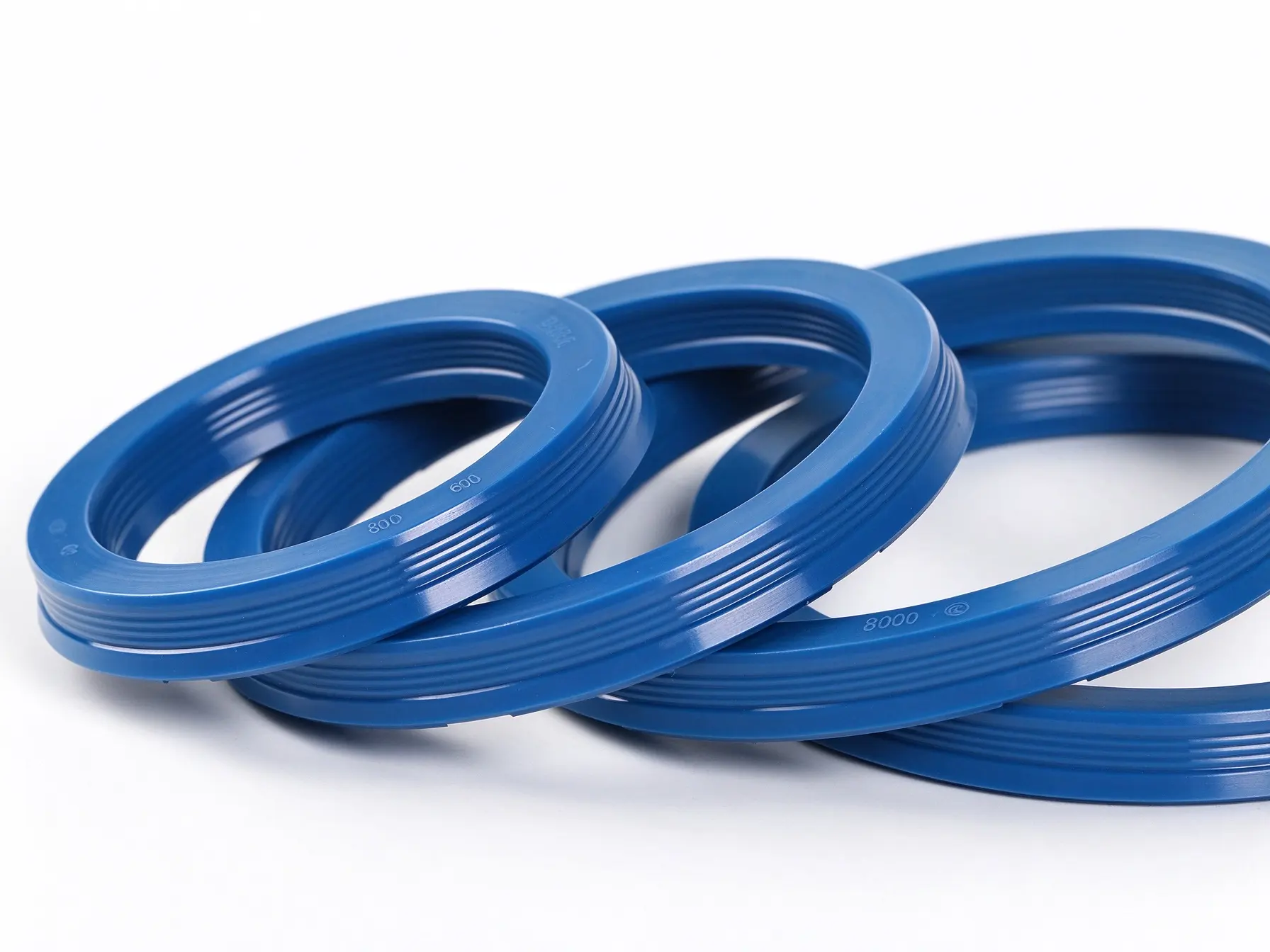
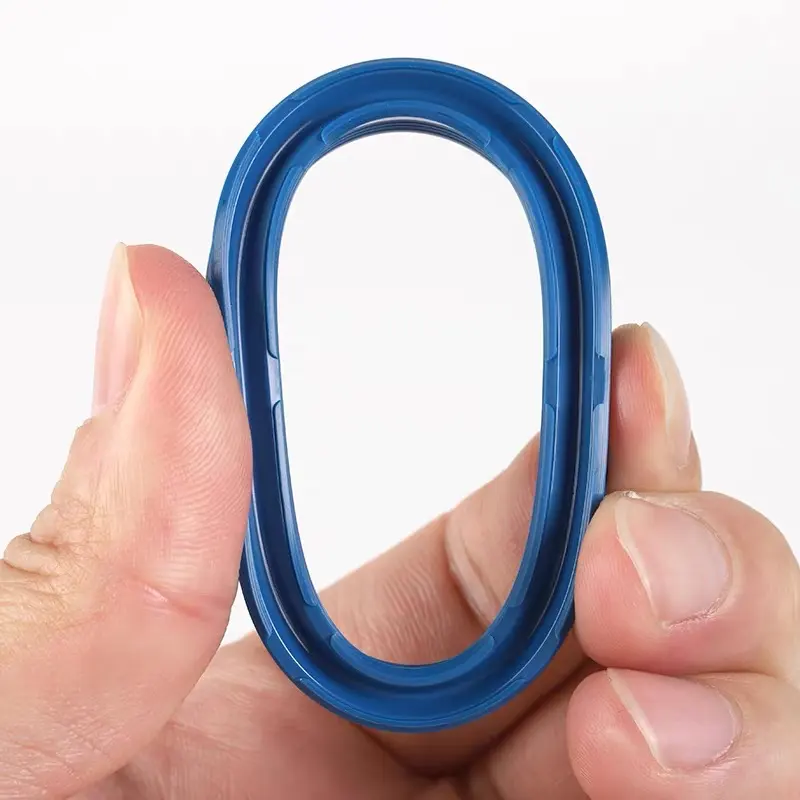
Threaded Design for Reduced Friction
Precision Dimensions for an Accurate Fit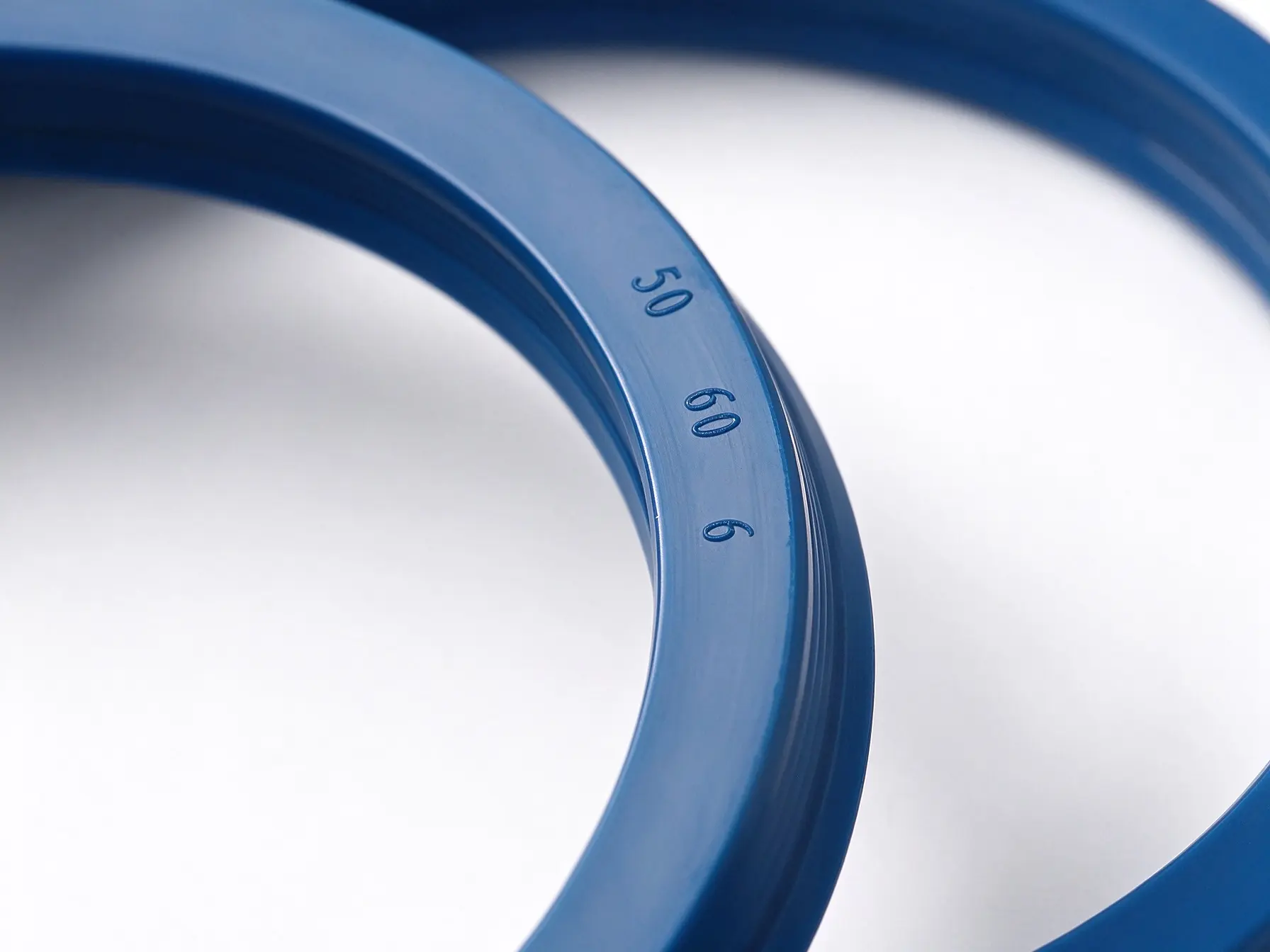
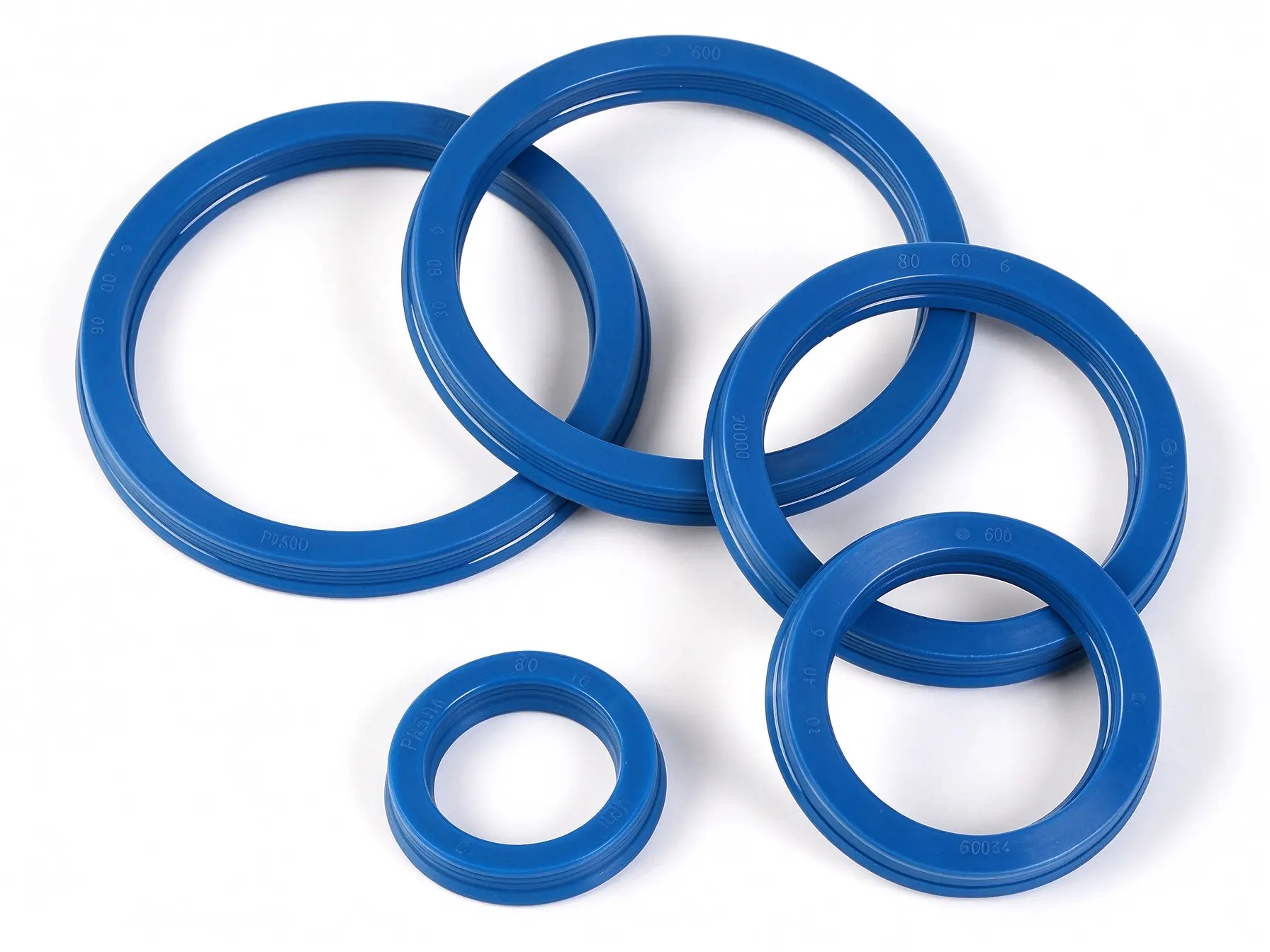
Wear Resistance: Polyurethane material provides good resistance to friction and mechanical wear.Good Elasticity: Supports effective lip contact and sealing performance.
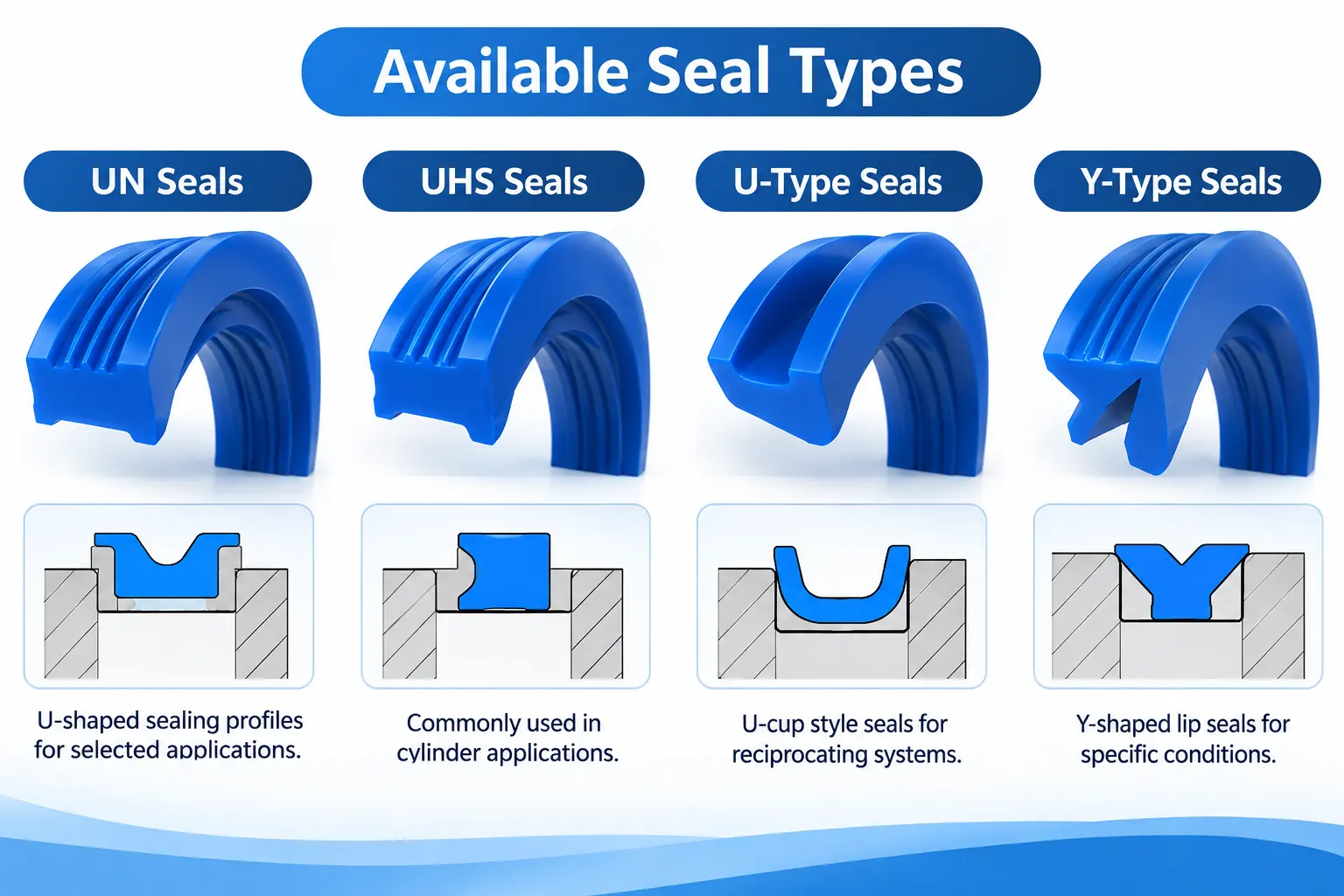
Available Seal Types
- UN Seals: U-shaped sealing profiles for selected hydraulic rod or piston applications.
- UHS Seals: Hydraulic sealing profiles commonly used in cylinder applications; installation depends on the specific design.
- U-Type Seals: U-cup style seals for reciprocating hydraulic systems.
- Y-Type Seals: Y-shaped lip seals designed for specific reciprocating sealing conditions.
Material
- Standard Material: Polyurethane (PU / TPU)
- Material Benefits: Good abrasion resistance, elasticity, and resistance to many hydraulic oils.
- Material Options: Customized compounds may be available according to operating conditions.
Typical Applications
- Hydraulic cylinders
- Hydraulic piston rods
- Construction machinery and excavators
- Forklifts and material handling equipment
- Agricultural machinery
- Industrial hydraulic equipment

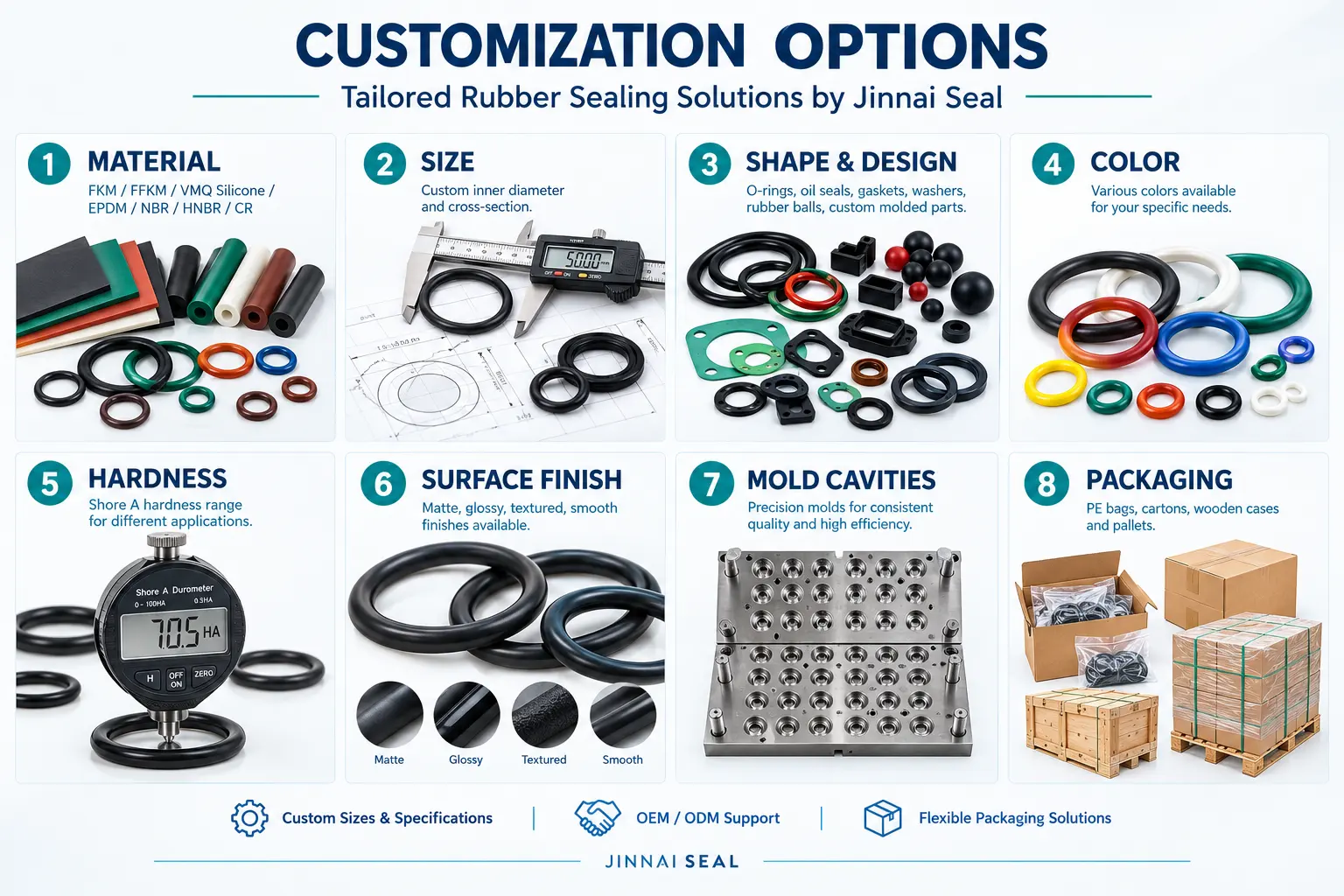
Specifications and Customization
- Seal Types: UN / UHS / U / Y
- Material: PU / TPU
- Installation: Rod or piston applications, depending on profile
- Size: Standard and custom dimensions
- Customization: Available according to drawings, samples, dimensions, and operating requirements.
Contact JINNAI SEAL with your seal model, dimensions, or technical drawing for product selection and quotation.
Why Choose Jinnai Seal ?
- Price Advantage
- Quality Assurance
- After-Sales Warranty
- Rich Industry Experience
 FAQs
-
What is the difference between UN, UHS, U and Y type PU hydraulic rod seals? Are they interchangeable?
N and UHS are both symmetrical-lip PU seals with fully interchangeable dimensions. The distinction is mainly in the standard origin: UHS derives from the Japanese VALQUA standard, while UN derives from the Taiwanese DZ (Dingzing) standard. Their pressure, temperature and speed capabilities are identical, so selection should be based on rod diameter, seal height and groove depth rather than the brand prefix alone. “U type” generally refers to the U-cup cross-section family that includes UN/UHS variants. “Y type”, by contrast, usually denotes an asymmetric Y-ring with the lip facing the pressure side; it offers good low-pressure sealing and lower friction but is generally not directly interchangeable with symmetrical UN/UHS profiles—groove geometry and pressure direction must be matched separately.
-
What is the function of the oil retaining grooves on a rod seal?
The primary function of oil retaining grooves is to trap a small amount of hydraulic oil near the sealing lip during reciprocation, forming and maintaining a lubricating film that reduces dry friction and wear between the lip and the rod. In rod seal applications, this film also provides a controlled “return oil” effect: the lip stays lubricated, but excess oil must not be carried past the seal to the outside as visible leakage. Some Y-type rod seals incorporate drain/relief grooves on the pressure-side face, allowing pressure media to quickly enter and open the lip against the rod while helping regulate film thickness.
-
What pressure and temperature can these PU rod seals handle, and when is a back-up ring required?
Typical UN/UHS ratings are ≤30 MPa operating pressure, −20 °C to +100 °C temperature (short excursions to +120 °C), and 0.03–0.5 m/s speed. When working pressure exceeds 16 MPa, a back-up ring is recommended on the pressure side to prevent the PU lip from being extruded into the sealing gap, which can cause damage or leakage. For sustained high pressure, large gaps or shock loads, grooves designed for back-up rings or higher-strength PU/HPU compounds should be preferred.
-
What torque should be applied to gland bolts when installing a PU rod seal?
There is no universal torque value for U-cup rod seal glands; the correct torque depends on bore diameter, bolt size, gland design and groove geometry. The general principle is to tighten evenly, alternately and in stages so the gland seats parallel and the seal is not pinched or cut on one side. Some equipment manuals specify values for particular machines—for example, certain small seal glands fall in the 4–8 N·m range—but these cannot be applied universally to all UHS/UN rod seals. Always consult the cylinder or gland service manual first. Where no manual is available, tighten progressively until the gland is seated, the lip contacts evenly, and the rod reciprocates smoothly without leakage.
-
Why does PU become stiff at low temperatures, and what should be considered during selection?
PU (polyurethane) stiffens significantly below −20 °C, losing elasticity and lip conformity, which can lead to low-temperature leakage or increased breakout friction. For lower-temperature service, HPU (hydrogenated polyurethane) or low-temperature PU grades should be considered; some products extend the range to −35 °C or −40 °C. During cold starts, avoid immediate high-speed reciprocation: allow the seal to establish the oil film and lip contact at low speed, then return to normal operating speed as temperature rises.
-
Related Products
We have developed a diverse portfolio of product solutions to suit different markets and needs.-
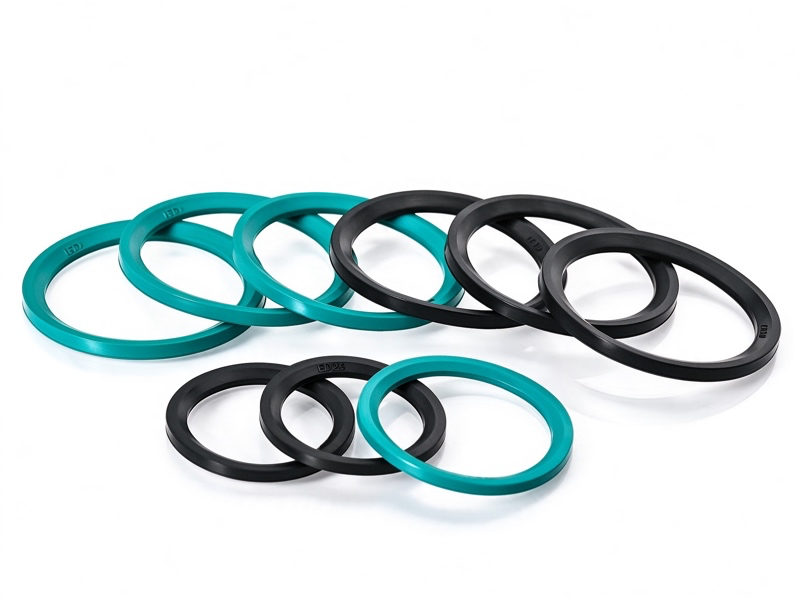
NBR FKM Rubber Seal ED Rings Factory for Oil Resistant Hydraulic
Learn More

-
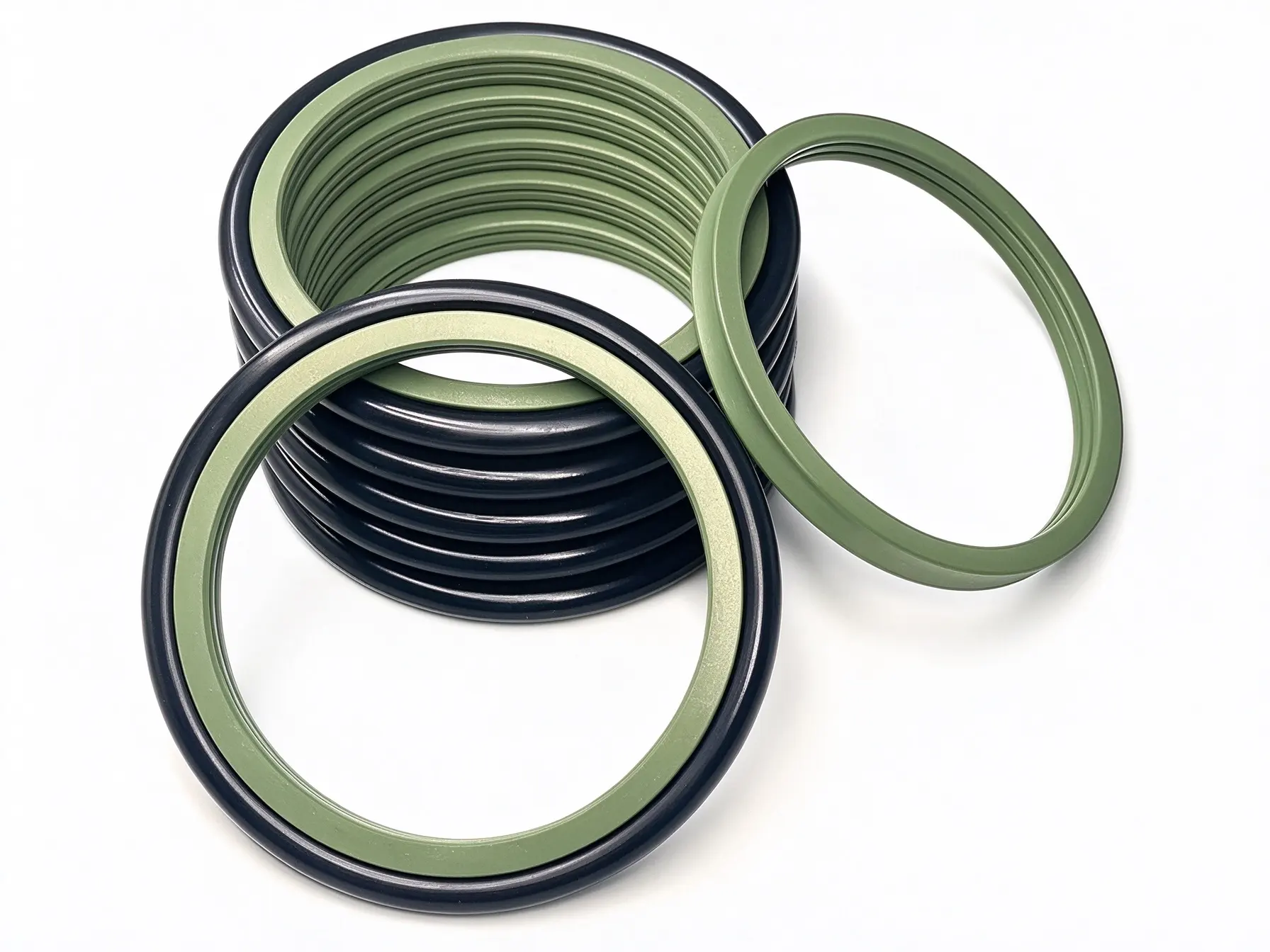
GRS Rotary Glyd Ring OED Cylinder Seal OR Rotary Joint Step Seal
Learn More
-
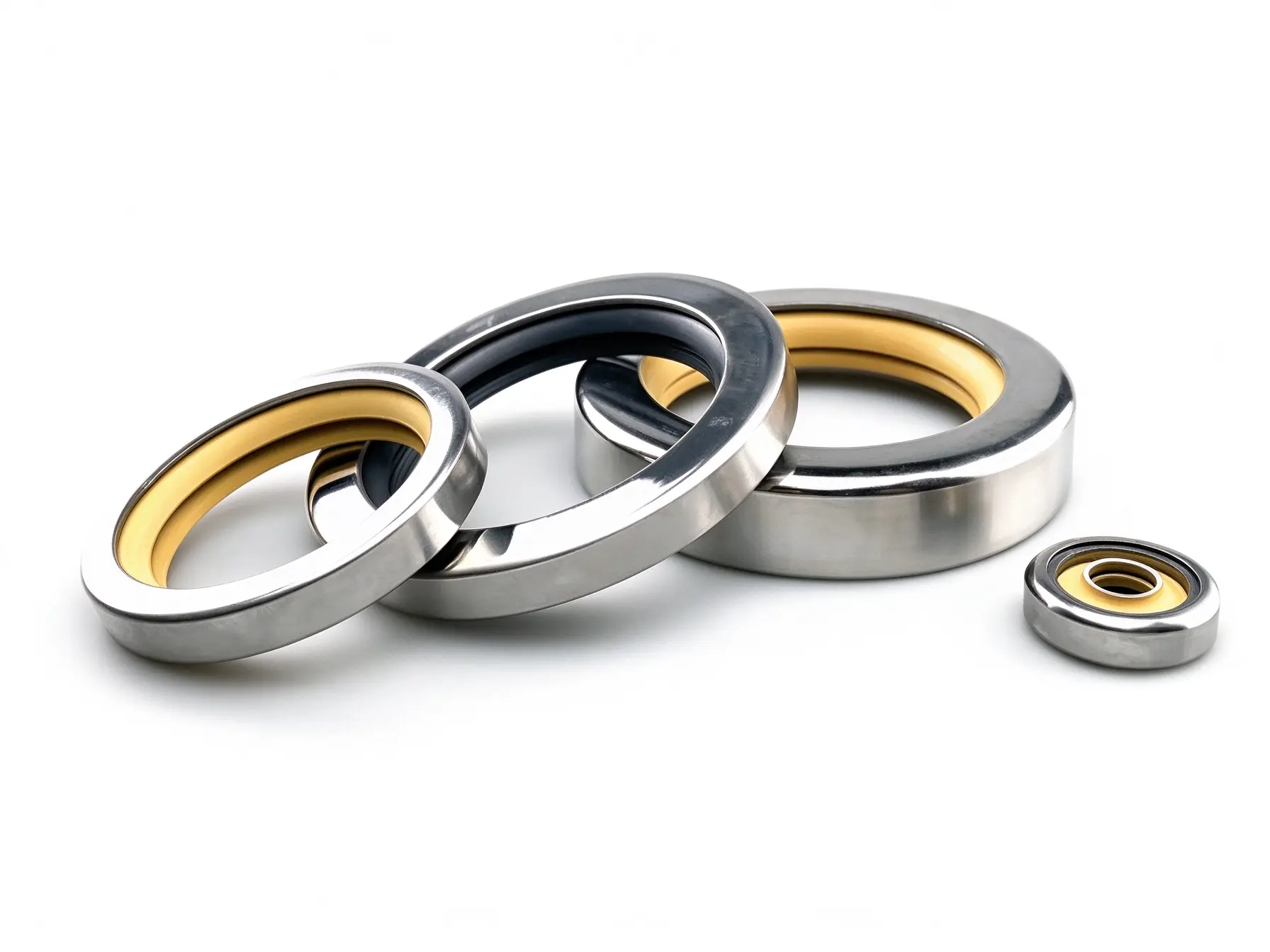
PTFE Rotary Shaft Seal Double Lip High Speed Stainless Steel 32mm-40mm
Learn More
-
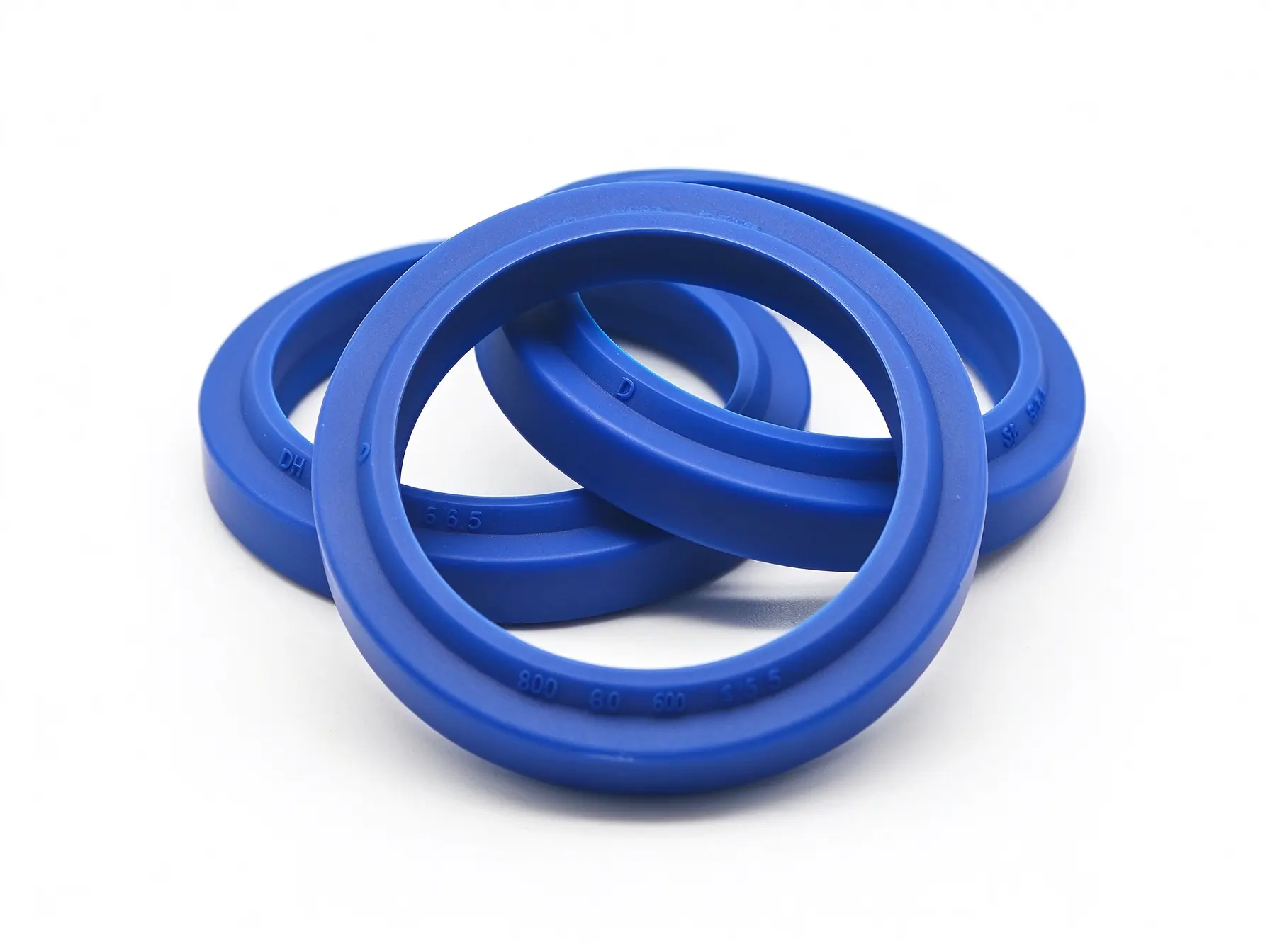
DH DHS PU Hydraulic Cylinder Wiper Seals for Forklifts
Learn More
-
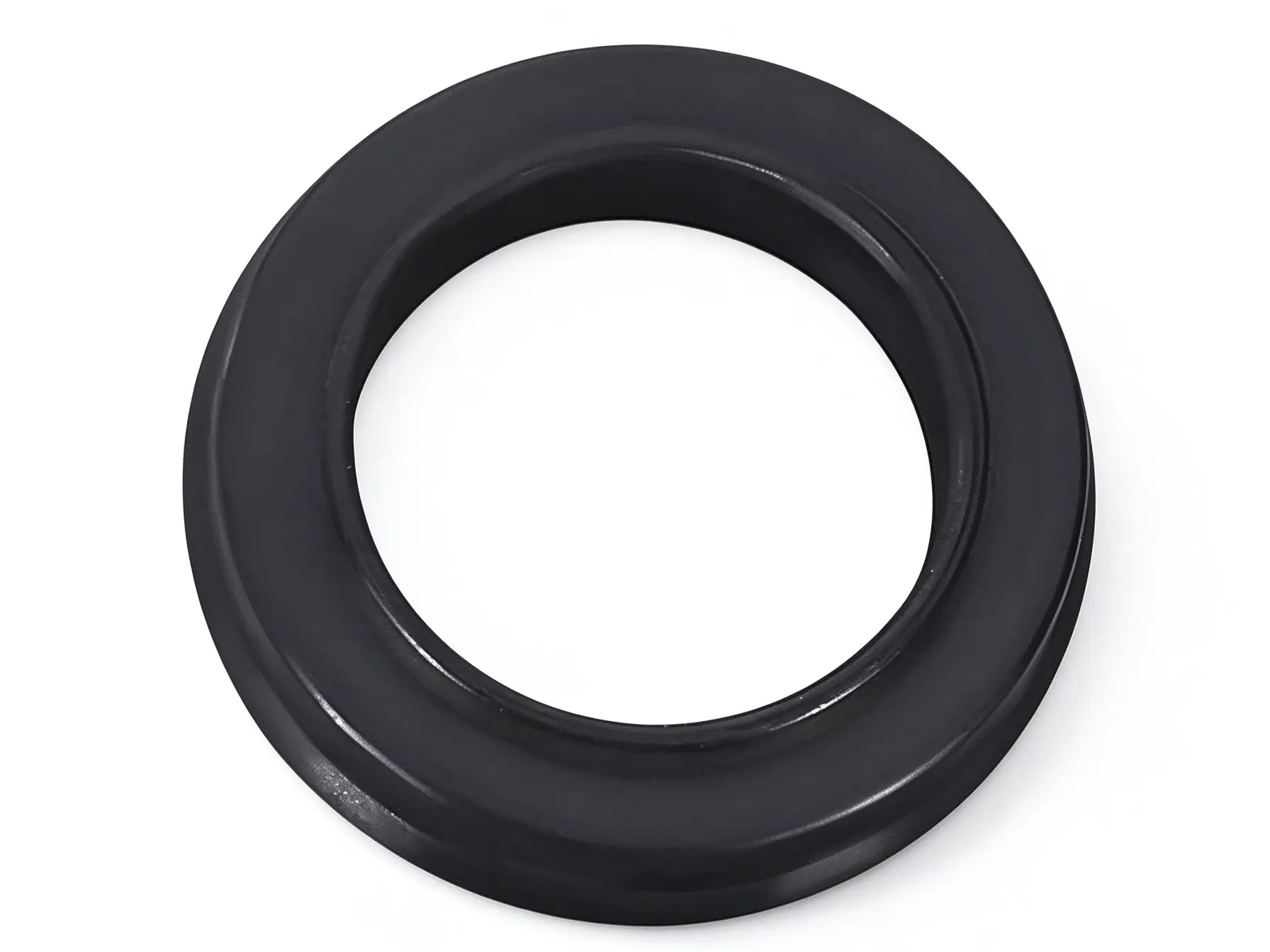
NBR EM Piston Rod Seals and Dust Covers for SDA Pneumatic Cylinders
Learn More
-
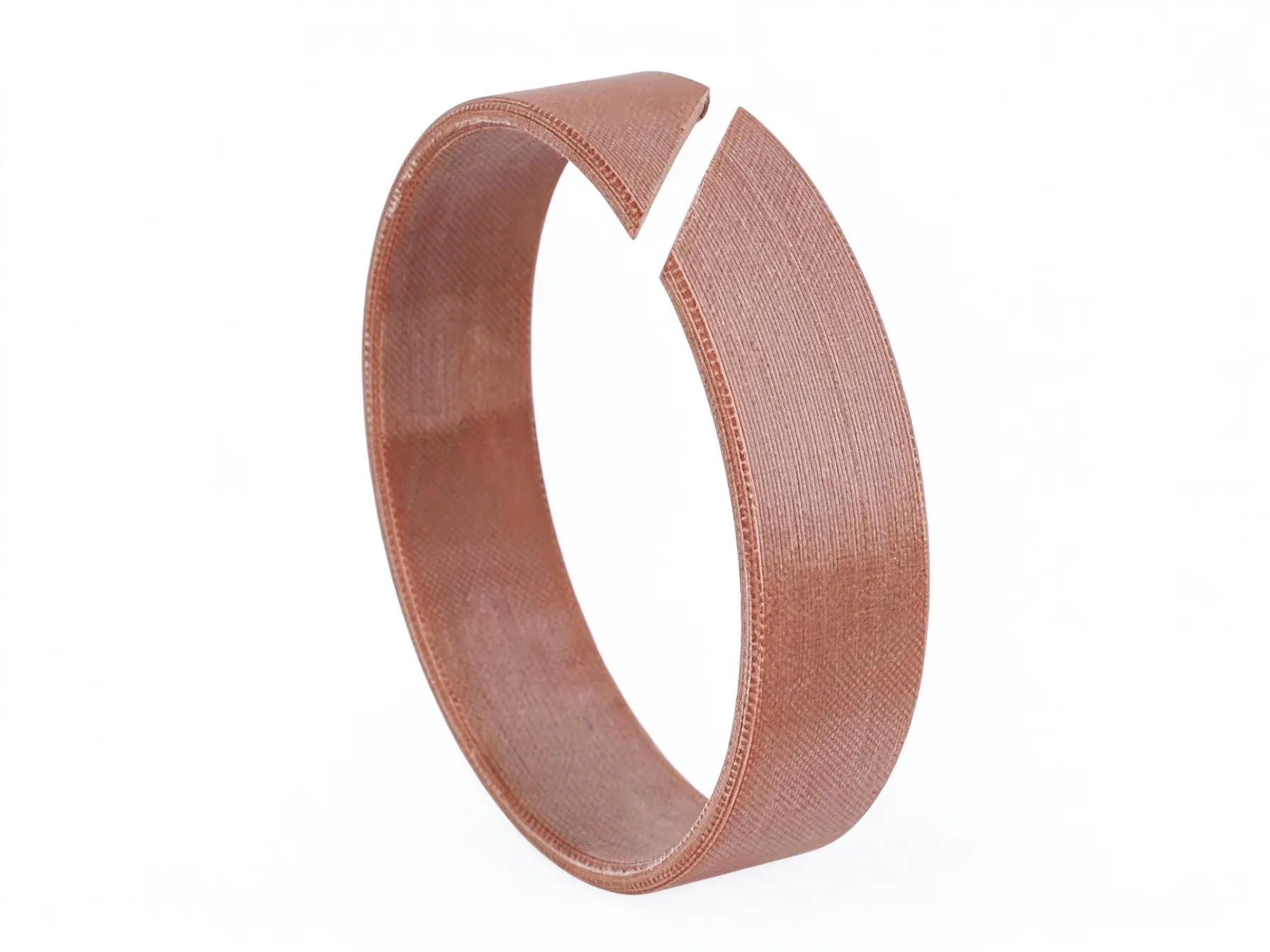
Phenolic Fabric Piston Wear Ring Guide Ring Hydraulic Cylinder
Learn More
-
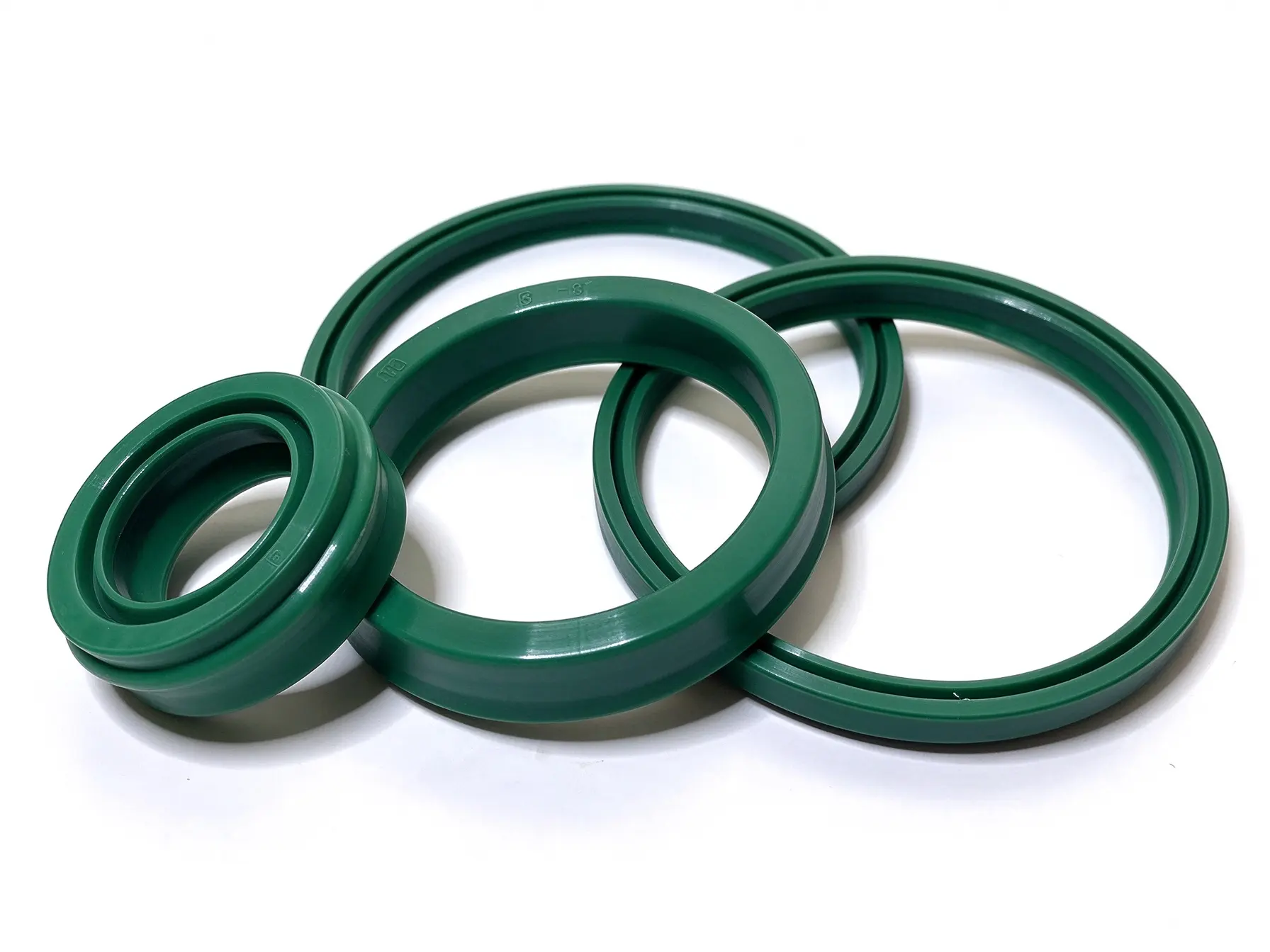
UN/UHS PU Hydraulic Piston Seals for Excavator Cylinders
Learn More
-
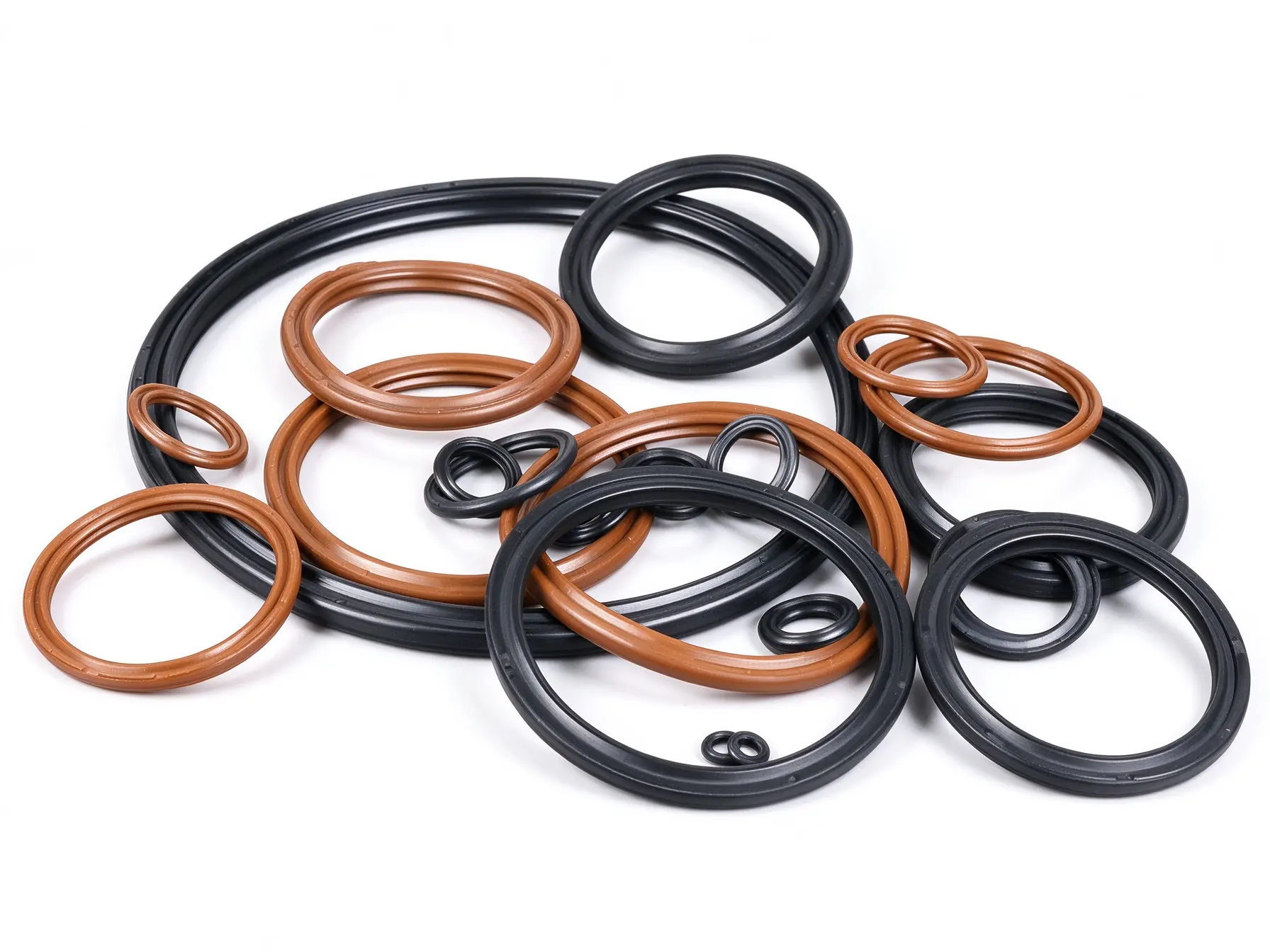
COP Double Acting Pneumatic Seal for SC Cylinder and NPA Air Valve
Learn More
Welcomes