






-
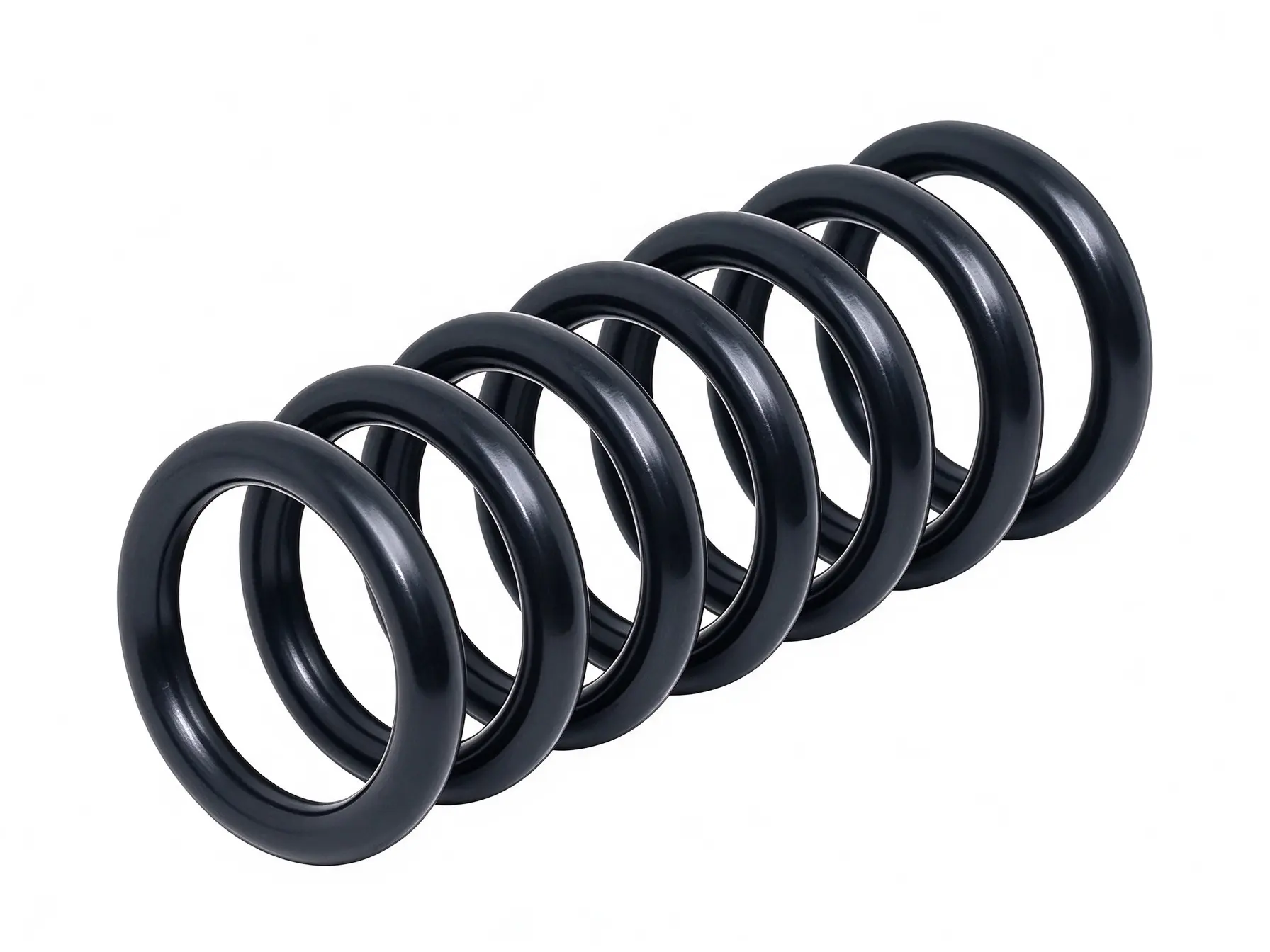
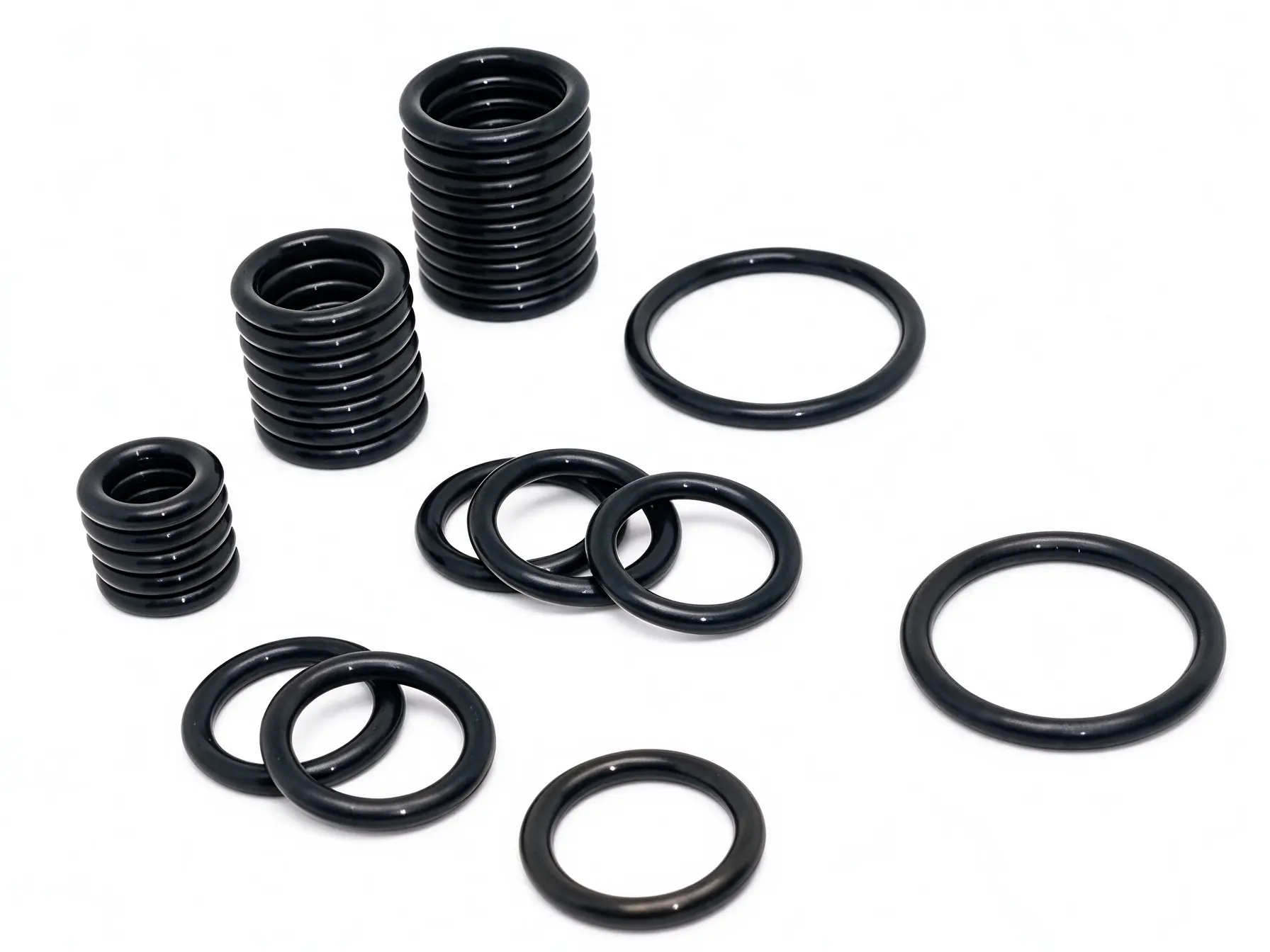
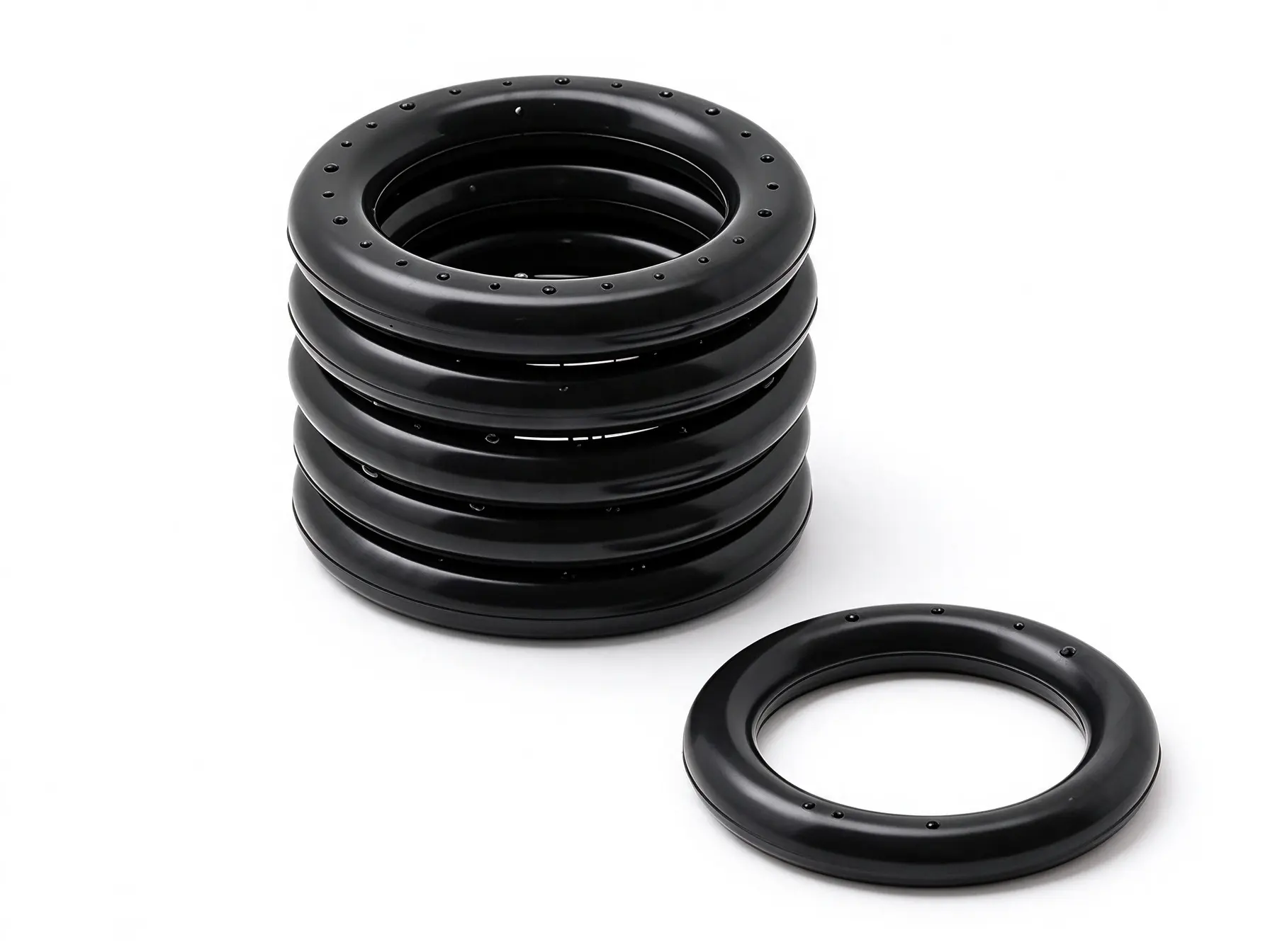
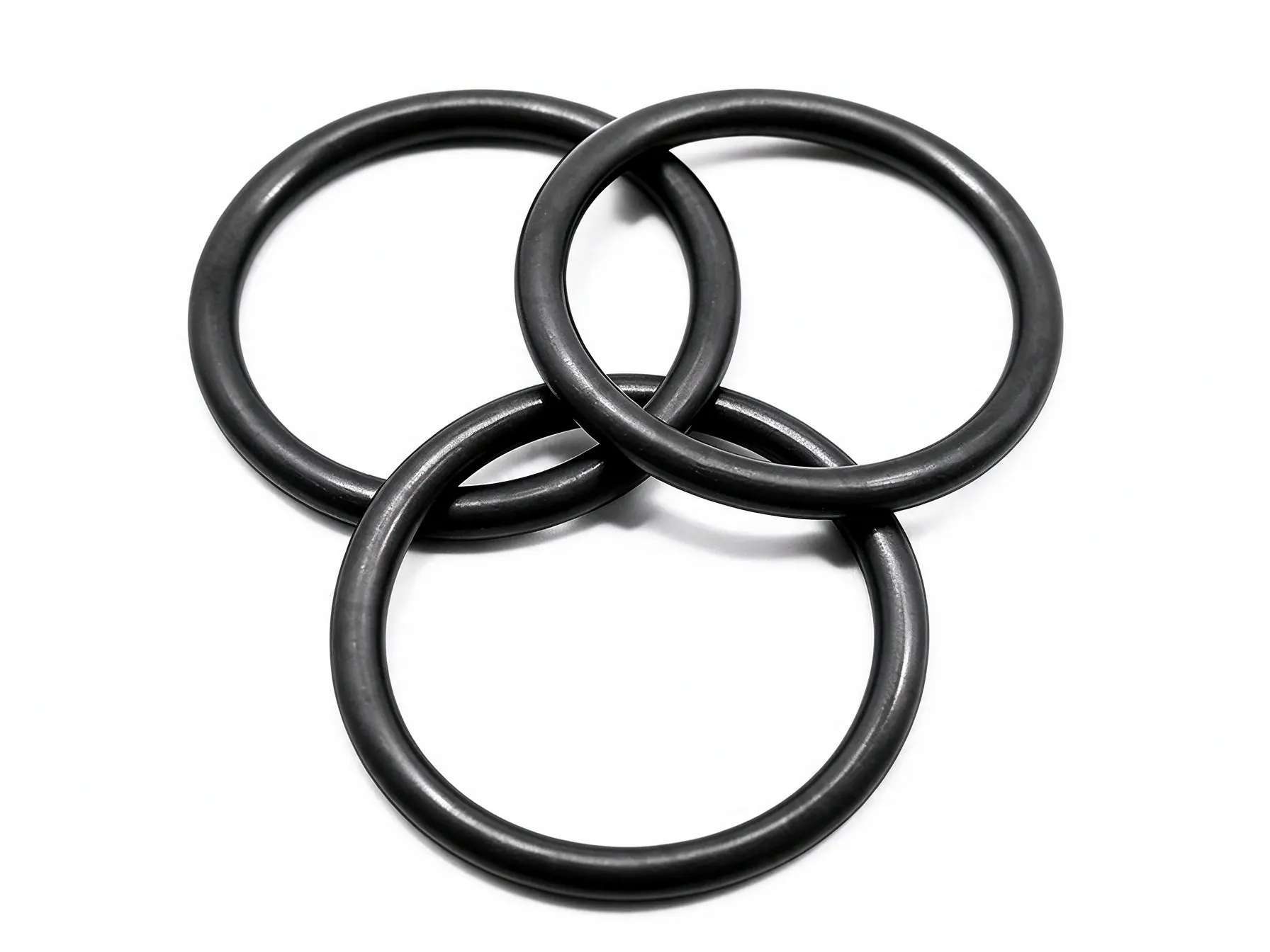
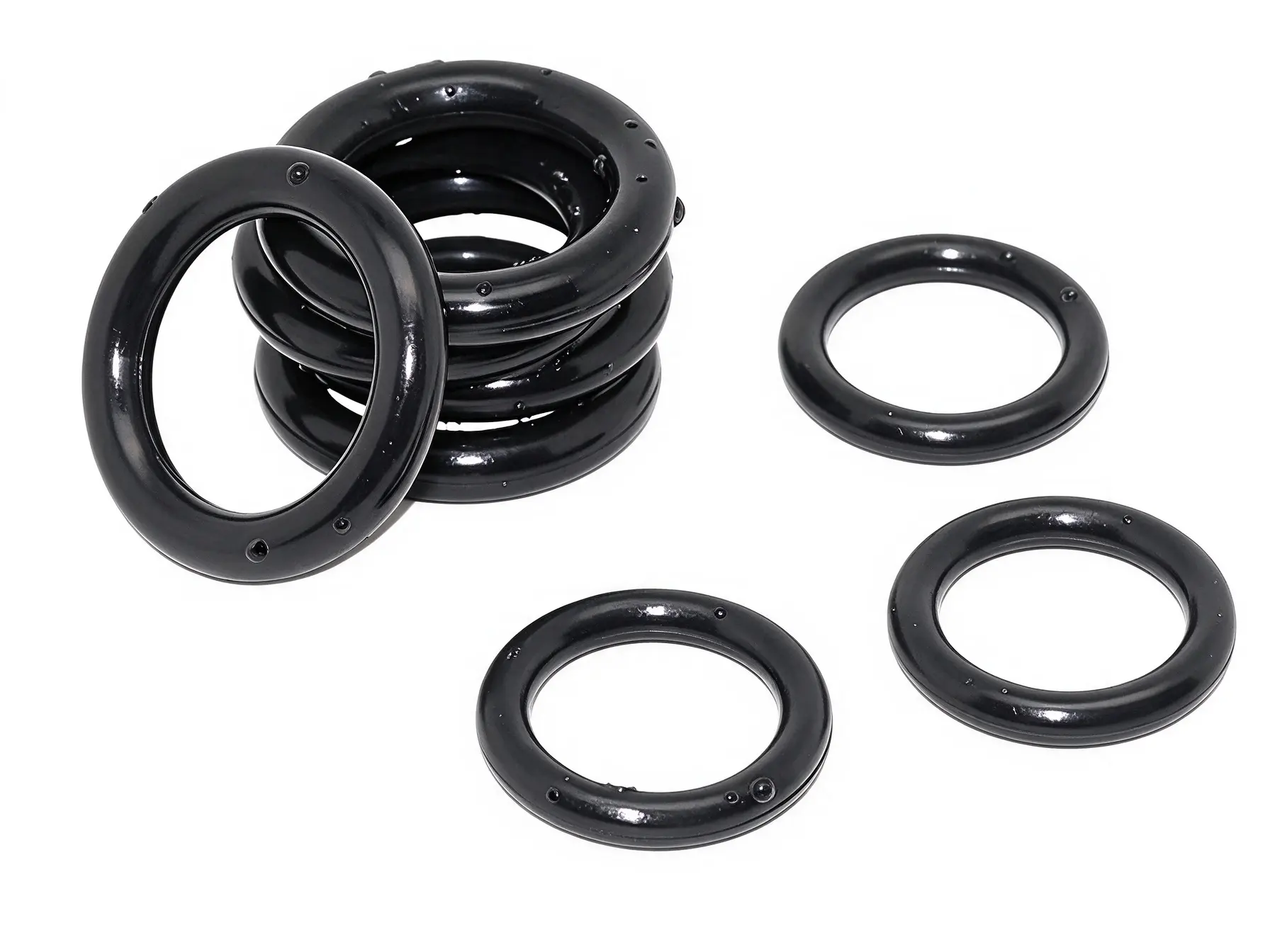
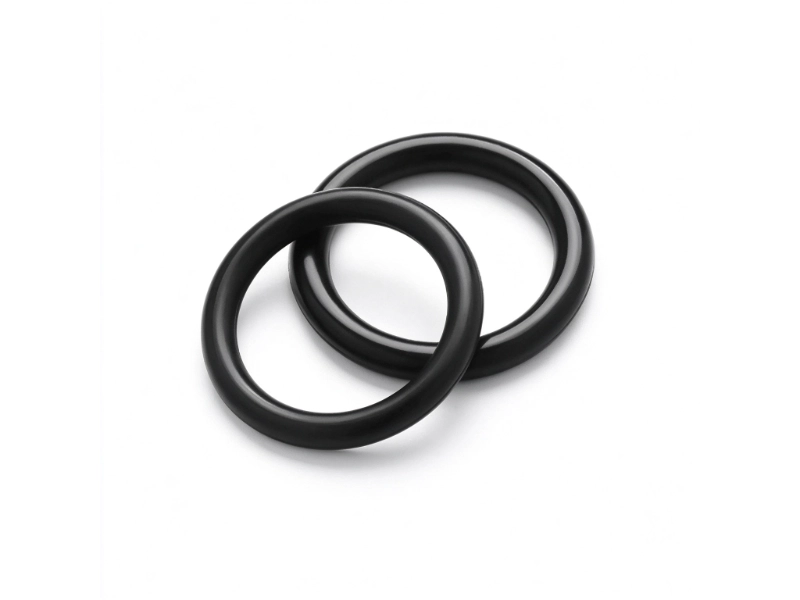
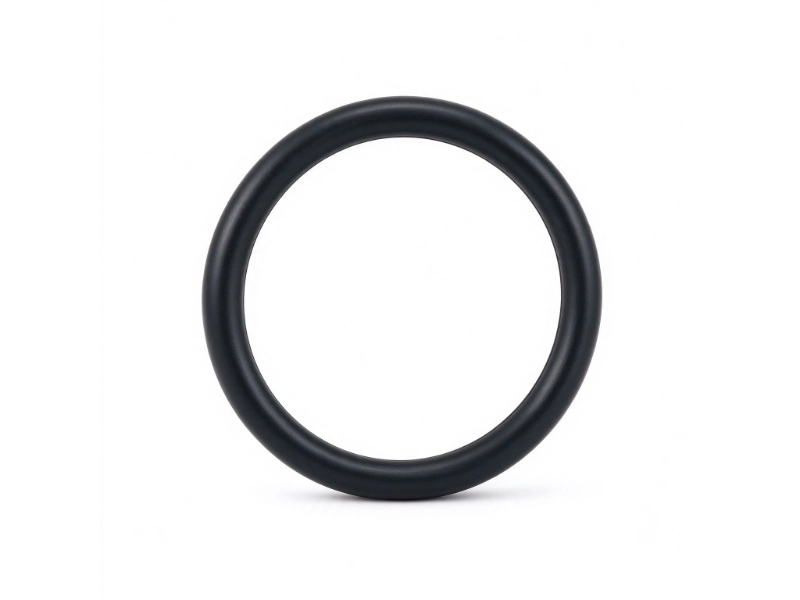
Black NBR O-rings are compression molded with a 3.2mm cord and outer diameters from 9mm to 400mm, offering good oil resistance and waterproof sealing performance.
-
Full-size customization is available; cord diameter, outer diameter and hardness can be confirmed to drawing or sample for hydraulic, pneumatic and pipeline sealing applications.
-
Factory supply includes sample testing and bulk orders; NBR compound and dimensional tolerance should be confirmed against the actual medium, temperature and compression ratio.
NBR-O-Ringe
Oil Resistant Waterproof NBR O-Ring 9mm to 400mm Factory
- Beschreibung
- Herunterladen
-
Unser NBR O Rings (Nitrile Rubber O-Rings) are high-quality industrial rubber seals designed for reliable sealing performance in hydraulic, pneumatic, automotive, and industrial applications. Made from durable nitrile butadiene rubber, these oil-resistant O-rings offer excellent resistance to mineral oils, fuels, grease, and water. With good elasticity, compression recovery, and wear resistance, NBR rubber O-rings are suitable for both static and dynamic sealing applications under moderate temperature conditions.
Als professioneller NBR O-ring manufacturer and supplier, we offer standard NBR O-ring sizes in stock, as well as custom rubber O-rings in various inner diameters, cross-sections, hardness levels, and colors. Our custom NBR O-rings, nitrile rubber seals, waterproof O-rings, and hydraulic sealing rings provide cost-effective sealing solutions for pumps, valves, cylinders, pipelines, automotive systems, and pneumatic equipment. OEM and ODM services are available to meet different industrial sealing requirements.
NBR O- Ring Technical Table
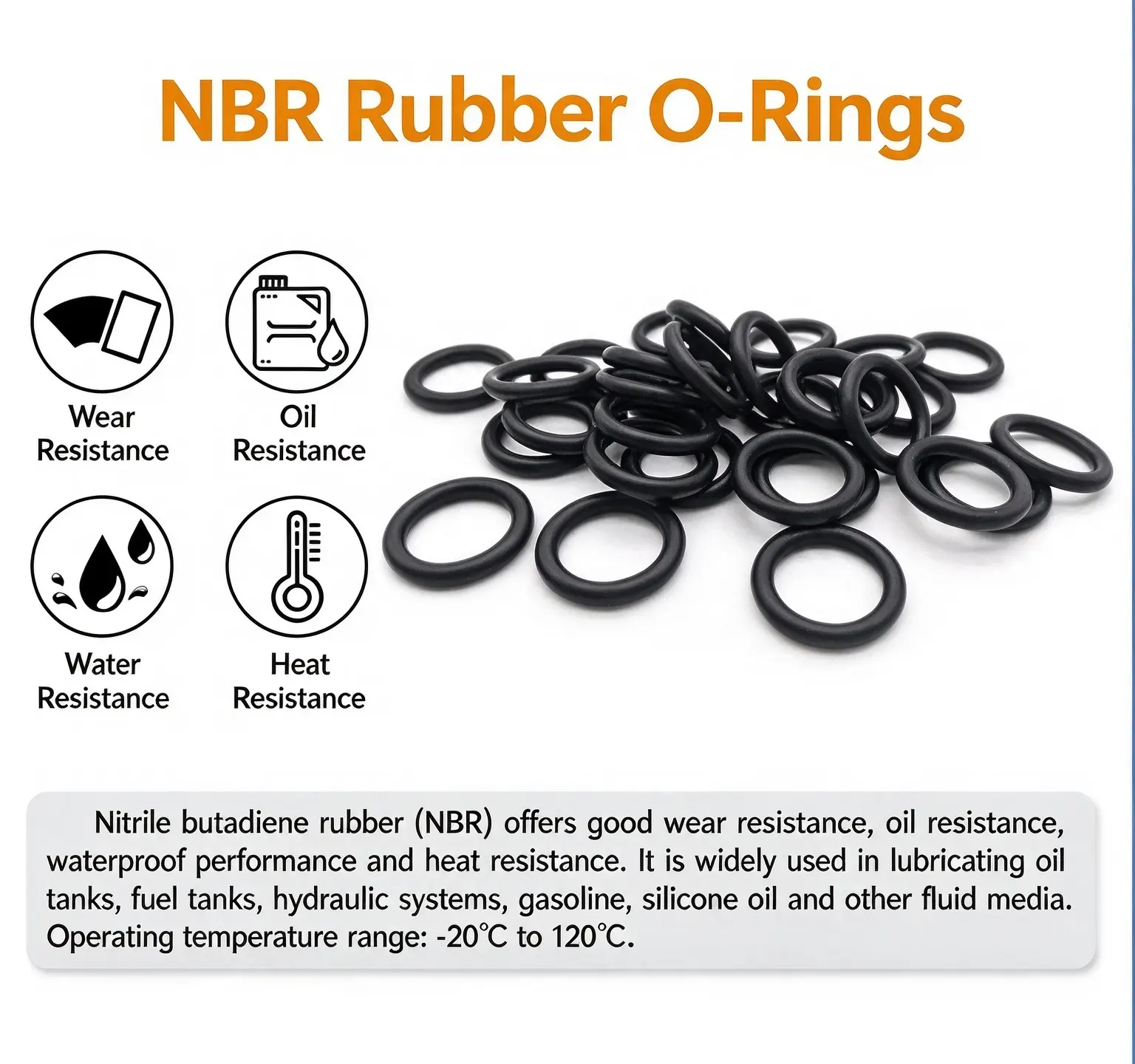
Artikel Spezifikation Material Name NBR (Nitrile Butadiene Rubber) O Ring Seals Common Hardness Shore A 40 – 90 (Standard: Shore A 70) Operating Temperature Range -40℃ to 120℃ Low Temperature Resistance Excellent flexibility at low temperature Hohe Temperaturbeständigkeit Stable performance under continuous 100℃ working condition Ölbeständigkeit Excellent resistance to mineral oil, engine oil, hydraulic oil and grease Water Resistance Good waterproof and anti-leakage performance Abrasion Resistance Good wear resistance for dynamic sealing applications Compression Set Low compression deformation, long sealing stability Weather Aging Resistance Moderate aging resistance, not suitable for long-term outdoor UV exposure Chemical Compatibility Resistant to oil, water, fuel and common lubricants Incompatible Media Strong oxidants, ketones, esters, strong solvents Dichtungstyp Static sealing & dynamic sealing Standard Sizes Metric sizes / AS568 inch standard sizes Anpassung Custom hardness, size and color available Environmental Standard RoHS compliant Hauptanwendungen Hydraulic systems, pneumatic systems, pumps, valves, compressors, automotive parts, agricultural machinery, construction machinery, general industrial equipment Feature Most cost-effective, widely used, reliable industrial rubber sealing ring How to measure the O-Rings Size ?
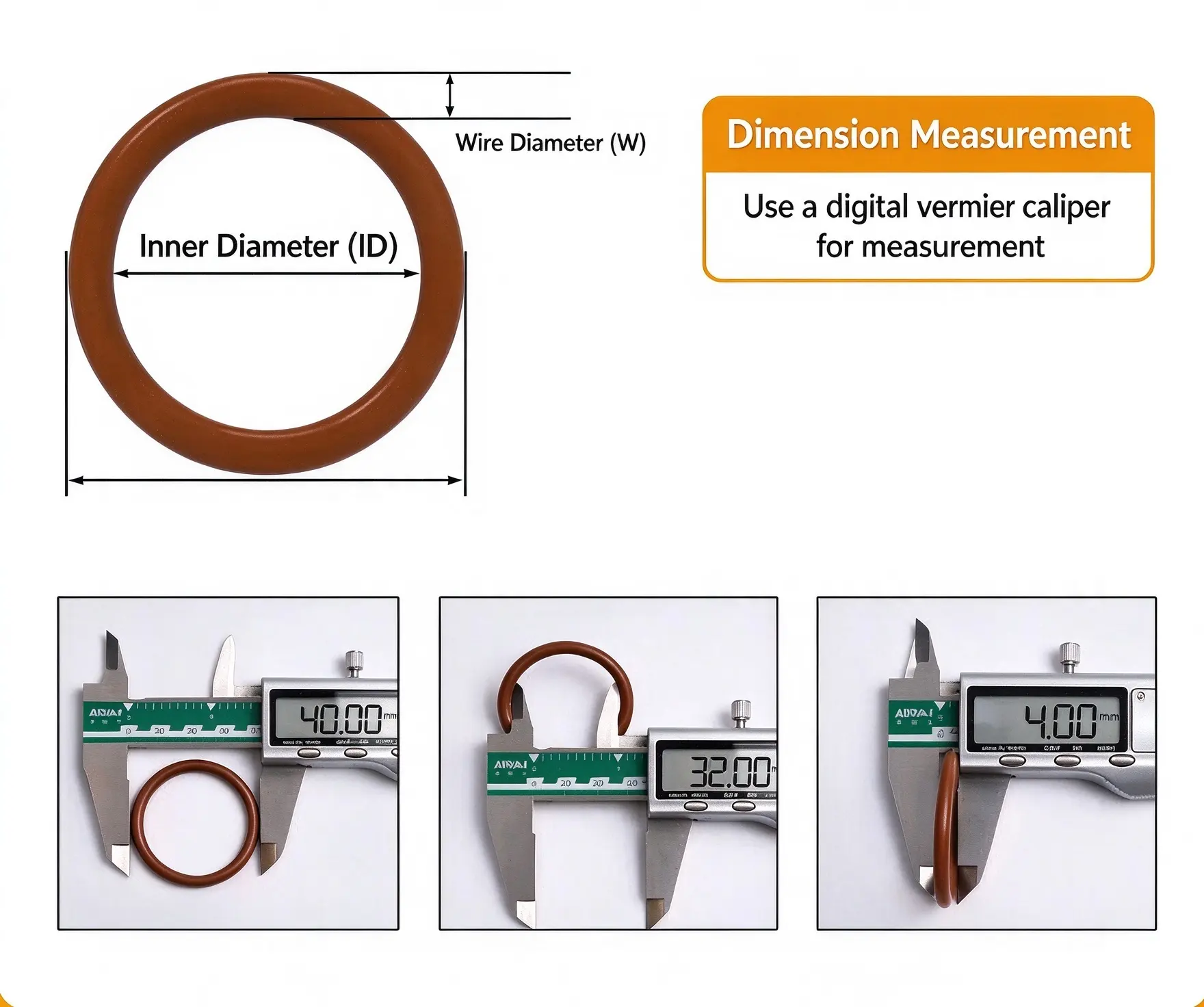
1. O-Ringe dürfen nicht mit einem Lineal gemessen werden.
2. Verwenden Sie einen Messschieber, um Innendurchmesser (ID), Außendurchmesser (OD) und Querschnitt (CS) genau zu bestimmen.
3. Gummi-O-Ringe verformen sich leicht. Genaue Messungen gewährleisten einen korrekten Sitz und verhindern Leckagen.
O-Ring ID size tolerance for GB/T 3452.1-2005 Standard
Standard d₁(mm) G-Series Tolerance ±(mm) A-Series Tolerance ±(mm) 1.8~5.0 0.13 0.08 5.3~8.5 0.16~0.17 0.09~0.10 8.7~12.5 0.18~0.20 0.10~0.12 13.2~18.0 0.21~0.25 0.12~0.14 19.0~26.5 0.25~0.30 0.14~0.17 27.3~37.5 0.31~0.34 0.17~0.20 38.7~50.0 0.34~0.40 0.20~0.23 51.5~67.0 0.41~0.48 0.23~0.27 69.0~90.0 0.49~0.60 0.27~0.33 92.5~125 0.61~0.78 0.33~0.42 132~180 0.82~1.02 0.42~0.54 190~250 1.06~1.34 0.54~0.70 258~355 1.37~1.82 0.70~0.95 365~500 1.86~2.48 0.95~1.30 Bemerkung:
- G series: General purpose O-rings, looser tolerance for normal hydraulic & pneumatic applications
- A series: Aerospace grade O-rings, tighter ID tolerance for high-precision, high-reliability sealing
Cross-section tolerance:
1.8:±0.08mm 2.65:±0.09mm 3.55:±0.10mm 5.3:±0.13mm 7.0:±0.15 mm.We have strict size inspection for each order .Tight tolerance control guarantees consistent performance batch after batch.
Our NBR O-Rings Advantages
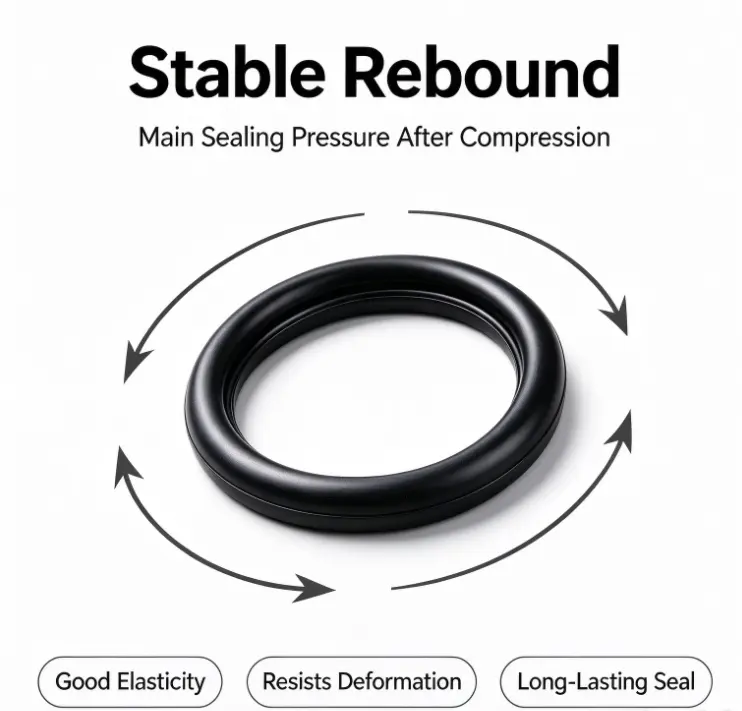
Our NBR nitrile rubber O-rings offer good rebound resilience, recovering quickly after repeated compression and under dynamic sealing conditions to help maintain stable sealing performance.
Made from premium NBR nitrile rubber, offering oil resistance, wear resistance, good rebound resilience and reliable sealing performance for hydraulic, pneumatic and pipeline sealing applications.
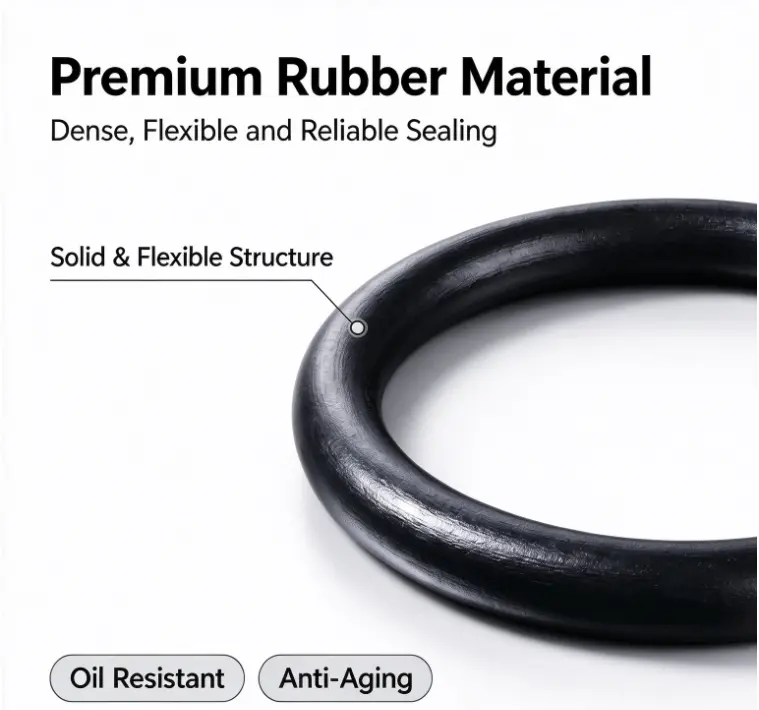
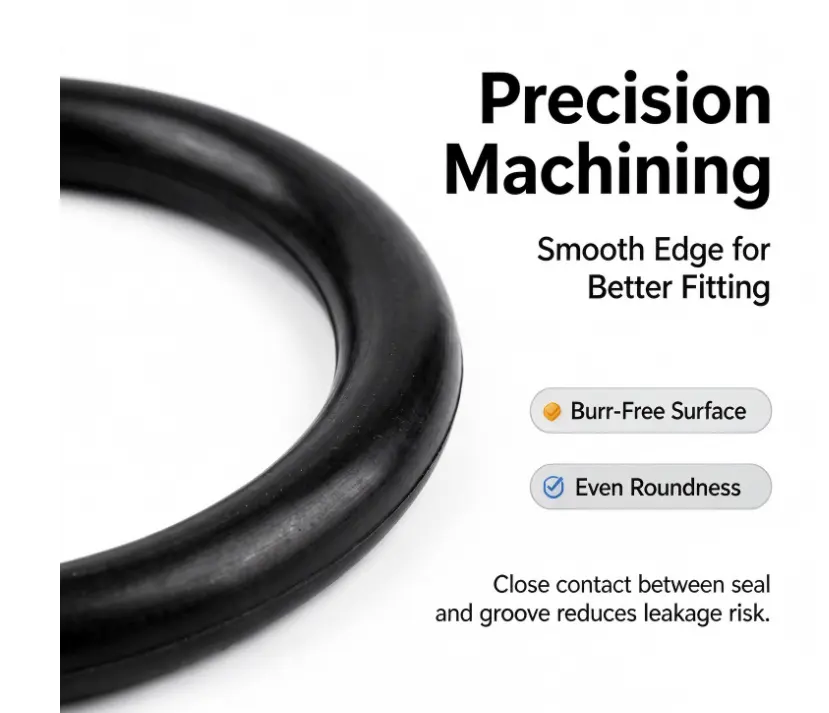
Smooth surface finish with no burrs, helping reduce friction and leakage risk.
Application Areas of NBR O-Rings
NBR O-rings are mainly valued for oil resistance, wear resistance, good rebound resilience and reliable sealing. Typical applications include:
- Hydraulic systems: static and dynamic sealing at hydraulic cylinders, valves, pumps and pipe joints.
- Pneumatic systems: sealing for cylinders, pneumatic valves, air line fittings and pneumatic actuators.
- Automotive industry: oil-resistant sealing points in engines, gearboxes, fuel systems, lubrication circuits, brake systems and air-conditioning lines.
- Industrial pumps and valves: sealing for water pumps, oil pumps, chemical pumps (non-highly corrosive media), valves, flanges and pipe connections.
- Mechanical equipment: bearing end covers, reducers, gearboxes, compressors and rotating/reciprocating parts.
- Oil and fuel systems: sealing for mineral oil, lubricating oil, diesel, hydraulic oil and similar media; not recommended for aromatic hydrocarbons, ketones, esters or strongly oxidizing media.
- Plumbing and general industry: medium- and low-pressure sealing for water, air and neutral media; for outdoor applications requiring high weather and ozone resistance, use with caution or switch to EPDM or other suitable materials.
Auswahlhinweis: NBR typically serves from about -40°C to +100°C (short-term up to around 120°C). It has good oil resistance but limited resistance to ozone, weathering and polar solvents. For strong acids, strong alkalis, ketones, esters, aromatic hydrocarbons or long-term outdoor exposure, FKM, EPDM or other materials should be evaluated.

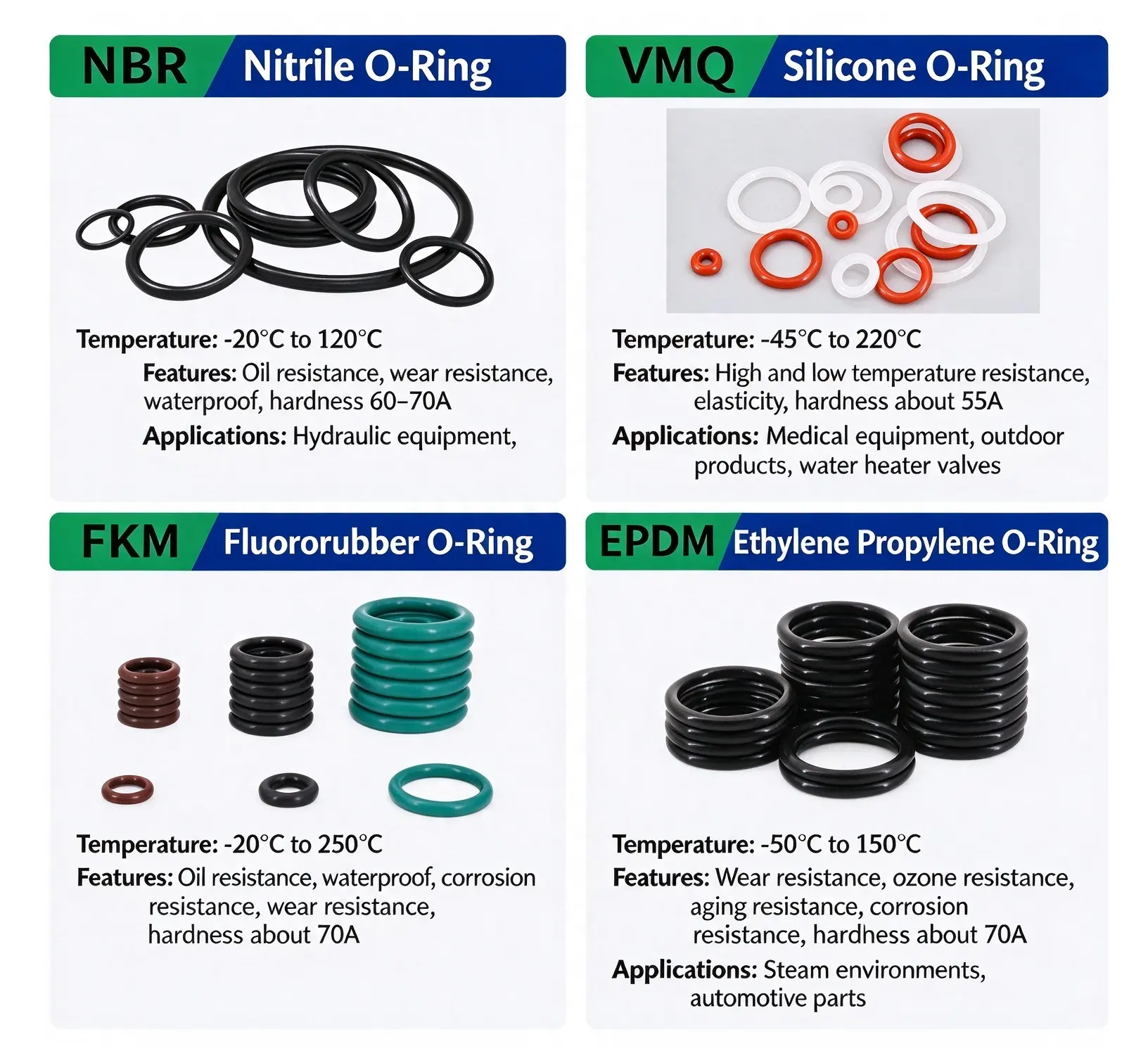
Common rubber O-rings (NBR ,EPDM,VMQ,FKM)
Brief Introduction:
This guide compares four common O-ring materials: FKM, VMQ, NBR and EPDM. FKM offers excellent heat and chemical resistance, making it suitable for fuels, oils and aggressive media. VMQ (silicone) provides a wide temperature range and good flexibility but limited oil resistance. NBR is the standard choice for oil and fuel sealing with good mechanical properties, while EPDM excels in water, steam and weather resistance but is not oil-resistant. Selecting the right material depends on the operating temperature, medium and sealing application.
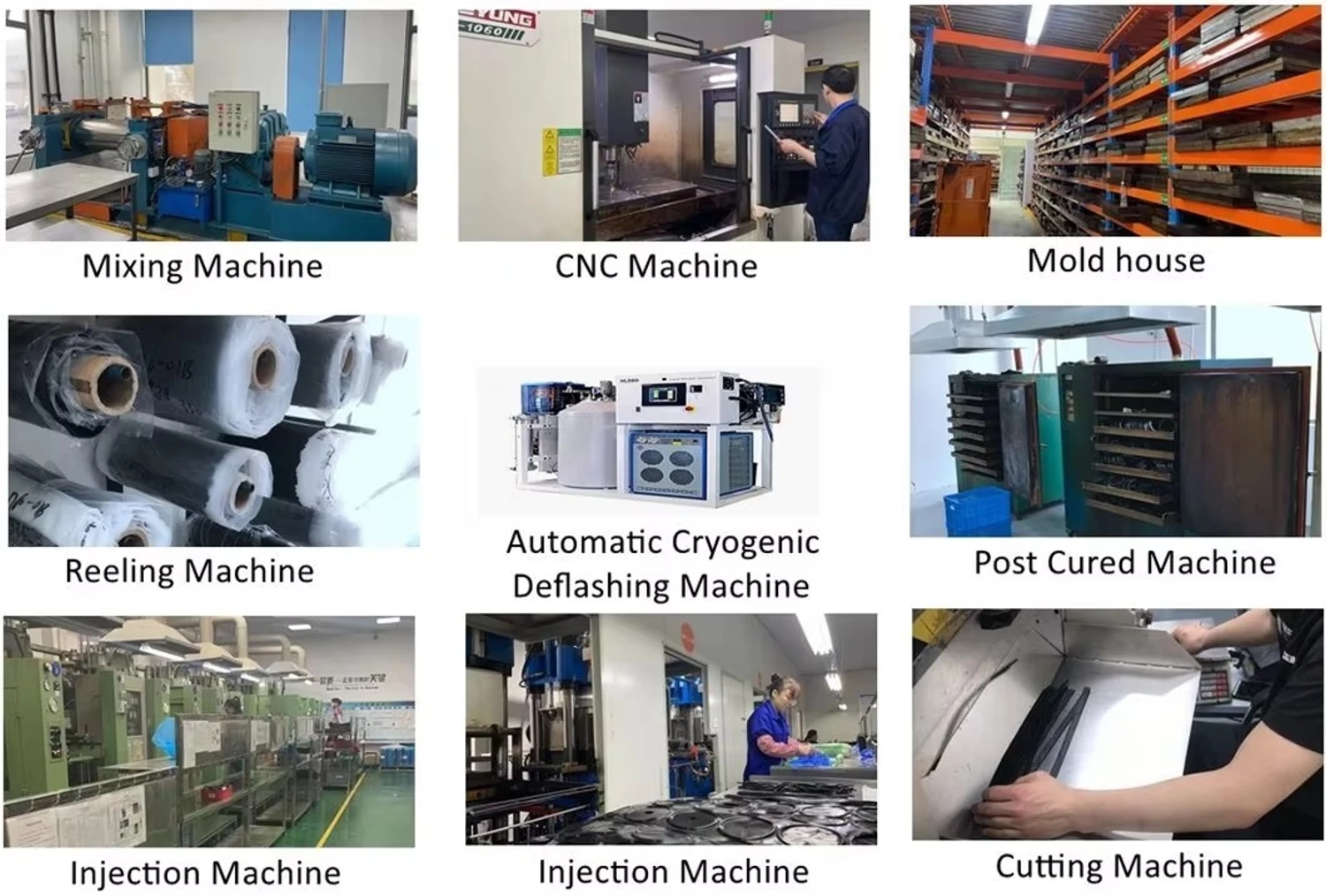
Our factory Production equipment
We are equipped with complete production facilities including mixing machines, CNC machines, injection molding machines, cryogenic deflashing machines and post-curing ovens. In-house mold making and automated workflows boost efficiency to support fast order delivery.
Verpackung / Zahlung / Versandservice
- PaketWir bieten Standardkartons, Paletten und Holzkisten an. Kundenspezifische Verpackungen sind auf Anfrage erhältlich, um die Waren bei verschiedenen Transporten optimal zu schützen.
- Zahlungsmethoden:Abrechnung in verschiedenen Währungen (CNY, USD, EUR usw.). Mehrere Zahlungsmöglichkeiten, darunter Banküberweisung und PayPal. Für schnellere Transaktionen ist in einigen Ländern auch eine lokale Banküberweisung möglich.
- Liefermethode:Wir bieten internationalen Express-, Luftfracht-, Seefracht- und Bahntransport an. Für flexible Lieferbedingungen können Sie auch Ihren eigenen Spediteur beauftragen.

Unsere mitgelieferten Gummidichtungen
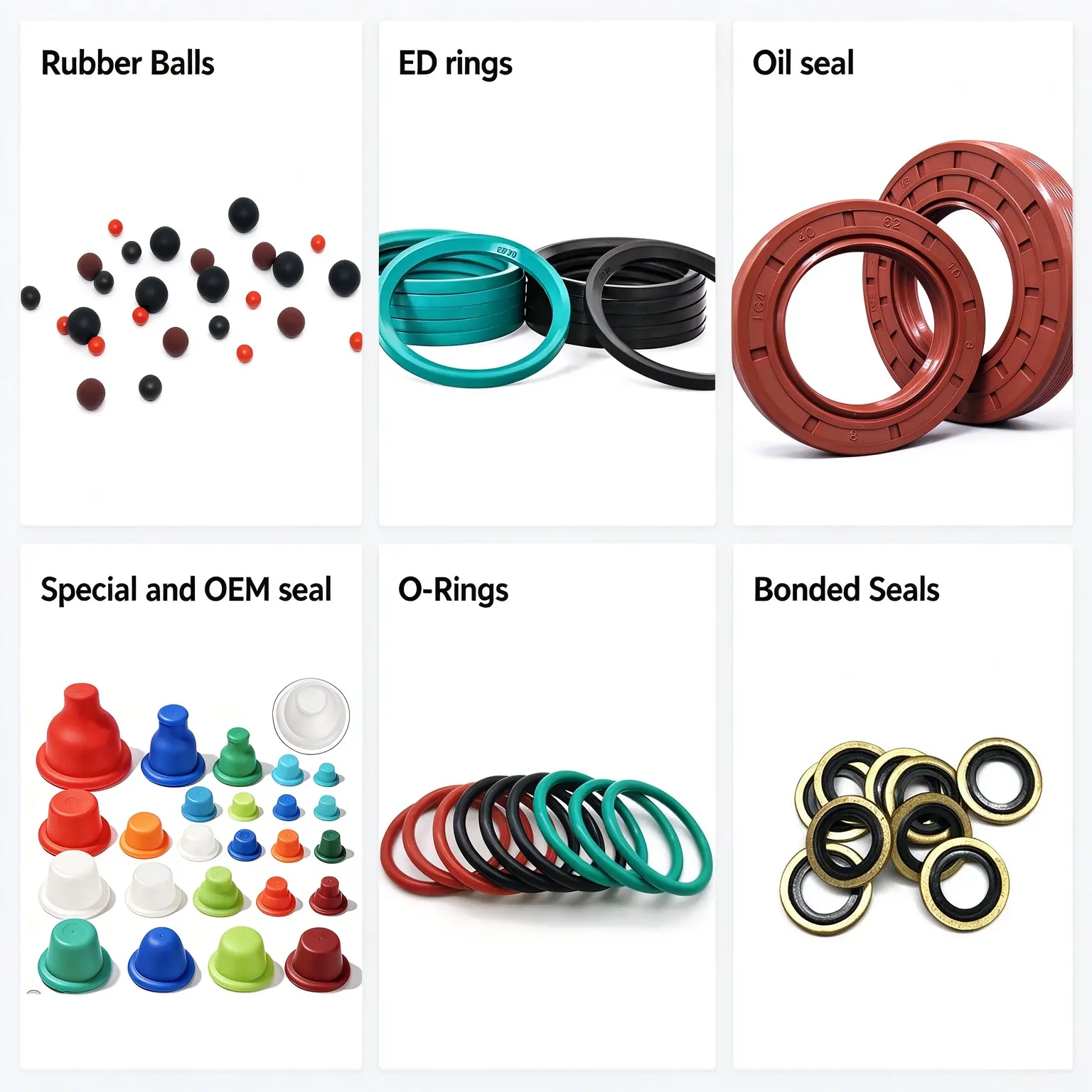
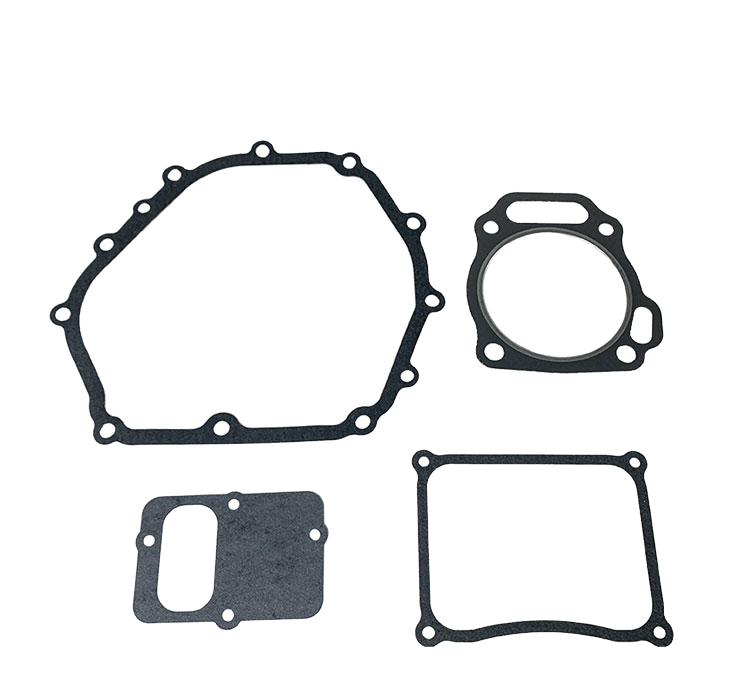
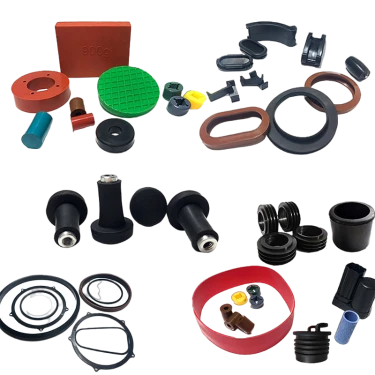
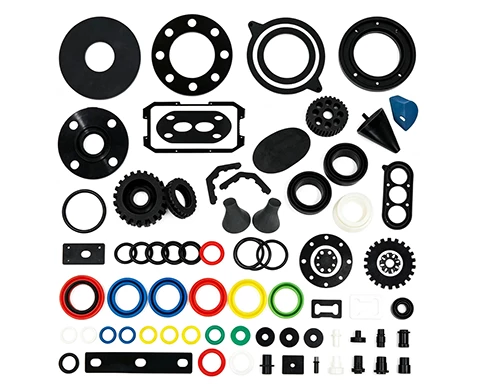
We manufacture a full range of sealing products: O-rings and X-rings in NBR, EPDM, FKM, FFKM, VMQ, HNBR; oil seals of various styles including TC, TG, VC, TB, TA, VB, SB, SA, VA, DC, HTC. We also supply ED seals, bonded seals, wiper seals, gaskets, washers, rubber balls, and custom special-shaped sealing profiles. Custom non-standard rubber seals are available to match your unique working conditions.
OEM- und ODM-Service
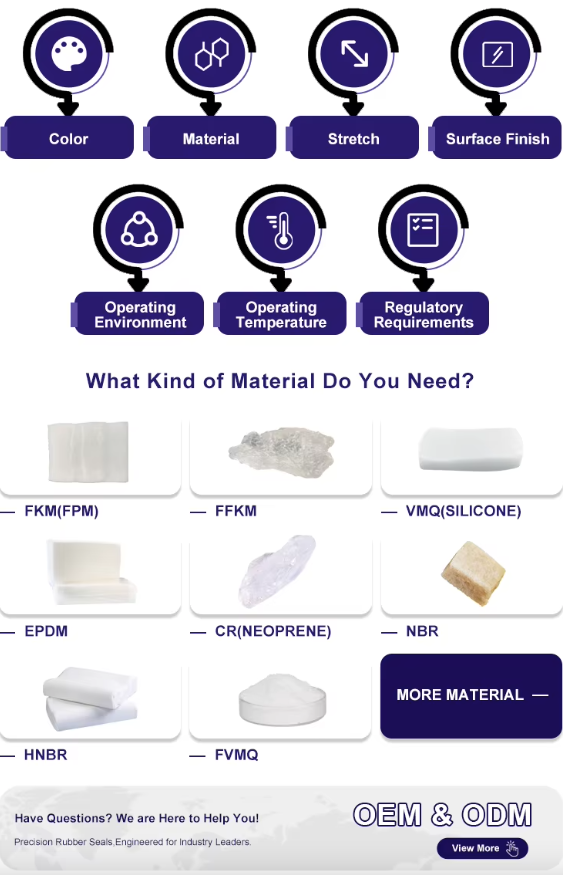
Wir unterstützen sowohl OEM- als auch ODM-Kooperationen. Im OEM-Bereich liefern Kunden Zeichnungen, Muster sowie Material- und Maßvorgaben. Wir fertigen nach Kundenspezifikation mit kundeneigener Verpackung – ideal für Aufträge mit klar definiertem Design. Im ODM-Bereich unterstützen wir Sie bei der Materialauswahl, der Anpassung der Gummimischung, der Formenentwicklung sowie der Auslegung von Größe und Härte gemäß Ihren Betriebsbedingungen. Wir bieten Private-Label-Produktion und sind damit die richtige Wahl für Kunden, die eine Komplettbetreuung von der Produktentwicklung bis zur Serienproduktion benötigen. Beide Modelle eignen sich für kundenspezifische Gummikugeln, O-Ringe und andere Dichtungsteile aus Gummi. Lieferzeit, Werkzeugkosten und Mindestbestellmenge werden projektbezogen individuell vereinbart.
 Häufig gestellte Fragen
-
What is the normal service temperature of NBR O-rings? Can they be used at 120°C for short periods?
NBR typically serves from about -40°C to +100°C, with short-term peaks up to around 120°C, but service life will be noticeably reduced. For long-term use above 100°C or in hot oil, consider a higher-temperature material such as FKM, and validate heat aging performance against the actual temperature, medium and compression ratio.
-
What is the maximum size of molded parts you can produce?
Our 350-ton molding press supports large-size molding, with a maximum part dimension of 102” × 72” for oversized rubber and polyurethane components.
-
Gegen welche Medien sind NBR-O-Ringe beständig, und gegen welche Medien werden sie nicht empfohlen?
NBR weist eine gute Beständigkeit gegenüber Mineralölen, Schmierölen, Hydraulikölen, Diesel, Benzin und vielen Fetten auf. Es ist nicht geeignet für Ketone (Aceton, MEK), Ester, aromatische Kohlenwasserstoffe (Benzol, Toluol), starke Säuren, starke Laugen, stark oxidierende Medien oder langfristige Ozon-/Außenbelastung. Für solche Medien sollten FKM, EPDM, PTFE oder andere geeignete Materialien in Betracht gezogen werden.
-
What is the common hardness of NBR O-rings, and how should hardness be selected?
70 Shore A is the most common hardness, with 50–90 Shore A generally available. Lower hardness can improve contact in low-pressure static sealing; higher hardness is preferred for high-pressure, dynamic sealing or extrusion-resistant applications, together with backup rings or adjusted groove clearance. Hardness tolerance is usually controlled at ±5 Shore A.
-
What is the typical compression set of NBR O-rings?
Compression set depends on compound, hardness and test conditions. For a general-purpose 70 Shore A NBR, typical values under ASTM D395 at 70 h/100°C are about 20%–35%, and low-compression-set grades can be lower. Sealing applications should be validated against the actual compression ratio, temperature and time rather than judged by material grade alone.
-
What standards apply to NBR O-ring dimensional tolerances, and how are non-standard sizes handled?
Common standards include GB/T 3452.1, ISO 3601-1 and AS568. Standard parts should be checked against the cord diameter and inside diameter tolerances in the applicable standard; for non-standard sizes, cord diameter, inside diameter tolerance and roundness requirements should be separately agreed in drawings or technical agreements. For incoming inspection, cord diameter tolerance should be controlled first because it directly affects compression and sealing performance.
-
What should be noted during installation and storage of NBR O-rings?
Before installation, clean the groove and sealing surface, apply a lubricant compatible with NBR if needed, and avoid twisting, scratching or excessive stretching. Groove design should provide a static sealing compression ratio of about 15%–25% and a dynamic sealing compression ratio of about 10%–15%. Store in a dark, cool place away from ozone, motors and direct sunlight; keep original packaging unopened at room temperature and follow first-in, first-out.
-
Was sind die häufigsten Ausfallursachen von O-Ringen und wie lassen sie sich erkennen?
- Druckverformung: Abflachung des Querschnitts und der Kontaktflächen durch Hitze oder übermäßigen Druck; - Extrusion (Ausfransen): Ausgefranste, zerfetzte Kanten auf der Niederdruckseite durch zu großes Spiel oder zu hohen Druck; - Spiralbruch: 45°-Spiralrisse an der Oberfläche, häufig bei Kolben mit langem Hub, wenn Teile gleichzeitig gleiten und rollen; - Abrieb: Zerkratzte/abgenutzte Oberflächen durch raue Passflächen oder mangelhafte Schmierung; - Chemische Einwirkung: Quellen, Reißen oder Erweichen durch unverträgliche Medien.
Verwandte Produkte
Wir haben ein vielfältiges Portfolio an Produktlösungen entwickelt, um unterschiedlichen Märkten und Bedürfnissen gerecht zu werden.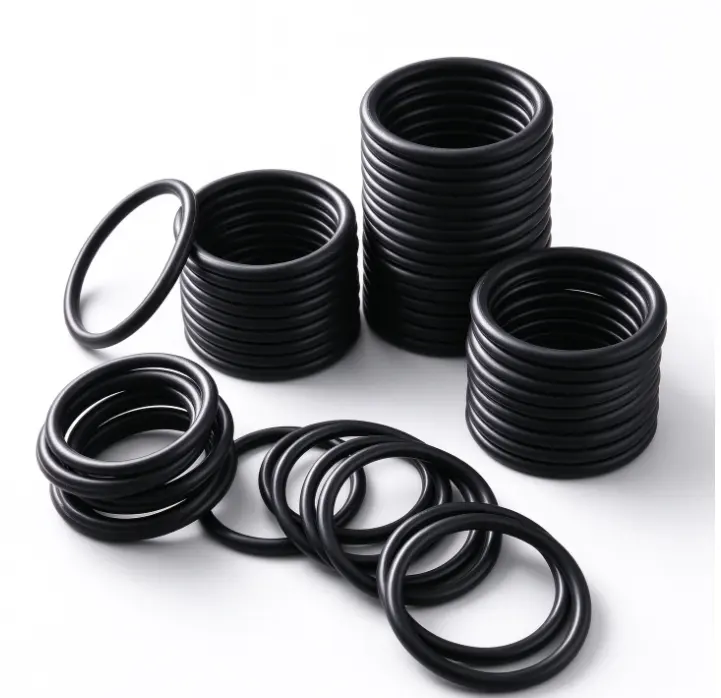

Willkommen