






-
Material options for real operating conditions. Choose oil-resistant, high-temperature, or chemical-resistant rubber based on the fluid, temperature, and pressure your equipment sees.
-
Reliable sealing where leaks are costly. Our O-rings help keep oil, gas, water, and other fluids contained in pipelines, valves, pumps, and equipment.
-
Built for tough service conditions. They are made to hold their seal under high pressure, heat, and corrosive fluids, helping reduce leaks and avoid unnecessary downtime.
-
Custom support from sample to order. We offer custom sizes, material selection, small batch orders, and fast samples, with each order labeled by material and production date for easy checking.
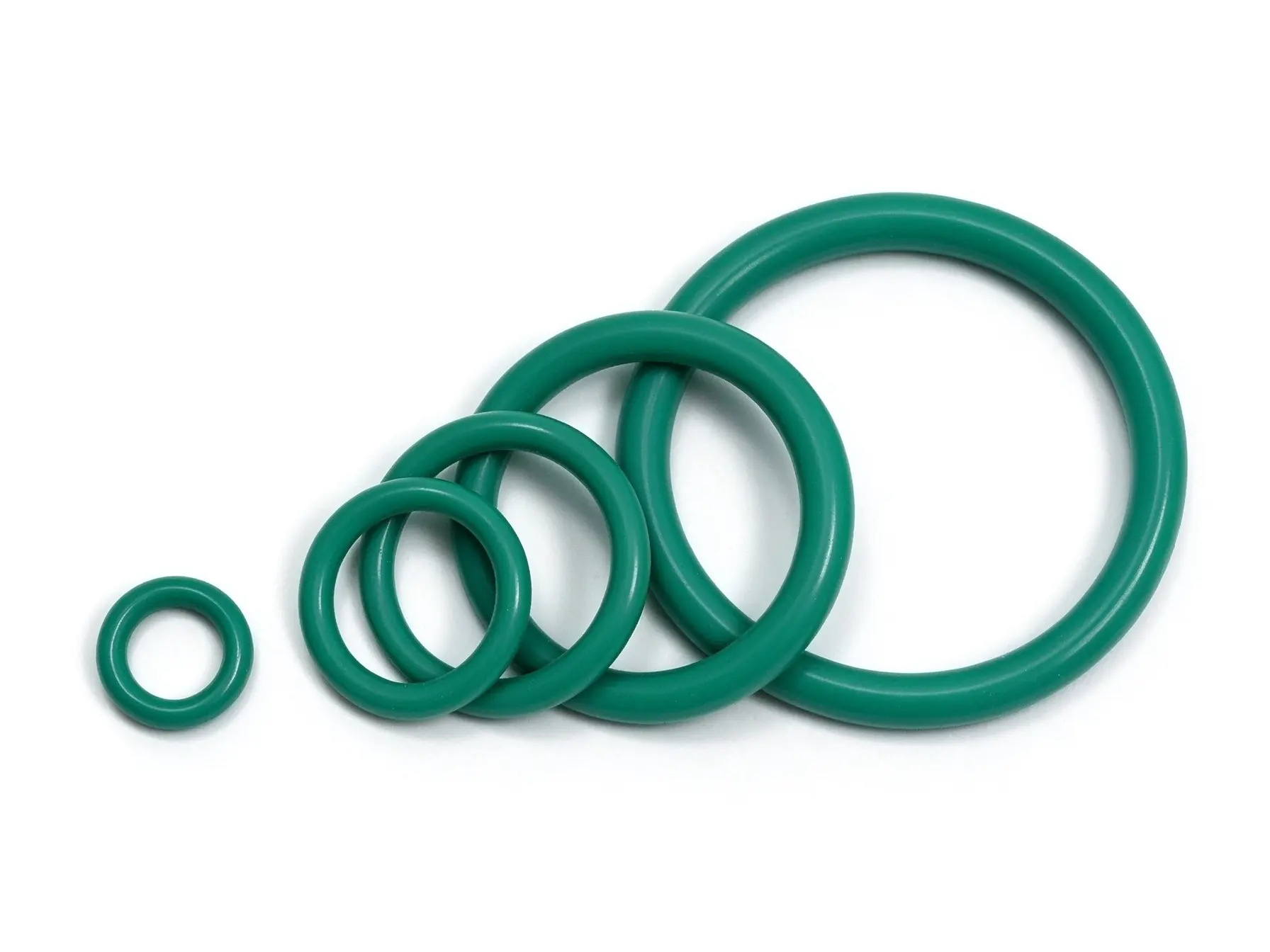
Juntas tóricas de goma
Fábrica de juntas tóricas de caucho para la industria del petróleo y el gas
- Descripción
- Descargar
-
Descripción del Producto
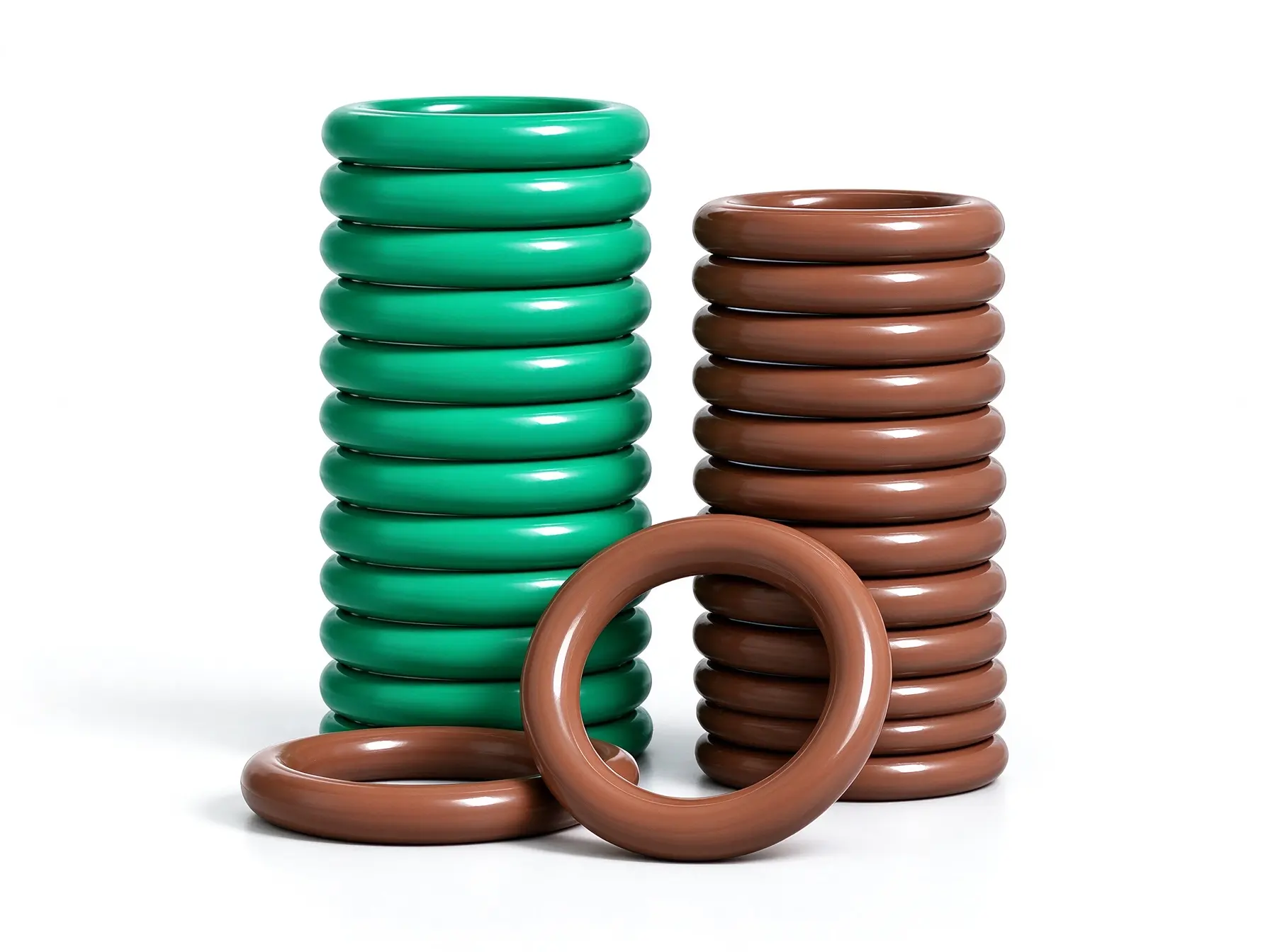
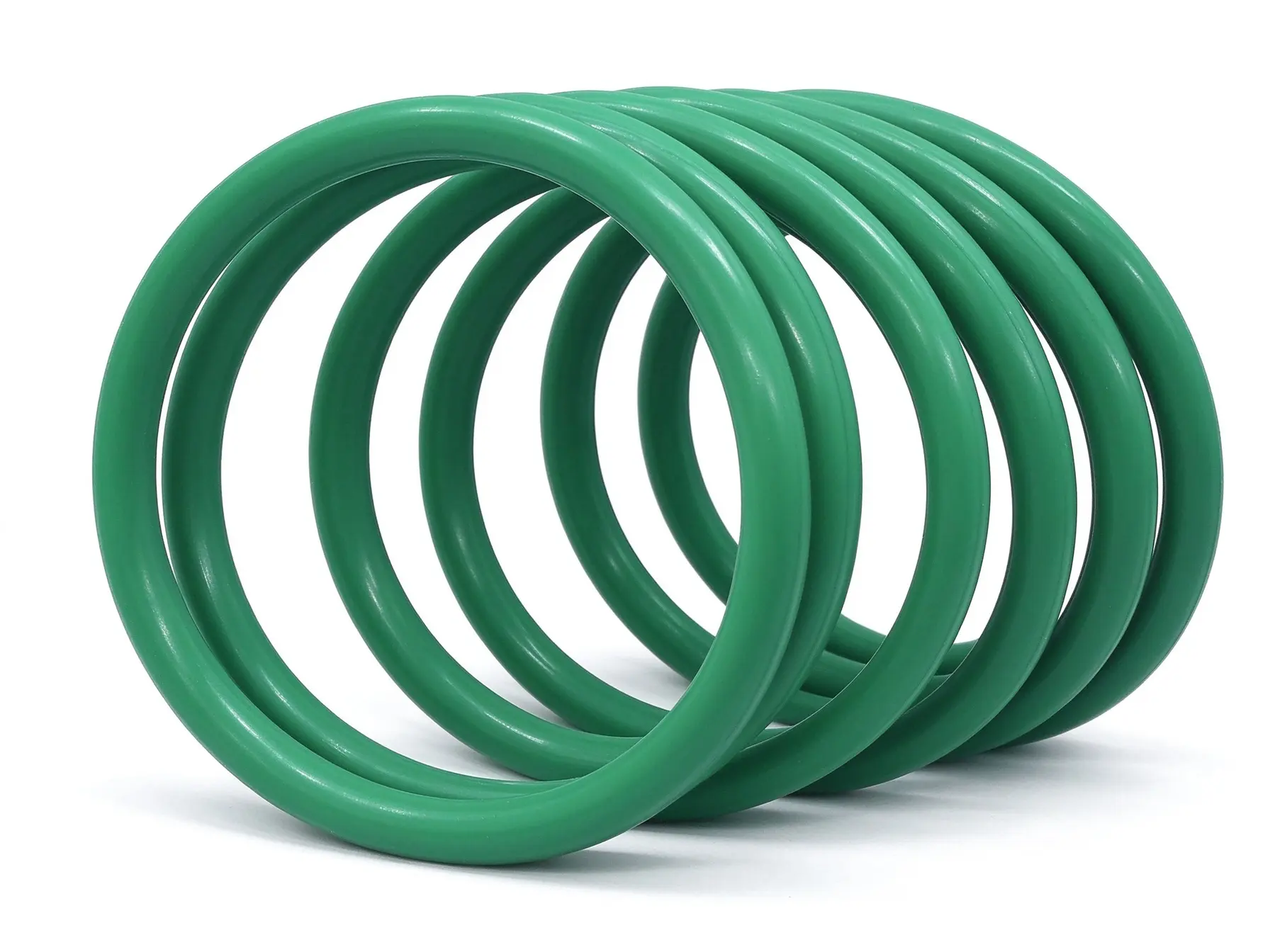
JINNAI SEAL manufactures high-performance Oil and Gas Industrial Rubber O Rings for drilling equipment, downhole tools, wellhead systems, valves, pumps, and oilfield machinery. Designed for demanding oilfield environments, our oilfield O-ring seals provide reliable sealing against oil, gas, hydraulic fluids, and various industrial media.
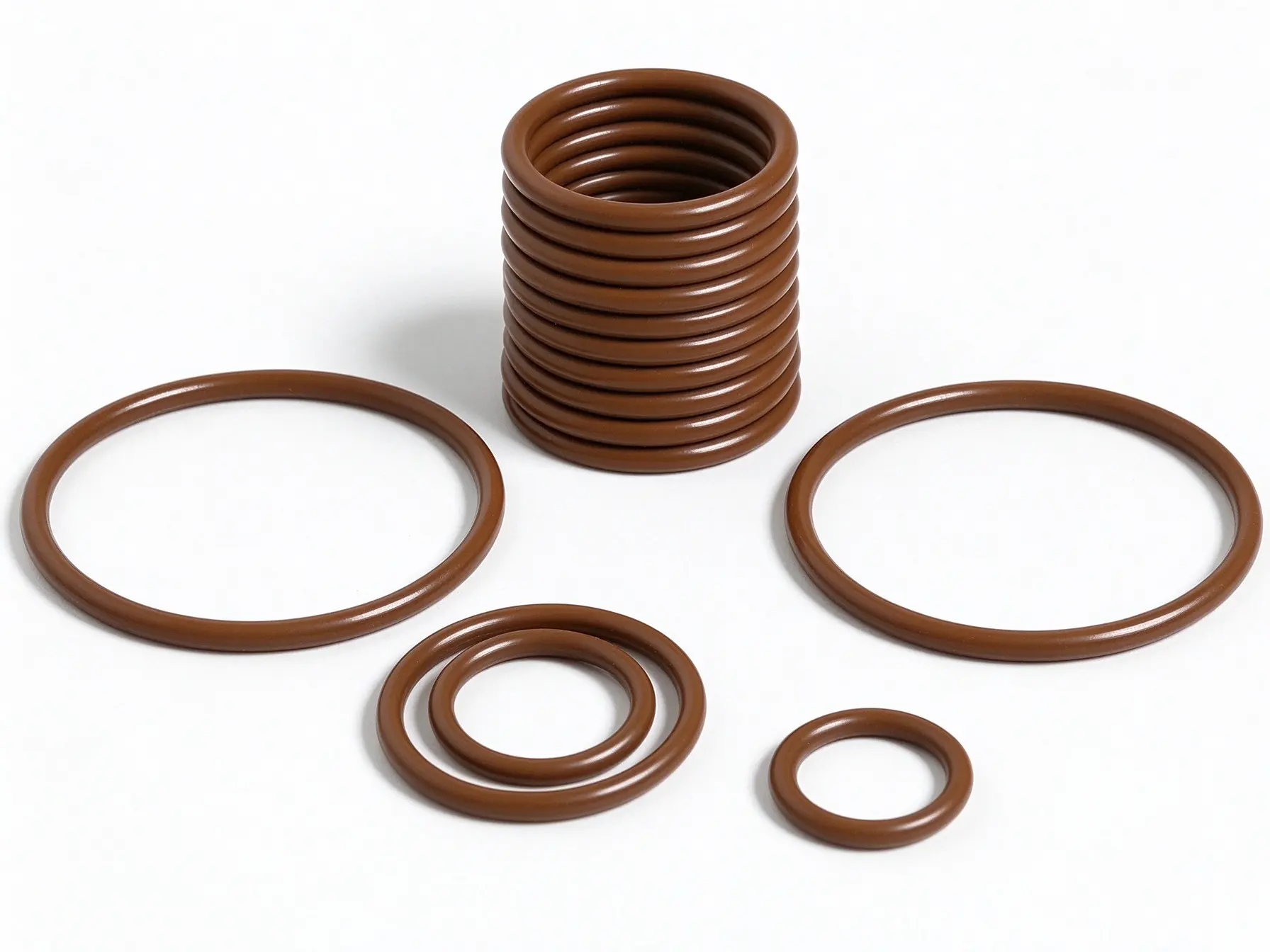
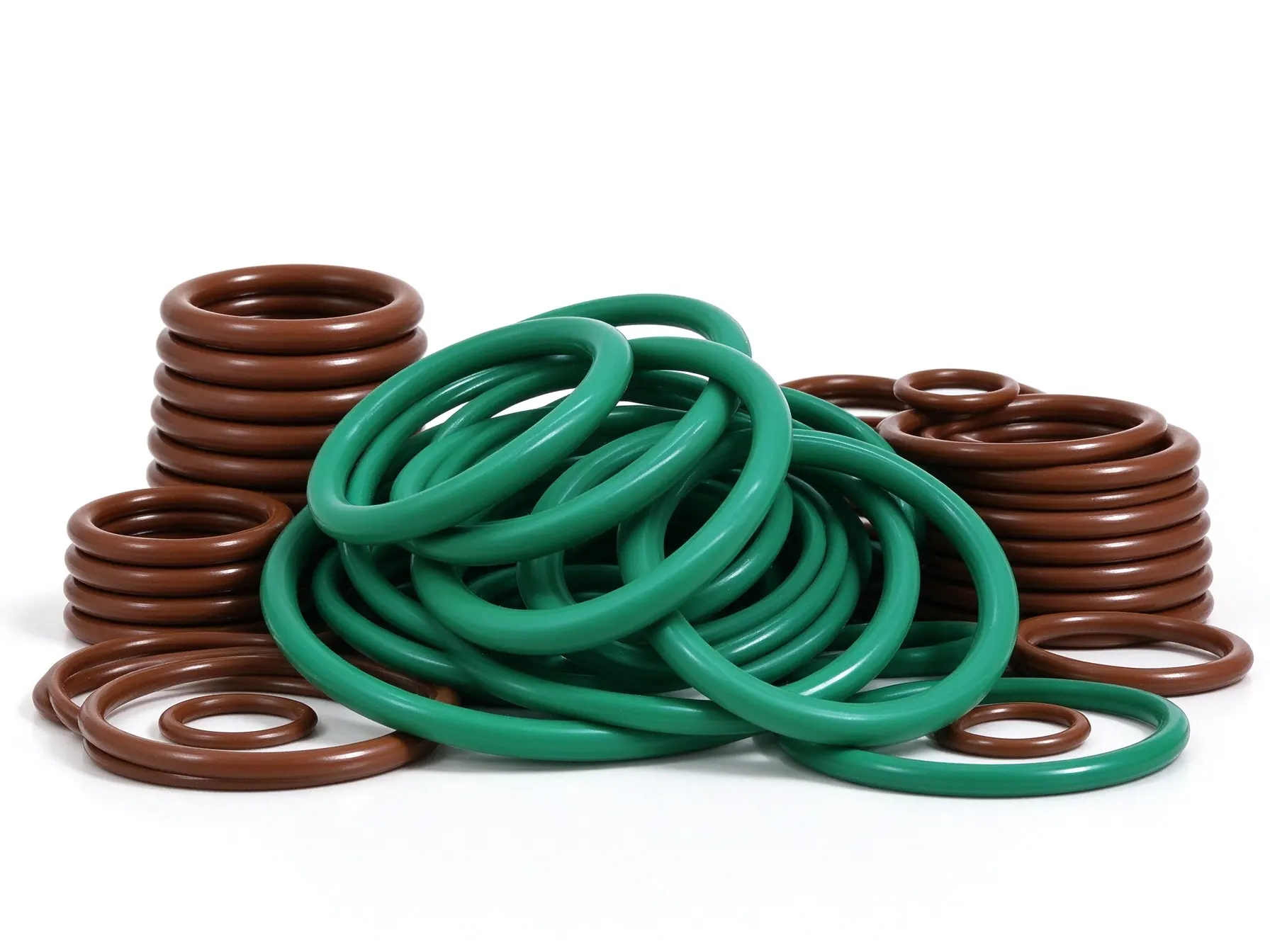
Available in NBR, HNBR, FKM, and other application-specific rubber compounds, our custom O-rings can be manufactured in different sizes, hardness levels, and specifications to meet specific operating requirements. We support OEM and custom oilfield rubber O-ring manufacturing based on customer drawings, samples, and technical requirements.
Key Performance Requirements for Oil and Gas O-Rings
- High Pressure Resistance – Designed for demanding pressure conditions.
- Resistencia a altas temperaturas – Maintains sealing properties under elevated temperatures.
- Oil & Chemical Resistance – Resists exposure to petroleum products and selected oilfield chemicals.
- Extrusion Resistance – Helps reduce seal damage in high-pressure applications.
- Rapid Gas Decompression Resistance – Specially formulated compounds can help resist damage caused by rapid gas pressure changes.
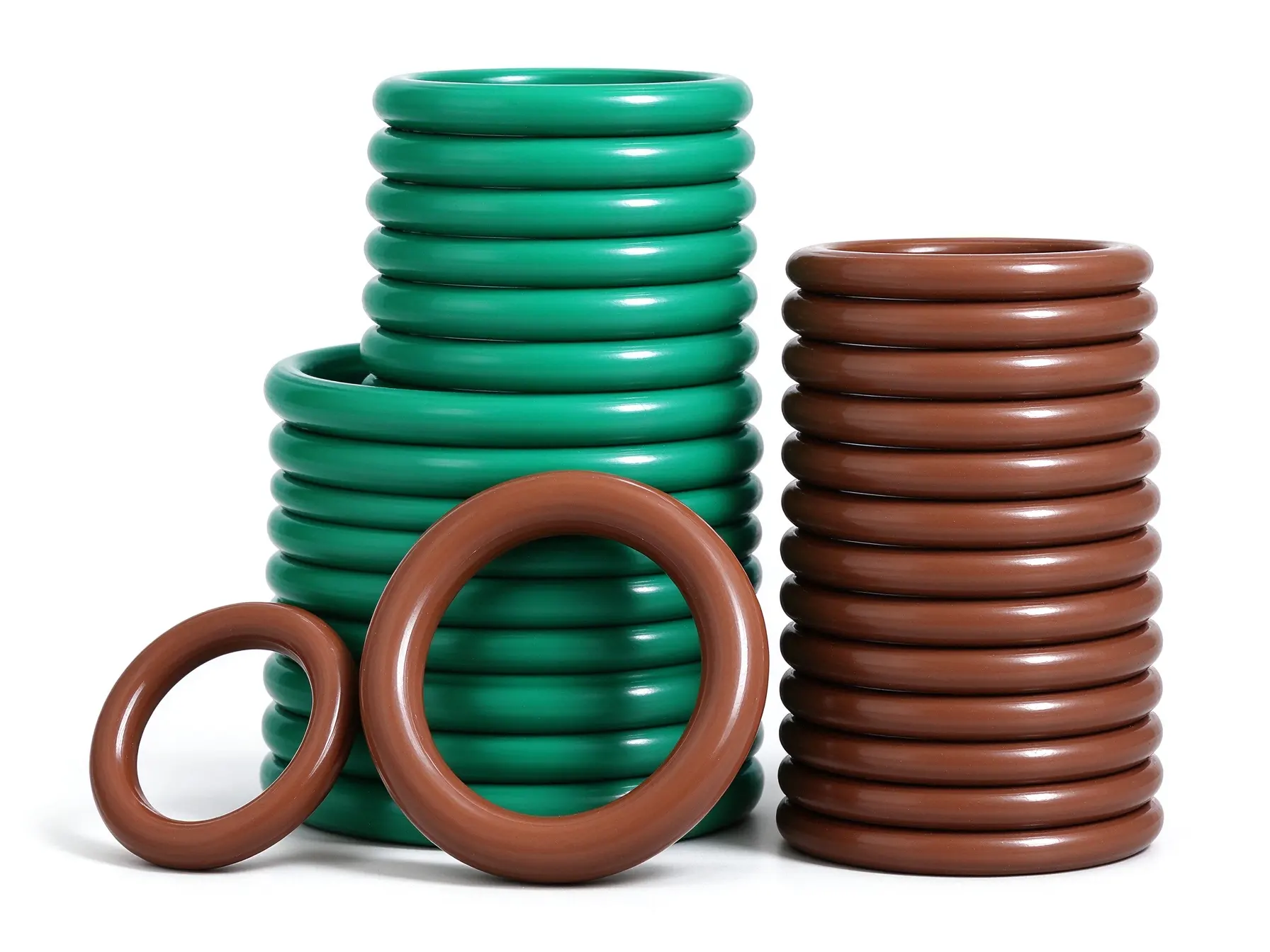
Artículo Especificación Nombre del producto Oil & Gas Rubber O-Rings Material NBR, HNBR, FKM, EPDM Dureza Custom Shore A Forma Sección transversal circular Tamaño Tamaños estándar y personalizados Working Conditions Application-Specific Pressure & Temperature Fabricación Moldeo por compresión/inyección Personalización OEM & ODM Available O-Ring Temperature Range
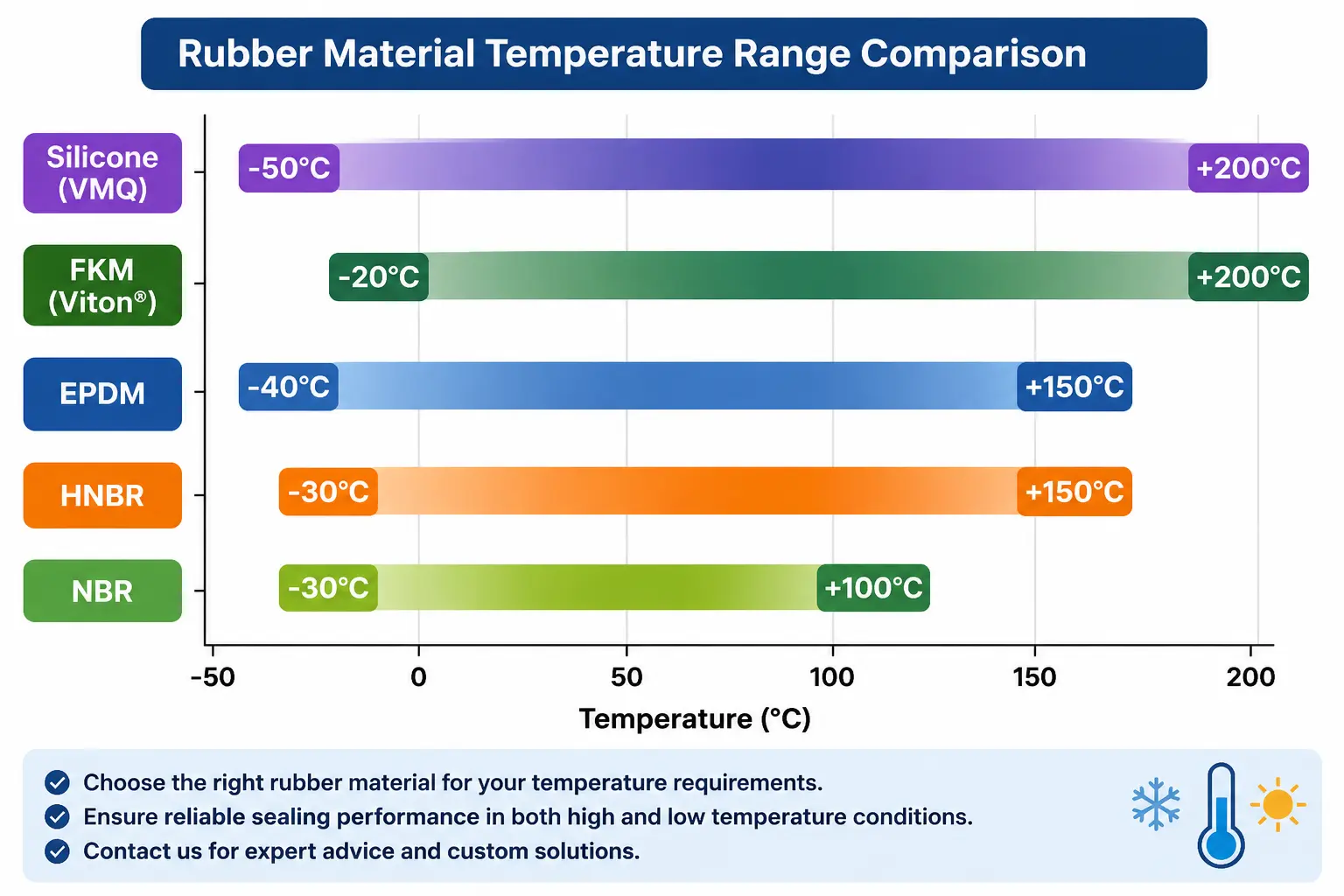
The operating temperature range of an O-ring depends on its rubber material, compound formulation, and application conditions. JINNAI SEAL offers NBR, EPDM, HNBR, FKM, and silicone O-rings for different temperature requirements. Selecting the right rubber material helps maintain elasticity, prevent premature aging, and ensure reliable sealing performance under high and low temperature conditions.
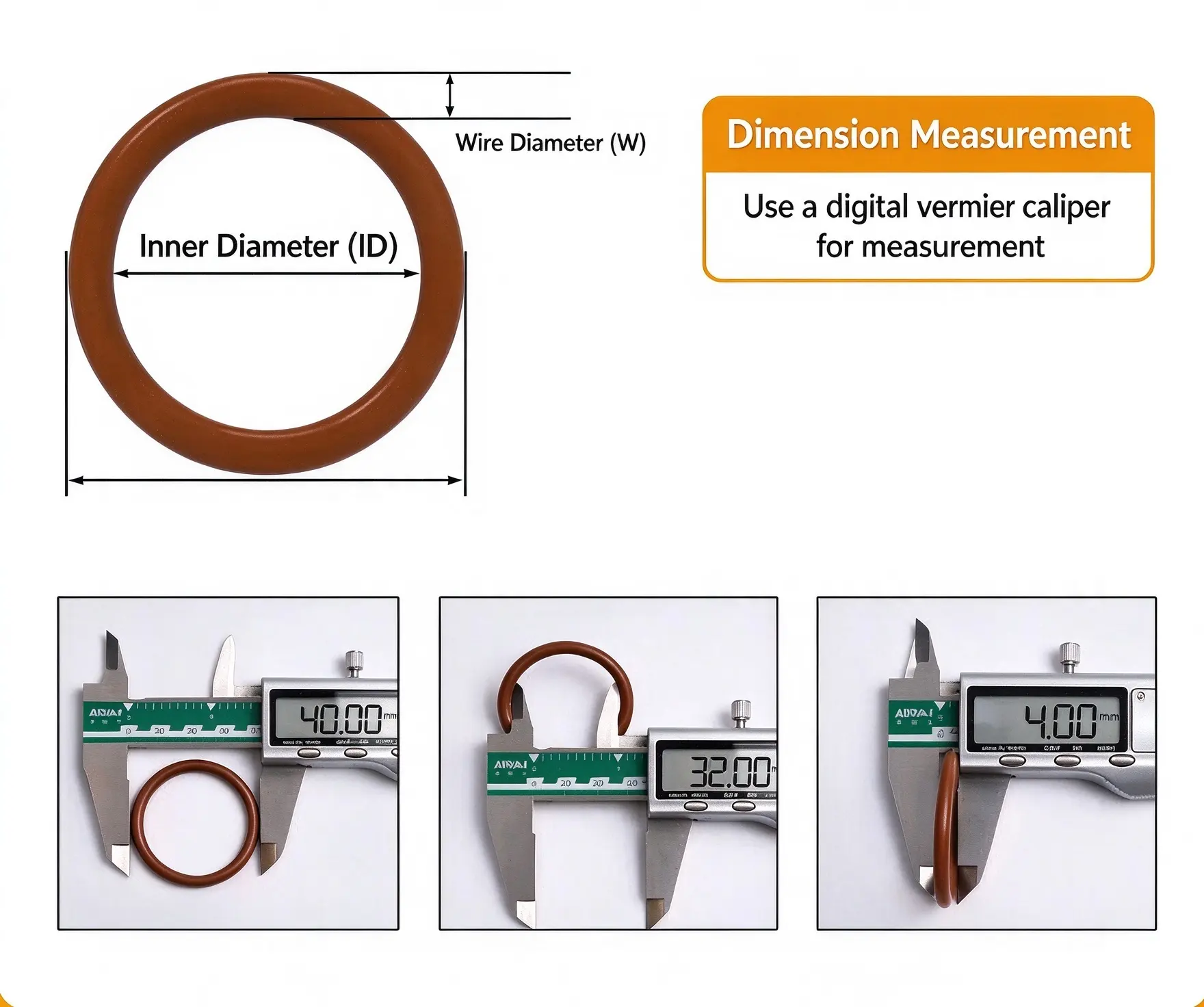
O Ring Measurement Guide
1. No mida las juntas tóricas con una regla.
2. Utilice un calibrador para obtener con precisión el diámetro interior (DI), el diámetro exterior (DE) y la sección transversal (SC).
3. Las juntas tóricas de goma se deforman fácilmente. Una medición precisa garantiza un ajuste adecuado y evita fugas.
Aplicaciones típicas
1. Oilfield Drilling Equipment
Rubber O-rings provide reliable sealing for oilfield drilling machinery, drilling rigs, and drilling tools exposed to demanding operating conditions.2. Downhole Tools & Completion Equipment
Custom downhole O-rings are used in drilling tools and well completion systems to help prevent fluid leakage under high pressure and temperature.3. Wellhead Equipment & Valve Systems
Oilfield valve seals and wellhead O-rings help maintain pressure integrity and prevent leakage in critical oil and gas control equipment.4. Oil & Gas Pumps and Compressors
NBR, HNBR, and FKM O-rings are selected for pump and compressor sealing applications involving petroleum fluids, lubricants, and elevated temperatures.5. Hydraulic Systems & Fluid Control Equipment
Hydraulic rubber O-rings seal connections, cylinders, and fluid control components to reduce leakage and maintain system pressure.6. Pipeline Connections & Processing Equipment
Industrial rubber seals are used in pipeline fittings, processing units, and fluid transfer systems to support reliable leak prevention.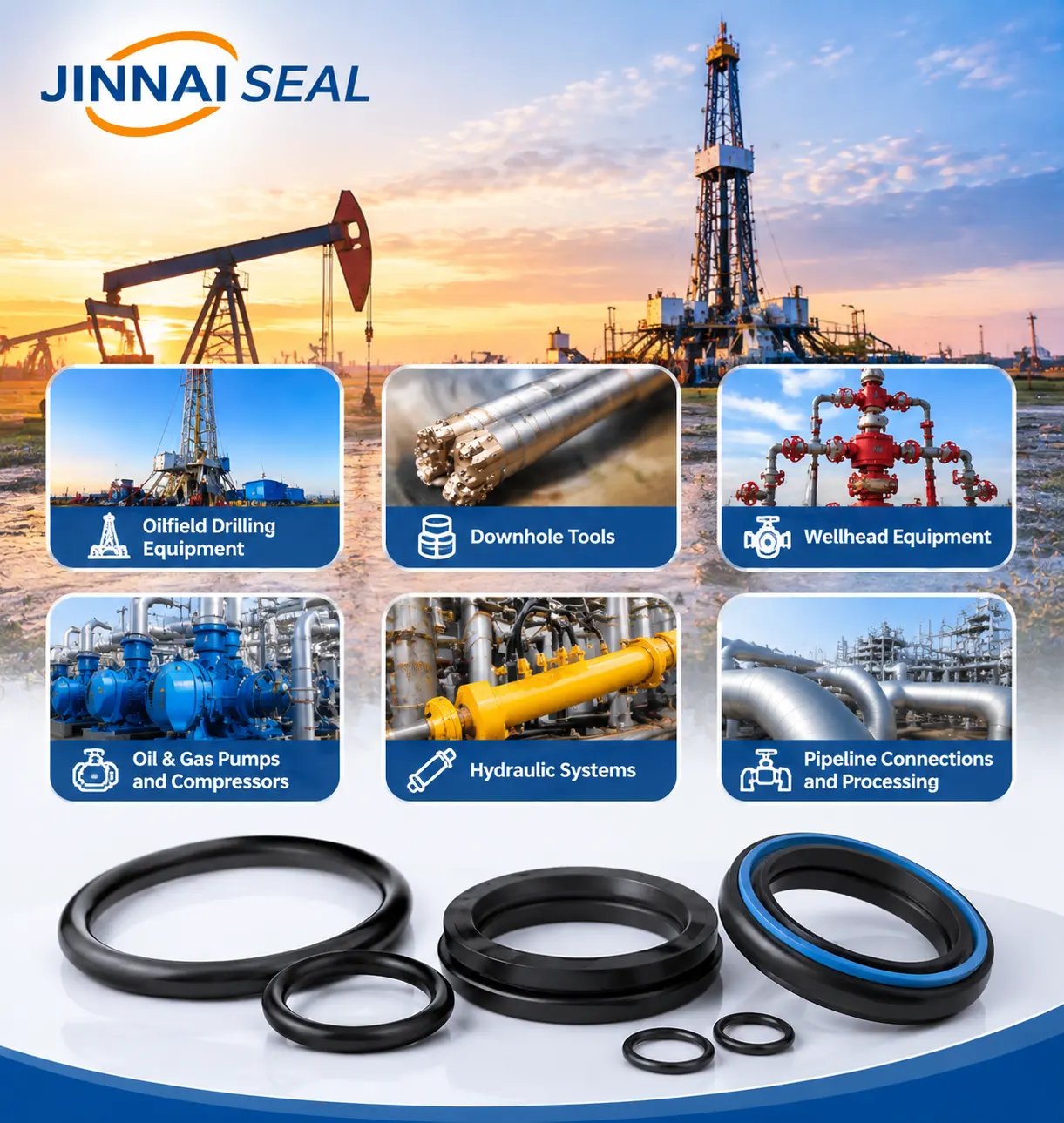
Servicio de embalaje, pago y envío
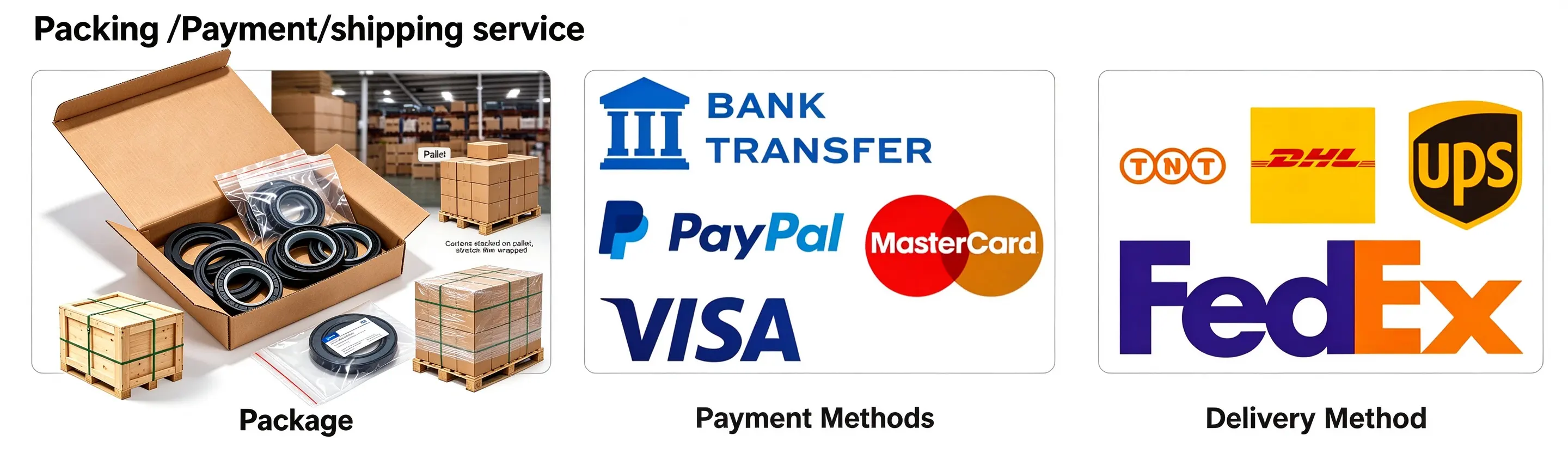
- PaqueteOfrecemos cajas de cartón estándar, palets y cajas de madera. Si lo desea, podemos ofrecerle embalaje personalizado para proteger sus productos durante los diferentes envíos.
- Métodos de pago:Liquidación en múltiples divisas (CNY, USD, EUR, etc.). Diversas opciones de pago, incluyendo transferencia bancaria y PayPal. Para transacciones más rápidas, se ofrece transferencia bancaria local en algunos países.
- Método de entrega:Ofrecemos transporte exprés internacional, transporte aéreo, marítimo y ferroviario. También puede designar a su propio agente de transporte para una mayor flexibilidad en las entregas.
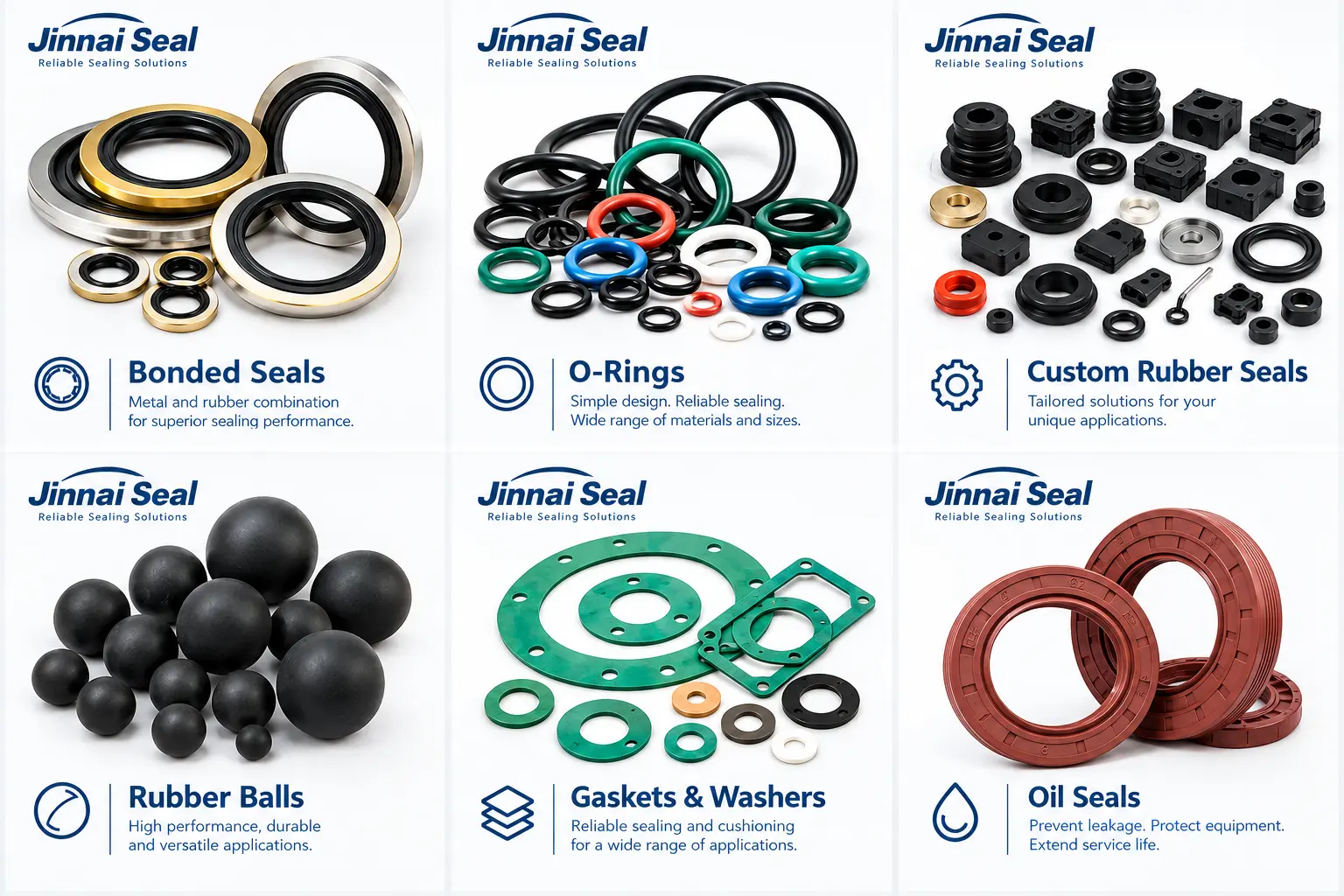
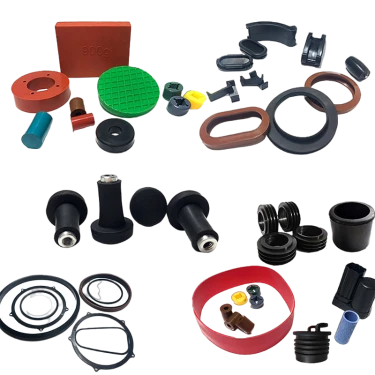
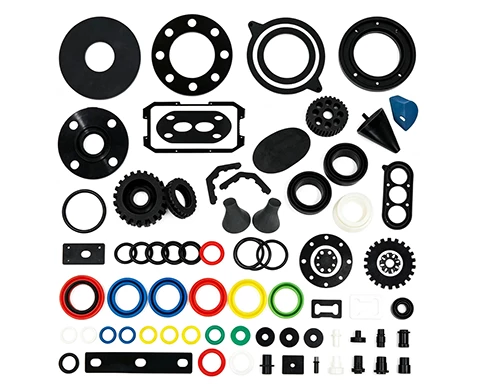
Jinnai Seal le ofrece diferentes juntas de goma para que elija la que mejor se adapte a sus necesidades.
Jinnai Seal ofrece una gama completa de soluciones de sellado industrial, que incluyen sellos adhesivos, juntas tóricas, sellos de goma a medida, bolas de goma, juntas y arandelas, y retenes de aceite. Ofrecemos una amplia selección de materiales, tamaños y diseños personalizados para satisfacer las diversas necesidades de cada aplicación.
Nuestros productos están diseñados para ofrecer un rendimiento de sellado fiable, durabilidad y fiabilidad a largo plazo en equipos industriales, sistemas mecánicos y aplicaciones de sellado de fluidos.
Servicio OEM y ODM
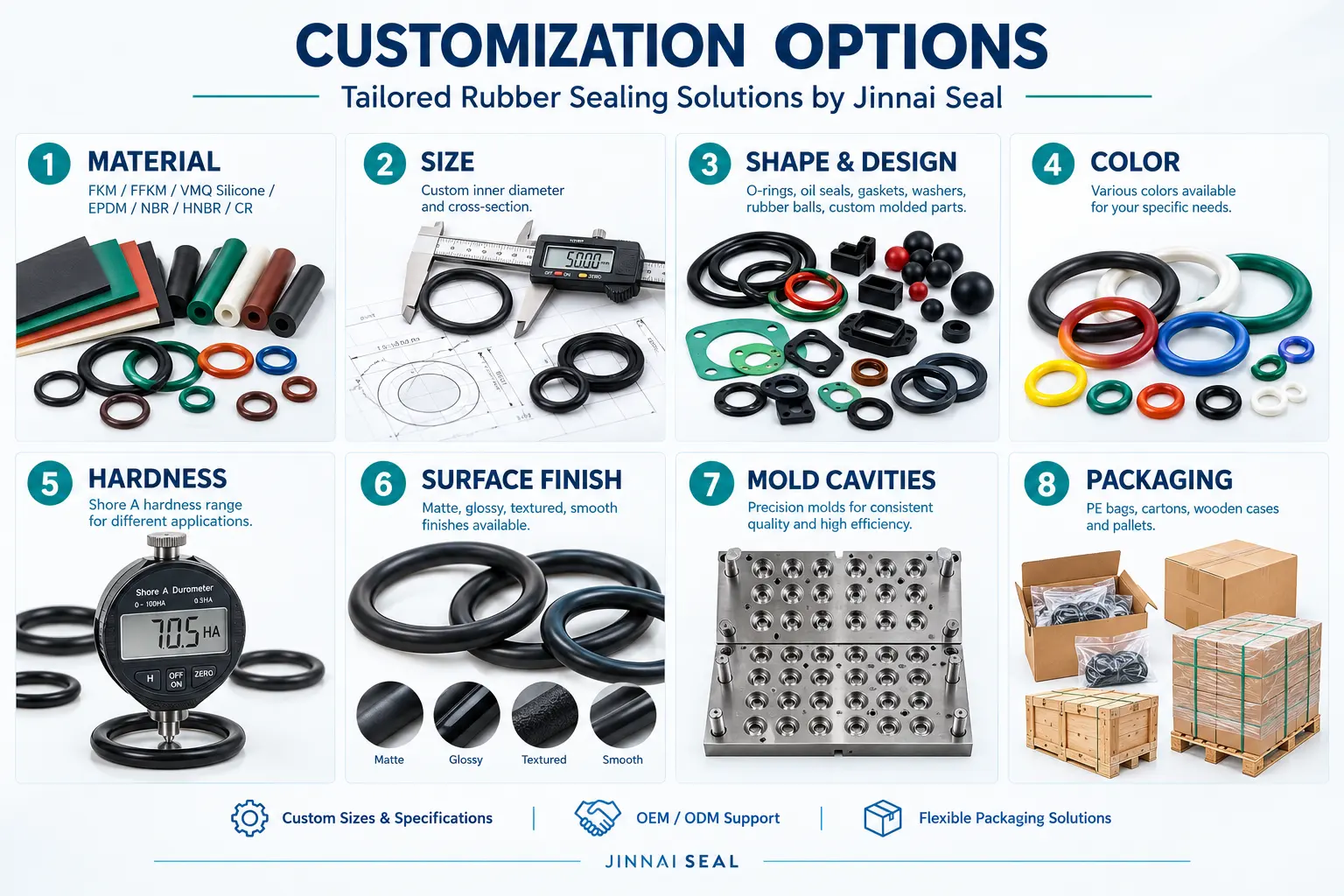
Ofrecemos servicios de colaboración OEM y ODM. En el modelo OEM, los clientes proporcionan planos, muestras, materiales y especificaciones dimensionales, y nosotros fabricamos según sus especificaciones con embalaje personalizado, ideal para pedidos con un diseño claramente definido. En el modelo ODM, participamos en la selección de materiales, el ajuste de compuestos, el desarrollo de moldes, el diseño de tamaño y dureza según las condiciones de operación del cliente, y ofrecemos producción de marca blanca, ideal para clientes que requieren soporte integral desde el desarrollo del producto hasta la producción en masa. Ambos modelos están disponibles para bolas de goma, juntas tóricas y otras piezas de sellado de goma personalizadas, con plazos de entrega, costes de utillaje y cantidad mínima de pedido (MOQ) confirmados para cada proyecto.
 Preguntas frecuentes
-
How do we know if the material was wrong or the size was wrong?
A material problem usually shows as hardening, softening, swelling, or a sticky/ crumbly surface after exposure to the fluid. A size or groove problem tends to produce a flattened cross-section, cuts on one side, or repeated leakage at the same location even after replacement. Before reordering, record the failure appearance and the actual groove depth and width — an old, stretched O-ring measured directly will give a misleading size.
-
Which rubber should we choose for oil service versus gas service?
For oil and fuel contact, NBR is the cost-effective baseline; FKM or HNBR is specified when temperatures exceed roughly 120–150°C or when the fluid contains aggressive additives. For high-pressure gas, RGD resistance becomes the deciding factor, not just oil resistance — a standard NBR or general-purpose FKM may pass oil testing but blister in gas depressurization cycles. FFKM is reserved for the most aggressive chemical or temperature combinations where FKM reaches its limit.
-
What is rapid gas decompression, and why do standard O-rings blister in gas service?
Under high gas pressure, gas molecules dissolve into the rubber. When pressure drops quickly, that dissolved gas expands inside the seal before it can escape, causing internal bubbles, surface blistering, and cracks that can rupture the O-ring from within. This is not visible in a standard compression-set or hardness test, which is why gas-service compounds must be evaluated specifically for RGD resistance rather than judged by generic “oil and gas grade” claims.
-
Can you supply custom sizes, and what information do you need to quote?
Yes — custom inner diameters and cross-sections can be molded from a drawing, alongside standard AS568 and ISO 3601 sizes. To quote accurately, send the groove geometry (depth and width), the fluid or gas composition, the operating temperature range, and the target hardness if already defined; material recommendation can follow from those inputs rather than from a generic compound name. Low-volume or trial quantities should be stated upfront, since tooling and minimum order requirements vary by size and compound.
-
What are typical sample and production lead times, and how is the supplied batch kept consistent with the approved sample?
Sample timing depends on whether the size is standard or requires new tooling — standard samples can move quickly, while custom prototypes and tooling typically add several days to two weeks. For production, the key procurement safeguard is lot traceability: each batch should be labeled with the compound name, cure date, hardness, and color so incoming inspection can match the delivered seal to the sample that was approved, rather than relying on a visual “same-looking” comparison.
-
What Is the Best O Ring for High Temperature?
The honest answer is that there is no single “best” high-temperature O-ring material — the right choice depends on how hot, for how long, and in contact with what. A material that is perfect for dry heat in air will fail quickly in steam, and the material with the highest temperature ceiling is often the wrong commercial decision if a cheaper option meets the actual duty cycle.
-
How Long Do O-Rings Last?
There is no single answer — an O-ring’s life depends on the rubber compound, the fluid or gas it seals, temperature, pressure cycling, and whether it is static or moving. The useful distinction is between shelf life (before installation) and service life (in the equipment).
Productos relacionados
Hemos desarrollado una cartera diversa de soluciones de productos para adaptarnos a diferentes mercados y necesidades.-
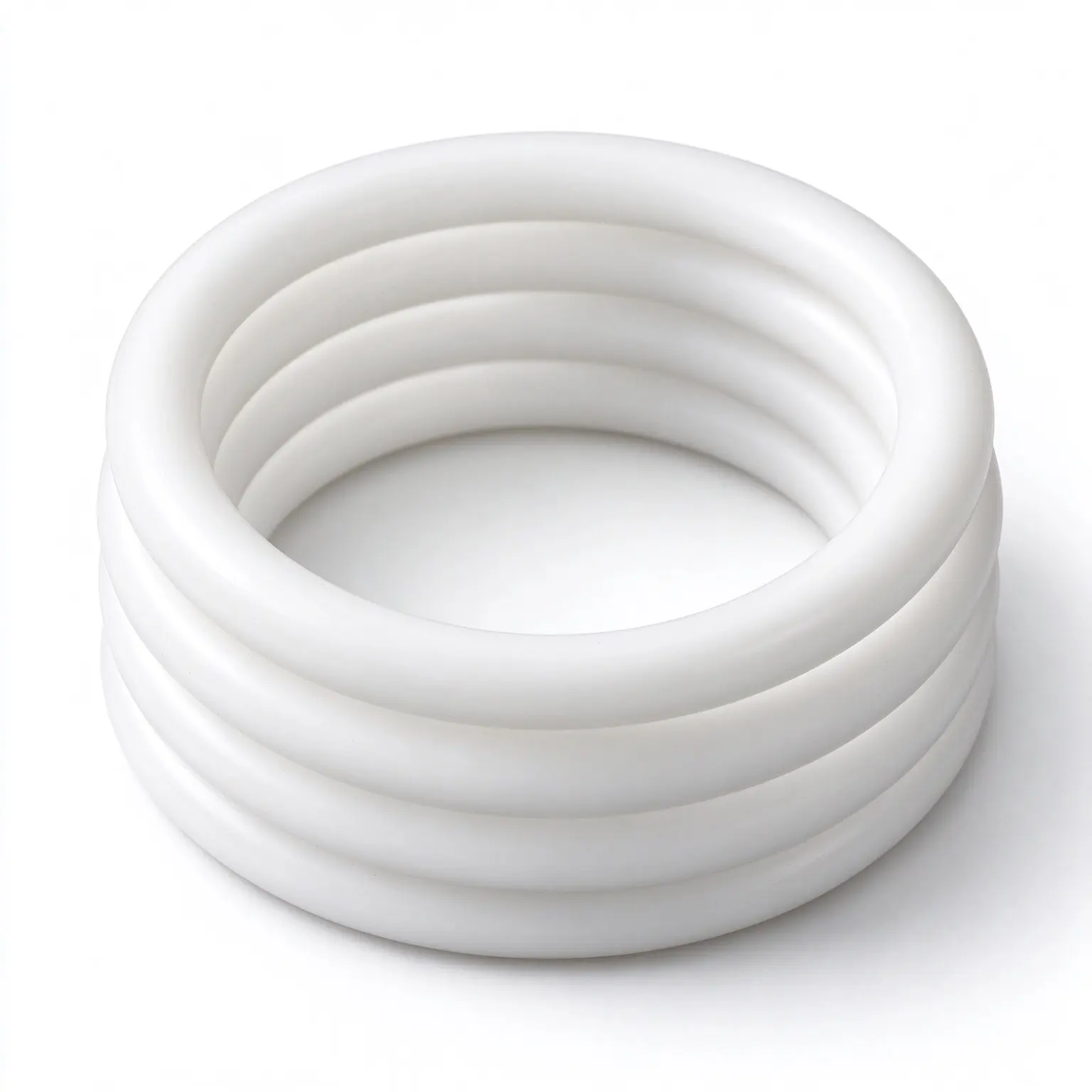
Juntas tóricas de PTFE de grado alimenticio para el sellado de equipos de envasado y llenado de productos lácteos.
Más información

-
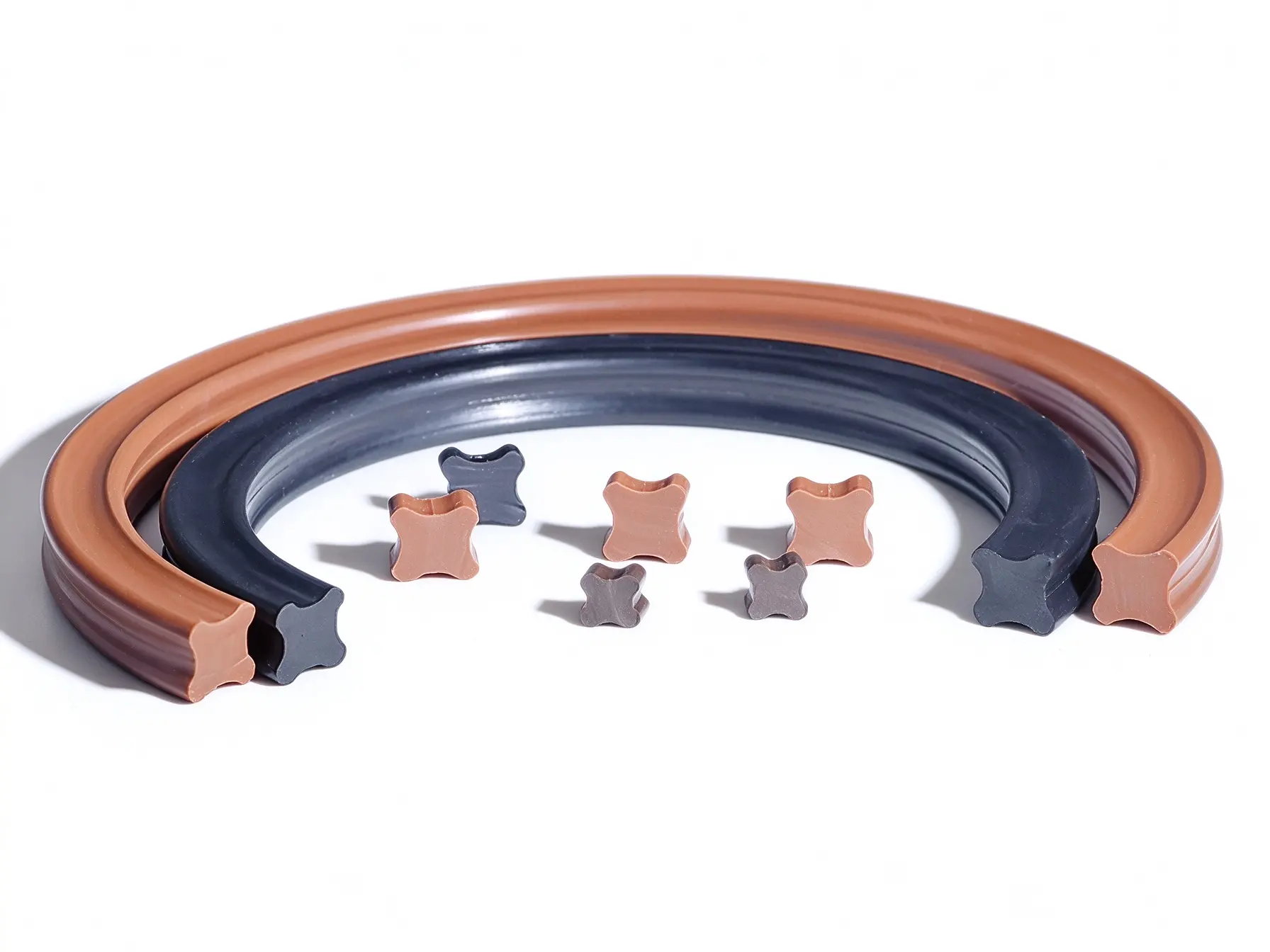
Fábrica de juntas tóricas personalizadas para sellos de caucho NBR, FKM y EPDM.
Más información
-
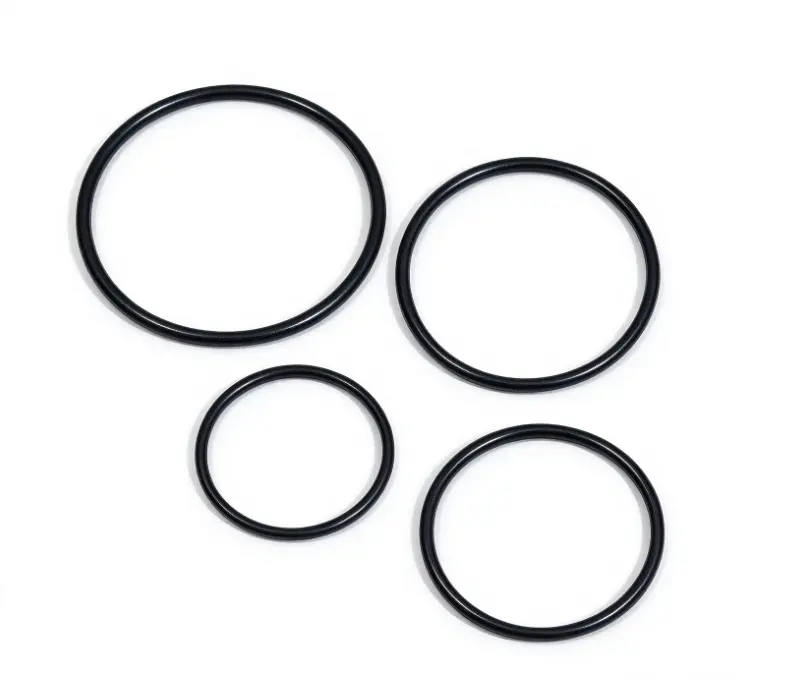
Proveedor de juntas tóricas de caucho para la industria automotriz
Más información
-
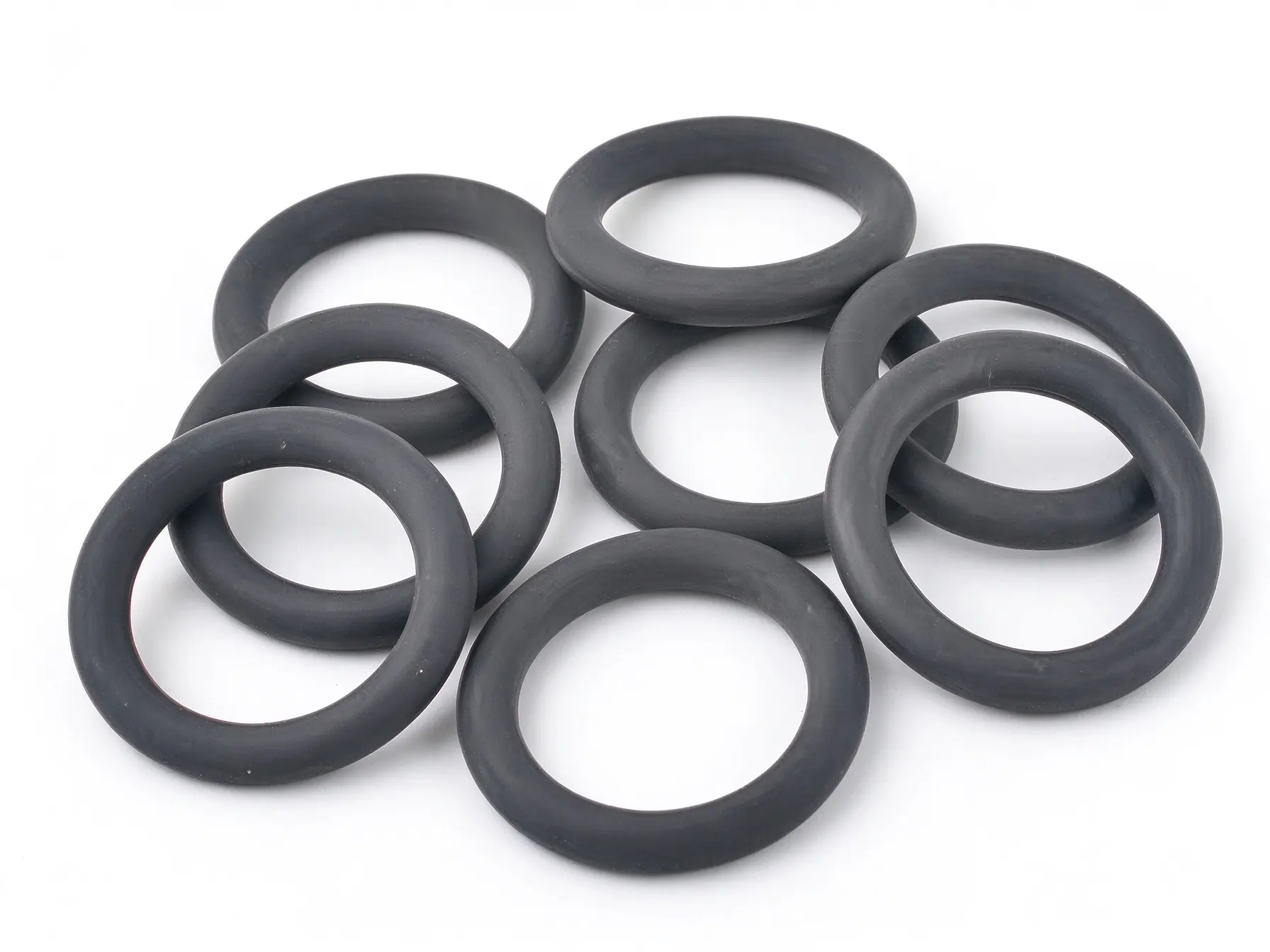
Juntas tóricas FFKM resistentes a ácidos, altas temperaturas y productos químicos, conformes a la norma AS568.
Más información
-
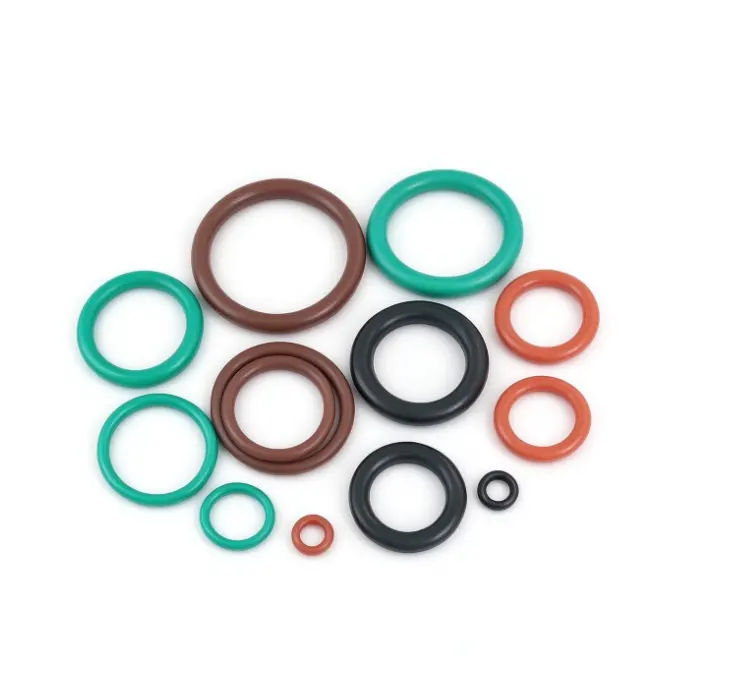
Juntas tóricas de caucho a granel para soluciones de sellado duraderas y a prueba de fugas.
Más información
-
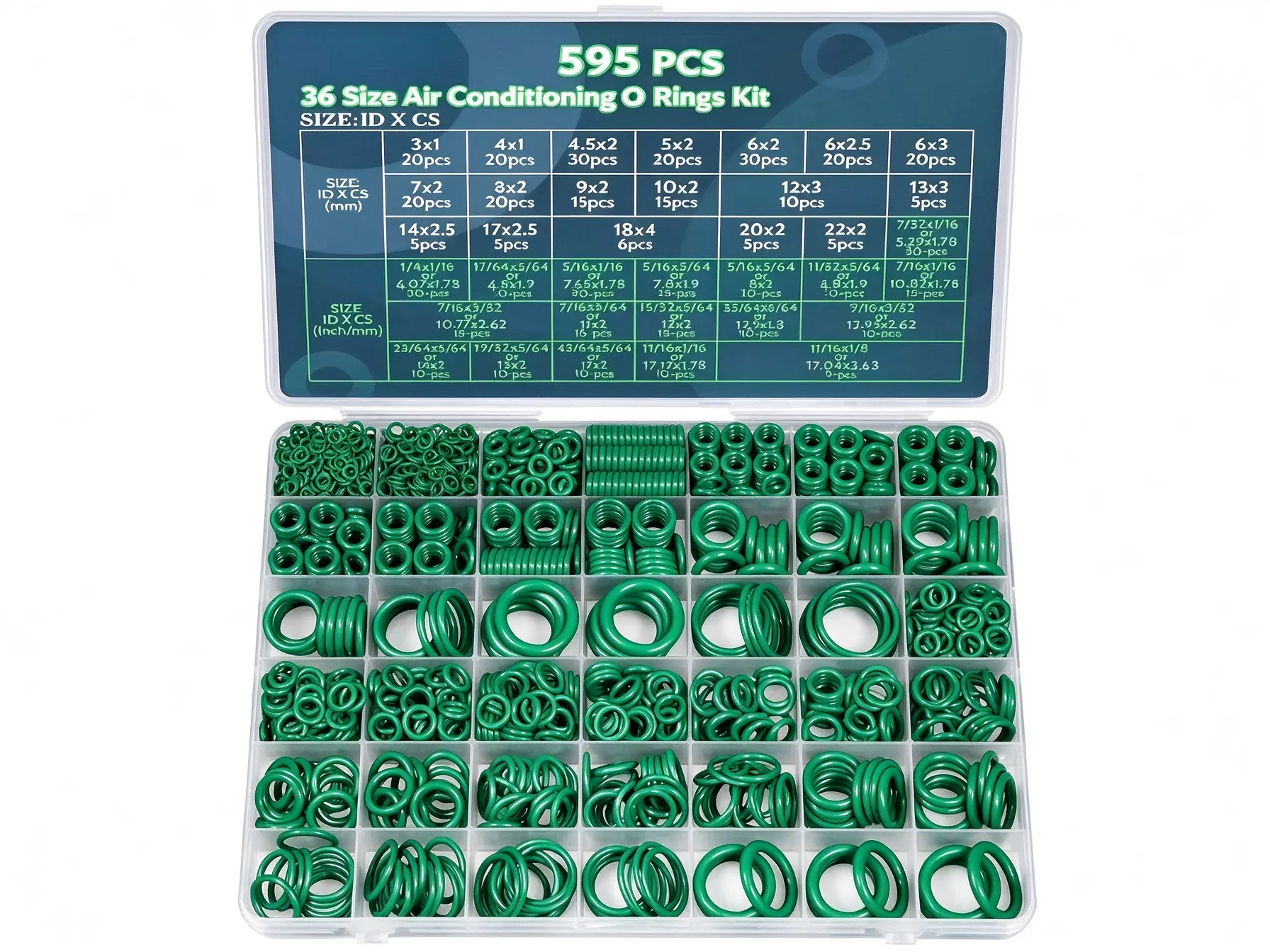
Kit de reparación de juntas tóricas para el mantenimiento del compresor de aire acondicionado automotriz
Más información
-
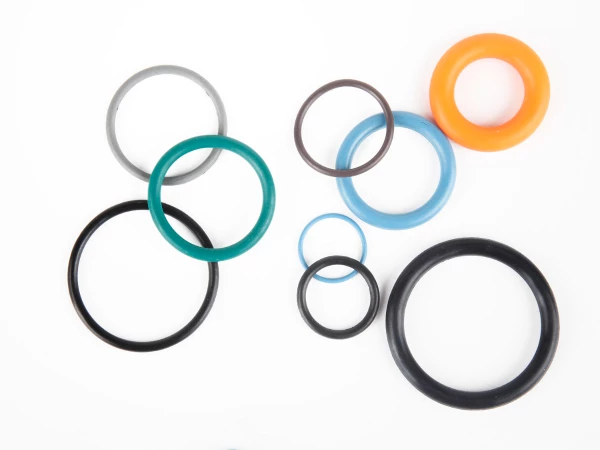
Juntas tóricas de goma
Más información
-
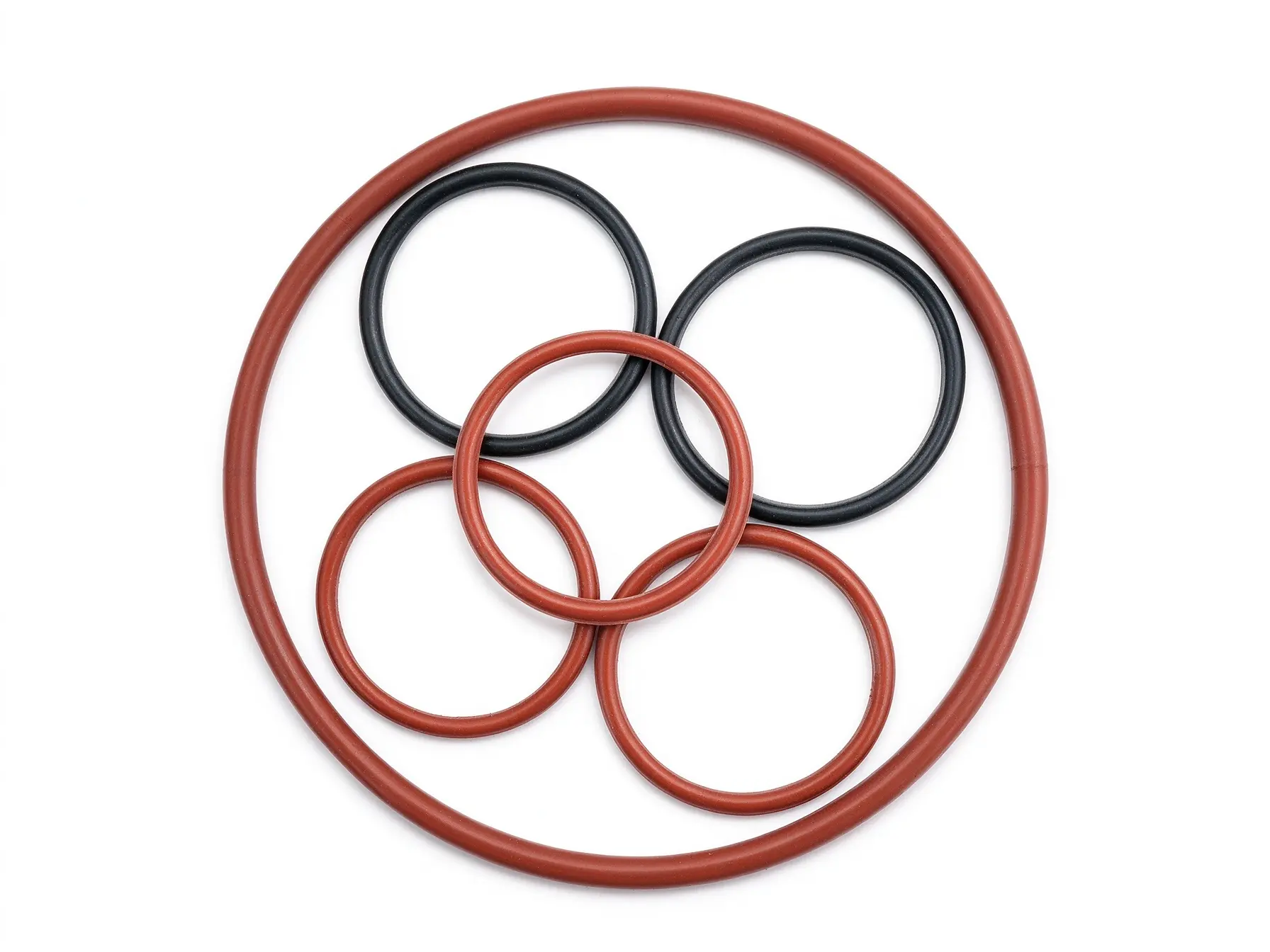
Juntas tóricas encapsuladas en PFA para un sellado personalizado resistente a productos químicos.
Más información
Bienvenidos