






-
Material options for real operating conditions. Choose oil-resistant, high-temperature, or chemical-resistant rubber based on the fluid, temperature, and pressure your equipment sees.
-
Reliable sealing where leaks are costly. Our O-rings help keep oil, gas, water, and other fluids contained in pipelines, valves, pumps, and equipment.
-
Built for tough service conditions. They are made to hold their seal under high pressure, heat, and corrosive fluids, helping reduce leaks and avoid unnecessary downtime.
-
Custom support from sample to order. We offer custom sizes, material selection, small batch orders, and fast samples, with each order labeled by material and production date for easy checking.
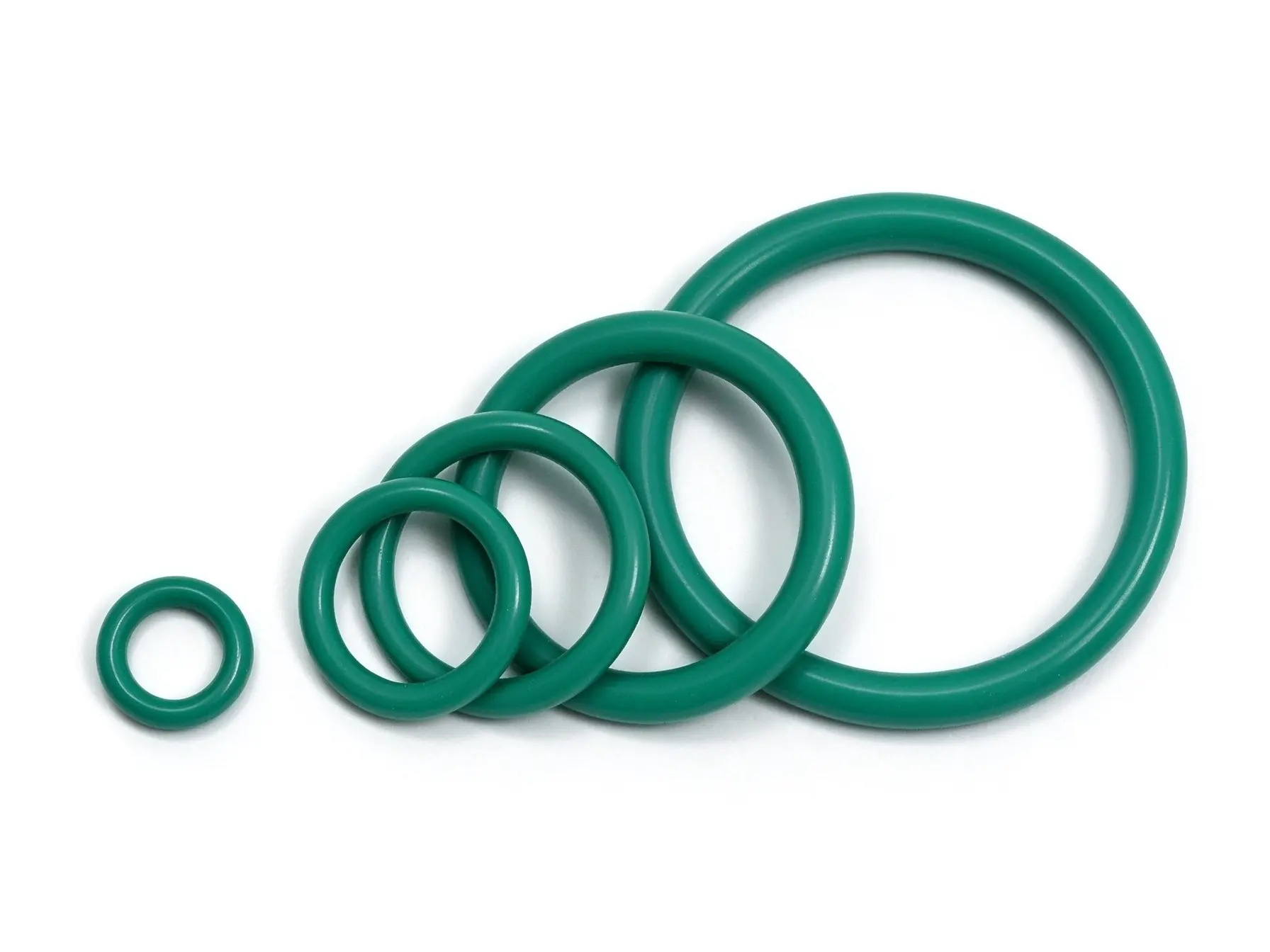
Joints toriques en caoutchouc
Usine de joints toriques en caoutchouc pour l'industrie pétrolière et gazière
- Description
- Télécharger
-
Description du produit
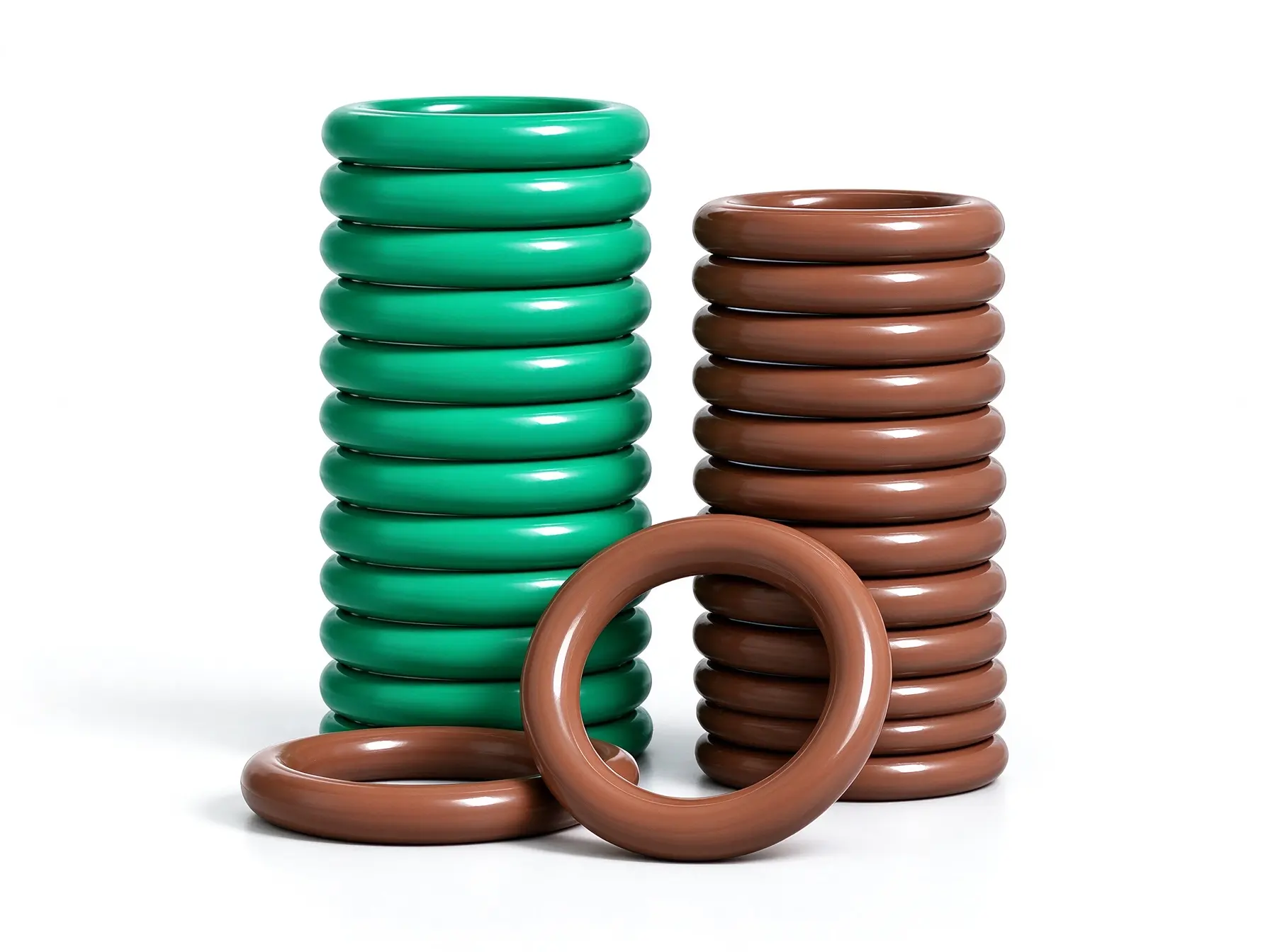
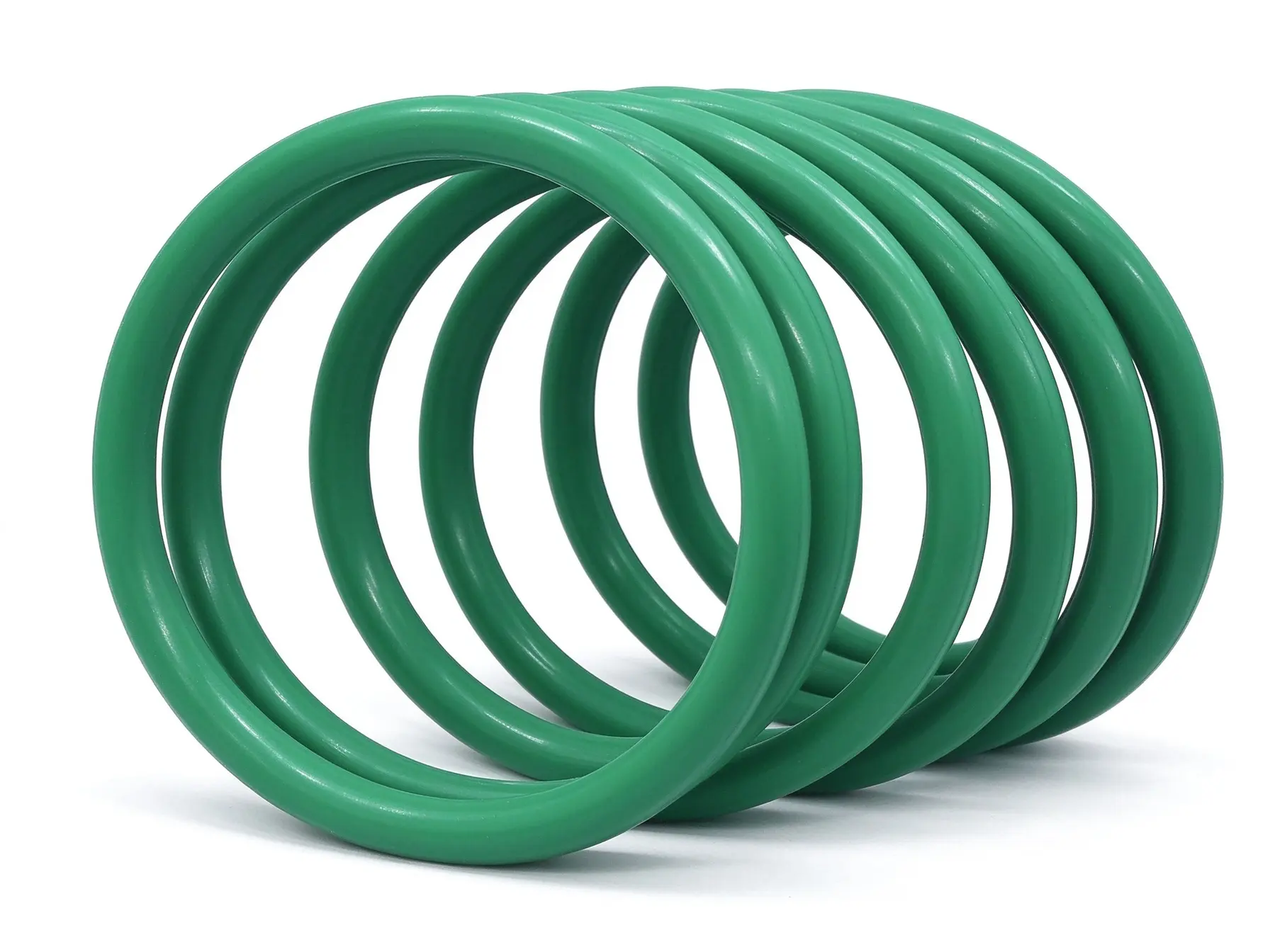
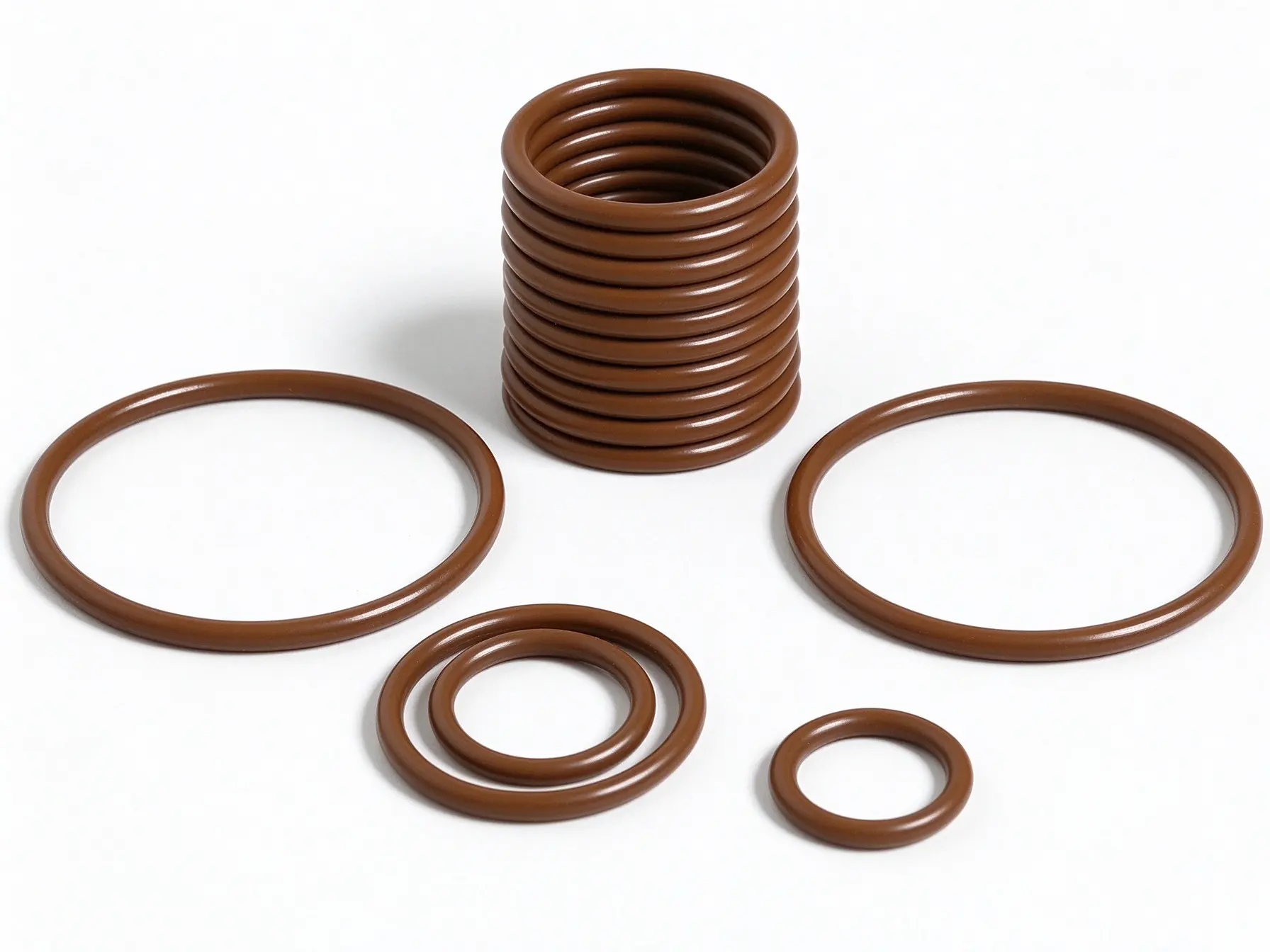
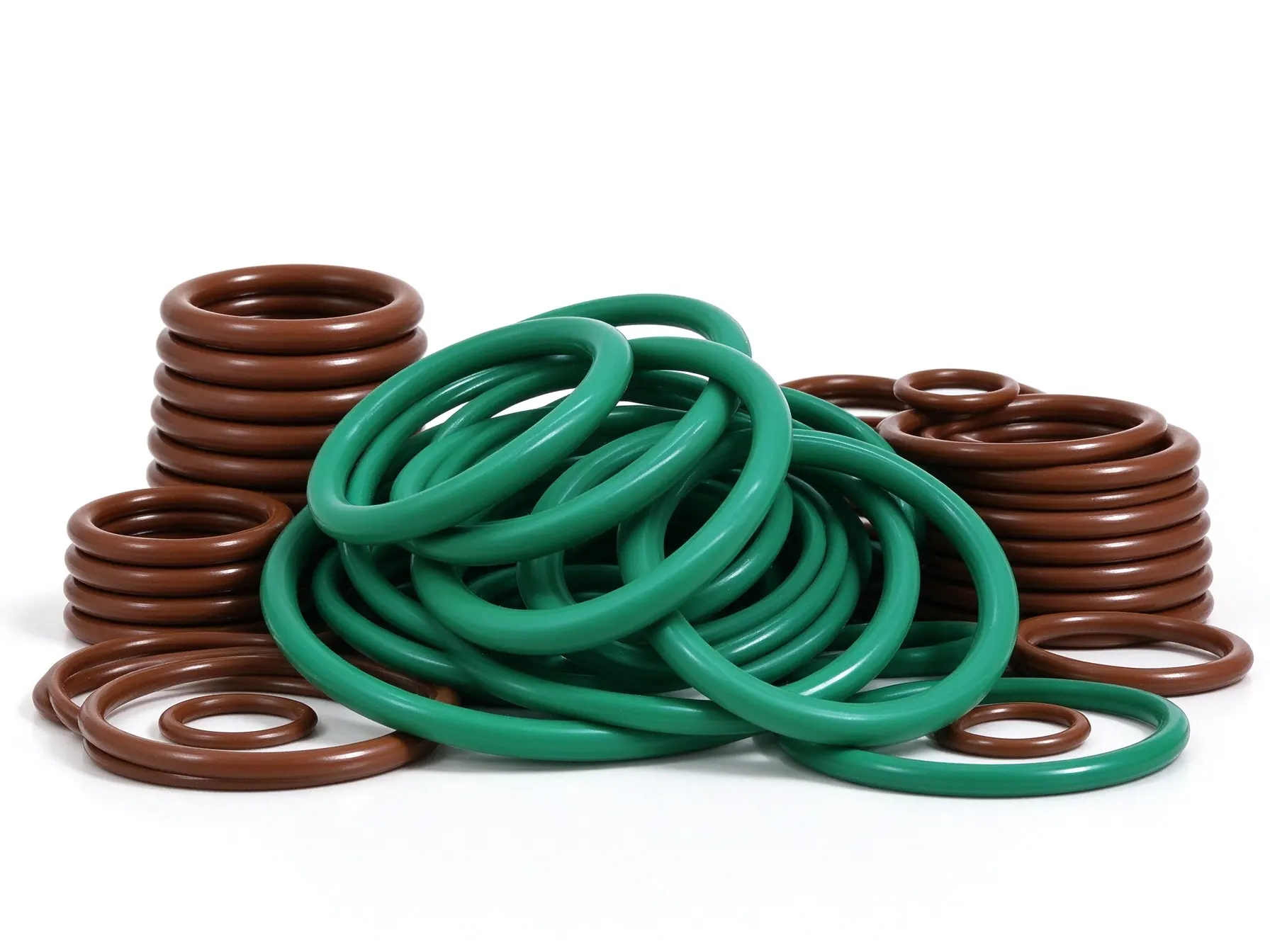
JINNAI SEAL manufactures high-performance Oil and Gas Industrial Rubber O Rings for drilling equipment, downhole tools, wellhead systems, valves, pumps, and oilfield machinery. Designed for demanding oilfield environments, our oilfield O-ring seals provide reliable sealing against oil, gas, hydraulic fluids, and various industrial media.
Available in NBR, HNBR, FKM, and other application-specific rubber compounds, our custom O-rings can be manufactured in different sizes, hardness levels, and specifications to meet specific operating requirements. We support OEM and custom oilfield rubber O-ring manufacturing based on customer drawings, samples, and technical requirements.
Key Performance Requirements for Oil and Gas O-Rings
- High Pressure Resistance – Designed for demanding pressure conditions.
- Résistance aux hautes températures – Maintains sealing properties under elevated temperatures.
- Oil & Chemical Resistance – Resists exposure to petroleum products and selected oilfield chemicals.
- Extrusion Resistance – Helps reduce seal damage in high-pressure applications.
- Rapid Gas Decompression Resistance – Specially formulated compounds can help resist damage caused by rapid gas pressure changes.
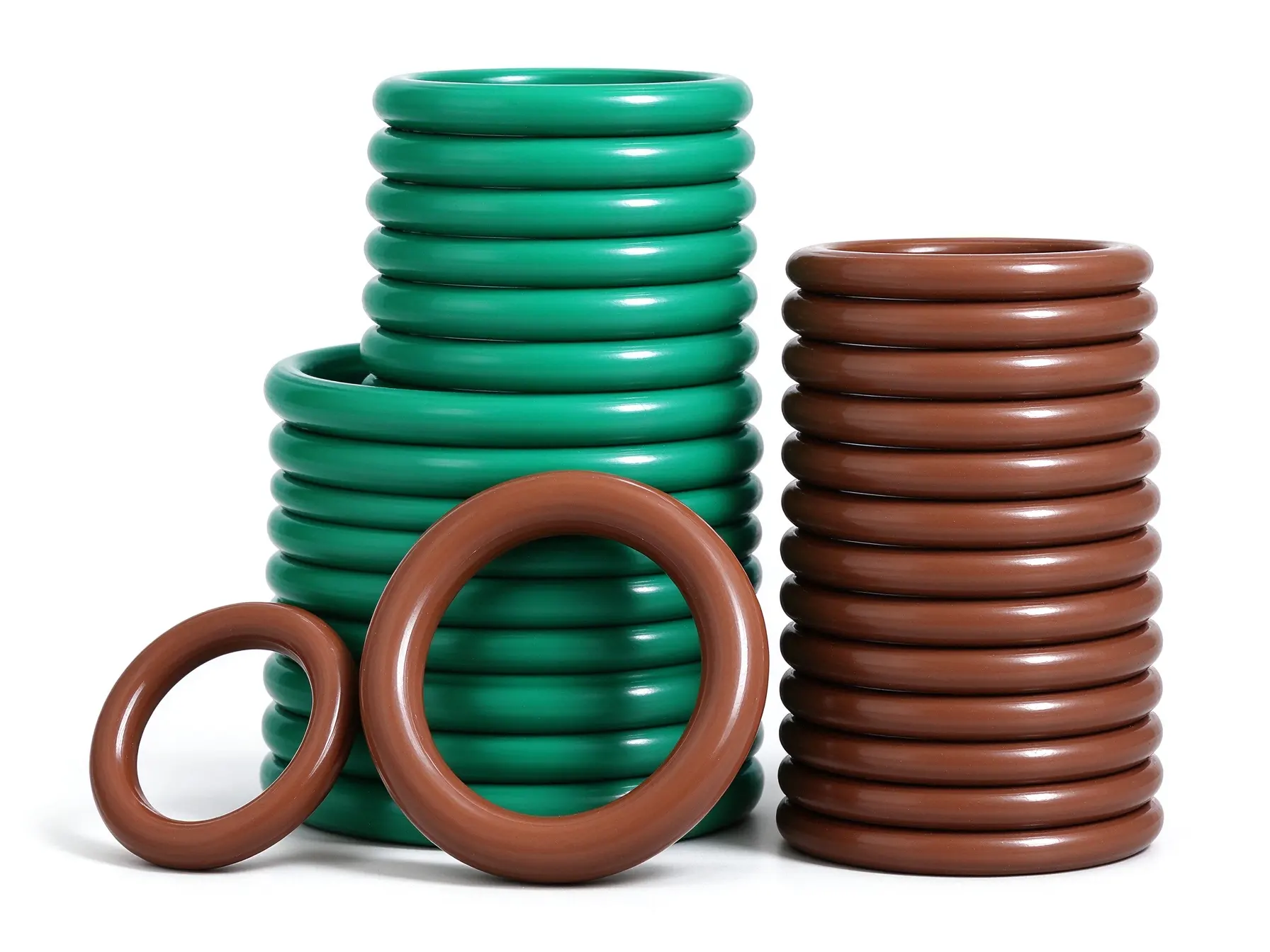
Article Spécification Nom du produit Oil & Gas Rubber O-Rings Matériel NBR, HNBR, FKM, EPDM Dureté Custom Shore A Forme Circular Cross-Section Taille Standard & Custom Sizes Working Conditions Application-Specific Pressure & Temperature Fabrication Compression / Injection Molding Personnalisation OEM & ODM Available O-Ring Temperature Range
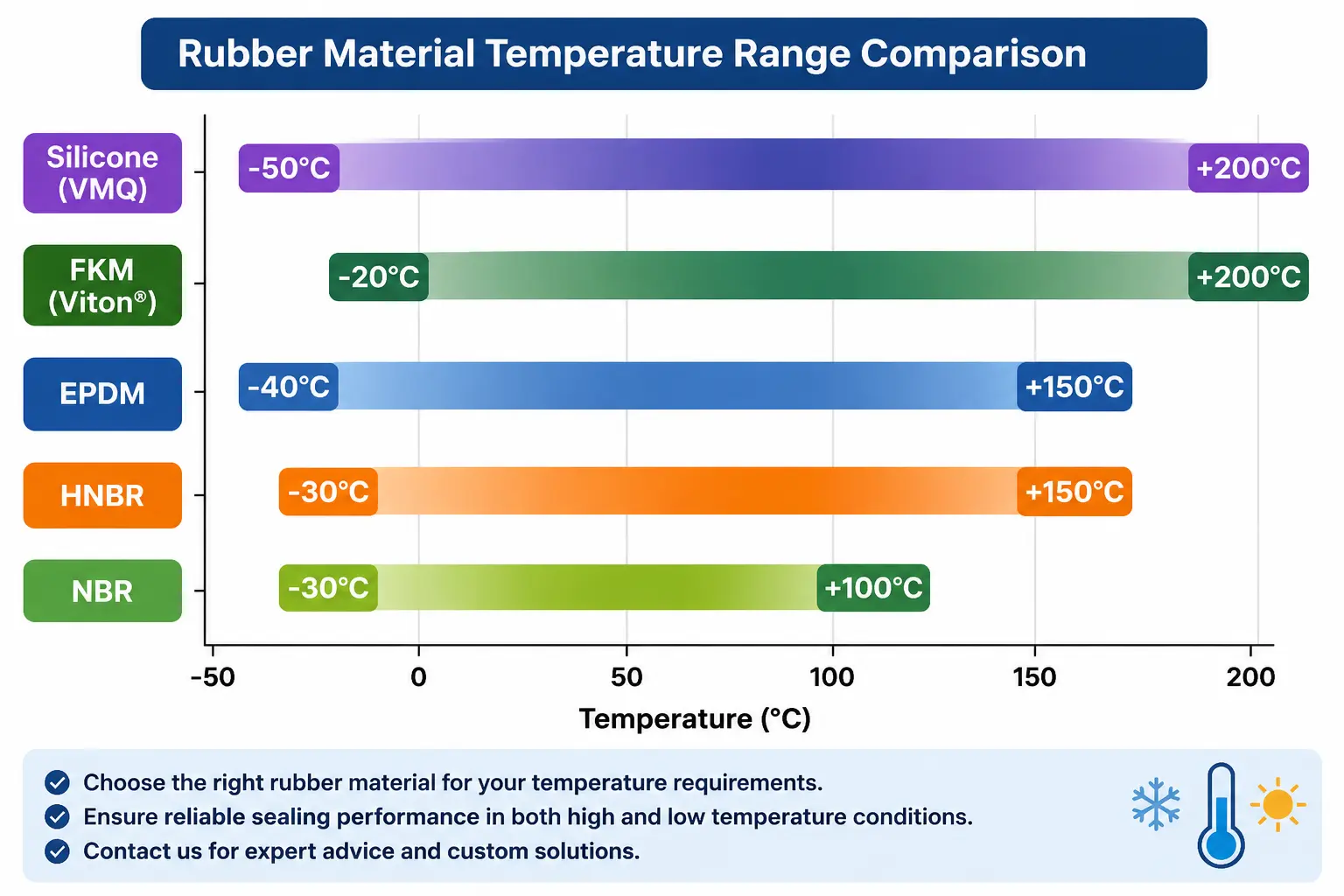
The operating temperature range of an O-ring depends on its rubber material, compound formulation, and application conditions. JINNAI SEAL offers NBR, EPDM, HNBR, FKM, and silicone O-rings for different temperature requirements. Selecting the right rubber material helps maintain elasticity, prevent premature aging, and ensure reliable sealing performance under high and low temperature conditions.
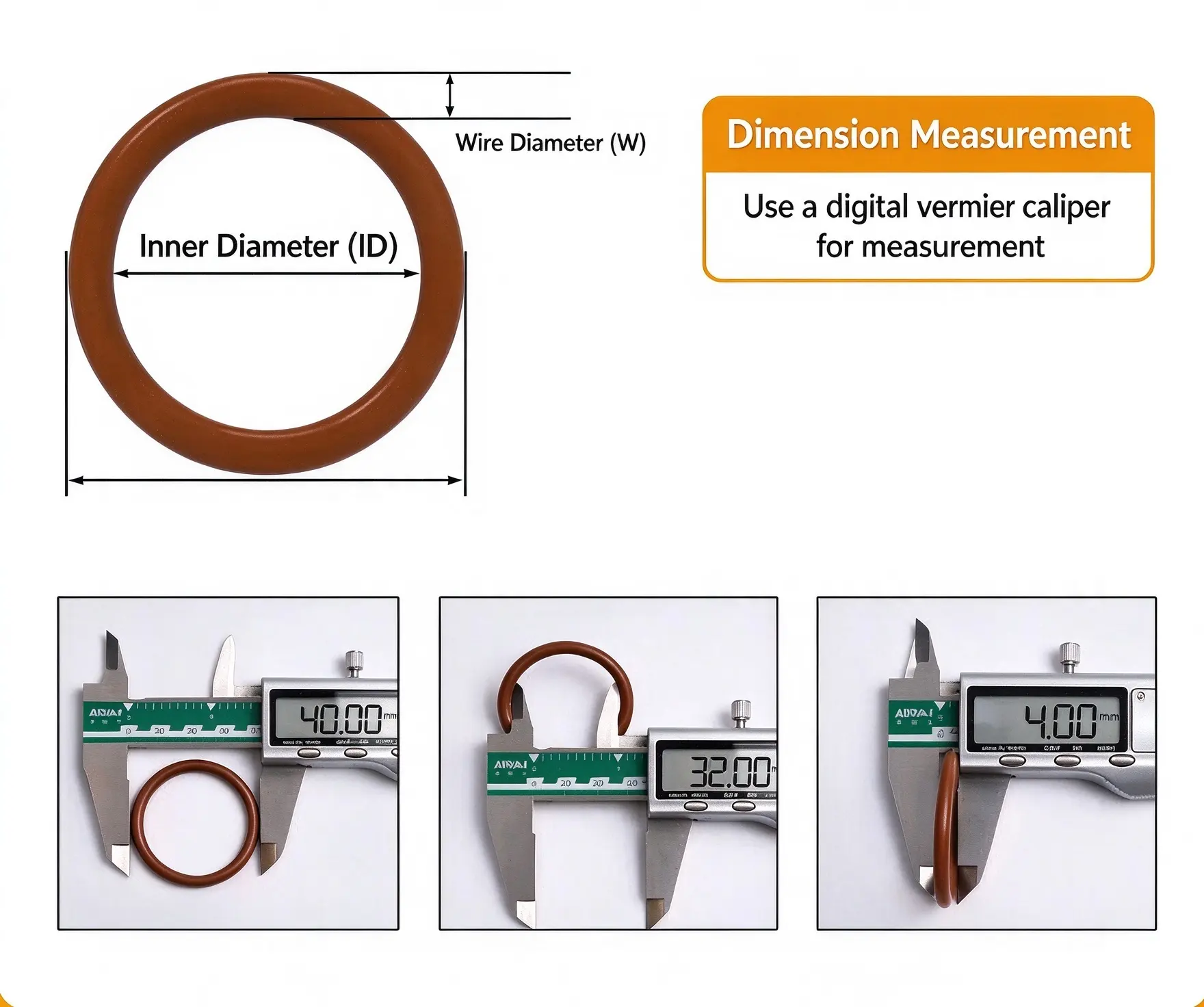
O Ring Measurement Guide
1. Ne mesurez pas les joints toriques avec une règle.
2. Utilisez un pied à coulisse pour obtenir avec précision le diamètre intérieur (DI), le diamètre extérieur (DE) et la section transversale (CS).
3. Les joints toriques en caoutchouc se déforment facilement. Une mesure précise garantit un ajustement parfait et empêche les fuites.
Applications typiques
1. Oilfield Drilling Equipment
Rubber O-rings provide reliable sealing for oilfield drilling machinery, drilling rigs, and drilling tools exposed to demanding operating conditions.2. Downhole Tools & Completion Equipment
Custom downhole O-rings are used in drilling tools and well completion systems to help prevent fluid leakage under high pressure and temperature.3. Wellhead Equipment & Valve Systems
Oilfield valve seals and wellhead O-rings help maintain pressure integrity and prevent leakage in critical oil and gas control equipment.4. Oil & Gas Pumps and Compressors
NBR, HNBR, and FKM O-rings are selected for pump and compressor sealing applications involving petroleum fluids, lubricants, and elevated temperatures.5. Hydraulic Systems & Fluid Control Equipment
Hydraulic rubber O-rings seal connections, cylinders, and fluid control components to reduce leakage and maintain system pressure.6. Pipeline Connections & Processing Equipment
Industrial rubber seals are used in pipeline fittings, processing units, and fluid transfer systems to support reliable leak prevention.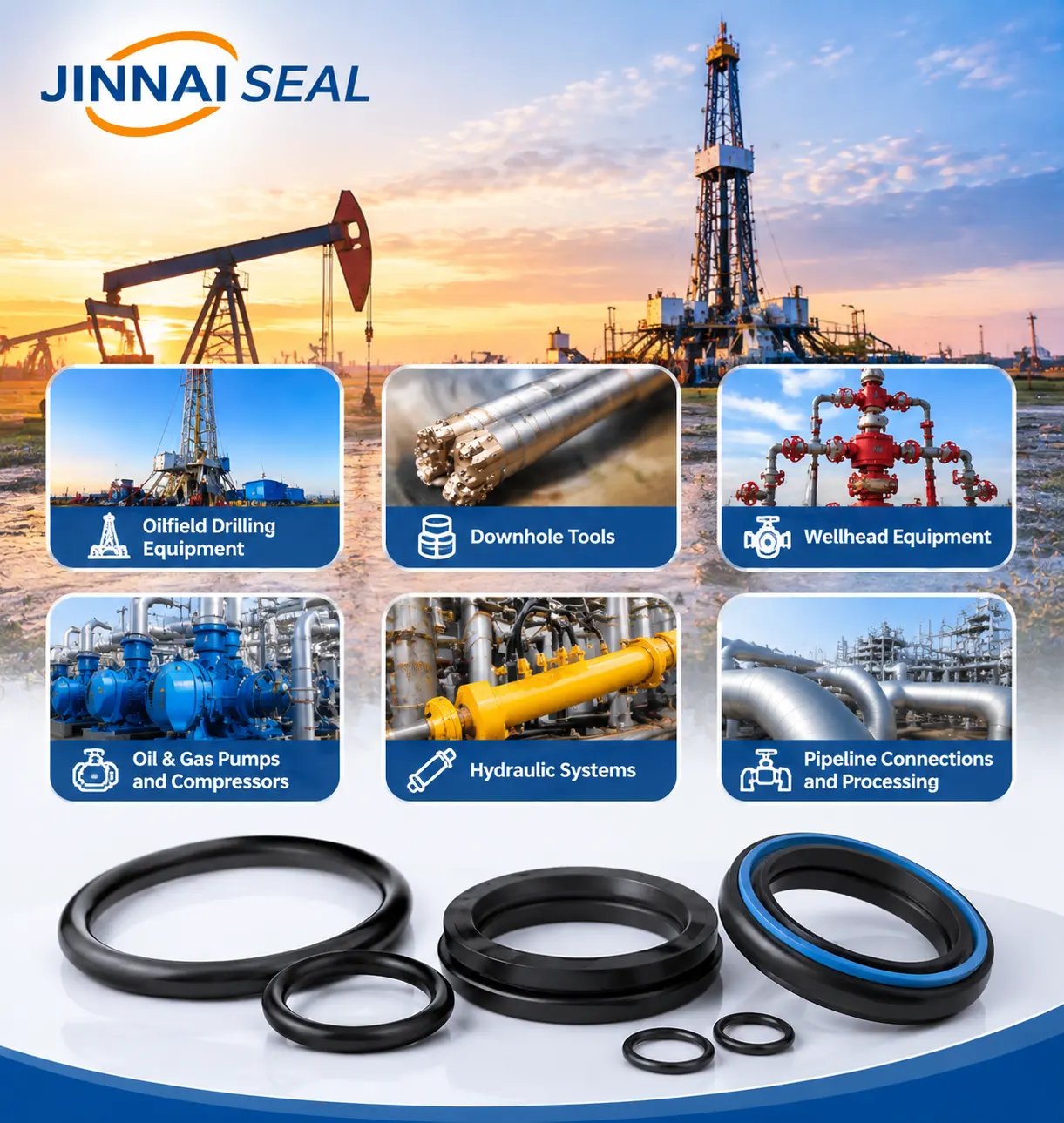
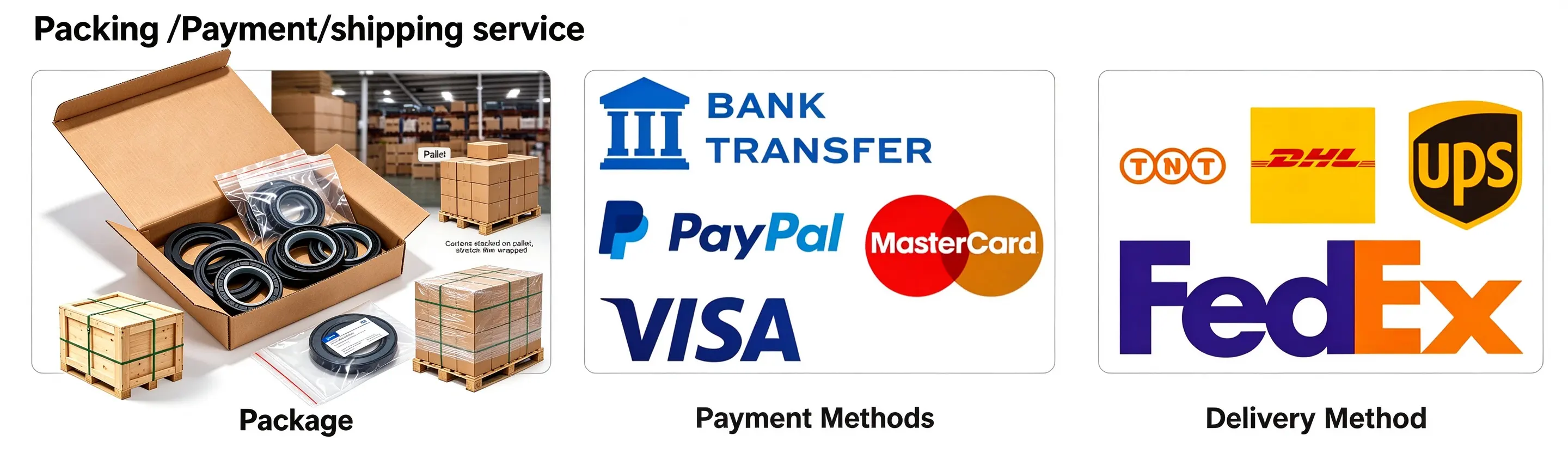
Service d'emballage, de paiement et d'expédition
- EmballerNous proposons des cartons, des palettes et des caisses en bois standard. Des emballages sur mesure sont disponibles sur demande afin de protéger efficacement les marchandises lors de différents types d'expédition.
- Modes de paiement :Règlement multidevises (CNY, USD, EUR, etc.). Plusieurs options de paiement, dont virement bancaire et PayPal. Le virement bancaire local est disponible dans certains pays pour des transactions plus rapides.
- Mode de livraison :Nous proposons des services de transport express international, de fret aérien, maritime et ferroviaire. Vous pouvez également faire appel à votre propre transporteur pour des modalités de livraison flexibles.
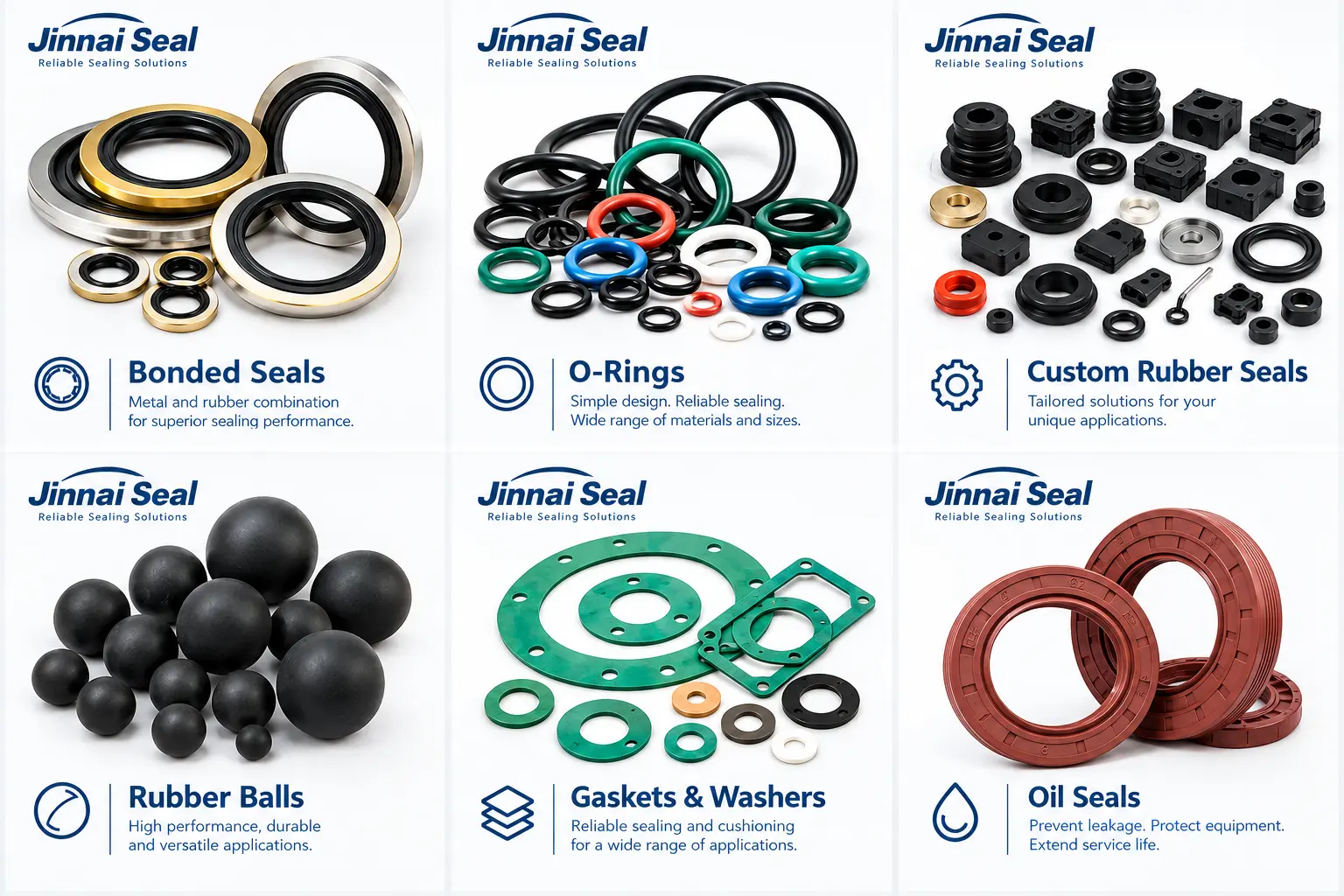
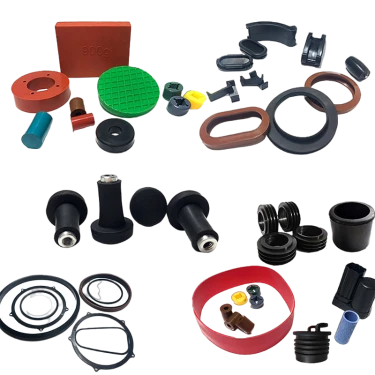
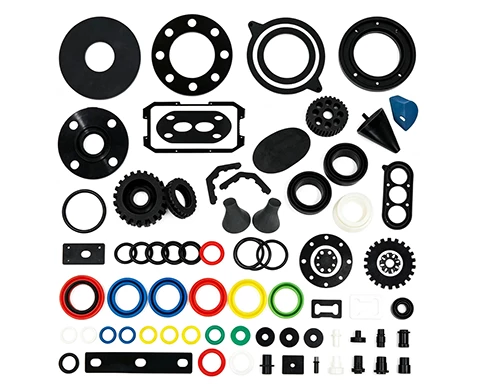
Jinnai Seal propose différents joints en caoutchouc pour répondre à vos besoins.
Jinnai Seal propose une gamme complète de solutions d'étanchéité industrielles, incluant joints collés, joints toriques, joints en caoutchouc sur mesure, billes en caoutchouc, joints d'étanchéité et rondelles, ainsi que joints d'huile. Nous offrons un large choix de matériaux, de dimensions et de conceptions personnalisées pour répondre à diverses exigences d'application.
Nos produits sont conçus pour offrir des performances d'étanchéité fiables, une durabilité et une fiabilité à long terme pour les équipements industriels, les systèmes mécaniques et les applications d'étanchéité des fluides.
Services OEM et ODM
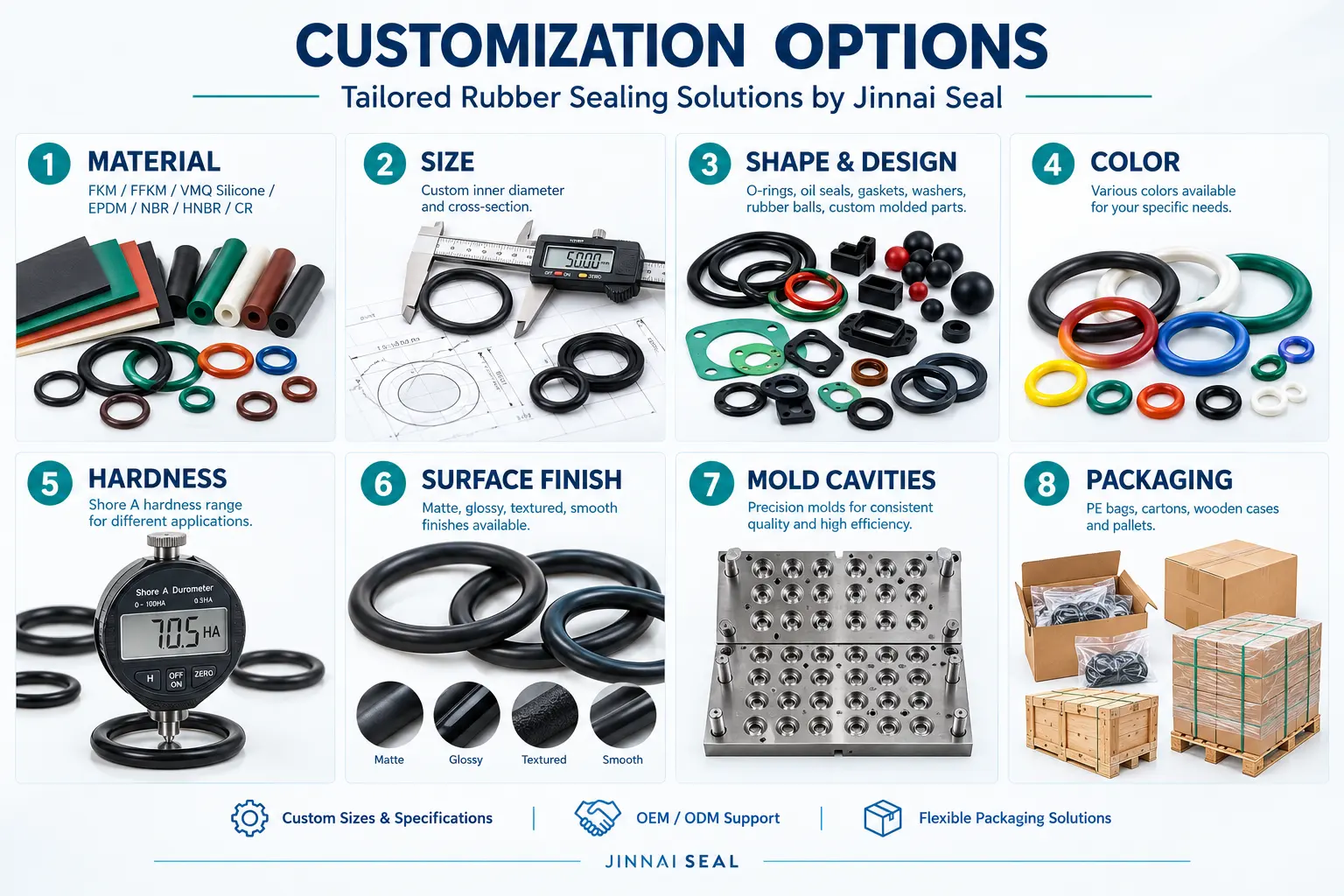
Nous proposons des services de collaboration OEM et ODM. En OEM, les clients fournissent les plans, les échantillons, les spécifications des matériaux et les dimensions, et nous fabriquons les produits selon leurs spécifications, avec un emballage personnalisé. Cette solution est idéale pour les commandes dont le design est clairement défini. En ODM, nous pouvons intervenir dans la sélection des matériaux, l'ajustement des composés, le développement des moules, la conception des dimensions et de la dureté en fonction des conditions d'utilisation du client, et assurer une production sous marque privée. Cette solution convient aux clients qui recherchent une solution clé en main, du développement produit à la production en série. Ces deux options sont disponibles pour les billes en caoutchouc, les joints toriques et autres pièces d'étanchéité en caoutchouc sur mesure. Les délais de livraison, les coûts d'outillage et les quantités minimales de commande sont confirmés pour chaque projet.
 FAQ
-
How do we know if the material was wrong or the size was wrong?
A material problem usually shows as hardening, softening, swelling, or a sticky/ crumbly surface after exposure to the fluid. A size or groove problem tends to produce a flattened cross-section, cuts on one side, or repeated leakage at the same location even after replacement. Before reordering, record the failure appearance and the actual groove depth and width — an old, stretched O-ring measured directly will give a misleading size.
-
Which rubber should we choose for oil service versus gas service?
For oil and fuel contact, NBR is the cost-effective baseline; FKM or HNBR is specified when temperatures exceed roughly 120–150°C or when the fluid contains aggressive additives. For high-pressure gas, RGD resistance becomes the deciding factor, not just oil resistance — a standard NBR or general-purpose FKM may pass oil testing but blister in gas depressurization cycles. FFKM is reserved for the most aggressive chemical or temperature combinations where FKM reaches its limit.
-
What is rapid gas decompression, and why do standard O-rings blister in gas service?
Under high gas pressure, gas molecules dissolve into the rubber. When pressure drops quickly, that dissolved gas expands inside the seal before it can escape, causing internal bubbles, surface blistering, and cracks that can rupture the O-ring from within. This is not visible in a standard compression-set or hardness test, which is why gas-service compounds must be evaluated specifically for RGD resistance rather than judged by generic “oil and gas grade” claims.
-
Can you supply custom sizes, and what information do you need to quote?
Yes — custom inner diameters and cross-sections can be molded from a drawing, alongside standard AS568 and ISO 3601 sizes. To quote accurately, send the groove geometry (depth and width), the fluid or gas composition, the operating temperature range, and the target hardness if already defined; material recommendation can follow from those inputs rather than from a generic compound name. Low-volume or trial quantities should be stated upfront, since tooling and minimum order requirements vary by size and compound.
-
What are typical sample and production lead times, and how is the supplied batch kept consistent with the approved sample?
Sample timing depends on whether the size is standard or requires new tooling — standard samples can move quickly, while custom prototypes and tooling typically add several days to two weeks. For production, the key procurement safeguard is lot traceability: each batch should be labeled with the compound name, cure date, hardness, and color so incoming inspection can match the delivered seal to the sample that was approved, rather than relying on a visual “same-looking” comparison.
-
What Is the Best O Ring for High Temperature?
The honest answer is that there is no single “best” high-temperature O-ring material — the right choice depends on how hot, for how long, and in contact with what. A material that is perfect for dry heat in air will fail quickly in steam, and the material with the highest temperature ceiling is often the wrong commercial decision if a cheaper option meets the actual duty cycle.
-
How Long Do O-Rings Last?
There is no single answer — an O-ring’s life depends on the rubber compound, the fluid or gas it seals, temperature, pressure cycling, and whether it is static or moving. The useful distinction is between shelf life (before installation) and service life (in the equipment).
Produits associés
Nous avons développé un portefeuille diversifié de solutions produits pour répondre aux besoins et aux attentes des différents marchés.-
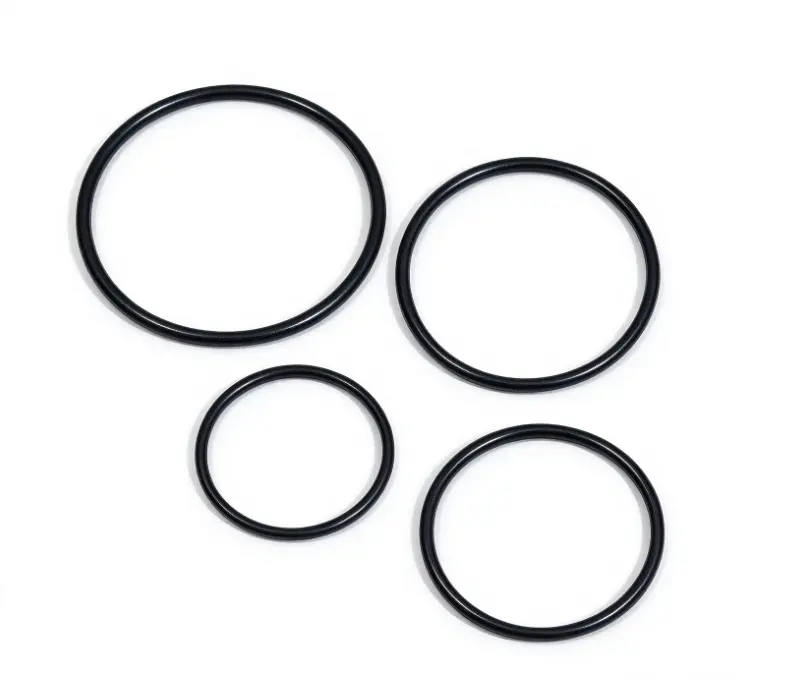
Fournisseur de joints toriques en caoutchouc pour l'industrie automobile
Apprendre encore plus

-
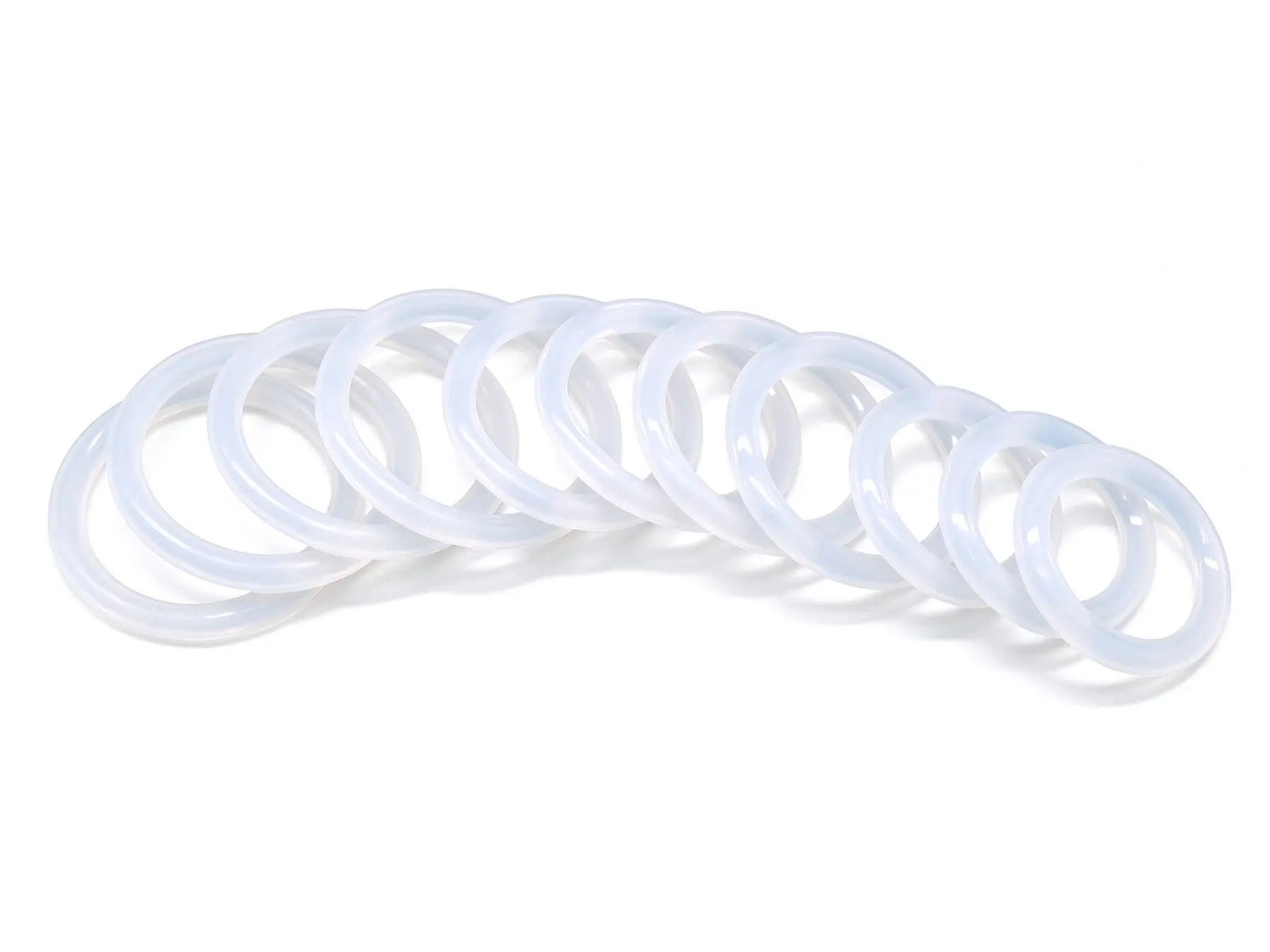
Joints toriques transparents en silicone haute élasticité pour tuyaux d'eau, 5 mm x 150 mm
Apprendre encore plus
-
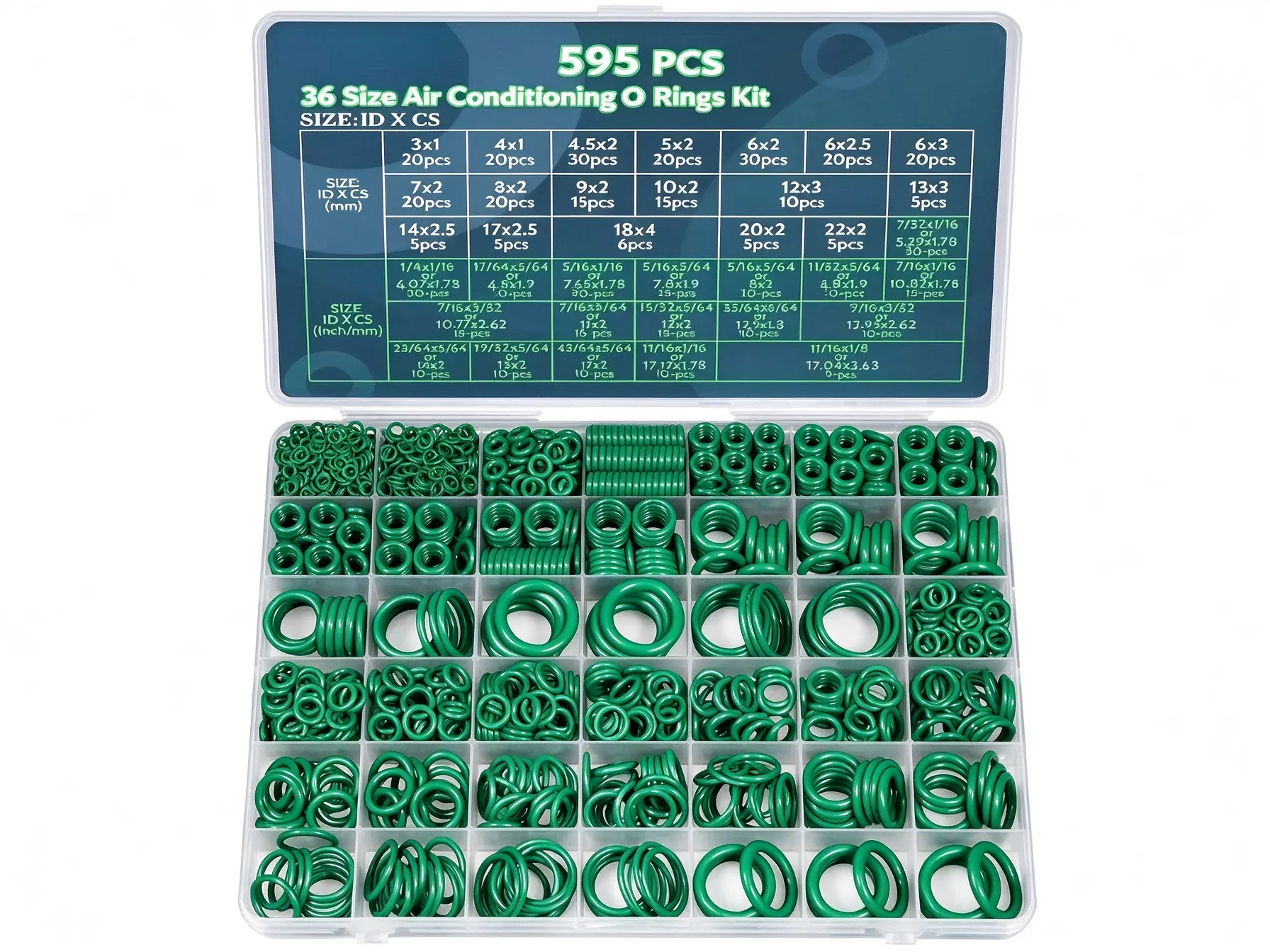
Coffret de réparation de joints toriques pour l'entretien des compresseurs de climatisation automobile
Apprendre encore plus
-
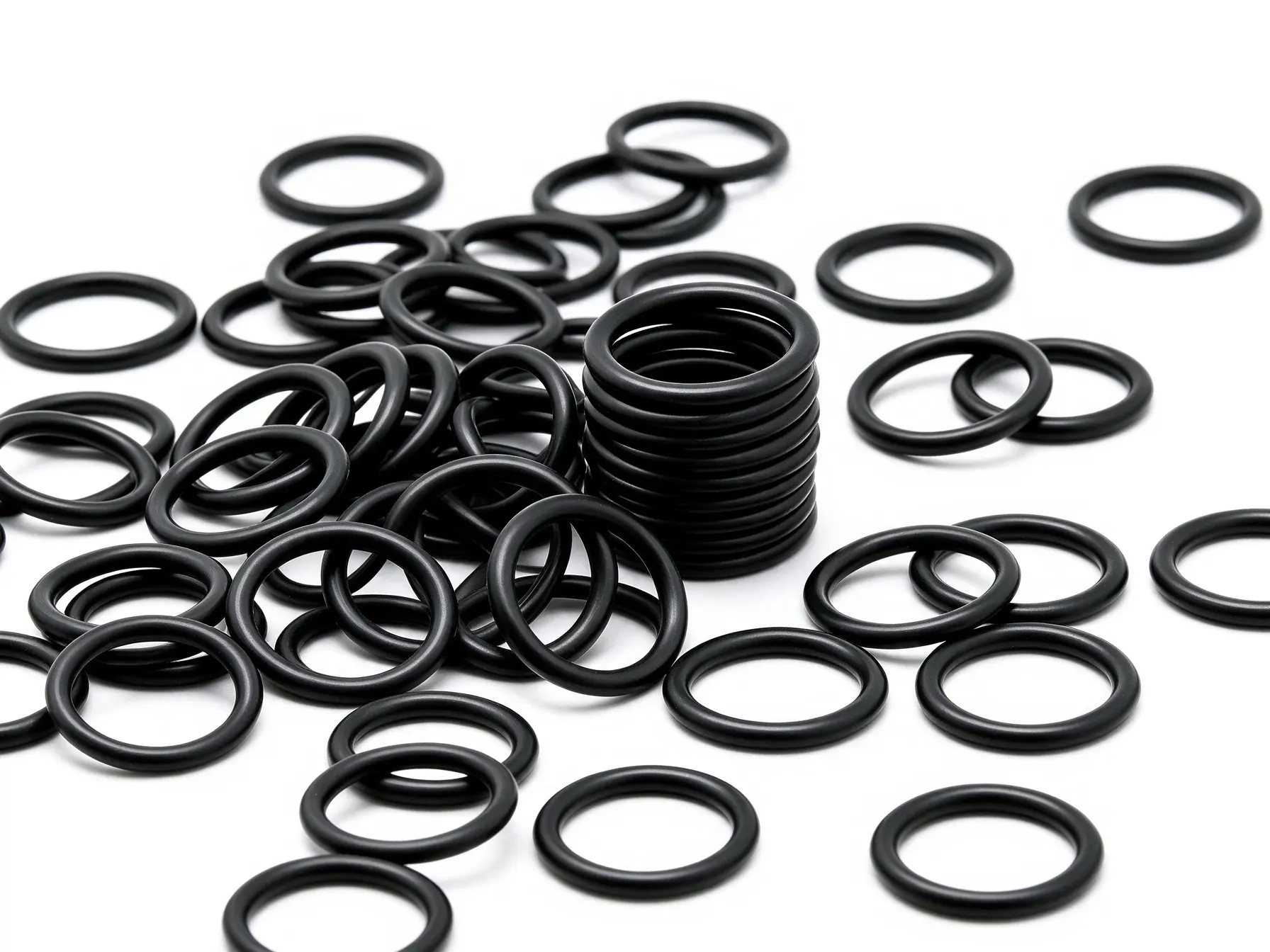
Joints toriques en HNBR résistants à l'huile et à l'ozone pour l'étanchéité automobile
Apprendre encore plus
-
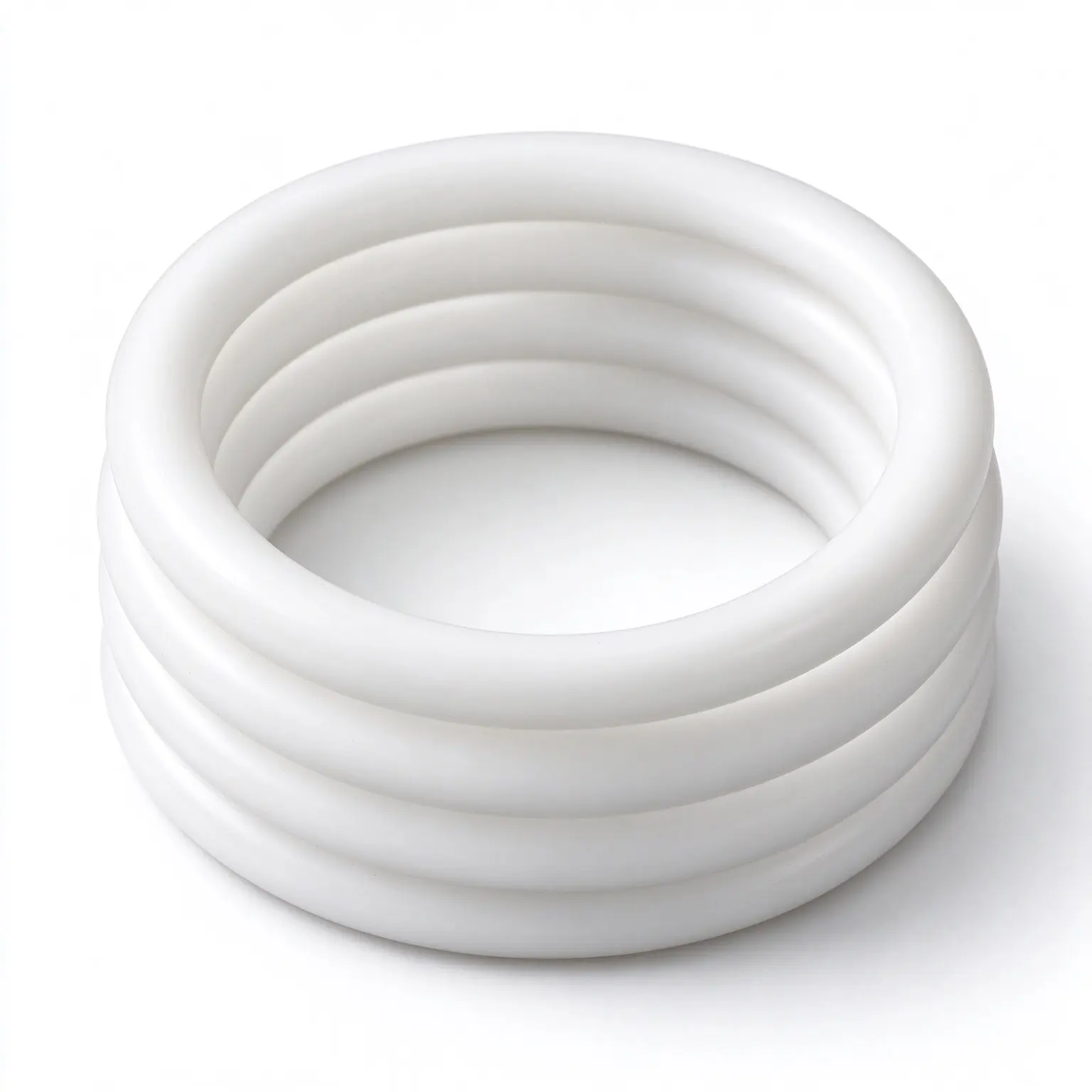
Joints toriques en PTFE de qualité alimentaire pour l'étanchéité des équipements d'emballage et de remplissage de produits laitiers
Apprendre encore plus
-
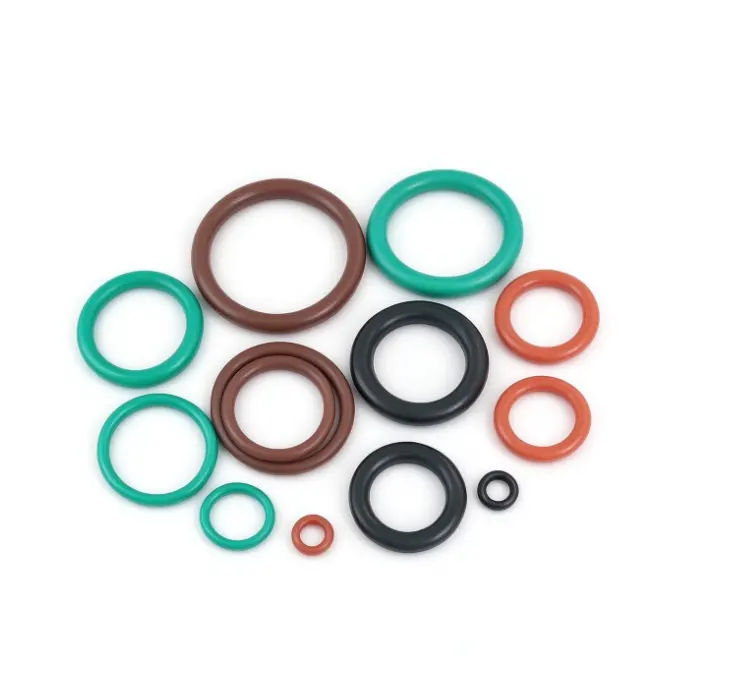
Joints toriques en caoutchouc en vrac pour des solutions d'étanchéité durables et étanches
Apprendre encore plus
-
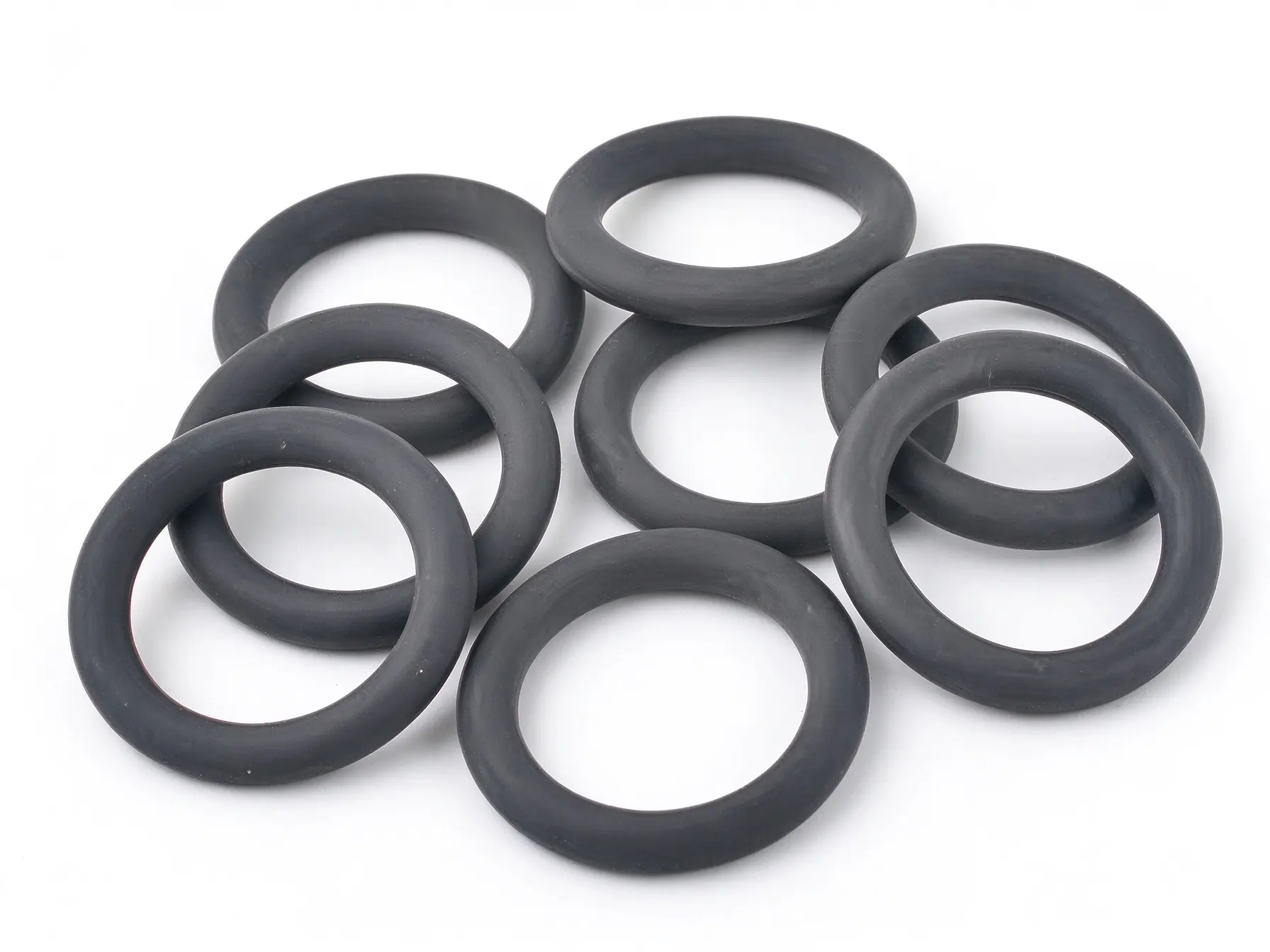
Joints toriques FFKM résistants aux acides, aux hautes températures et aux produits chimiques, conformes à la norme AS568
Apprendre encore plus
-
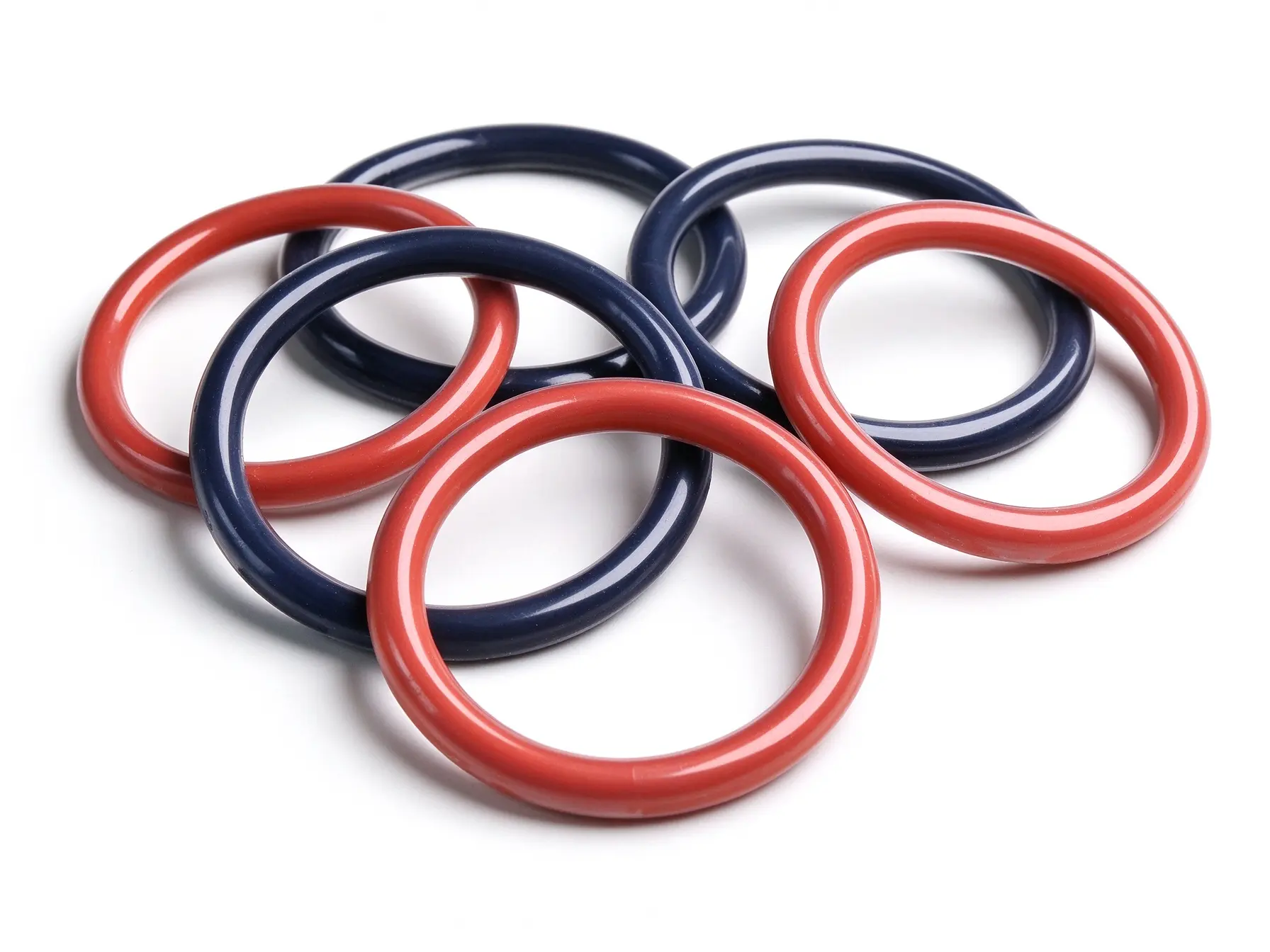
Joints toriques encapsulés en FEP pour l'étanchéité des équipements semi-conducteurs
Apprendre encore plus
Bienvenue