






-
Material options for real operating conditions. Choose oil-resistant, high-temperature, or chemical-resistant rubber based on the fluid, temperature, and pressure your equipment sees.
-
Reliable sealing where leaks are costly. Our O-rings help keep oil, gas, water, and other fluids contained in pipelines, valves, pumps, and equipment.
-
Built for tough service conditions. They are made to hold their seal under high pressure, heat, and corrosive fluids, helping reduce leaks and avoid unnecessary downtime.
-
Custom support from sample to order. We offer custom sizes, material selection, small batch orders, and fast samples, with each order labeled by material and production date for easy checking.
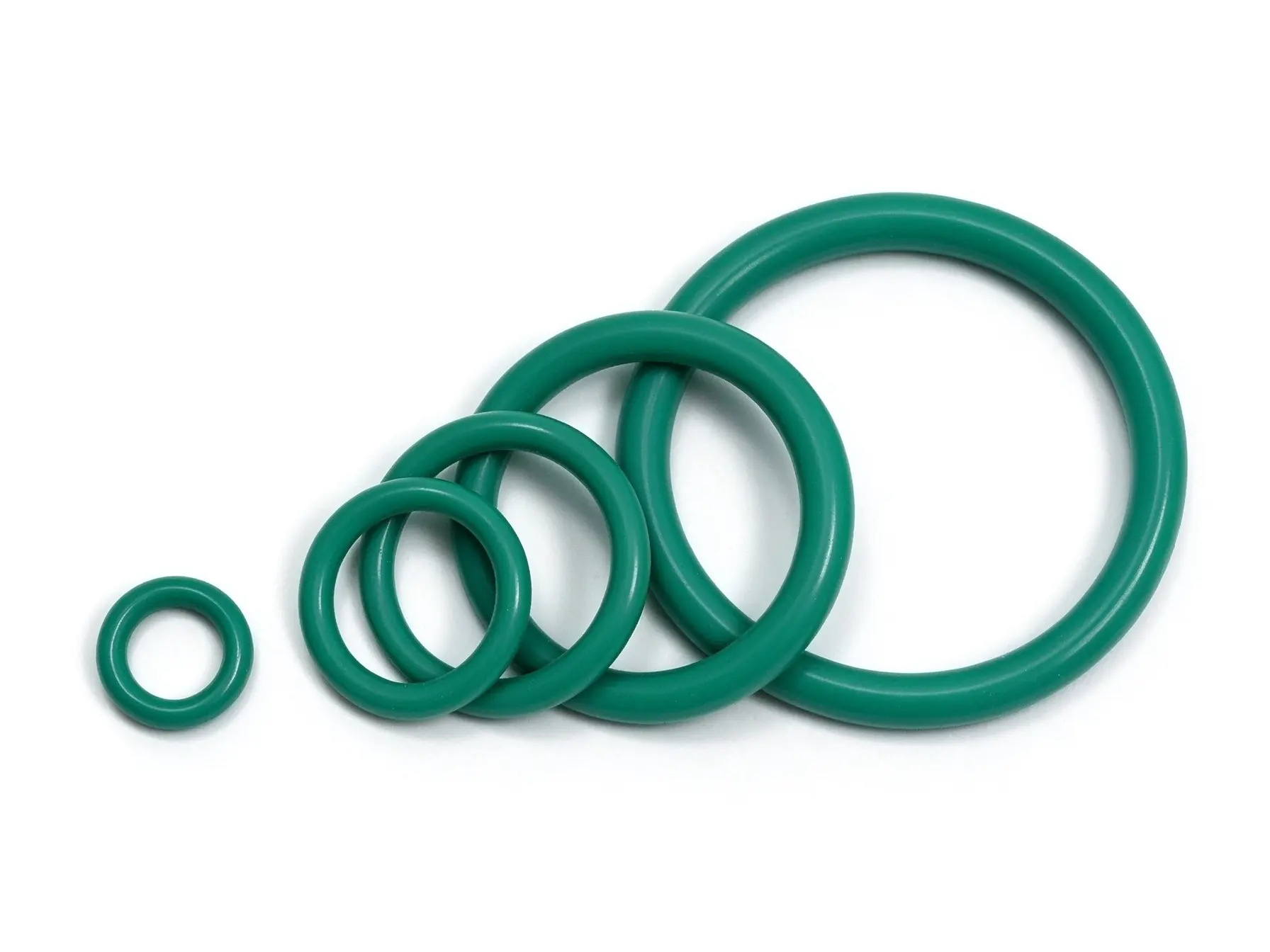
O-Ring-Gummidichtungen
Fabrik für Gummi-O-Ring-Dichtungen für die Öl- und Gasindustrie
- Beschreibung
- Herunterladen
-
Produktbeschreibung
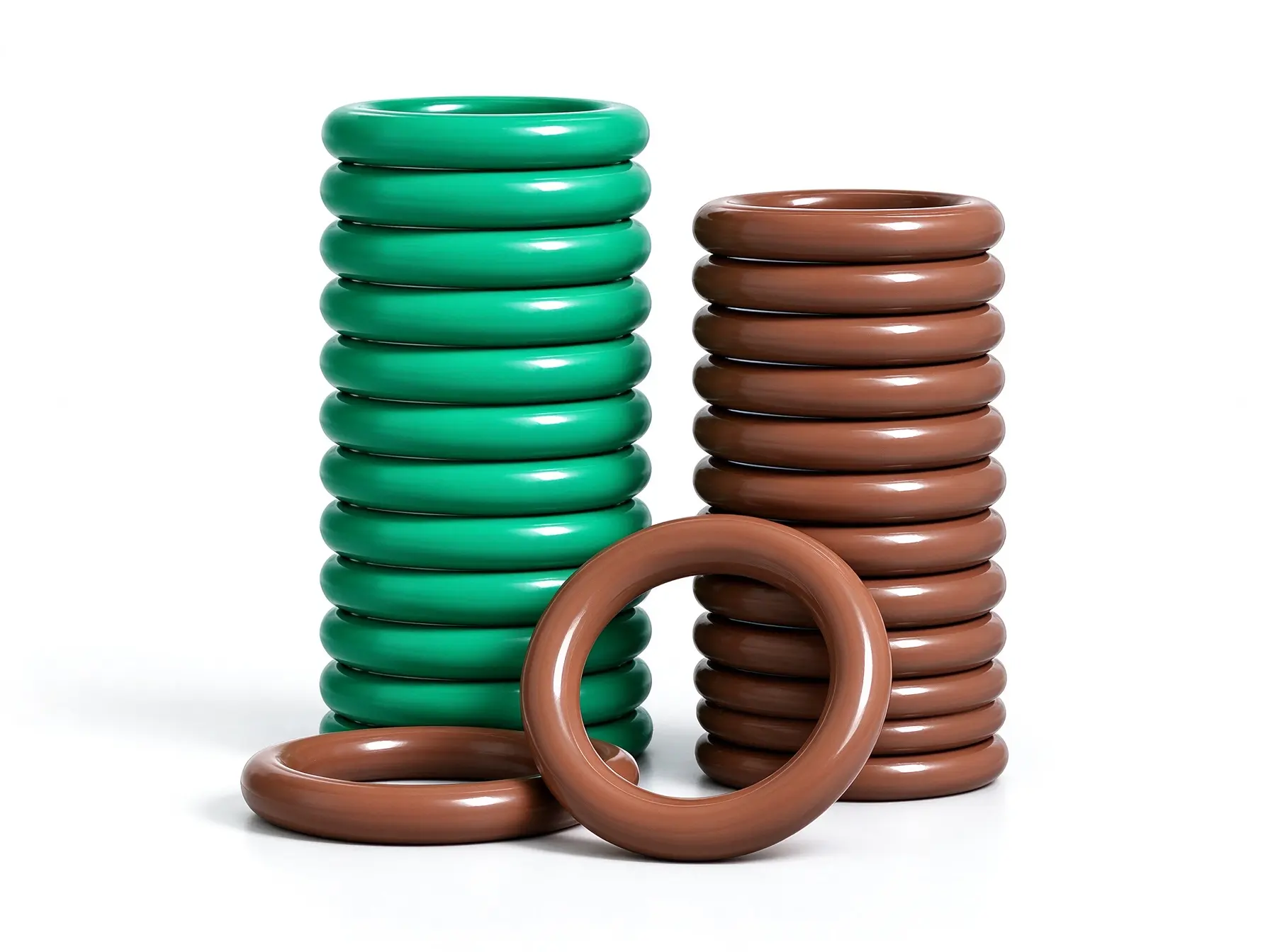
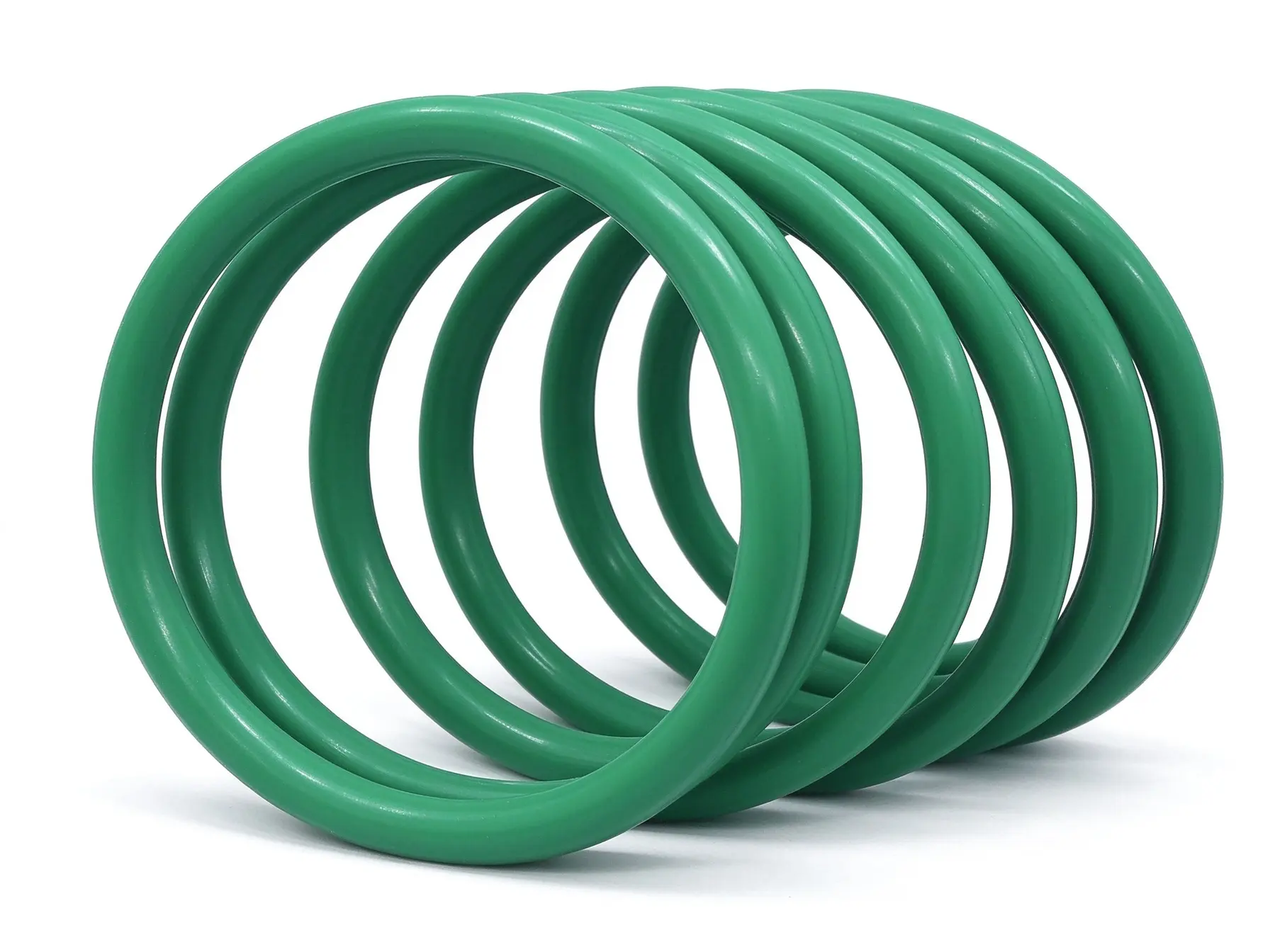
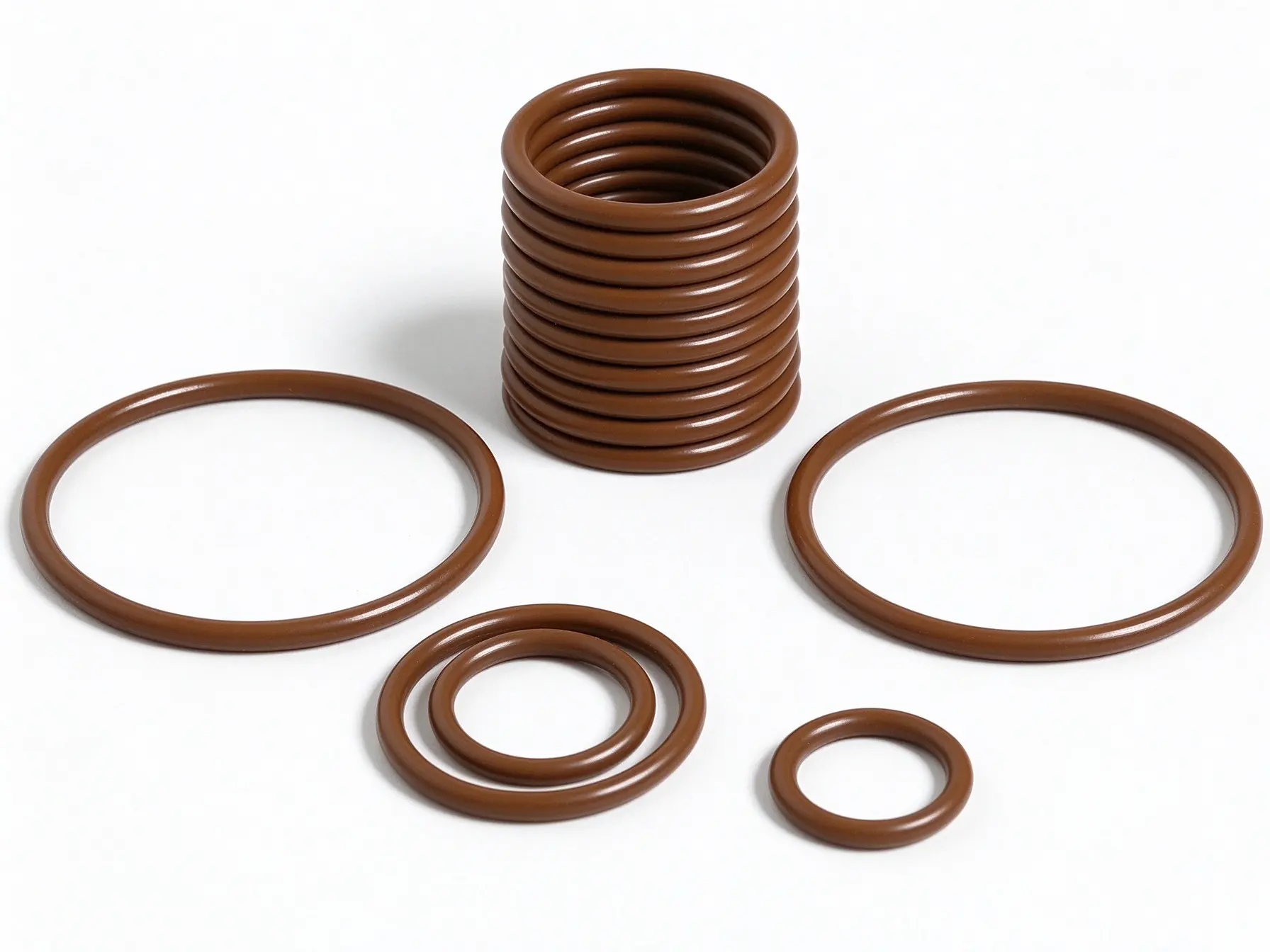
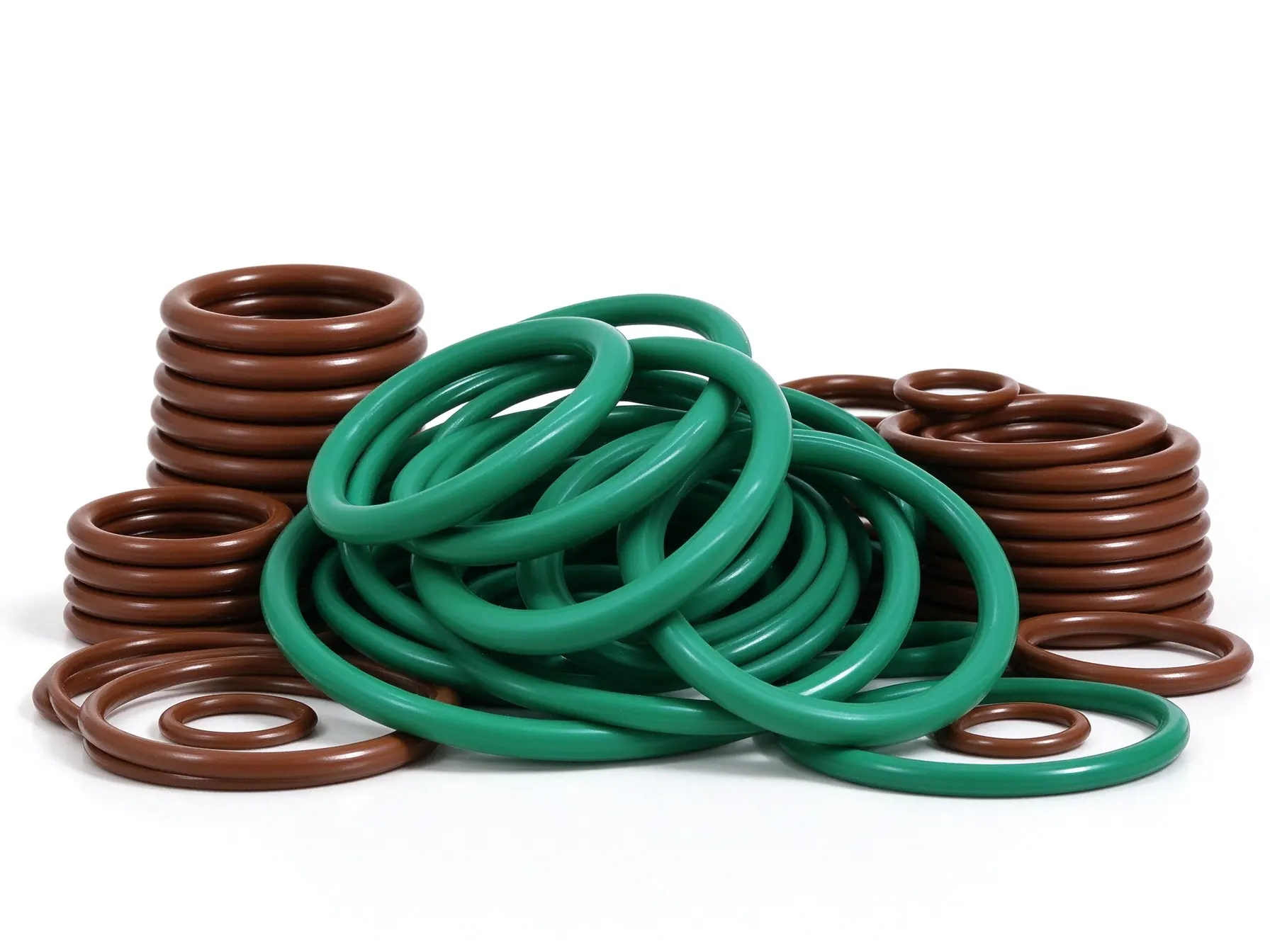
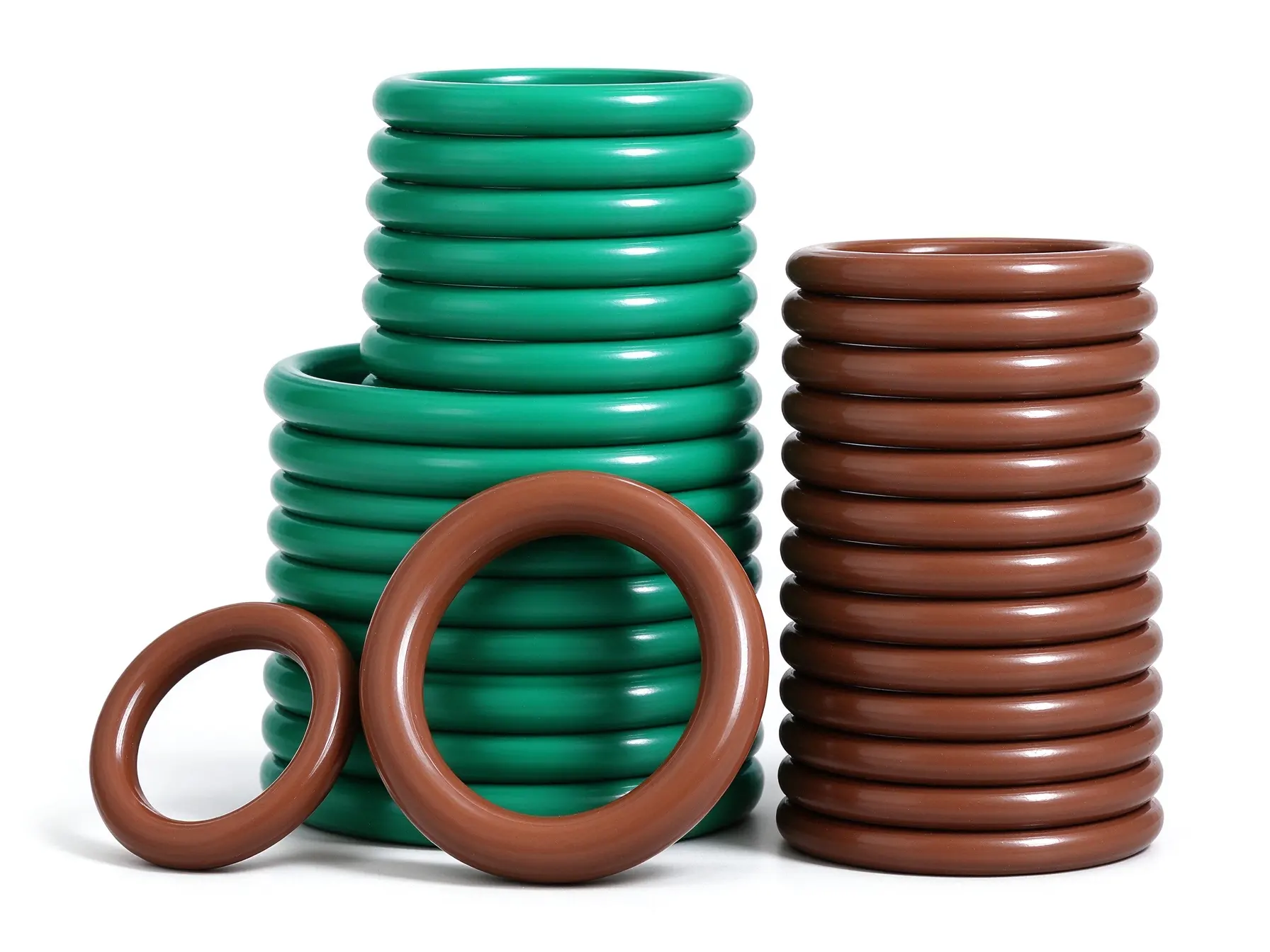
JINNAI SEAL manufactures high-performance Oil and Gas Industrial Rubber O Rings for drilling equipment, downhole tools, wellhead systems, valves, pumps, and oilfield machinery. Designed for demanding oilfield environments, our oilfield O-ring seals provide reliable sealing against oil, gas, hydraulic fluids, and various industrial media.
Available in NBR, HNBR, FKM, and other application-specific rubber compounds, our custom O-rings can be manufactured in different sizes, hardness levels, and specifications to meet specific operating requirements. We support OEM and custom oilfield rubber O-ring manufacturing based on customer drawings, samples, and technical requirements.
Key Performance Requirements for Oil and Gas O-Rings
- High Pressure Resistance – Designed for demanding pressure conditions.
- Hohe Temperaturbeständigkeit – Maintains sealing properties under elevated temperatures.
- Oil & Chemical Resistance – Resists exposure to petroleum products and selected oilfield chemicals.
- Extrusion Resistance – Helps reduce seal damage in high-pressure applications.
- Rapid Gas Decompression Resistance – Specially formulated compounds can help resist damage caused by rapid gas pressure changes.
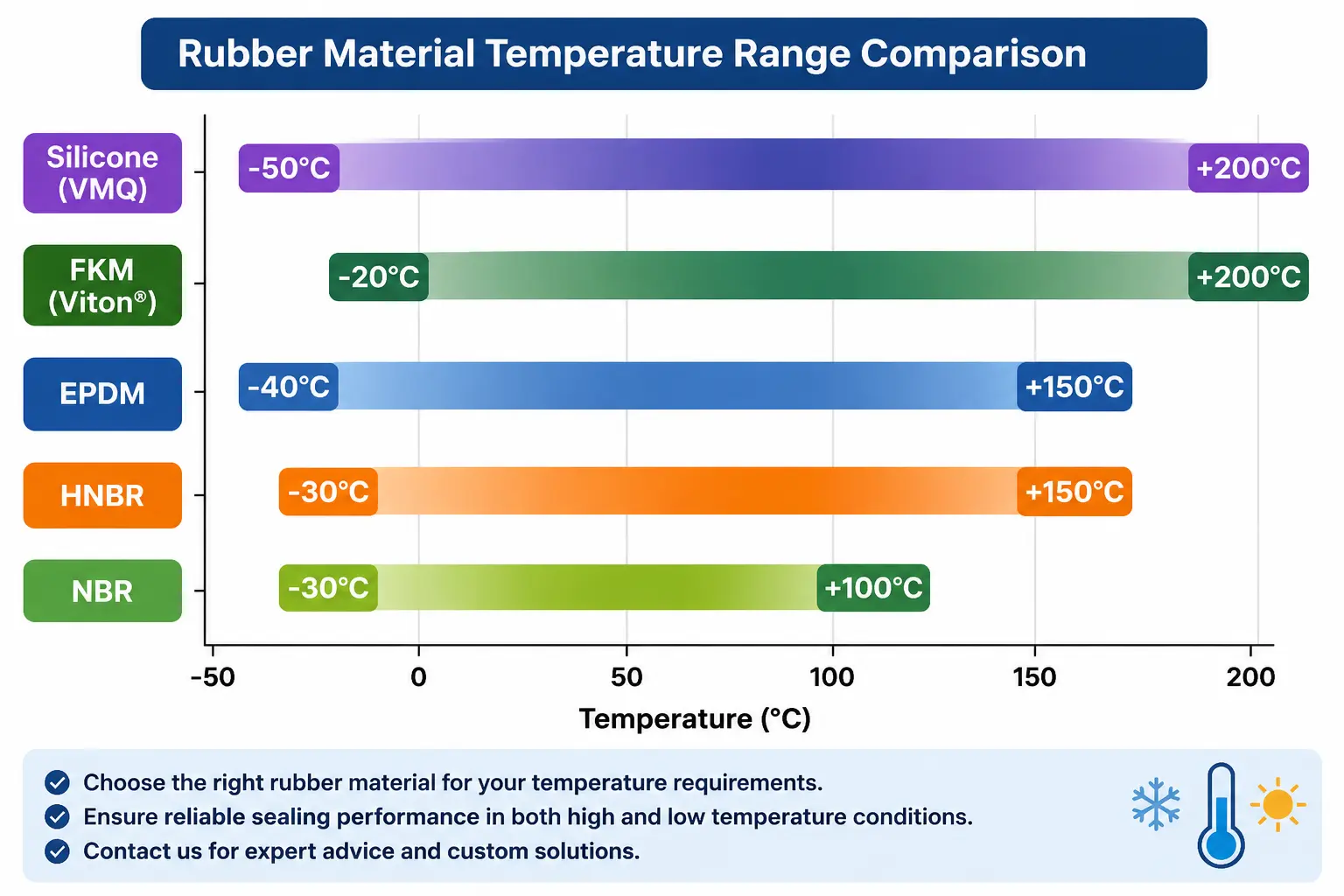
Artikel Spezifikation Produktname Oil & Gas Rubber O-Rings Material NBR, HNBR, FKM, EPDM Härte Custom Shore A Form Circular Cross-Section Größe Standard & Custom Sizes Working Conditions Application-Specific Pressure & Temperature Herstellung Compression / Injection Molding Anpassung OEM & ODM Available O-Ring Temperature Range
The operating temperature range of an O-ring depends on its rubber material, compound formulation, and application conditions. JINNAI SEAL offers NBR, EPDM, HNBR, FKM, and silicone O-rings for different temperature requirements. Selecting the right rubber material helps maintain elasticity, prevent premature aging, and ensure reliable sealing performance under high and low temperature conditions.
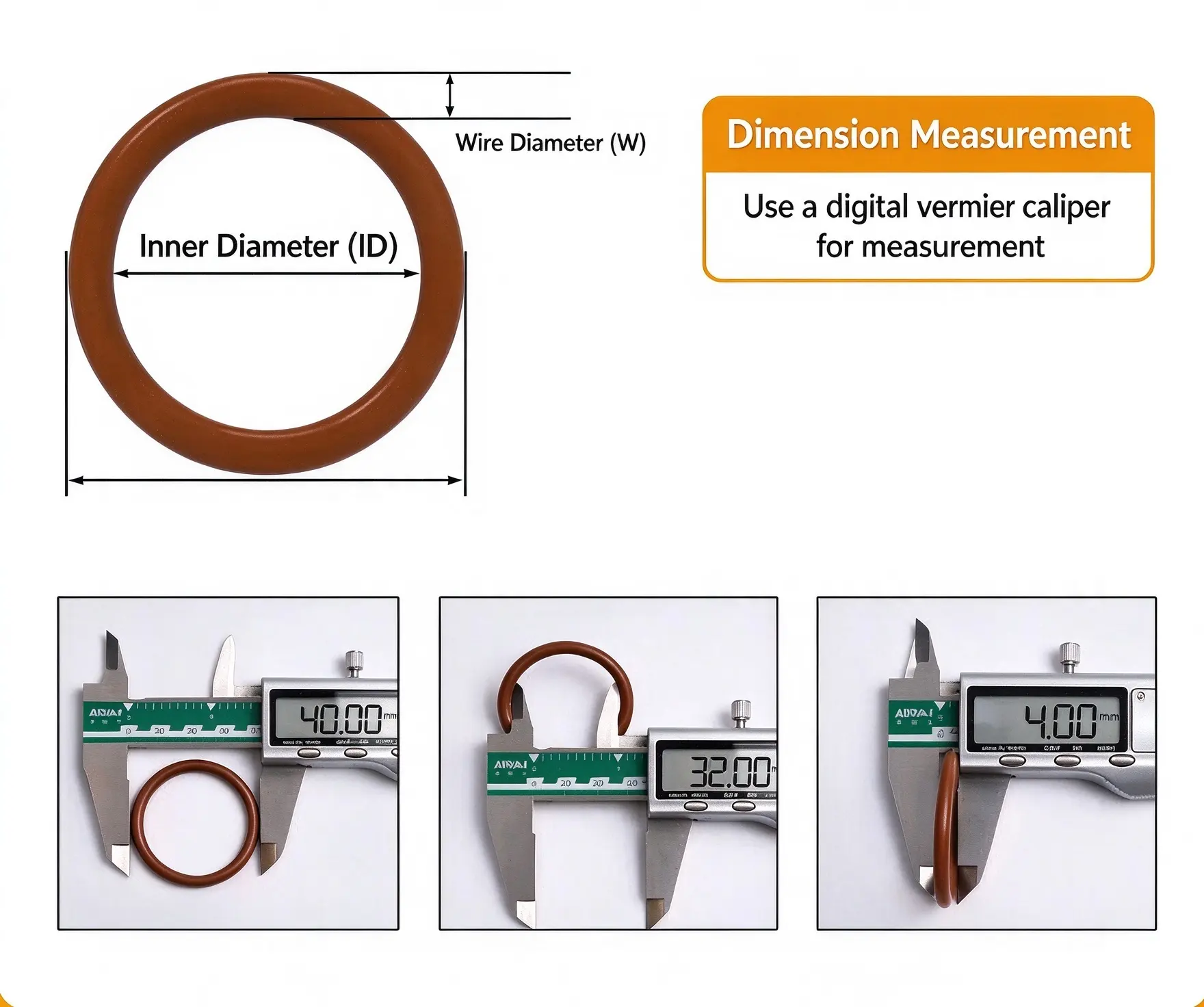
O Ring Measurement Guide
1. O-Ringe dürfen nicht mit einem Lineal gemessen werden.
2. Verwenden Sie einen Messschieber, um Innendurchmesser (ID), Außendurchmesser (OD) und Querschnitt (CS) genau zu bestimmen.
3. Gummi-O-Ringe verformen sich leicht. Genaue Messungen gewährleisten einen korrekten Sitz und verhindern Leckagen.
Typische Anwendungen
1. Oilfield Drilling Equipment
Rubber O-rings provide reliable sealing for oilfield drilling machinery, drilling rigs, and drilling tools exposed to demanding operating conditions.2. Downhole Tools & Completion Equipment
Custom downhole O-rings are used in drilling tools and well completion systems to help prevent fluid leakage under high pressure and temperature.3. Wellhead Equipment & Valve Systems
Oilfield valve seals and wellhead O-rings help maintain pressure integrity and prevent leakage in critical oil and gas control equipment.4. Oil & Gas Pumps and Compressors
NBR, HNBR, and FKM O-rings are selected for pump and compressor sealing applications involving petroleum fluids, lubricants, and elevated temperatures.5. Hydraulic Systems & Fluid Control Equipment
Hydraulic rubber O-rings seal connections, cylinders, and fluid control components to reduce leakage and maintain system pressure.6. Pipeline Connections & Processing Equipment
Industrial rubber seals are used in pipeline fittings, processing units, and fluid transfer systems to support reliable leak prevention.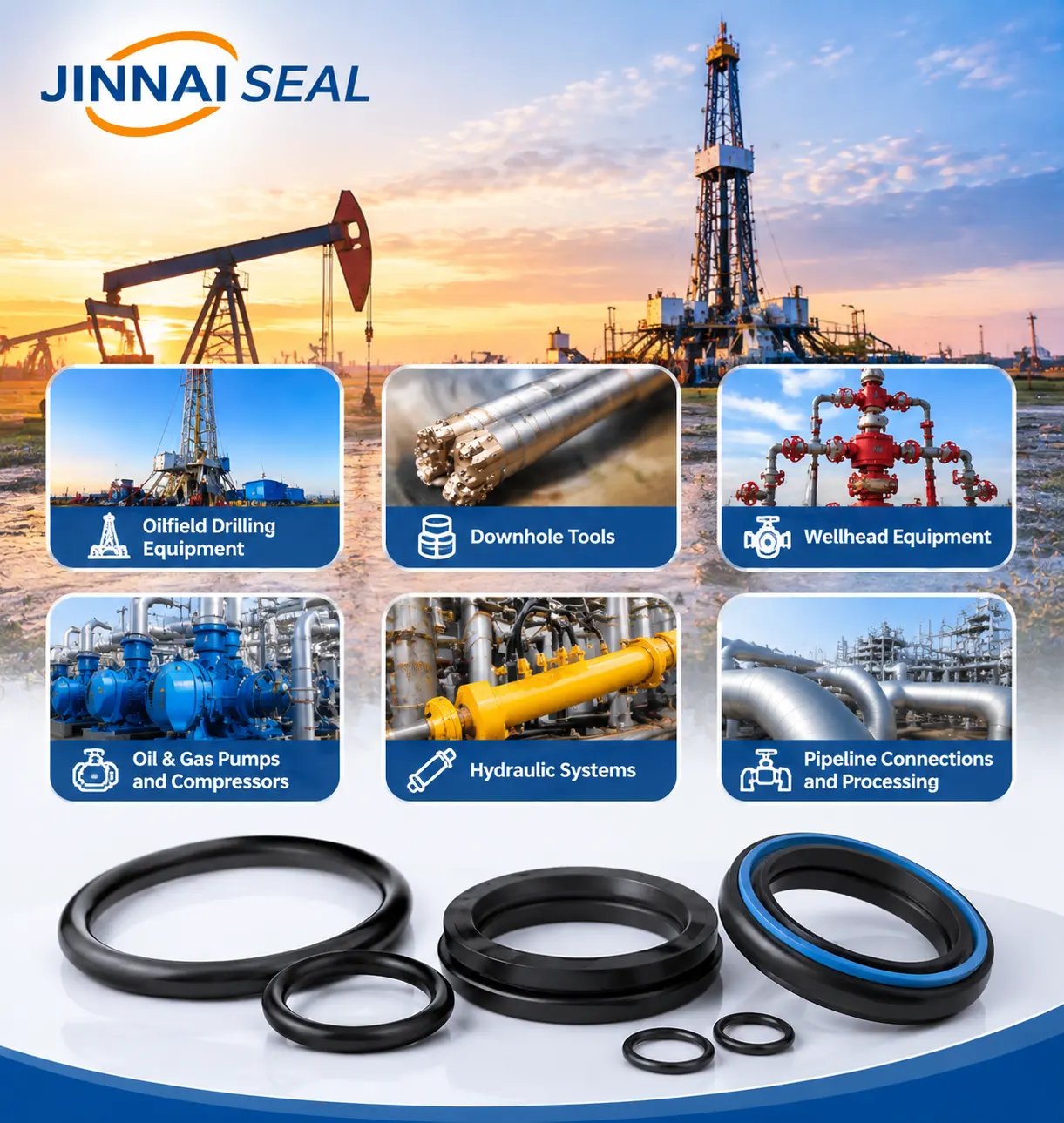
Verpackung / Zahlung / Versandservice
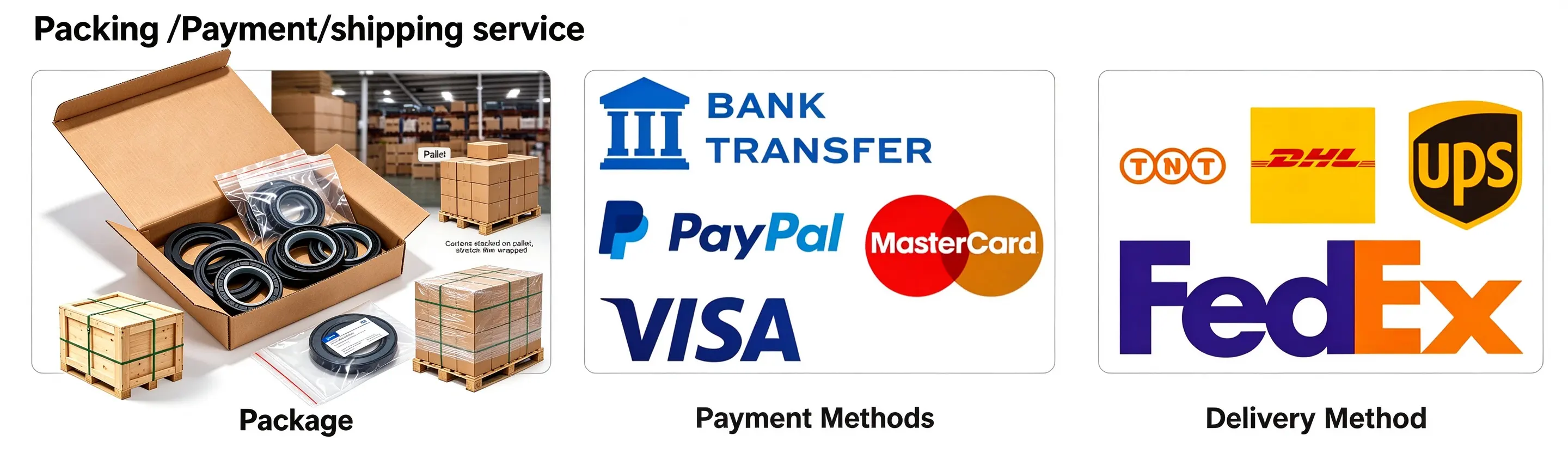
- PaketWir bieten Standardkartons, Paletten und Holzkisten an. Kundenspezifische Verpackungen sind auf Anfrage erhältlich, um die Waren bei verschiedenen Transporten optimal zu schützen.
- Zahlungsmethoden:Abrechnung in verschiedenen Währungen (CNY, USD, EUR usw.). Mehrere Zahlungsmöglichkeiten, darunter Banküberweisung und PayPal. Für schnellere Transaktionen ist in einigen Ländern auch eine lokale Banküberweisung möglich.
- Liefermethode:Wir bieten internationalen Express-, Luftfracht-, Seefracht- und Bahntransport an. Für flexible Lieferbedingungen können Sie auch Ihren eigenen Spediteur beauftragen.
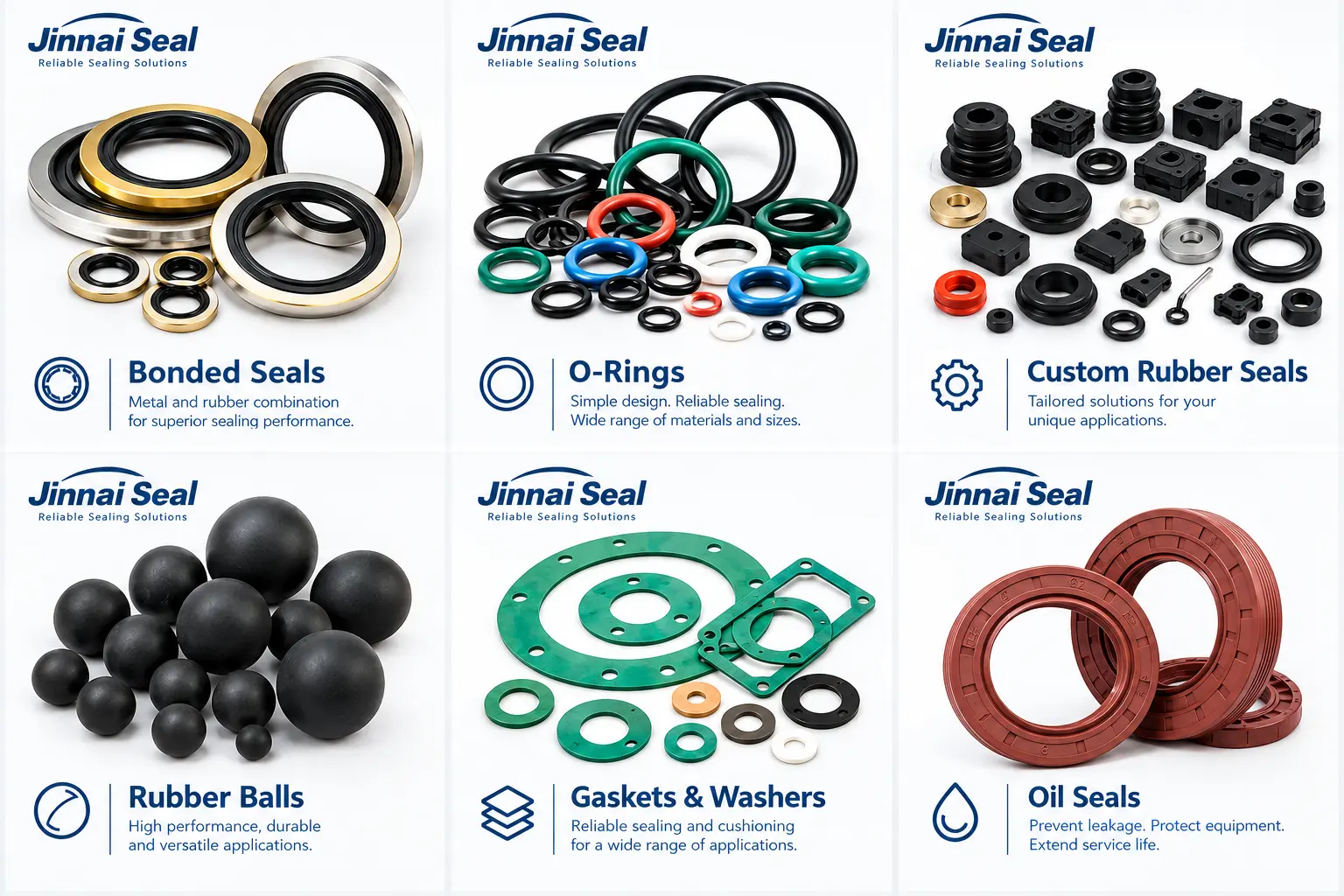
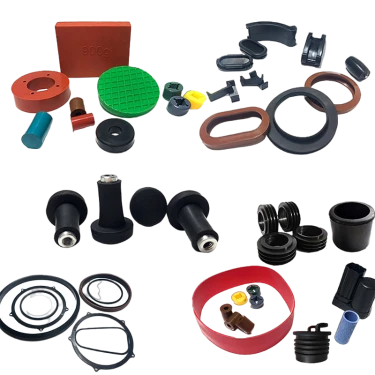
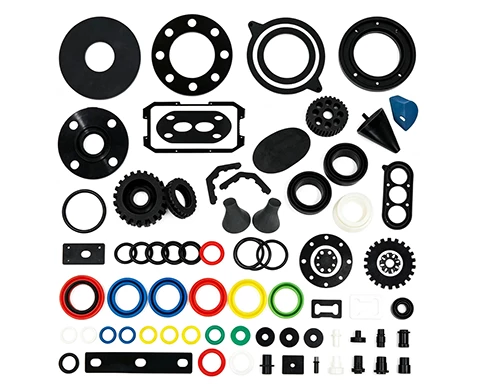
Jinnai Seal liefert verschiedene Gummidichtungen zur Auswahl.
Jinnai Seal bietet ein umfassendes Sortiment an industriellen Dichtungslösungen, darunter Verbunddichtungen, O-Ringe, kundenspezifische Gummidichtungen, Gummikugeln, Dichtungen und Unterlegscheiben sowie Öldichtungen. Wir bieten eine große Auswahl an Materialien, Größen und kundenspezifischen Ausführungen für unterschiedlichste Anwendungsanforderungen.
Unsere Produkte sind so konzipiert, dass sie zuverlässige Dichtungsleistung, Langlebigkeit und langfristige Zuverlässigkeit in industriellen Anlagen, mechanischen Systemen und Anwendungen zur Flüssigkeitsabdichtung gewährleisten.
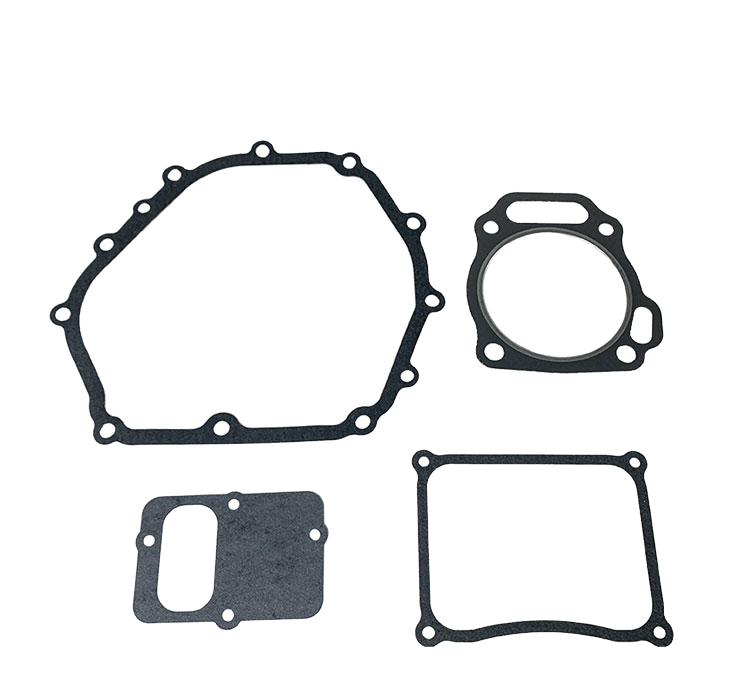
OEM- und ODM-Service
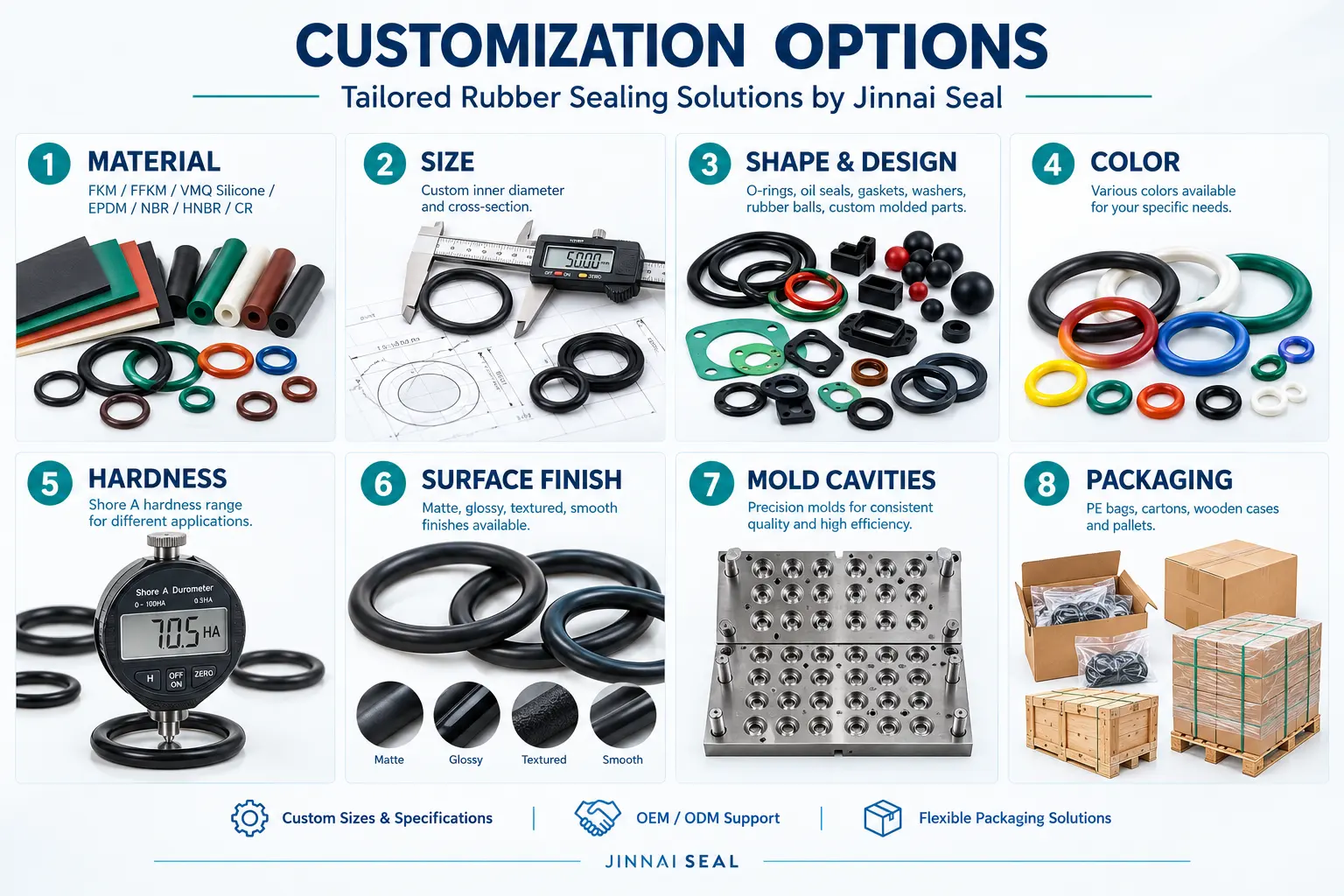
Wir unterstützen sowohl OEM- als auch ODM-Kooperationen. Im OEM-Bereich liefern Kunden Zeichnungen, Muster sowie Material- und Maßvorgaben. Wir fertigen nach Kundenspezifikation mit kundeneigener Verpackung – ideal für Aufträge mit klar definiertem Design. Im ODM-Bereich unterstützen wir Sie bei der Materialauswahl, der Anpassung der Gummimischung, der Formenentwicklung sowie der Auslegung von Größe und Härte gemäß Ihren Betriebsbedingungen. Wir bieten Private-Label-Produktion und sind damit die richtige Wahl für Kunden, die eine Komplettbetreuung von der Produktentwicklung bis zur Serienproduktion benötigen. Beide Modelle eignen sich für kundenspezifische Gummikugeln, O-Ringe und andere Dichtungsteile aus Gummi. Lieferzeit, Werkzeugkosten und Mindestbestellmenge werden projektbezogen individuell vereinbart.
 Häufig gestellte Fragen
-
How do we know if the material was wrong or the size was wrong?
A material problem usually shows as hardening, softening, swelling, or a sticky/ crumbly surface after exposure to the fluid. A size or groove problem tends to produce a flattened cross-section, cuts on one side, or repeated leakage at the same location even after replacement. Before reordering, record the failure appearance and the actual groove depth and width — an old, stretched O-ring measured directly will give a misleading size.
-
Which rubber should we choose for oil service versus gas service?
For oil and fuel contact, NBR is the cost-effective baseline; FKM or HNBR is specified when temperatures exceed roughly 120–150°C or when the fluid contains aggressive additives. For high-pressure gas, RGD resistance becomes the deciding factor, not just oil resistance — a standard NBR or general-purpose FKM may pass oil testing but blister in gas depressurization cycles. FFKM is reserved for the most aggressive chemical or temperature combinations where FKM reaches its limit.
-
What is rapid gas decompression, and why do standard O-rings blister in gas service?
Under high gas pressure, gas molecules dissolve into the rubber. When pressure drops quickly, that dissolved gas expands inside the seal before it can escape, causing internal bubbles, surface blistering, and cracks that can rupture the O-ring from within. This is not visible in a standard compression-set or hardness test, which is why gas-service compounds must be evaluated specifically for RGD resistance rather than judged by generic “oil and gas grade” claims.
-
Can you supply custom sizes, and what information do you need to quote?
Yes — custom inner diameters and cross-sections can be molded from a drawing, alongside standard AS568 and ISO 3601 sizes. To quote accurately, send the groove geometry (depth and width), the fluid or gas composition, the operating temperature range, and the target hardness if already defined; material recommendation can follow from those inputs rather than from a generic compound name. Low-volume or trial quantities should be stated upfront, since tooling and minimum order requirements vary by size and compound.
-
What are typical sample and production lead times, and how is the supplied batch kept consistent with the approved sample?
Sample timing depends on whether the size is standard or requires new tooling — standard samples can move quickly, while custom prototypes and tooling typically add several days to two weeks. For production, the key procurement safeguard is lot traceability: each batch should be labeled with the compound name, cure date, hardness, and color so incoming inspection can match the delivered seal to the sample that was approved, rather than relying on a visual “same-looking” comparison.
-
What Is the Best O Ring for High Temperature?
The honest answer is that there is no single “best” high-temperature O-ring material — the right choice depends on how hot, for how long, and in contact with what. A material that is perfect for dry heat in air will fail quickly in steam, and the material with the highest temperature ceiling is often the wrong commercial decision if a cheaper option meets the actual duty cycle.
-
How Long Do O-Rings Last?
There is no single answer — an O-ring’s life depends on the rubber compound, the fluid or gas it seals, temperature, pressure cycling, and whether it is static or moving. The useful distinction is between shelf life (before installation) and service life (in the equipment).
Verwandte Produkte
Wir haben ein vielfältiges Portfolio an Produktlösungen entwickelt, um unterschiedlichen Märkten und Bedürfnissen gerecht zu werden.-
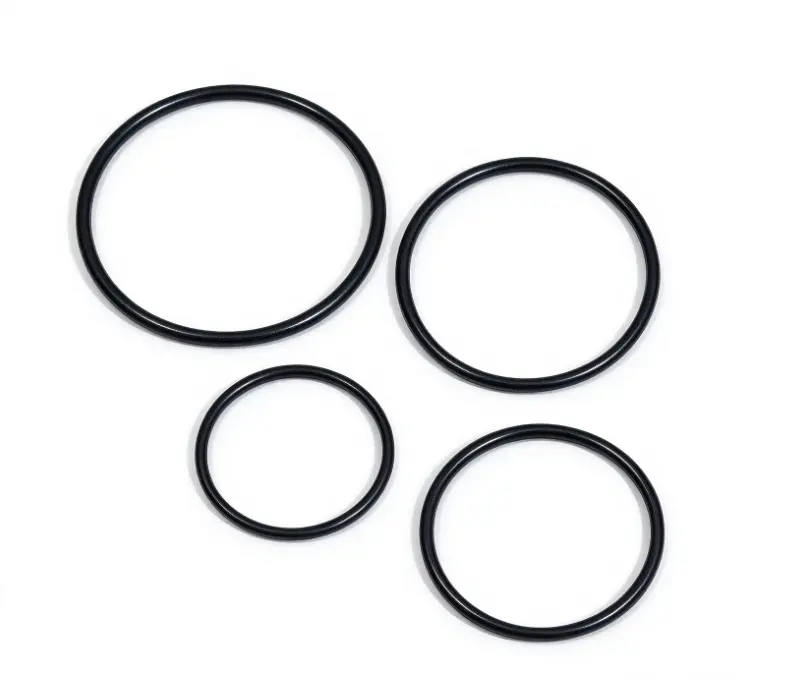
Lieferant von O-Ringen aus Gummi für die Automobilindustrie
Mehr erfahren

-
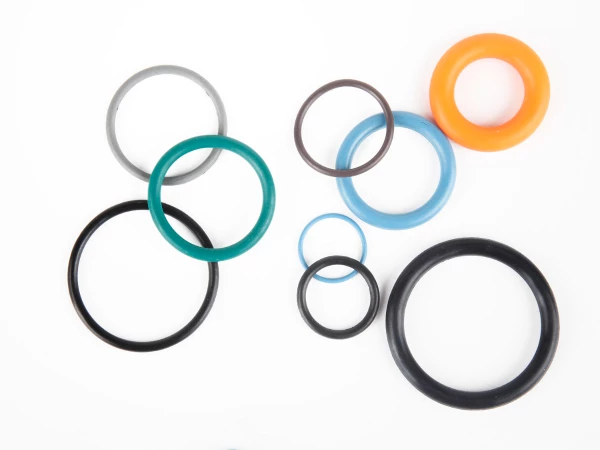
Gummidichtungsringe
Mehr erfahren
-
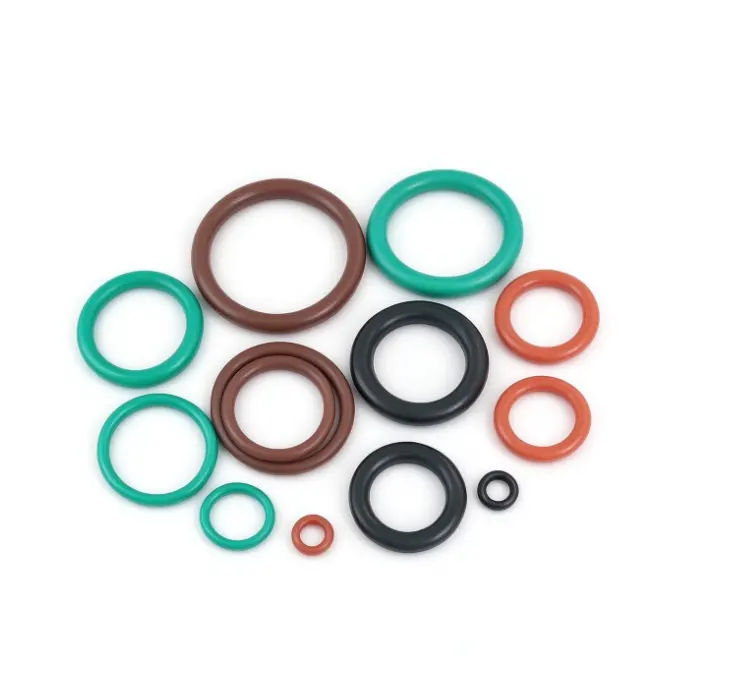
O-Ringe aus Gummi in großen Mengen für dauerhafte, auslaufsichere Dichtungslösungen
Mehr erfahren
-
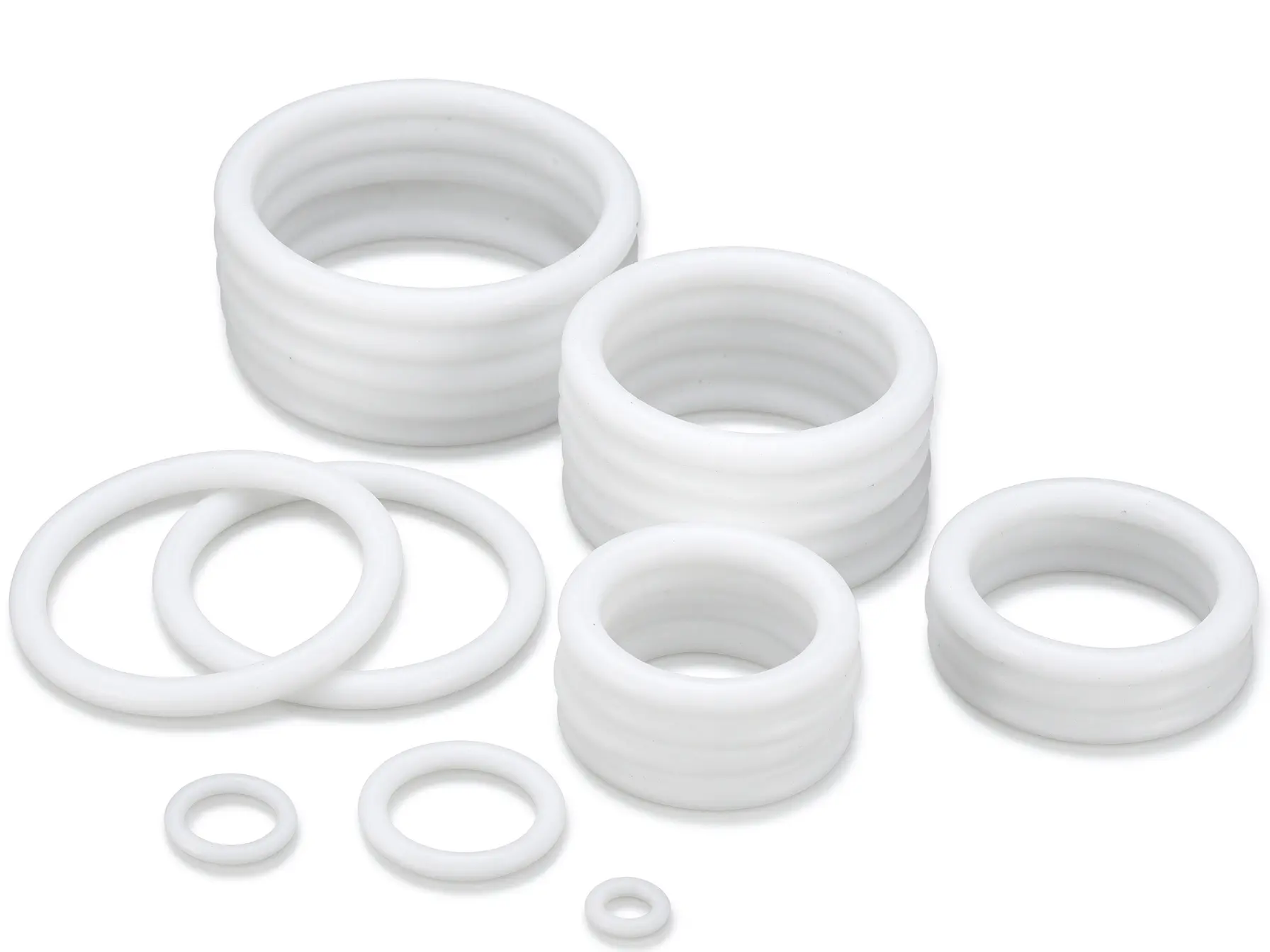
PTFE-O-Ringe für Kfz-Verrohrung und hitzebeständige Abdichtung
Mehr erfahren
-
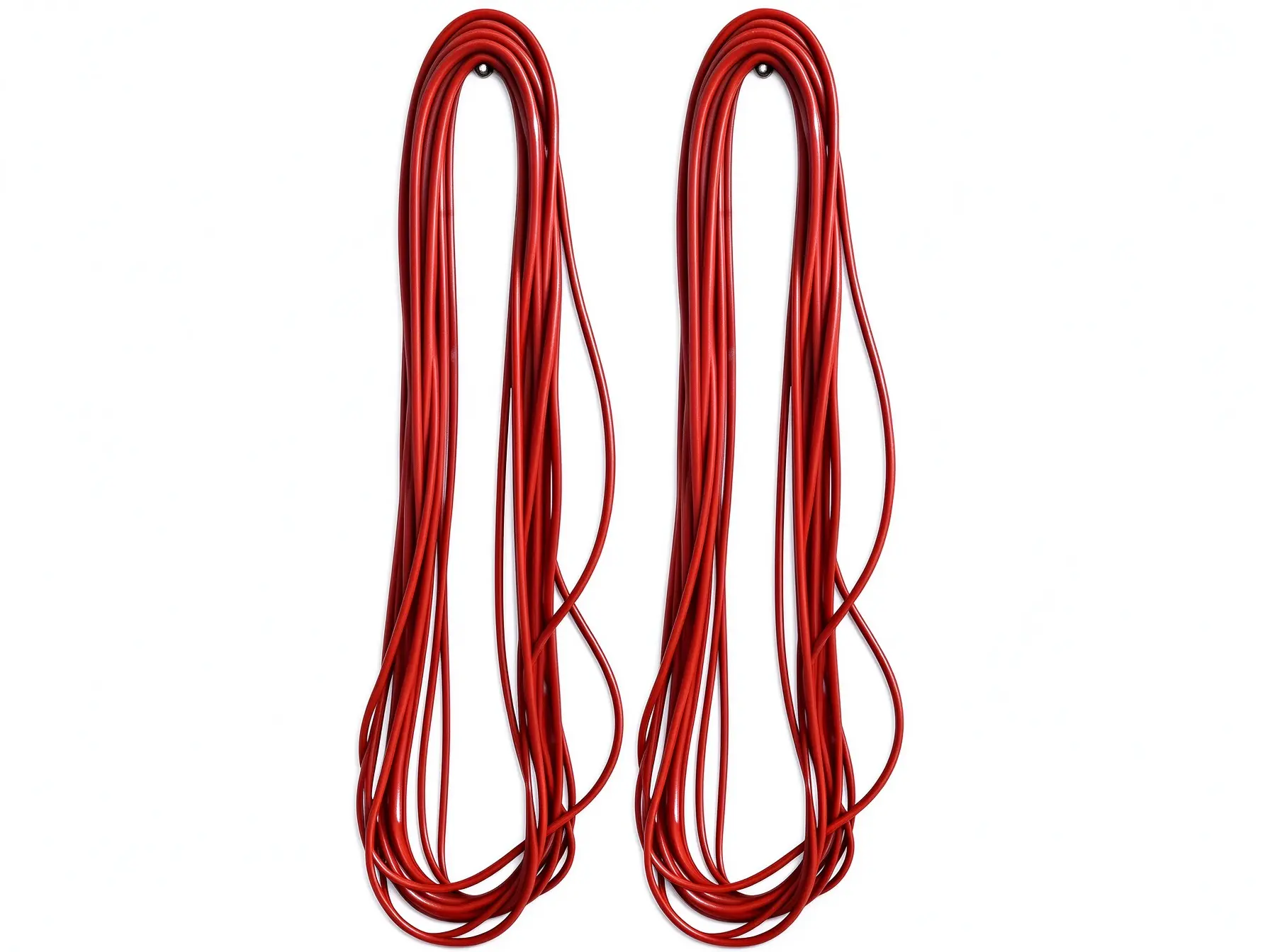
Hersteller von O-Ring-Dichtungen mit großem Durchmesser, kundenspezifische Sondergrößen
Mehr erfahren
-
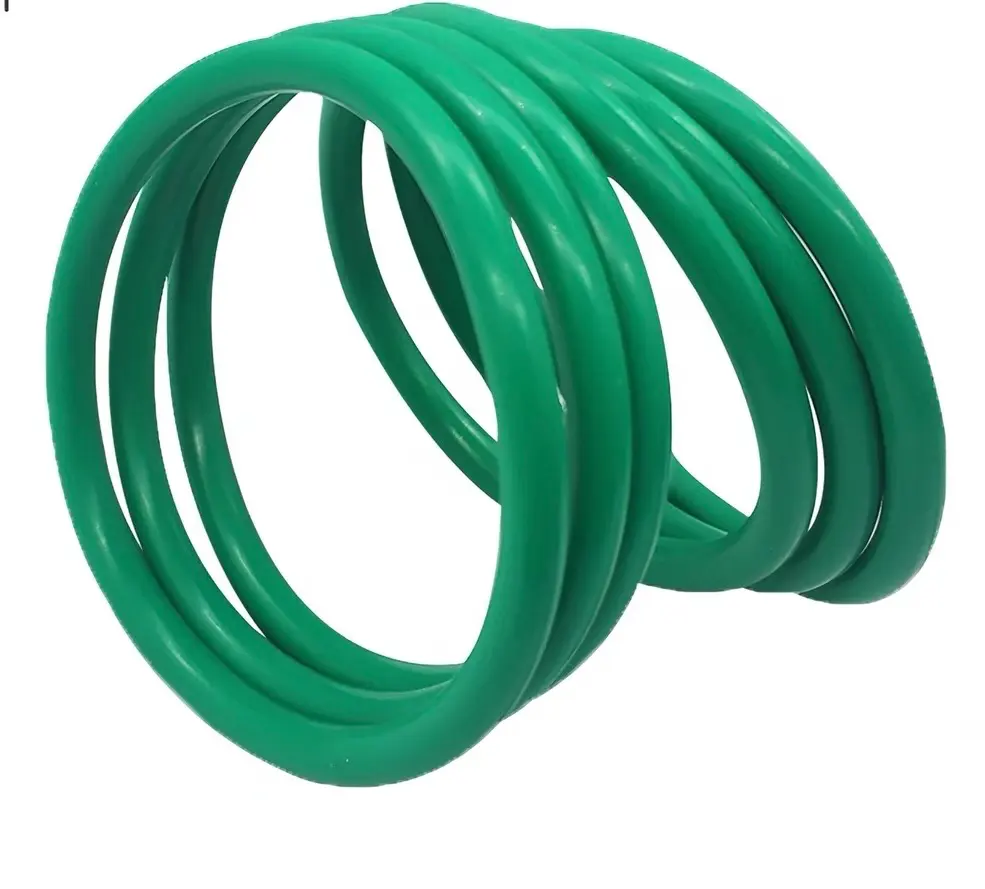
O-Ringe für Bohrlochwerkzeuge, Hochdruckdichtungen aus FKM und NBR
Mehr erfahren
-
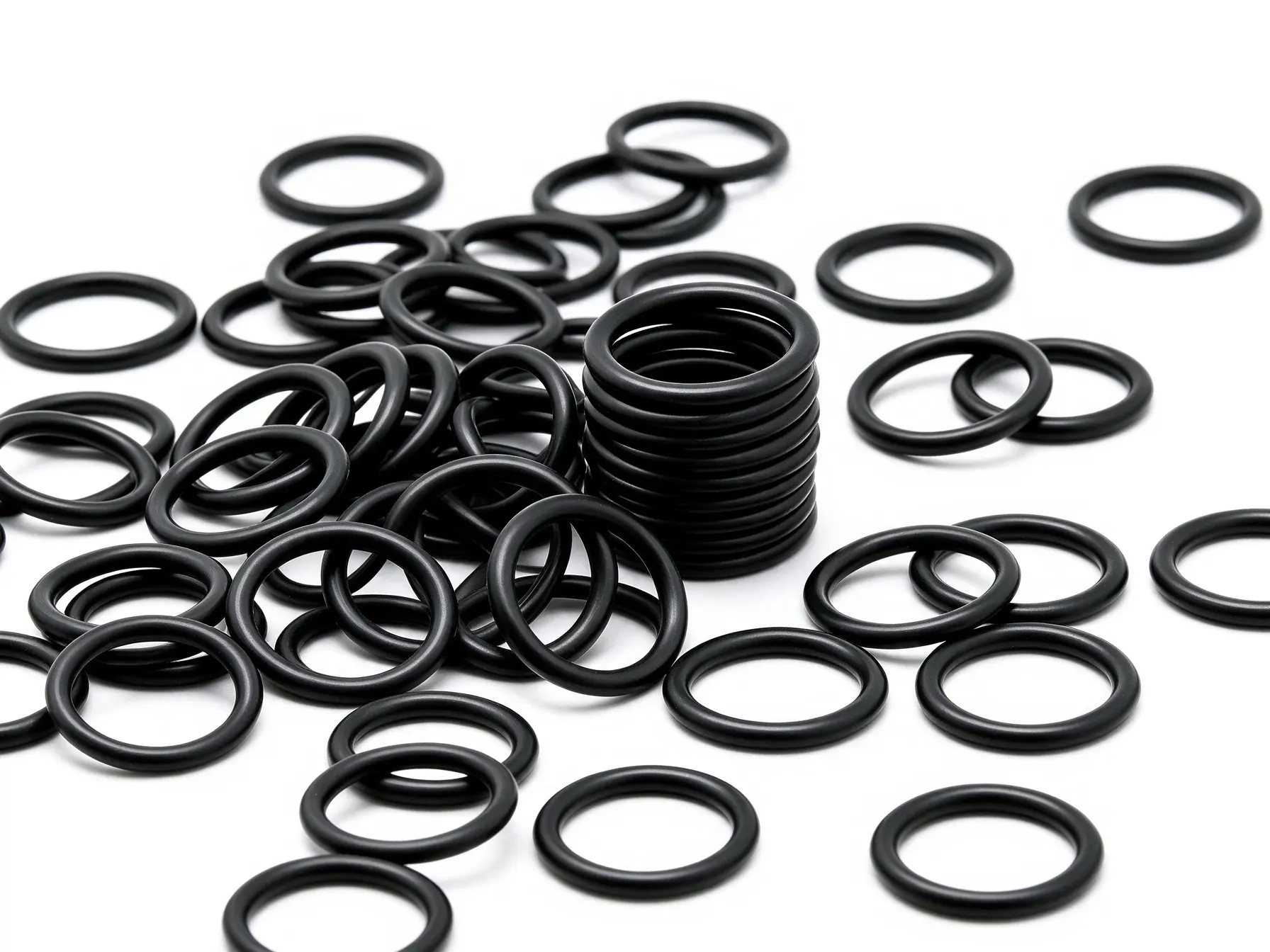
Öl- und ozonbeständige HNBR-O-Ringe für die Automobilindustrie
Mehr erfahren
-
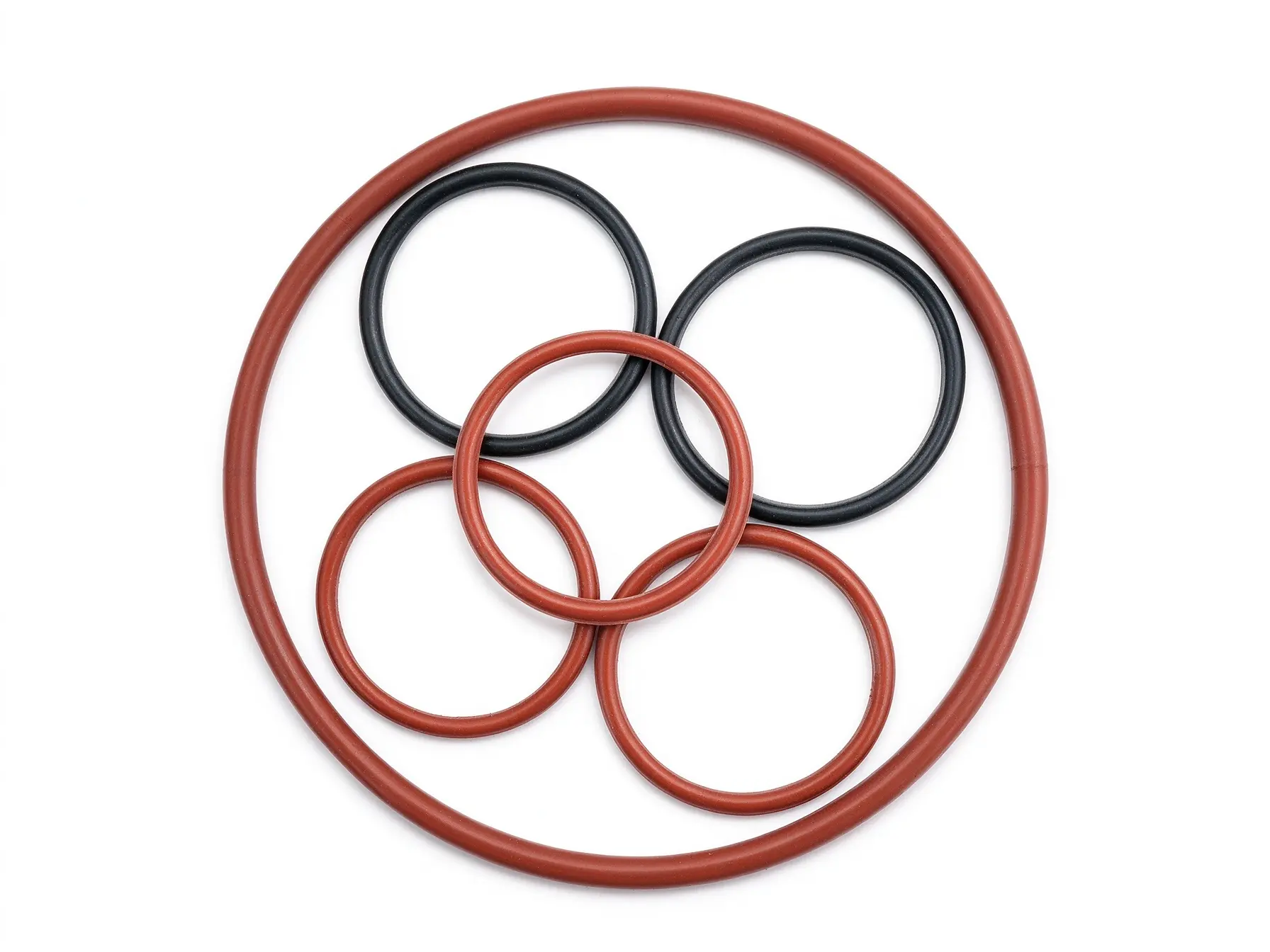
PFA-ummantelte O-Ringe für kundenspezifische chemikalienbeständige Abdichtung
Mehr erfahren
Willkommen