What Are the Differences Between TA, TB, SA, and SB Rotary Shaft Seals?
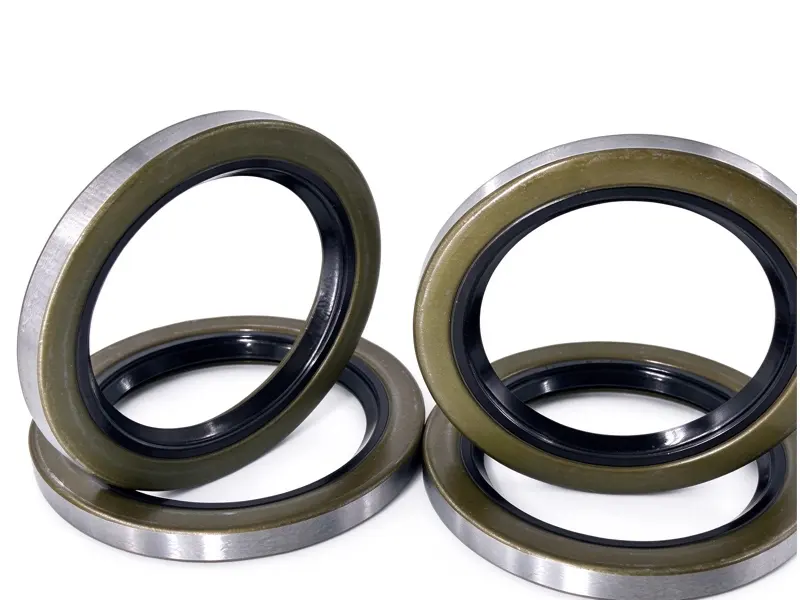
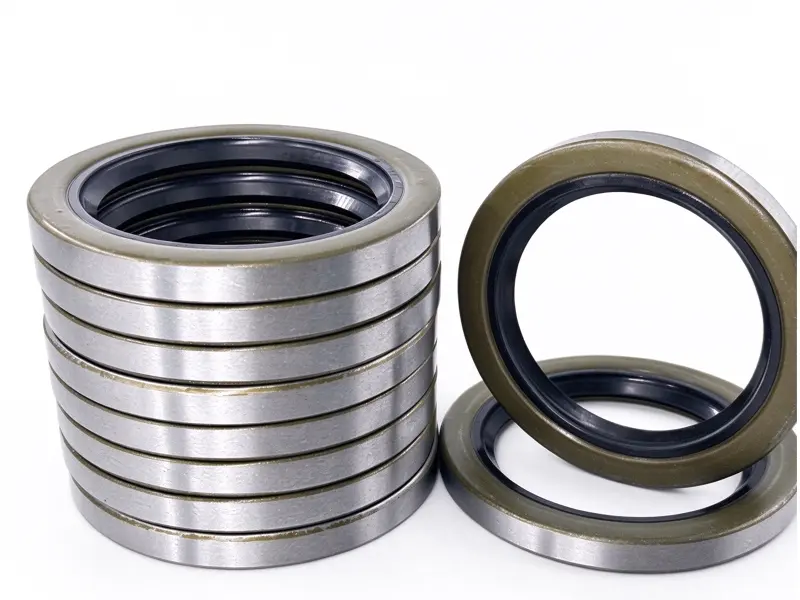
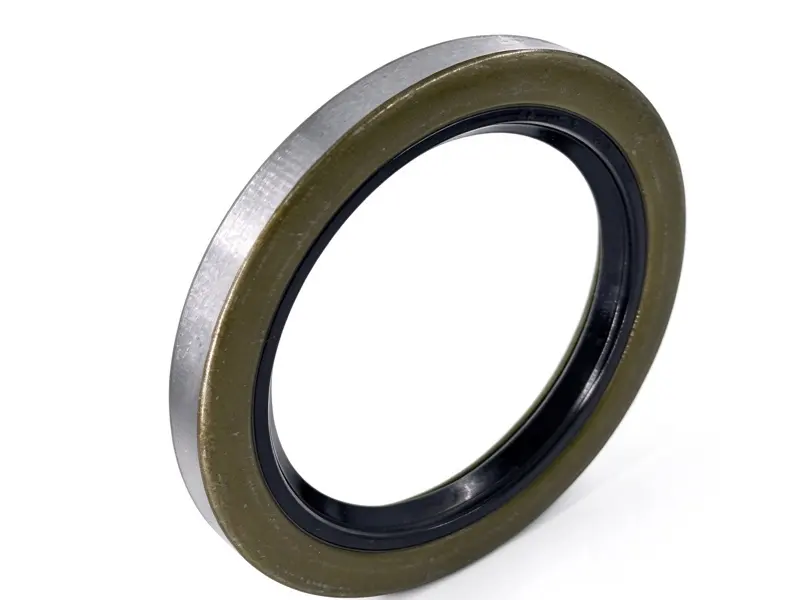
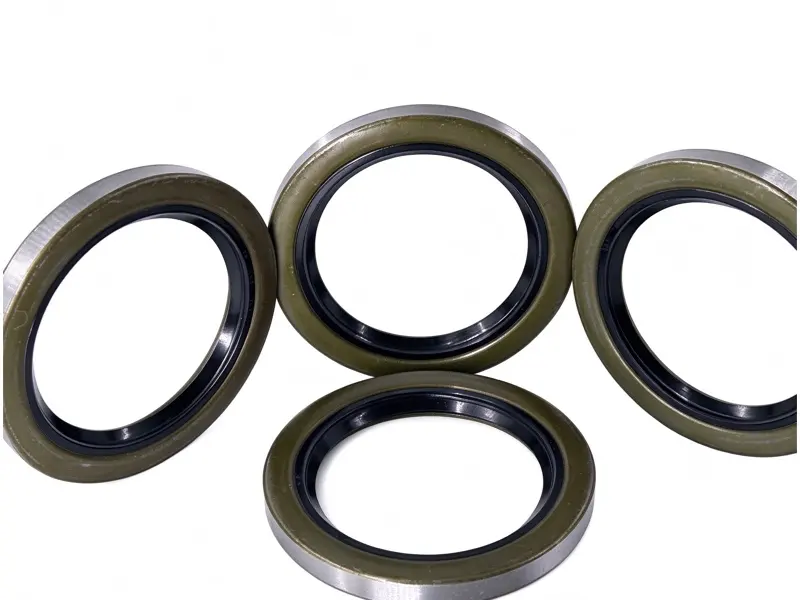
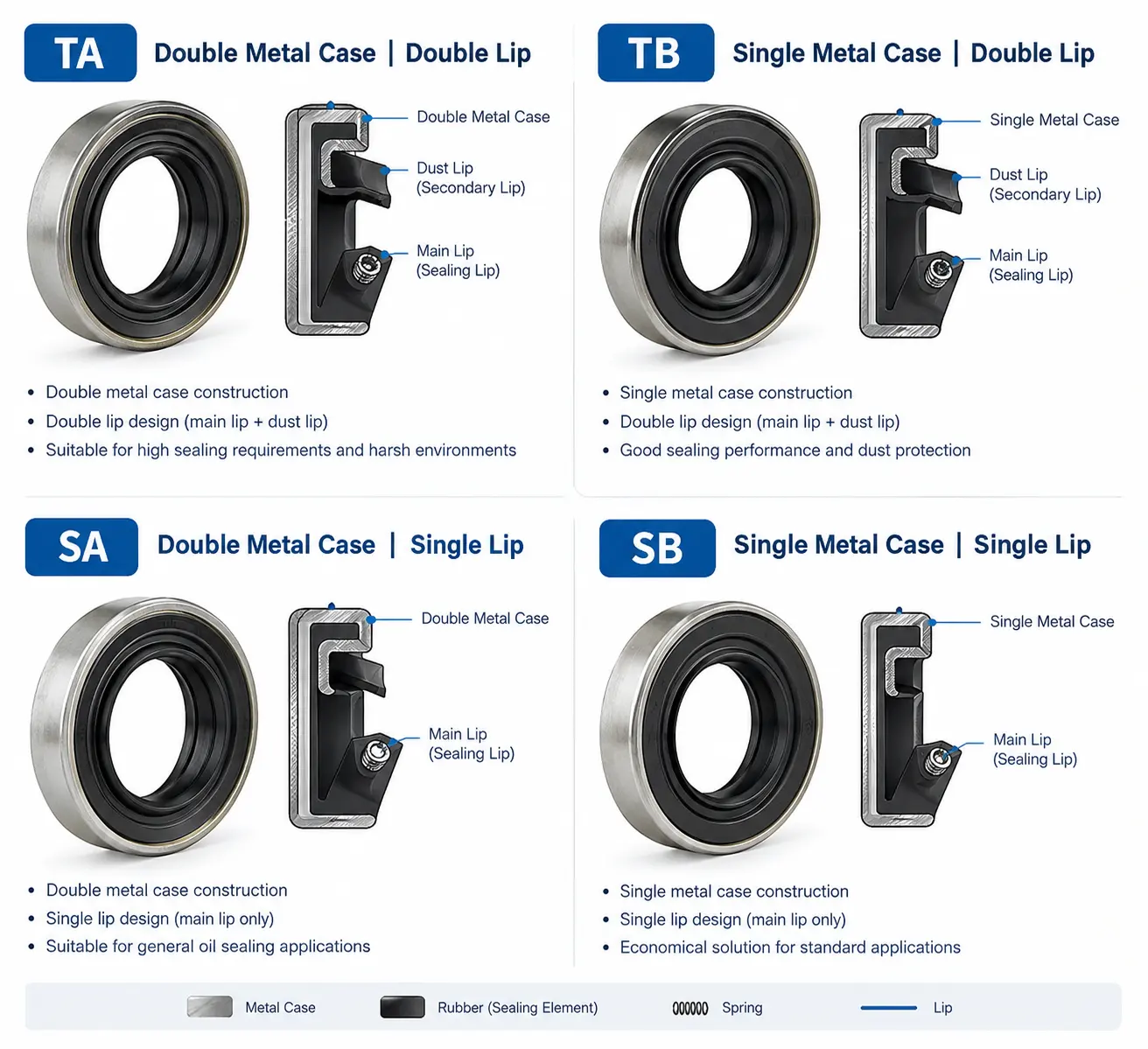
TA, TB, SA, and SB are common types of rotary shaft oil seals. Their main differences lie in the sealing lip configuration and metal case construction.
Combines dust protection with increased structural rigidity
SA
Single primary sealing lip
Double metal case
Single-lip sealing with increased structural rigidity
2. Key Differences Between Each Type
TB vs. SB
TB: Features a primary sealing lip and an auxiliary dust lip to help prevent lubricant leakage and keep external contaminants out.
SB: Uses a single primary sealing lip, mainly for retaining lubricants.
Selection: TB is suitable when additional dust protection is required, while SB is commonly used in relatively clean operating environments.
TA vs. SA
TA: Features a double metal case and two sealing lips.
SA: Features a double metal case and a single sealing lip.
Selection: The main difference is the auxiliary dust lip. TA provides additional protection against external contaminants.
TB vs. TA
TB: Uses a single metal case with a double-lip design.
TA: Uses a double metal case with a double-lip design.
Selection: Both provide oil sealing and additional dust protection, while TA generally offers greater structural rigidity.
SB vs. SA
SB: Uses a single metal case with a single-lip design.
SA: Uses a double metal case with a single-lip design.
Selection: Both are designed for primary oil sealing, while SA generally provides greater structural rigidity.
TA/TB/SA/SB OIL SEAL STRUCTURE COMPARE
3. Application and Selection Guide
Application Requirements
Suggested Type
General lubricant sealing
SB
Oil sealing with additional dust protection
TB
Single-lip sealing with a more rigid case structure
SA
Double-lip sealing with a more rigid case structure
TA
4. Important Factors When Selecting Oil Seals
Sealing Lip Configuration: Single-lip seals are primarily designed for lubricant retention, while double-lip seals provide an additional barrier against external contaminants.
Metal Case Construction: Single and double metal cases differ in structural rigidity and installation suitability.
Housing Requirements: Check the housing bore dimensions, roundness, and surface finish to ensure proper installation.
Operating Conditions: Consider the sealing medium, operating temperature, shaft speed, pressure, and level of external contamination.
In summary: TB and SB differ mainly in their sealing lip configuration, as do TA and SA. TA and SA generally feature double metal case constructions, while TB and SB use single metal cases.
Technical Specifications – TA / TB / SA / SB Rotary Shaft Seals
JINNAI SEAL offers TA, TB, SA, and SB rotary shaft oil seals in various sizes and material options.
Product specifications can be customized according to equipment requirements, operating conditions, technical drawings or samples.
Specification
Details
Product Name
Rotary Shaft Oil Seal
Available Models
TA, TB, SA, SB
Seal Type
Radial Shaft Seal
Sealing Structure
Single Lip / Double Lip
Case Construction
Single Metal Case / Double Metal Case
Primary Sealing Function
Prevents lubricant leakage
Secondary Sealing Function
Helps prevent dust and external contaminants from entering
Available Materials
NBR, FKM, EPDM (depending on application)
Hardness
Customizable according to material and requirements
Inner Diameter (Shaft Diameter)
Customizable
Outer Diameter (Housing Bore Diameter)
Customizable
Width (Thickness)
Customizable
Operating Temperature
Depends on material formulation
Rotational Speed
Depends on seal design and operating conditions
Sealing Medium
Compatible oils and other media, depending on material
Application
Automotive, gearboxes, motors, pumps, and industrial machinery
Manufacturing
Standard Sizes and Custom Manufacturing
Customization
Material, dimensions, hardness, and sealing configuration
OEM / ODM Service
Available
Quality Inspection
Dimensional and visual inspection
Available Model Configurations
Model
Metal Case
Sealing Lip Configuration
TA
Double Metal Case
Double Lip
TB
Single Metal Case
Double Lip
SA
Double Metal Case
Single Lip
SB
Single Metal Case
Single Lip
Customization Support
Custom rotary shaft oil seals are available based on customer drawings, samples, or technical specifications. Please provide the shaft diameter, housing bore diameter, seal width, material requirements, and operating conditions for product selection and quotation.
Available Materials
Material
Key Properties
Recommended Applications
NBR (Nitrile Rubber)
Good resistance to mineral oils, lubricants, and abrasion. Offers reliable sealing performance for general industrial applications.
Hydraulic equipment, gearboxes, pumps, motors, and automotive systems
FKM (Fluoroelastomer)
Excellent resistance to many oils, fuels, and chemicals, with good high-temperature performance.
Automotive engines, industrial machinery, fuel systems, and high-temperature applications
EPDM (Ethylene Propylene Diene Monomer)
Excellent resistance to weathering, ozone, and hot water. Suitable for selected water-based and glycol-based media, but generally unsuitable for petroleum-based oils.
Water systems, cooling systems, and outdoor equipment
How to Choose the Right Material
Operating Requirement
Recommended Material
General mineral oil and lubricant sealing
NBR
Higher-temperature oil sealing
FKM
Exposure to weathering and ozone
EPDM
Special chemical or operating conditions
Material evaluation required
Customized Material Solutions
JINNAI SEAL supports customized rotary shaft oil seals based on application requirements. Material selection, hardness, dimensions, and sealing configurations can be adjusted according to customer drawings, samples, and operating conditions.
Contact our team for assistance in selecting the appropriate oil seal material for your equipment.
Key Performance Features
1. Reliable Oil Sealing
Designed to help prevent lubricant leakage around rotating shafts, supporting stable equipment operation and reducing lubricant loss.
2. Dust and Contaminant Protection
Double-lip configurations provide an additional barrier against dust, dirt, and external contaminants,
helping protect internal components.
3. Wear Resistance
Suitable rubber compounds help maintain sealing contact and resist wear during operation.
Actual performance depends on shaft surface finish, rotational speed, lubrication, and operating conditions.
4. Temperature Resistance
Different elastomer materials offer different temperature capabilities.
NBR is commonly selected for general oil-sealing applications, while FKM is often preferred for higher-temperature environments.
Actual temperature limits depend on the specific compound.
5. Material Selection for Different Media
Selecting the right elastomer is essential for compatibility with the operating medium.
JINNAI SEAL can assist with material selection based on lubricant type, chemical exposure,
temperature, and working environment.
Quality & Inspection
We apply strict quality control to every oil seal, from raw material to finished product. Incoming materials are tested for hardness, tensile strength, temperature and oil resistance. During production, curing temperature, mold dimensions and sealing-lip precision are monitored in real time. Before shipment, each batch passes dimensional measurement, visual inspection, leakage testing, and pressure and aging tests. With professional testing equipment, standardized procedures, ISO quality management and full batch traceability, every oil seal is accurate in size, tight at the lip and reliable in sealing—delivering consistent, dependable quality for our customers.
Packing & Payment & Shipping
Package:We provide standard cartons, pallets and wooden cases. Custom packaging such as custom logo print is available upon request to protect goods well for different shipments.
Payment Methods:Multi-currency settlement (CNY, USD, EUR, etc.). Multiple payment options including T/T, PayPal. Local bank transfer is available for some countries for faster transactions.
Shipping Ways:We offer international express, air freight, sea freight and railway transport. You can also appoint your own forwarder for flexible delivery arrangements.
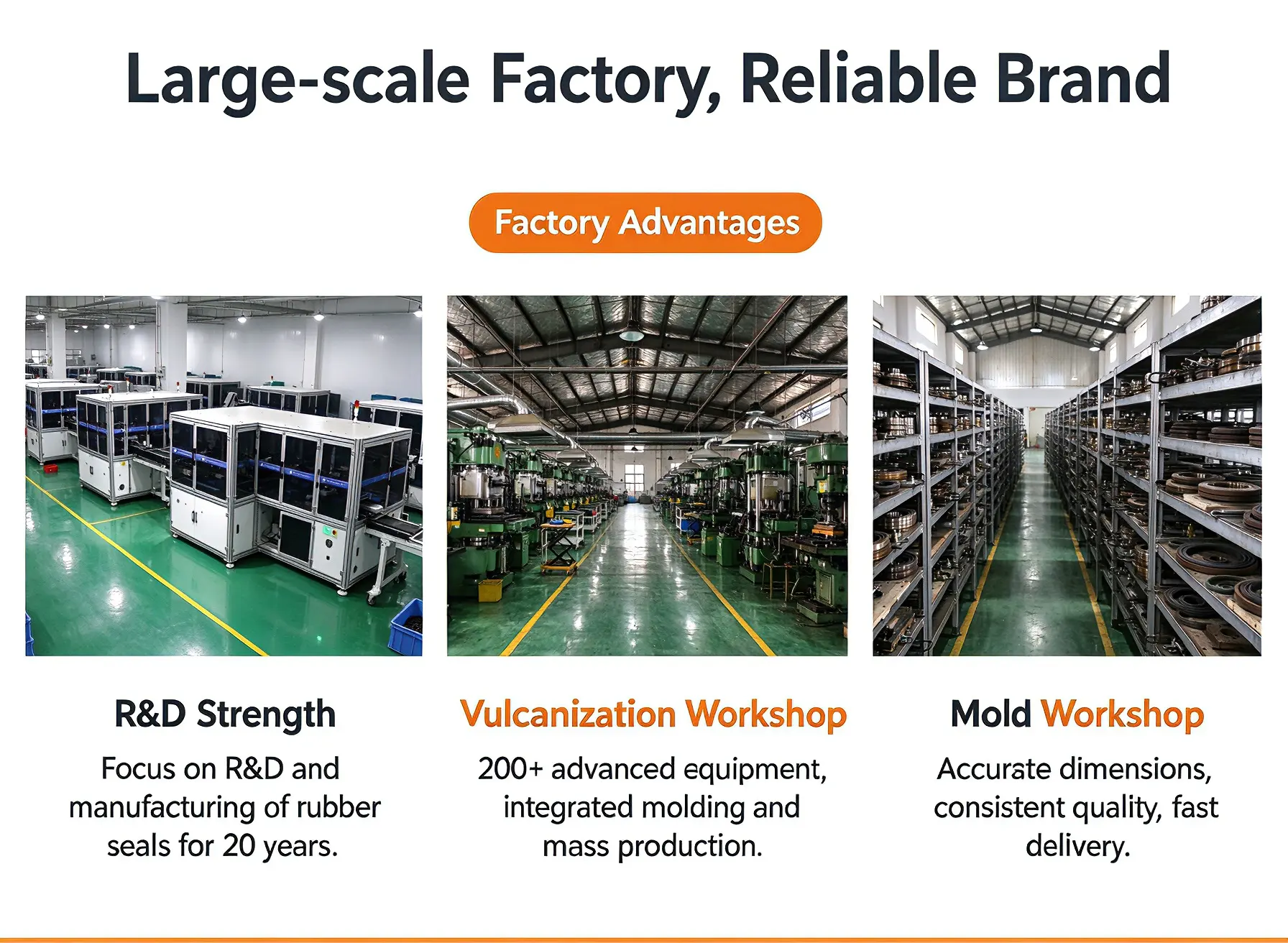
One-stop rubber seal service from reliable manufacturer
Equipped with automated production lines and in-house molding capability, we manufacture a full range of rubber sealing components in EPDM, NBR, FKM,FFKM,HNBR,PU,VMQ,SIL,PTFE ect. From standard parts to custom special-shaped components, each product is built to your specifications.
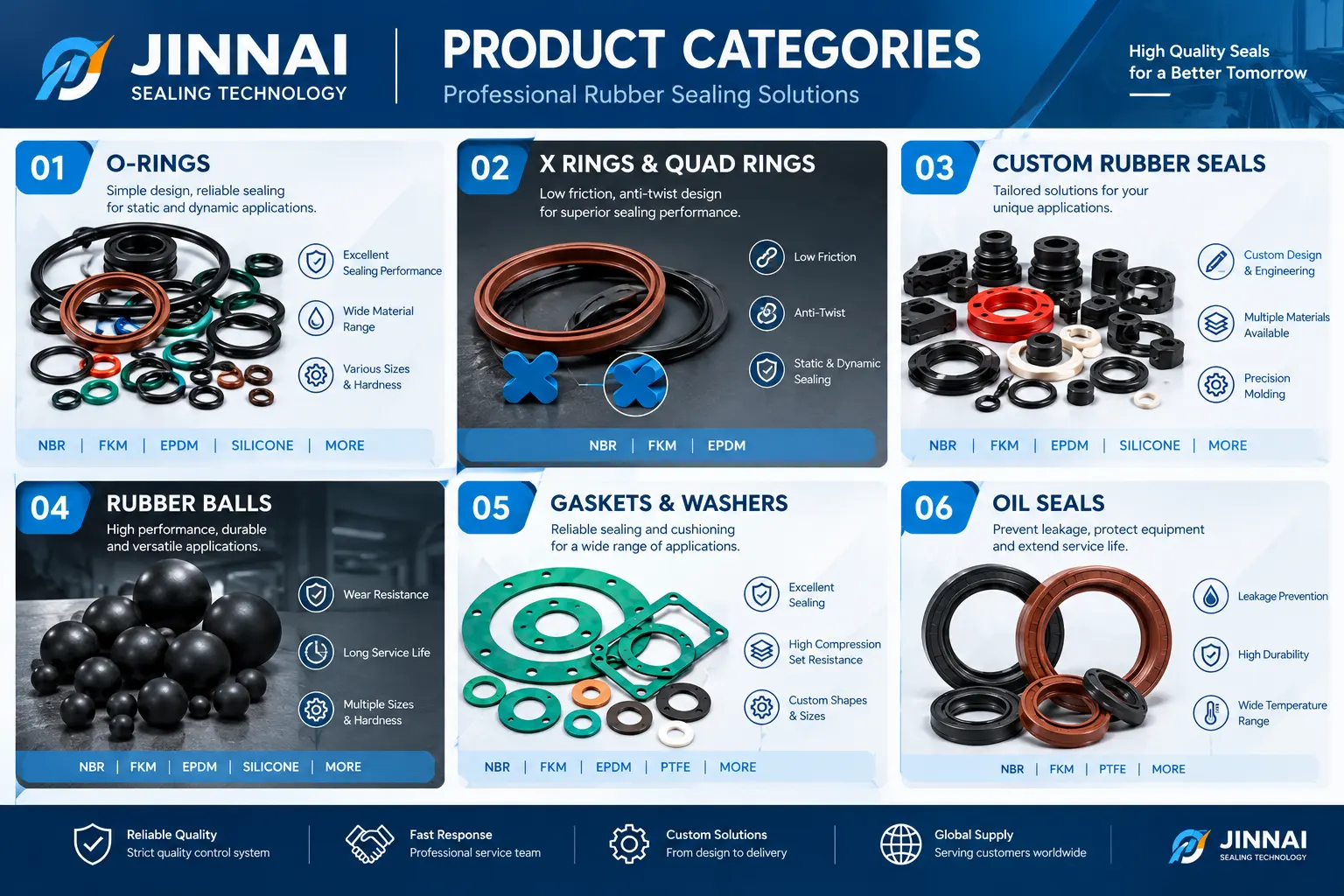
What We Produce:
O-rings — standard series and custom sizes
Rubber balls — solid rubber balls from 1mm to 500mm and custom support
Gaskets, washers & flat seals — molded or die-cut
Oil seals — rotary shaft and lip seals
Custom special-shaped rubber seals — made to your drawing or sample
FAQs
What are the main differences between TA, TB, SA, and SB oil seals?
The main differences are in their metal case construction and sealing lip design. TA and SA generally feature a double metal case, while TB and SB use a single metal case. TA and TB have double-lip designs, while SA and SB have single-lip designs.
What are the shaft and housing-bore requirements for installation?
The shaft should be smooth, with a surface roughness of Ra 0.2–0.8 μm and hardness of at least HRC 35 (HRC 45+ for high speed). Add a 15°–30° lead-in chamfer on the shaft and bore and remove all burrs to avoid cutting the lip. A typical housing bore is H8 and the shaft f7/f8; coat the lip and shaft with clean lubricating oil before fitting.
What materials are available for TA, TB, SA, and SB oil seals?
Common material options include NBR, FKM, and EPDM. NBR is suitable for general oil-sealing applications, FKM is often selected for higher-temperature and chemical-resistant applications, and EPDM is suitable for specific water-based media and outdoor environments.
What applications are rotary shaft oil seals used for?
Rotary shaft oil seals are widely used in hydraulic pumps, gearboxes, electric motors, automotive systems, industrial machinery, and other rotating equipment to help prevent lubricant leakage and protect against external contaminants.
How do I choose the right rotary shaft oil seal?
Consider the shaft diameter, housing bore diameter, seal width, operating temperature, rotational speed, sealing medium, and environmental conditions. The appropriate sealing lip and metal case configuration should also be selected according to the application.
Can TA, TB, SA, and SB oil seals be customized?
Yes. JINNAI SEAL supports customized oil seals based on drawings, samples, or technical specifications. Customization options include dimensions, rubber materials, hardness, sealing lip configurations, and other product requirements.